
Market
12 min read
Layoffs 2026: Industry-Wide Job Cuts Across Tech, Retail, Government, and Finance
Synopsis
The first two months of 2026 saw widespread layoffs across tech, retail, finance, government, and manufacturing as organizations restructured, adopted AI, and responded to economic pressure. From Amazon’s Project Dawn to federal cuts, here’s what’s happening and what workers should do.
The first two months of 2026 have seen sweeping job cuts across multiple sectors as companies restructure operations, governments reduce spending, and organizations adapt to economic pressures and technological disruption. From Amazon's Project Dawn affecting thousands of workers to federal workforce adjustments in Canada and the United States, the layoff wave continues to reshape employment across industries.
Key Insight
This overview analyzes layoffs announced in January and February 2026, examining trends across industries, regions, and company sizes. It draws on official statements, reporting, and government labor data to inform workers, HR leaders, and business decision-makers.
Understanding the 2026 Layoff Wave
The current wave of layoffs differs from previous downturns in several critical ways. Unlike the 2008 financial crisis or the initial pandemic shock of 2020, the 2026 layoffs are characterized by:
Strategic restructuring rather than emergency cost-cutting. Companies are making deliberate choices about their workforce composition based on long-term technology and market shifts.
AI-driven automation replacing not just routine tasks but increasingly sophisticated knowledge work. Roles in customer service, content moderation, data entry, basic coding, and administrative support face particular pressure.
Pandemic correction as tech companies that aggressively hired during 2020-2021 remote work surges now rightsize their operations to sustainable levels.
Efficiency mandates from boards and investors demanding profitability over growth, reversing the "growth at all costs" mentality that dominated the previous decade.
Government austerity as fiscal pressures lead to public sector workforce reductions in both the United States and Canada.
Let's examine what's happening sector by sector.
Technology Sector Layoffs
The technology sector continues to lead layoff announcements in early 2026, building on patterns established in 2023-2025 when the industry shed hundreds of thousands of positions globally.
Amazon - Project Dawn
Amazon initiated Project Dawn layoffs in January 2026, cutting positions across Amazon Web Services (AWS), Alexa, and retail divisions. The company continues workforce optimization efforts that began in 2023, citing efficiency gains and artificial intelligence automation reducing headcount needs in certain departments.
According to CNBC, Amazon is targeting middle management positions and consolidating teams to reduce organizational complexity. The premature email leak from AWS executive Colleen Aubrey revealed the scope of "Project Dawn" before official announcements. The company previously eliminated over 27,000 positions in 2023 and continues to optimize its workforce structure.
Oracle
Oracle announced significant job cuts in early 2026 alongside an asset sale strategy. The restructuring affects cloud infrastructure and software development teams as the company pivots toward AI-focused services and seeks to streamline operations.
Shopify
E-commerce platform Shopify cut jobs in January 2026, continuing a trend of tech companies rightsizing after pandemic-era hiring surges. The Canadian company previously laid off 20% of staff in 2023 and is now focusing on profitability over growth.
Social media platform Pinterest announced January 2026 layoffs affecting engineering and product teams. The company faces pressure to demonstrate monetization improvements and user growth after years of stagnant performance.
Ubisoft
Gaming giant Ubisoft announced January 2026 layoffs affecting positions across multiple studios worldwide. The cuts come amid declining game sales, project cancellations, and a strategic shift toward live-service gaming models.
Meta (Facebook)
Meta announced another round of job cuts in early 2026, laying off approximately 1,500 employees from its Reality Labs division, representing about 10% of that team's workforce. TechCrunch reported the company is shutting down studios including Armature Studio, Twisted Pixel, and Sanzaru as CEO Mark Zuckerberg shifts focus from metaverse to AI development.
Google (Alphabet)
Google parent company Alphabet has conducted targeted layoffs throughout 2025 and into early 2026, affecting Google Assistant, hardware teams, and certain advertising roles as the company consolidates AI efforts under unified leadership while reducing investment in hardware products showing weak market performance.
Salesforce
Enterprise software company Salesforce has conducted workforce reductions affecting approximately 5,000 roles through 2025 and early 2026, according to Salesforce Ben, with particular focus on customer support roles as the company deploys AI agents.
Retail and Consumer Goods Sector
Retail faces a perfect storm of challenges: shifting consumer preferences, e-commerce disruption, inflation pressures, and changing foot traffic patterns.
Nike and Converse
Nike-owned Converse is preparing February 2026 job cuts as sales hit a 15-year low, falling 30% last quarter to approximately $300 million. This follows Nike's broader 2024-2025 workforce reductions including 775 distribution center roles.
According to CNBC, Converse reported a 30% revenue drop in Nike's fiscal Q2 2026, with CEO Aaron Cain sending staff home ahead of planned layoffs. Several senior executives are leaving as the iconic sneaker brand faces intense competition.
Eddie Bauer
Outdoor retailer Eddie Bauer announced February 2026 layoffs as brick-and-mortar retail faces continued pressure from e-commerce competition and changing consumer spending patterns.
Peloton
Fitness technology company Peloton laid off approximately 286 employees (11% of staff) in January 2026 as part of ongoing restructuring to achieve profitability. The company has faced declining demand for connected fitness equipment post-pandemic.
Minute Maid (Coca-Cola)
Coca-Cola subsidiary Minute Maid announced February 2026 job cuts at production facilities, citing automation improvements and supply chain optimization.
Tyson Foods
Meat processor Tyson Foods conducted layoffs affecting plant workers and corporate staff, part of a multi-year restructuring plan addressing changing protein consumption patterns and operational efficiency.
Macy's
Department store chain Macy's is executing its "Bold New Chapter" strategy, closing 150 underperforming stores through 2026. The company announced 14 additional store closures in January 2026 across 12 states, with clearance sales beginning mid-January. According to Retail Dive, CEO Tony Spring emphasized the closures allow the company to focus resources on 350 go-forward locations.
Financial Services Sector
Financial institutions are cutting costs through technology adoption while dealing with economic uncertainty and regulatory pressures.
Citigroup
Citigroup announced 2026 layoffs affecting thousands globally as CEO Jane Fraser continues the "Bain reorganization" aimed at simplifying operations and improving profitability. The cuts hit middle management and back-office functions particularly hard.
Mastercard
Payment processor Mastercard announced February 2026 workforce reductions focused on corporate functions as the company invests in AI-powered fraud detection and payment processing automation.
UPS
Logistics giant UPS conducted 2026 layoffs affecting management and administrative roles. The company faces pressure from declining e-commerce shipping volumes and competition from regional carriers and Amazon's internal logistics network.
Government and Public Sector
Government agencies on both sides of the Canada-US border are implementing workforce reductions amid budget pressures and political directives for efficiency.
Canadian Federal Government
Multiple Canadian federal agencies announced workforce adjustments representing one of the largest public sector downsizing efforts in recent history:
Public Services and Procurement Canada (PSPC) - Workforce adjustment announced January 2026 affecting procurement specialists, contract administrators, and support staff as the department streamlines operations and adopts digital procurement systems.
Canadian Food Inspection Agency (CFIA) - CFIA announced January 2026 layoffs affecting inspection staff and laboratory personnel as the agency reorganizes regional operations and implements risk-based inspection protocols.
Health Canada - Health Canada workforce adjustment in 2026 affecting regulatory review staff, policy analysts, and administrative positions as the department responds to budget constraints while attempting to maintain core public health functions.
Agriculture and Agri-Food Canada (AAFC) - AAFC announced January 2026 layoffs affecting research scientists, extension specialists, and program administrators as the department refocuses priorities and consolidates research facilities.
Additionally, federal public servants face a mandated return to office by July 2026, which may lead to additional attrition.
US Internal Revenue Service
The IRS announced January 2026 layoffs affecting administrative and processing staff as the agency faces budget pressures and congressional scrutiny over spending levels.
Media and Communications
Traditional media companies face existential challenges from digital disruption, declining advertising revenue, and changing content consumption patterns.
Washington Post
The Washington Post conducted February 2026 layoffs affecting newsroom and business-side staff. The newspaper continues restructuring under owner Jeff Bezos amid declining print advertising revenue and subscription challenges.
Bell Media (Canada)
Canadian media conglomerate Bell Media announced 2026 layoffs across television, radio, and digital properties as traditional broadcasting revenue continues declining.
Education Sector
Educational institutions face enrollment challenges, funding pressures, and demographic shifts affecting staffing levels.
Brock University
Brock University in Ontario announced February 2026 administrative staff layoffs amid provincial funding cuts and declining international student enrollment following federal visa policy changes.
Saskatchewan Polytechnic
Saskatchewan Polytechnic announced February 2026 layoffs affecting faculty and staff as the institution responds to budget pressures and changing enrollment patterns.
Automotive and Manufacturing
Traditional manufacturing faces pressure from automation, supply chain restructuring, and the electric vehicle transition.
General Motors - Oshawa
General Motors' Oshawa, Ontario plant conducted layoffs as the company adjusts production volumes and transitions to electric vehicle manufacturing.
ADF Group
Steel fabrication and construction company ADF Group announced job cuts affecting Canadian operations as the company consolidates manufacturing capacity.
Healthcare Sector
Healthcare organizations face financial pressures despite persistent workforce shortages in clinical roles.
Perley Health (Ottawa)
Ottawa-based long-term care and veterans' facility Perley Health announced job cuts affecting healthcare workers and administrative staff as the organization responds to provincial funding constraints and rising operating costs.
What's Driving the 2026 Layoff Wave?
According to analysis from major business publications and labor market experts, several converging factors are driving the current wave of workforce reductions:
1. AI and Automation Displacement
Artificial intelligence tools are increasingly capable of performing tasks previously requiring human judgment. Customer service chatbots handle routine inquiries. AI coding assistants augment (and sometimes replace) junior developers. Content moderation algorithms reduce need for human reviewers. Administrative tasks from scheduling to expense processing are being automated.
Unlike previous automation waves that primarily affected manufacturing and routine clerical work, current AI capabilities threaten knowledge worker positions across industries.
2. Economic Uncertainty and Risk Aversion
Despite relatively low unemployment and continued GDP growth, business leaders express caution about economic conditions. Companies are cutting costs proactively rather than waiting for confirmed downturn, creating a self-fulfilling dynamic where layoff announcements themselves contribute to economic uncertainty.
3. Pandemic Hiring Correction
Technology companies in particular hired aggressively during 2020-2021 when pandemic demand for digital services, e-commerce, and remote work tools surged. As these temporary demand spikes normalized, companies found themselves overstaffed relative to sustainable business levels.
4. Profitability Over Growth
Investor sentiment has shifted decisively from "growth at all costs" to demanding profitable operations and positive cash flow. The "zero interest rate phenomenon" that enabled unprofitable growth for years has ended, forcing business model rationalizations.
5. Government Fiscal Pressures
Public sector layoffs reflect budget constraints at all levels including federal governments in Canada and US facing pressure to reduce spending, and educational institutions adjusting to enrollment changes and funding cuts.
6. Retail Sector Transformation
Physical retail continues structural decline as e-commerce captures greater market share. This represents not cyclical downturn but permanent industry restructuring requiring fewer workers to serve consumer demand.
Geographic Patterns in 2026 Layoffs
Layoff impacts vary significantly by geography:
Tech Hubs Hit Hardest - San Francisco Bay Area, Seattle, Austin, and other tech centers see disproportionate impacts. Toronto and Vancouver face tech sector corrections.
Manufacturing Belt Continued Stress - Automotive transitions affect Michigan, Ohio, Ontario. Traditional manufacturing consolidation hits Midwest.
Public Sector Concentration - Ottawa faces federal government downsizing. Washington DC area affected by federal layoffs.
Retail Impacts Widespread - Mall-dependent communities face cascading effects from store closures.
Industry-Specific Advice for Affected Workers
Different sectors require different job search and career transition strategies:
Technology Workers
Skills to emphasize:
- AI/machine learning capabilities
- Cloud architecture and migration experience
- Cybersecurity expertise
- Data engineering and analytics
- Product management with strong business acumen
Resume strategies:
- Quantify business impact, not just technical achievements
- Highlight cross-functional collaboration
- Demonstrate adaptability and learning agility
- Show understanding of business models
Retail Workers
Transferable skills:
- Customer service and relationship building
- Inventory management and logistics
- Point of sale and payment processing
Alternative paths:
- E-commerce operations and fulfillment centers
- Hospitality and tourism
- Healthcare patient services
Financial Services Professionals
In-demand skills:
- Risk management and compliance
- Financial planning and wealth advisory
- Fintech platform expertise
Opportunities:
- Regional banks and credit unions expanding
- Fintech companies serving underbanked markets
Government Workers
Transferable skills:
- Policy analysis and development
- Grant writing and program management
- Regulatory compliance
Alternative careers:
- Consulting firms serving government clients
- Nonprofit organizations
- Corporate government affairs
Media and Communications Professionals
Valuable skills:
- Content strategy and audience development
- Social media management
- Data analytics and performance measurement
Alternative paths:
- Corporate communications
- Content marketing at tech companies
- Nonprofit communications
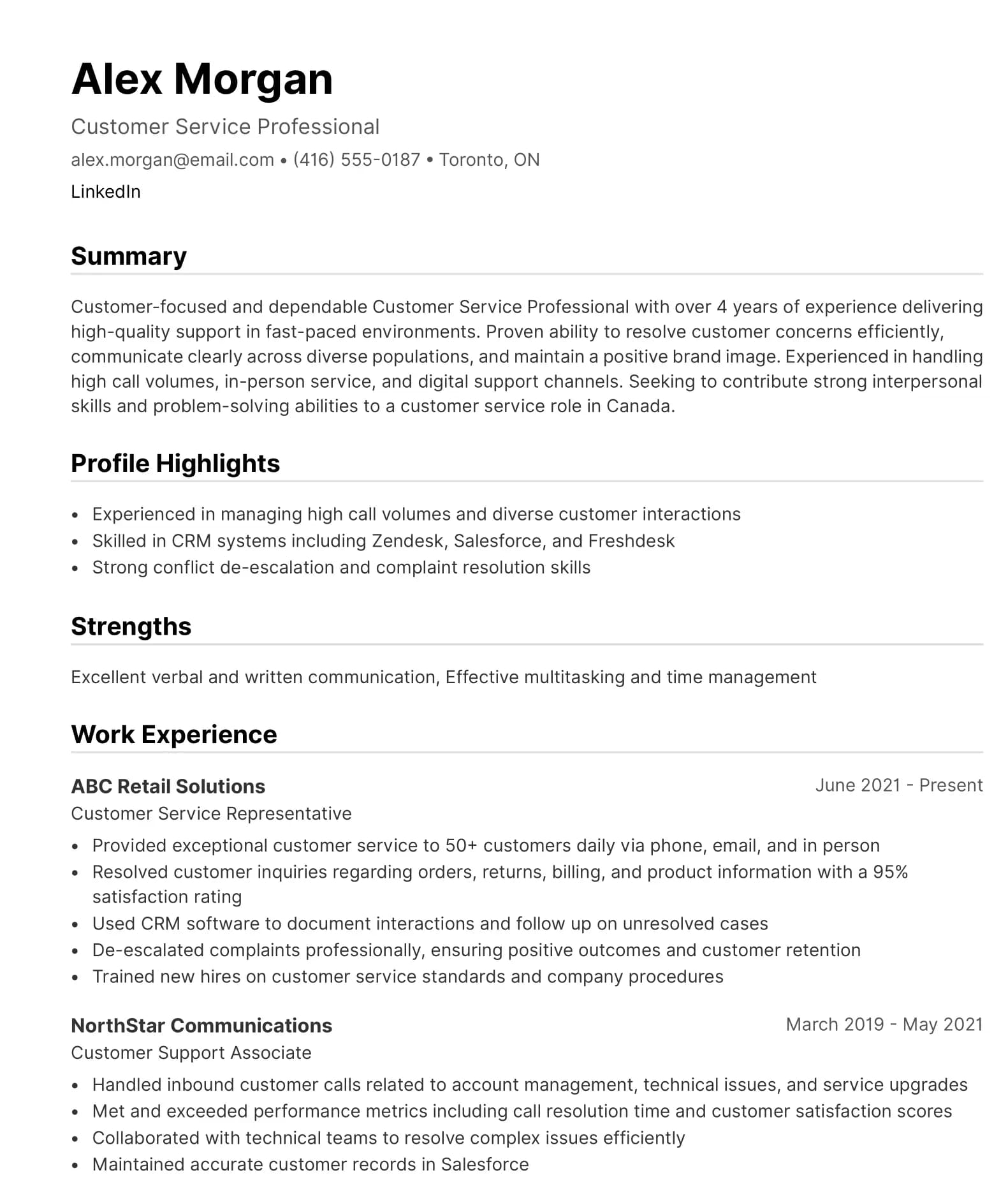
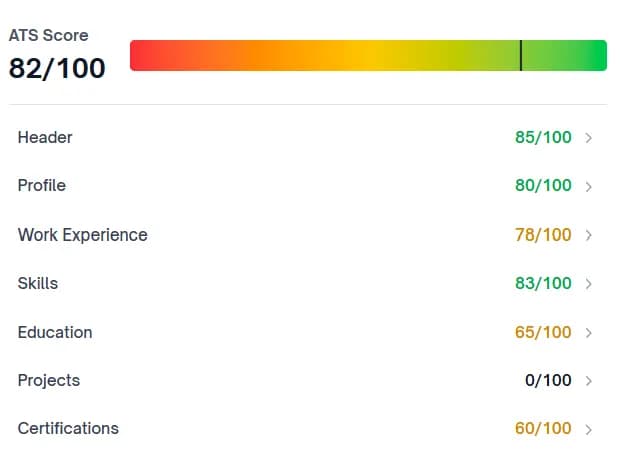
ATS-Optimized resumes That Meet Employer Standards
Our AI-powered scoring system helps organizations assess and standardize resume quality at scale. ATS-compliant templates support consistent formatting, keyword alignment, and interview readiness across cohorts.
What Affected Workers Should Do Immediately
If you've received a layoff notice or anticipate potential job loss, take these steps:
Day 1: Secure Your Information and Clarify Terms
Document everything:
- Get severance terms in writing before signing anything
- Understand health insurance continuation (COBRA in US, provincial coverage in Canada)
- Clarify final pay date, accrued vacation payout, bonus eligibility
- Ask about outplacement services
- Understand non-compete and confidentiality obligations
Preserve work samples:
- Download portfolio pieces (respecting IP agreements)
- Save performance reviews
- Export LinkedIn recommendations
- Screenshot project successes
- Backup professional contacts
Don't sign immediately:
- Take time to review severance agreement
- Consider consulting employment attorney
- Understand what you're waiving
- Negotiate if possible
Week 1: Financial Preparation and Benefits
Assess financial situation:
- Calculate monthly expenses
- Apply for unemployment benefits immediately
- Review health insurance options
- Consider COBRA vs. marketplace plans
- Adjust spending
File unemployment:
- Apply immediately in your state/province
- Gather required documentation
- Understand job search requirements
Week 1-2: Resume and Profile Updates
Update resume immediately:
- Add most recent role and achievements
- Quantify accomplishments with metrics
- Tailor to target roles
- Use Yotru's ATS-optimized resume builder
Optimize LinkedIn:
- Update profile with recent experience
- Set to "Open to Work" (visible to recruiters only)
- Add relevant skills
- Request recommendations
Week 2-4: Network Activation
Reach out strategically:
- Inform close professional contacts
- Ask former colleagues for referrals
- Contact recruiters in your industry
- Join alumni networks
Be specific in requests:
- Identify specific companies and roles you're targeting
- Ask for introductions to hiring managers
- Request informational interviews
Ongoing: Strategic Job Search
Target opportunities systematically:
- Identify 20-30 target companies
- Research hiring managers
- Apply directly on company sites
- Track applications and follow-up
Diversify search strategies:
- Apply to posted positions (20% of effort)
- Network and get referrals (60% of effort)
- Work with recruiters (20% of effort)
Resources for Laid-Off Workers
Job Search Platforms
General:
- LinkedIn - Professional networking and job search
- Indeed - Aggregates postings from multiple sources
- Glassdoor - Company reviews and salary information
- ZipRecruiter - AI-powered job matching
Industry-Specific:
- Dice - Technology roles
- eFinancialCareers - Financial services
- HigherEdJobs - Academic and education
- Idealist - Nonprofit sector
Government Support
United States:
- Department of Labor - Unemployment Insurance
- HealthCare.gov - Marketplace insurance options
- Career OneStop - Career resources and training
Canada:
- Service Canada - Employment Insurance
- Job Bank - Government job board
Career Tools and Support
Resume and Application:
- Yotru - ATS-optimized resume builder with AI feedback
Skill Development:
- Coursera - Online courses and certifications
- LinkedIn Learning - Professional development
- edX - University-level courses
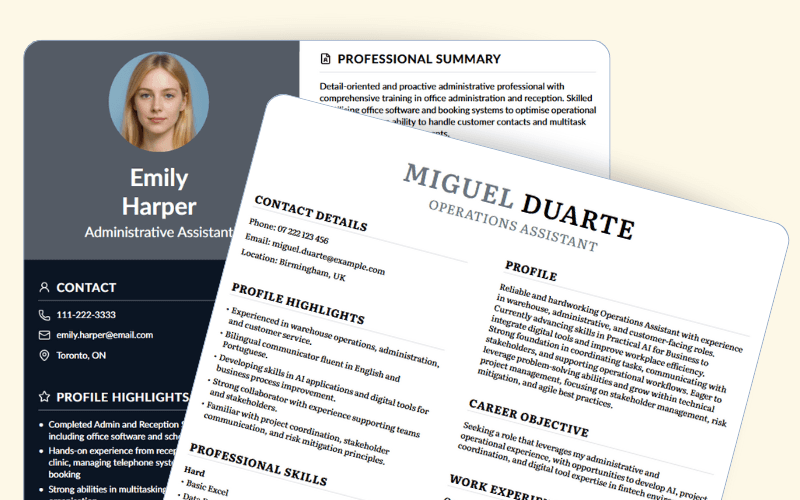
ATS-Optimized resumes That Meet Employer Standards
Our AI-powered scoring system helps organizations assess and standardize resume quality at scale. ATS-compliant templates support consistent formatting, keyword alignment, and interview readiness across cohorts.
Signs Your Company May Be Planning Layoffs
While layoffs often come with little warning, certain signals can indicate potential workforce reductions:
Organizational changes:
- Hiring freezes announced or quietly implemented
- Reorganization and team consolidation
- Leadership changes and executive departures
- Cancelled projects and reduced investment
Financial indicators:
- Declining revenue or missing targets
- Cost-cutting initiatives and budget scrutiny
- Delay or cancellation of raises
Communication shifts:
- Reduced transparency from leadership
- Emphasis on "efficiency" and "doing more with less"
- Sudden focus on performance documentation
Legal Considerations and Rights
Laid-off workers have legal protections and rights:
United States
WARN Act:
- Employers with 100+ employees must provide 60 days notice of mass layoffs
- "Mass layoff" defined as 50+ workers at single site within 30 days
Discrimination protections:
- Age Discrimination in Employment Act (workers 40+)
- Title VII protections
- Americans with Disabilities Act
Canada
Employment Standards:
- Minimum notice periods vary by province
- Severance pay requirements
- Mass termination notice requirements
Human Rights protections:
- Protected grounds vary by province
- Cannot discriminate based on protected characteristics
Long-term Career Resilience Strategies
Beyond surviving a single layoff, build career resilience for an uncertain future:
Develop Portable, In-Demand Skills
Technical skills:
- Cloud computing (AWS, Azure, Google Cloud)
- Data analysis and visualization
- Programming and automation
- Cybersecurity fundamentals
Human skills:
- Communication and presentation
- Leadership and people management
- Strategic thinking and problem solving
Business acumen:
- Financial literacy and budgeting
- Project management methodologies
- Understanding of business models
Build Financial Resilience
Emergency fund:
- Target 6-12 months expenses
- Keep liquid and accessible
- Adjust target based on industry volatility
Diversify income:
- Develop side consulting or freelance work
- Build skills for portfolio career
Manage fixed costs:
- Keep housing costs manageable
- Minimize high-interest debt
Maintain Network Continuously
Stay connected:
- Regularly reach out to former colleagues
- Attend industry events
- Maintain LinkedIn presence
Provide value first:
- Help others with job search
- Share relevant insights
- Mentor junior professionals
Keep Resume Current Always
Update quarterly:
- Add new projects and accomplishments
- Refresh metrics and outcomes
- Adjust for changing industry terminology
Stay interview-ready:
- Practice describing recent work
- Prepare stories demonstrating skills
- Know your market value
Outlook for 2026 and Beyond
Labor market experts and economists offer varied perspectives on what's ahead:
Near-term (Q2-Q3 2026)
Most analysts expect layoff announcements to continue through Q2 2026 as companies finalize annual budgets and restructuring plans.
Medium-term (Late 2026-2027)
The labor market may stabilize as companies complete restructuring initiatives and new business models emerge requiring different skills.
Long-term (2028+)
Structural changes will likely include:
Growing sectors:
- Healthcare and elder care
- Skilled trades
- Green energy and climate adaptation
- AI development and management
- Cybersecurity
Declining sectors:
- Routine administrative work
- Traditional retail and hospitality
- Basic customer service
- Entry-level coding
- Manual data entry
ATS-Optimized resumes That Meet Employer Standards
Our AI-powered scoring system helps organizations assess and standardize resume quality at scale. ATS-compliant templates support consistent formatting, keyword alignment, and interview readiness across cohorts.
Conclusion: Navigating the New Employment Reality
The 2026 layoff wave represents more than cyclical downturn—it reflects fundamental transformation in how work is organized, performed, and valued. Artificial intelligence, global competition, changing consumer preferences, and evolving business models are permanently altering the employment landscape.
For workers facing job loss, this moment is understandably stressful and uncertain. However, it can also represent opportunity to reassess career direction, develop new skills, and explore different industries or roles.
The resources, strategies, and support systems available to laid-off workers today far exceed what existed in previous economic disruptions. Government programs, online learning platforms, professional networks, and career tools make successful transitions more achievable.
As we move through 2026, expect continued labor market turbulence. Stay informed, stay prepared, and remember that career disruption increasingly represents the norm rather than exception. Build resilience, maintain flexibility, and focus on developing capabilities that create value regardless of employer or industry.
About the Author

Team Yotru
Employability Systems
Team Yotru
Employability Systems
We build practical career tools for training providers and workforce programs, combining labor market insights with real employment outcomes. Follow us on LinkedIn.
Frequently Asked Questions
Technology leads with Amazon, Oracle, Shopify, Pinterest, and Ubisoft cutting thousands. Retail follows with Nike/Converse, Eddie Bauer, and Peloton announcing reductions. Financial services (Citigroup, Mastercard, UPS), government agencies (Canadian federal departments, US IRS), and media (Washington Post, Bell Media) also face significant cuts. Manufacturing and automotive sectors see layoffs tied to EV transitions and automation.
Audience Context
This article is written for workers affected by 2026 layoffs across all industries, HR professionals managing workforce transitions, business leaders planning organizational changes, and anyone seeking to understand current employment trends. Provides comprehensive industry context, practical job search guidance, and strategic career planning advice.
Editorial Standards
Yotru content prioritizes accuracy and evidence-based guidance. Layoff reporting verified against Bloomberg, Reuters, CNN Business, official company announcements, and government labor statistics. Industry analysis reflects consensus among labor economists and market analysts. Updated as new information becomes available.
Methodology
This article summarises 2026 layoff announcements using public reporting from outlets such as Reuters, Business Insider and Cheapism, along with specialist layoff trackers. Headcount figures reflect the most recent numbers available at the time of writing and may differ from final totals if companies revise their plans or announce additional cuts. Where possible, we attribute specific layoff numbers to a named source (for example, ‘Reuters reports that…’), and we focus on major, well‑documented announcements rather than every small workforce reduction.
Disclaimer
For informational purposes only. Not legal, financial, or career advice. Severance packages, unemployment eligibility, and legal protections vary by jurisdiction, employment contract, and individual circumstances. Consult qualified legal counsel regarding employment rights and severance negotiations. Consult certified financial advisor for financial planning.
Yotru is not affiliated with any companies or organizations mentioned. External links provided for reference only. Yotru is not responsible for third-party content or its accuracy.
Labor market predictions and future outlook represent informed analysis based on current information but cannot account for unforeseen events or changes in economic conditions.
Further Insights
Layoff Support and Job Search Strategy
- What to Do After a Massive Layoff: A Guide for Moving Forward Comprehensive guide covering immediate steps, financial stabilization, and job search planning after a layoff.
- How to Upskill After a Layoff Practical guidance on identifying skill gaps and pursuing targeted learning during career transitions.
- Resume Builder for Laid-Off Workers: Turning Job Loss Into a Fresh Start How to approach resume building when transitioning from an unexpected job loss.
- Job Search Strategy 2026: How to Stop Wasting Effort and Start Getting Interviews Evidence-based approach to job searching in the current market.
Resume Building and Optimization
- Make Your Resume ATS-Friendly in 5 Minutes: 2025 Guide Quick-start guide to formatting your resume for applicant tracking systems.
- How to Optimize Your LinkedIn Profile Using Your Resume Detailed tactics for aligning your LinkedIn presence with your resume and job search goals.
- How to Handle a Job Gap on Your Resume with Example Wording Practical language for addressing employment gaps resulting from layoffs.
Market Context
- Why It Feels So Hard to Get a Job Right Now Analysis of current labor market conditions and what job seekers can expect.
- Hiring Trends in the United States Overview of hiring conditions across major U.S. industries and regions.
References
- Reuters. (2026, January 28). Factbox: Corporate America continues job cuts in 2026 in efficiency push. U.S. News & World Report. https://money.usnews.com/investing/news/articles/2026-01-28/factbox-corporate-america-continues-job-cuts-in-2026-in-efficiency-p
- Reuters. (2026, January 28). Factbox: Corporate America continues job cuts in 2026 in efficiency push. Yahoo Finance. https://finance.yahoo.com/news/factbox-corporate-america-continues-job-123418734.html
- Business Insider. (2026, February 4). The layoffs list of 2026: Amazon, Pinterest, Saks, and more are cutting jobs. Business Insider. https://www.businessinsider.com/recent-company-layoffs-laying-off-workers-2026
- U.S. News & World Report. (2026, January 28). Corporate America continues job cuts in 2026 in efficiency push. U.S. News & World Report. (Reuters syndicated factbox). https://money.usnews.com/investing/news/articles/2026-01-28/factbox-corporate-america-continues-job-cuts-in-2026-in-efficiency-p
- Cheapism. (2026, February 4). 2026 layoffs: A list of major U.S. companies affected. Cheapism. https://www.cheapism.com/2026-layoffs-major-american-companies/
Maintained by: Yotru Career Research and Development Team
Review cycle: Reviewed regularly to reflect market changes
Last updated: February 10, 2026
Questions or Need Support?
If you are working on employability programs, hiring strategy, career education, or workforce outcomes and want practical guidance, you are in the right place.
Yotru supports individuals and organizations navigating real hiring systems. That includes resumes and ATS screening, career readiness, program design, evidence collection, and alignment with employer expectations. We work across education, training, public sector, and industry to turn guidance into outcomes that actually hold up in practice.