
Market
6 min read
UPS Layoffs 2026: What 30,000 Job Cuts and 24 Facility Closures Mean for Employees
Synopsis
UPS is cutting up to 30,000 jobs and closing 24 facilities in 2026. This guide explains what non-unionized employees in Canada may be owed in severance.
Key Insight
This article explains what UPS layoffs 2026 means for workers in Canada, particularly non-unionized employees who may be entitled to severance pay beyond what their employer initially offers.
UPS announced on January 27, 2026 that it plans to cut up to 30,000 jobs and close 24 facilities in the first half of the year, with additional closures possible later. According to NBC News, this follows the 48,000 positions eliminated in 2025 and 93 facility closures during that same period.
The cuts are tied to UPS's decision to reduce shipments from Amazon, its largest customer, by 50%. Company leadership has described Amazon's business as "extraordinarily dilutive" to profit margins. Chief Financial Officer Brian Dykes stated during the earnings call that the workforce reduction will be accomplished through attrition and a second voluntary separation program for full-time drivers.
Important
This article provides general information about employment rights for non-unionized workers in Canada. If you are a unionized employee, your rights are governed by your collective agreement and you should contact your union representative. Individual circumstances vary, and this is not legal advice.
What Is Happening at UPS in 2026?
UPS is in the midst of a multi-year restructuring that has already reshaped its workforce significantly. The company eliminated 48,000 positions in 2025 (34,000 operational roles and 14,000 management positions) and closed 93 facilities. The 2026 job cuts represent a continuation of this strategy, with up to 30,000 additional operational positions being eliminated.
The primary driver is UPS's deliberate reduction of Amazon package volume. The company set a goal of cutting Amazon deliveries by 50% by the second half of 2026, shifting toward higher-margin shipments instead. CFO Brian Dykes noted that UPS expects to reduce total operational hours by approximately 25 million in connection with the Amazon decline.
In addition to workforce reductions, UPS has identified 24 buildings for closure in the first half of 2026, with additional closures under evaluation for later in the year. The company is also accelerating automation across its network as part of a broader cost-cutting strategy targeting $3 billion in savings this year.
For affected workers, the practical reality is that these cuts will impact drivers, warehouse workers, package handlers, and related operational roles across the company's global network of approximately 490,000 employees.
Are UPS Jobs in Canada Affected?
UPS operates across Canada with approximately 13,000 employees, according to company information. While UPS has not disclosed specific numbers for Canadian workforce reductions, the global nature of the restructuring means Canadian workers may be impacted.
The company's announcement referenced North American operations broadly, and facility closures in 2025 affected locations across multiple regions. Canadian workers at UPS should be aware that the same operational pressures driving cuts in the United States, including reduced Amazon volume and increased automation, apply to Canadian operations as well.
For non-unionized employees in Canada, understanding your rights is important regardless of whether specific Canadian layoff numbers have been announced. If your position is eliminated or you are offered a severance package, you may be entitled to more than the initial offer suggests.
Rights of Non-Unionized UPS Employees in Canada
If you are a non-unionized employee at UPS in Canada and your position is eliminated, you have rights under both provincial employment standards legislation and common law. Understanding the difference between these two frameworks is essential to evaluating any severance offer you receive.
Severance Pay When You Lose Your Job
In Canada, non-unionized employees who are terminated without cause are typically entitled to severance pay. The amount depends on several factors, and there are two separate legal frameworks that apply:
Provincial minimums: Each province sets minimum severance or termination pay requirements. In Ontario, for example, employees with at least five years of service at an employer with a payroll of $2.5 million or more are entitled to one week of severance pay per year of service, up to 26 weeks maximum. This is in addition to termination pay, which can be up to 8 weeks under the Employment Standards Act.
Common law entitlements: Courts in Canada have consistently held that non-unionized employees may be entitled to significantly more than statutory minimums. Common law severance (often called "reasonable notice") considers factors including:
- Length of service
- Age at termination
- Type of position and level of responsibility
- Availability of comparable employment in your field
Under common law, employees in Ontario, Alberta, and British Columbia may be entitled to up to 24 months of severance pay in some circumstances. The amount depends on individual factors, not a fixed formula.
Many employers offer only the statutory minimum when presenting severance packages. Employees who sign these offers without understanding their full entitlements may leave significant compensation on the table.
Wrongful Dismissal vs. Layoff
A wrongful dismissal occurs when an employer terminates a non-unionized employee without cause but does not provide adequate severance or notice. Even if your termination is called a "layoff" by your employer, you may have grounds for a wrongful dismissal claim if:
- The severance offered does not reflect your common law entitlements
- You are not recalled to work within the legally permitted layoff period
- Your employer made fundamental changes to your job without consent (constructive dismissal)
In Ontario, a temporary layoff can last up to 13 weeks in a 20-week period (or 35 weeks in 52 weeks if benefits are continued). In Alberta, the maximum is 90 days in a 120-day period. If a layoff extends beyond these limits and you are not recalled, it becomes a termination and you may be entitled to full severance pay.
Unionized vs. Non-Unionized: Key Difference
If you are a member of the Teamsters or another union at UPS, your employment rights are governed by your collective bargaining agreement. Disputes about termination, severance, and working conditions must be handled through the union's grievance process, not through individual legal action or employment standards complaints.
This article addresses the rights of non-unionized employees only. If you are unionized, contact your union representative for guidance on your specific situation.
Pro Tip
* INFO BOX * Pro Tip In Canada, non-unionized employees generally have up to two years from the date of termination to pursue proper severance pay through legal channels. Do not assume that signing a release is required immediately. Take time to understand your options.
What to Do If You Are Impacted by UPS Layoffs
If your position is eliminated as part of the UPS layoffs 2026, taking the right steps early can protect your interests and help ensure you receive appropriate compensation.
- Do not sign anything immediately. Employers often present severance packages with short deadlines, but you are not legally required to sign within a few days. Review the offer carefully and understand what you are being asked to release before agreeing.
- Gather your employment documents. Collect copies of your employment contract, offer letter, recent pay stubs, any written performance reviews, and records of bonus or commission payments. These documents are essential for evaluating whether a severance offer is adequate.
- Request details in writing. Ask your employer to provide the terms of any severance offer in writing, including the amount offered, the continuation of benefits (if any), and any conditions attached to receiving the payment.
- Understand what you may be owed. Statutory minimums are only a floor. Your common law entitlements may be substantially higher depending on your age, length of service, position, and the availability of comparable work. An employment lawyer can help you understand the difference.
- Consider getting a professional review. Before signing a severance agreement, have it reviewed by an employment lawyer who understands the laws in your province. Many lawyers offer consultations specifically for severance package review.
For more on managing a job loss, see Yotru's guide on what to do after a massive layoff.
Next Steps for Affected Workers
The UPS layoffs 2026 announcement affects tens of thousands of workers globally, and the practical impact on individual employees will depend on their specific roles, locations, and employment status. For non-unionized workers in Canada, understanding your rights is the first step toward ensuring you receive fair treatment.
If you have been affected by a layoff or anticipate being impacted, consider consulting with an employment lawyer in your province who can evaluate your specific situation. You can also use Yotru's tools to update your resume and prepare for your next opportunity.
For broader context on the current job market, see our guides on hiring trends in Canada and job search strategies that are working now.
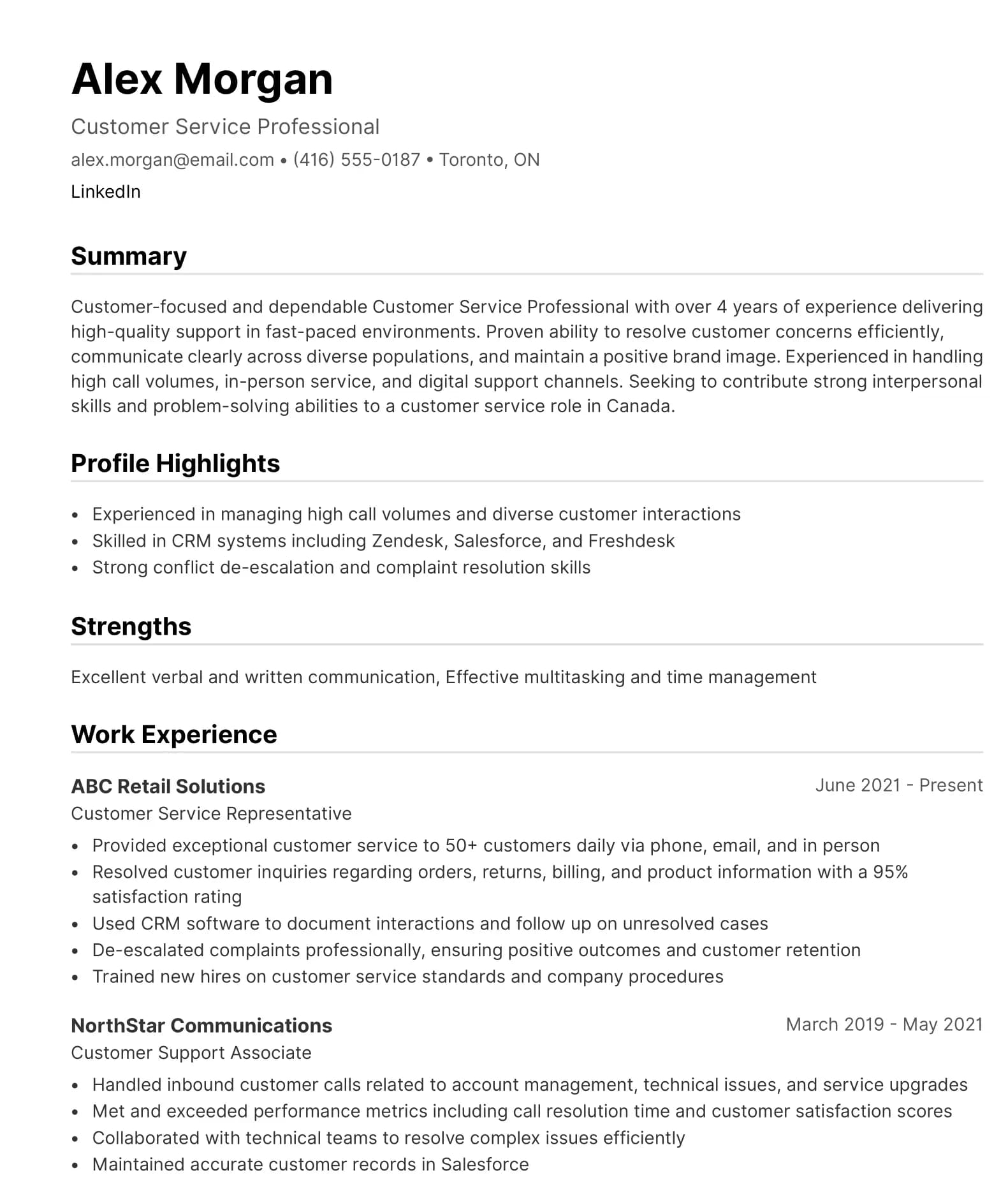
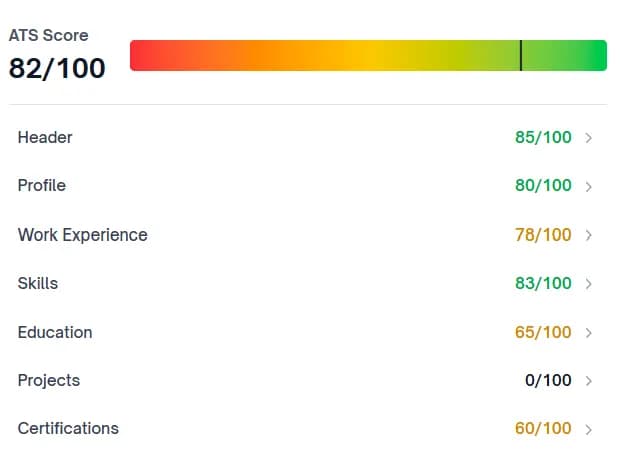
ATS-Optimized resumes That Meet Employer Standards
Our AI-powered scoring system helps organizations assess and standardize resume quality at scale. ATS-compliant templates support consistent formatting, keyword alignment, and interview readiness across cohorts.
About the Author

Team Yotru
Employability Systems
Team Yotru
Employability Systems
We build practical career tools for training providers and workforce programs, combining labor market insights with real employment outcomes. Follow us on LinkedIn.
Frequently Asked Questions
UPS plans to cut up to 30,000 jobs in 2026, primarily operational roles including drivers and warehouse workers. The cuts are driven by the company's decision to reduce Amazon package volume by 50%, shifting toward higher-margin shipments. UPS is also closing 24 facilities in the first half of 2026 and expanding automation across its network. This follows 48,000 job cuts in 2025.

Audience Context
This article is written for non-unionized UPS employees in Canada who may be affected by the 2026 layoffs and want to understand their severance rights. It provides general information about employment law in Ontario, Alberta, and British Columbia.
Editorial Standards
Yotru content prioritizes accuracy, neutrality, and evidence-based guidance. This article does not provide legal advice for any specific individual situation. Readers should consult with a qualified employment lawyer for advice on their particular circumstances.
Methodology
Information is drawn from UPS's earnings call on January 27, 2026, news coverage from major outlets (NBC News, CBS News, CNBC, The Washington Post), and official Canadian government resources on employment standards and termination rights.
Disclaimer
This article is for general informational purposes only and is not legal advice. The information provided applies to non-unionized employees in Canada and may not reflect the specific terms of any individual's employment contract or collective agreement. Employment law varies by province, and individual outcomes depend on specific circumstances. Consult a qualified employment lawyer in your province for advice on your situation.
Further Insights
Career Transition and Layoff Support
- What to Do After a Massive Layoff — Practical steps for managing job loss and planning your next move
- Resume Builder for Laid-Off Workers — How to position your experience after an unexpected termination
- How to Upskill After a Layoff — Building new skills during career transitions
- How to Handle a Job Gap on Your Resume — Addressing employment gaps effectively
Job Search and Resume Preparation
- Job Search Strategy 2026 — Current tactics for finding work in a changing market
- Make Your Resume ATS-Friendly — Formatting your resume to pass applicant tracking systems
- How to Write a Forklift Operator Resume — Resume guidance for warehouse and logistics roles
Canadian Labor Market
- Hiring Trends in Canada — Overview of the Canadian job market
- Hiring Trends in Ontario — Provincial labor market conditions
- Why It Feels So Hard to Get a Job Right Now — Context on current hiring challenges
References
- NBC News. (2026, January 27). UPS to cut up to 30,000 jobs in move away from Amazon. https://www.nbcnews.com/business/consumer/ups-job-cuts-amazon-rcna256143
- CBS News. (2026, January 27). UPS to slash workforce by up to 30,000 jobs this year. https://www.cbsnews.com/news/ups-layoffs-30000-company-cfo-says/
- CNBC. (2026, January 27). UPS to cut additional 30,000 jobs in Amazon unwind, turnaround plan. https://www.cnbc.com/2026/01/27/ups-job-cuts-amazon-unwind-turnaround-plan.html
- The Washington Post. (2026, January 27). UPS will slash 30,000 jobs amid ongoing split with Amazon. https://www.washingtonpost.com/business/2026/01/27/ups-layoffs-amazon/
- Government of Canada. (n.d.). Termination, layoff or dismissal. Canada.ca. https://www.canada.ca/en/services/jobs/workplace/federal-labour-standards/termination.html
- Government of Ontario. (2025, November 26). Severance pay. Your Guide to the Employment Standards Act. https://www.ontario.ca/document/your-guide-employment-standards-act-0/severance-pay
- Government of Ontario. (2025, December 1). Termination of employment. Your Guide to the Employment Standards Act. https://www.ontario.ca/document/your-guide-employment-standards-act-0/termination-employment
- Government of Alberta. (n.d.). Employment standards – Termination and lay-off. Alberta.ca. https://www.alberta.ca/employment-standards-termination-and-lay-off
- Achkar Law. (2026). Severance pay in Ontario: What employees are actually entitled to. https://achkarlaw.com/insights/ontario/severance-pay/
- Monkhouse Law. (2025, November 14). Am I entitled to severance pay in Ontario? https://www.monkhouselaw.com/am-i-entitled-to-severance-pay/
Maintained by: Research & Insights Group at Yotru
Review cycle: Reviewed regularly to reflect market changes
Last updated: January 31, 2026
Questions or Need Support?
If you are working on employability programs, hiring strategy, career education, or workforce outcomes and want practical guidance, you are in the right place.
Yotru supports individuals and organizations navigating real hiring systems. That includes resumes and ATS screening, career readiness, program design, evidence collection, and alignment with employer expectations. We work across education, training, public sector, and industry to turn guidance into outcomes that actually hold up in practice.