
Market
8 min read
PSPC Layoffs 2026: What to Do If You Received an Affected Letter
Synopsis
More than 1,000 Public Services and Procurement Canada (PSPC) employees have received workforce adjustment (WFA) notices as part of federal government plans to reduce the public service by approximately 40,000 positions by 2028‑29.
Key Insight
This guide explains what the PSPC cuts mean, what your options are under the workforce adjustment framework, and how to position yourself for redeployment within the federal government or opportunities outside the public service.
If you work at Public Services and Procurement Canada and recently received an affected letter, you are one of over a thousand employees navigating the same uncertainty. PSPC is implementing significant workforce reductions as part of the federal government's broader expenditure review, and the process has already begun.
Important
An affected letter does not mean you have been laid off. It signals that your position may be impacted by organizational changes. The formal workforce adjustment process provides structured options and time to plan your next steps.
What Happened at PSPC
Public Services and Procurement Canada is planning to eliminate approximately 1,090 positions as part of the government-wide expenditure review announced in Budget 2025. According to news reports, the department has already cut around 329 roles since April 1, 2025, including approximately 29 executive positions.
To implement the remaining reductions, PSPC has issued about 1,153 affected letters to employees whose positions may be impacted. The department expects to save hundreds of millions of dollars over several fiscal years through these workforce changes.
PSPC's deputy minister, Arianne Reza, communicated with staff about the cuts, emphasizing that the department remains committed to supporting employees through the transition and directing them to internal resources.
PSPC joins a growing list of federal departments issuing workforce adjustment notices as part of the government's plan to reduce the public service from a peak of approximately 368,000 positions in 2023-24 to around 330,000 by 2028-29. Other departments with significant WFA activity include:
- Health Canada: Over 1,000 employees notified (see WFA guide)
- Statistics Canada: Over 1,900 CAPE members received notices
- Shared Services Canada: Over 1,200 employees affected
- Innovation, Science and Economic Development: 1,100 employees notified
- Natural Resources Canada: Over 400 notices issued
For broader context on the federal public service reductions, see the Ottawa federal job cuts overview.
What an Affected Letter Actually Means
Receiving an affected letter from PSPC does not mean you have been terminated. It means your position has been identified as potentially impacted by organizational changes. The formal workforce adjustment process, outlined in collective agreements and the NJC Work Force Adjustment Directive, provides structured options and defined timelines.
Important
An affected letter is the beginning of a process, not an endpoint. Depending on your situation, you may be redeployed, offered alternate positions, or given time and support to find a new role inside or outside the federal government.
The workforce adjustment process typically results in one of two status designations:
Surplus with a guarantee of a reasonable job offer: The employer commits to finding you an alternative position within the core public administration, normally at an equivalent level. You retain your salary and benefits during this period.
Opting status: You must choose from a defined set of options within 120 days. These typically include:
- A 12-month paid surplus priority entitlement to find another federal position
- A transition support measure (a lump-sum payment based on years of service)
- An education allowance for approved retraining programs
Not everyone who receives an affected letter will ultimately lose their position. Some employees will be redeployed to other roles within PSPC or other departments. Others may use alternation agreements, where they exchange positions with employees who wish to leave voluntarily.
Pro Tip
The process unfolds over months, not days. Use this time strategically to update your resume, explore internal opportunities, and understand your options before making decisions.
Your Options During the WFA Process
Understanding your options helps you make informed decisions. The specific choices available depend on your employment status, classification, and collective agreement.
If you receive surplus priority status:
You gain preferential access to federal job competitions across the core public administration. When positions become available at your substantive level, you must be considered before external candidates. This priority typically lasts 12 months.
The priority system works best when you actively search and apply. Monitor GC Jobs regularly, set up alerts for positions matching your classification, and apply promptly to postings that align with your qualifications.
If you are declared opting:
You have 120 days to select from the options in your collective agreement. Take time to understand each choice before deciding:
- Surplus priority entitlement: 12 months of paid time to find another federal position, with priority consideration in competitions
- Transition support measure: A cash payment calculated based on your years of service, typically equivalent to several weeks or months of salary
- Education allowance: Funding for approved training or education programs that support your career transition
Each option has trade-offs. The priority entitlement preserves your public service career but requires active job searching. The transition payment provides immediate financial support but ends your employment relationship. The education allowance invests in your future skills but requires commitment to a training program.
Alternation agreements:
In some cases, you may be able to exchange positions with an employee in a non-affected role who wishes to leave the public service. This can preserve your employment while allowing another employee to take the surplus designation and access transition benefits.
For detailed guidance on your specific situation, consult your union representative (PSAC, PIPSC, or CAPE, depending on your classification) and review the Government of Canada workforce adjustment information.
How This Affects Your Career Options
Whether you pursue redeployment within the federal government or explore opportunities outside the public service, the current environment creates both competition and openings.
Inside government:
With thousands of employees across multiple departments entering the priority system simultaneously, competition for remaining positions is significant. Your resume needs to clearly communicate your classification, competencies, and experience in language that matches federal job posters.
PSPC employees have transferable skills valued across the government. Procurement expertise, contract management, real property knowledge, project management, and financial oversight are needed in multiple departments.
Outside government:
Your PSPC experience translates to roles in provincial governments, Crown corporations, consulting firms, and private sector organizations that work with government. Procurement professionals, IT project managers, real property specialists, and policy analysts from PSPC are sought after by:
- Provincial and municipal governments
- Consulting firms with federal contracts
- Private sector procurement and supply chain organizations
- Crown corporations and agencies
- Non-governmental organizations working with government
The key challenge is translating federal terminology and processes into language that external employers understand. "Procured goods and services under PSPC standing offers" becomes "managed vendor relationships and procurement contracts worth $X million."
How to Update Your Resume After a WFA Notice
If you received a PSPC affected letter, your resume likely needs attention. Federal roles use specific language, classifications, and competency frameworks that don't automatically translate to either external employers or other federal competitions.
For federal competitions:
Your resume should reflect the language used in federal job posters. Include your classification history (AS-05, PG-04, CS-03, etc.), clearly articulate your competencies, and demonstrate how your experience meets the essential qualifications and asset qualifications in postings.
Use the same terminology that appears in job posters. If a posting asks for "experience in procurement processes," your resume should explicitly describe your procurement experience using similar phrasing.
For external opportunities:
Translate internal titles, acronyms, and program names into plain language. External employers won't recognize "managed TBIPS task authorizations" but will understand "oversaw IT service contracts and vendor performance."
Quantify your achievements wherever possible:
- Dollar value of contracts or projects managed
- Number of procurements processed or contracts awarded
- Team size supervised or stakeholders coordinated
- Process improvements implemented and their impact
Addressing the WFA situation:
If asked about your departure, explain briefly and neutrally: "My position was affected by government-wide workforce reductions in 2026." Mass layoffs resulting from organizational restructuring are understood by employers and carry no stigma.
Avoid over-explaining or sounding defensive. Focus on what you accomplished in your role and what you bring to a new position.
Pro Tip
Prepare two resume versions: one optimized for federal competitions (with classifications, competencies, and GC language) and one for external opportunities (focused on transferable skills and quantified accomplishments).
For guidance on translating federal experience into effective resumes, see the Ottawa federal job cuts resume examples.
What to Do This Week
If you recently received an affected letter from PSPC, here are practical steps to take now.
Immediate actions (Days 1-7):
- Read your letter carefully. Confirm what status you have been assigned or whether you are awaiting further classification
- Contact your union representative. PSAC, PIPSC, or CAPE can explain your specific options, timelines, and collective agreement provisions
- Gather documentation. Collect performance reviews, job descriptions, project records, letters of offer, and any awards or recognition. You may need these for priority applications or to demonstrate your qualifications
- Review the official WFA guidance. The Government of Canada workforce adjustment page explains the process and timelines
Resume and career preparation (Days 7-30):
- Update your resume. Don't wait for clarity on your final status. Having a current, well-structured resume gives you more options regardless of how your situation unfolds
- Set up GC Jobs alerts. If you receive surplus priority, you'll want to apply quickly when matching positions appear. Having alerts configured saves time
- Audit your competencies. Review your performance agreements and identify the competencies you can demonstrate. Federal competitions often require specific competency examples
- Start networking. Reach out to colleagues in other departments, former PSPC employees who have transitioned, and contacts in organizations where your skills might be valued
If exploring external opportunities:
- Update your LinkedIn profile with external-friendly language
- Research organizations that regularly hire from the federal government
- Connect with recruiters who specialize in public sector transitions
- Consider whether your skills align with provincial government, consulting, or private sector procurement roles
If you're still processing the news, you may find the broader Ottawa federal job cuts guide helpful for understanding the context and timeline.
Where PSPC Employees Commonly Go Next
PSPC's diverse functions mean employees have varied career paths depending on their specialization.
Procurement and contracting professionals often move to:
- Other federal departments with procurement needs
- Provincial and municipal governments
- Crown corporations
- Consulting firms supporting government procurement
- Private sector supply chain and vendor management roles
IT and digital services staff find opportunities in:
- Shared Services Canada and other departments
- Technology consulting firms
- Private sector IT organizations
- Fintech and GovTech companies
Real property specialists transition to:
- Public Works roles in other jurisdictions
- Commercial real estate organizations
- Property management firms
- Infrastructure consulting
Project managers and policy analysts have broad options across:
- Federal, provincial, and municipal governments
- Non-profit organizations
- Consulting firms
- Private sector organizations with complex project needs
The key is identifying how your specific PSPC experience translates to roles in your target sector. For most employees, the skills developed in federal government work are transferable; the challenge is communicating them effectively.
Support Resources
Beyond immediate career planning, workforce transitions can affect multiple aspects of life.
Union resources:
Your union (PSAC, PIPSC, or CAPE) provides guidance on WFA processes, collective agreement rights, and member support services. Contact your local representative early in the process.
- PSAC Workforce Adjustment Guide
- PIPSC WFA FAQs for Indeterminate Employees
- CAPE Workforce Adjustment FAQs
Government resources:
- Employee Assistance Program (EAP): Confidential counseling and support services
- Federal Public Service Health Care Plan: Information about benefits continuation
- Public Service Pension Centre: Guidance on pension implications
Career development:
- GC Jobs: Federal job postings where priority candidates are considered first
- Job Bank: Federal job board including private sector opportunities
Financial planning:
If you're considering the transition support measure or anticipating a gap in employment, consulting a financial advisor can help you understand the implications for your budget, benefits, and long-term financial plan.
A Simple Next Step (When You're Ready)
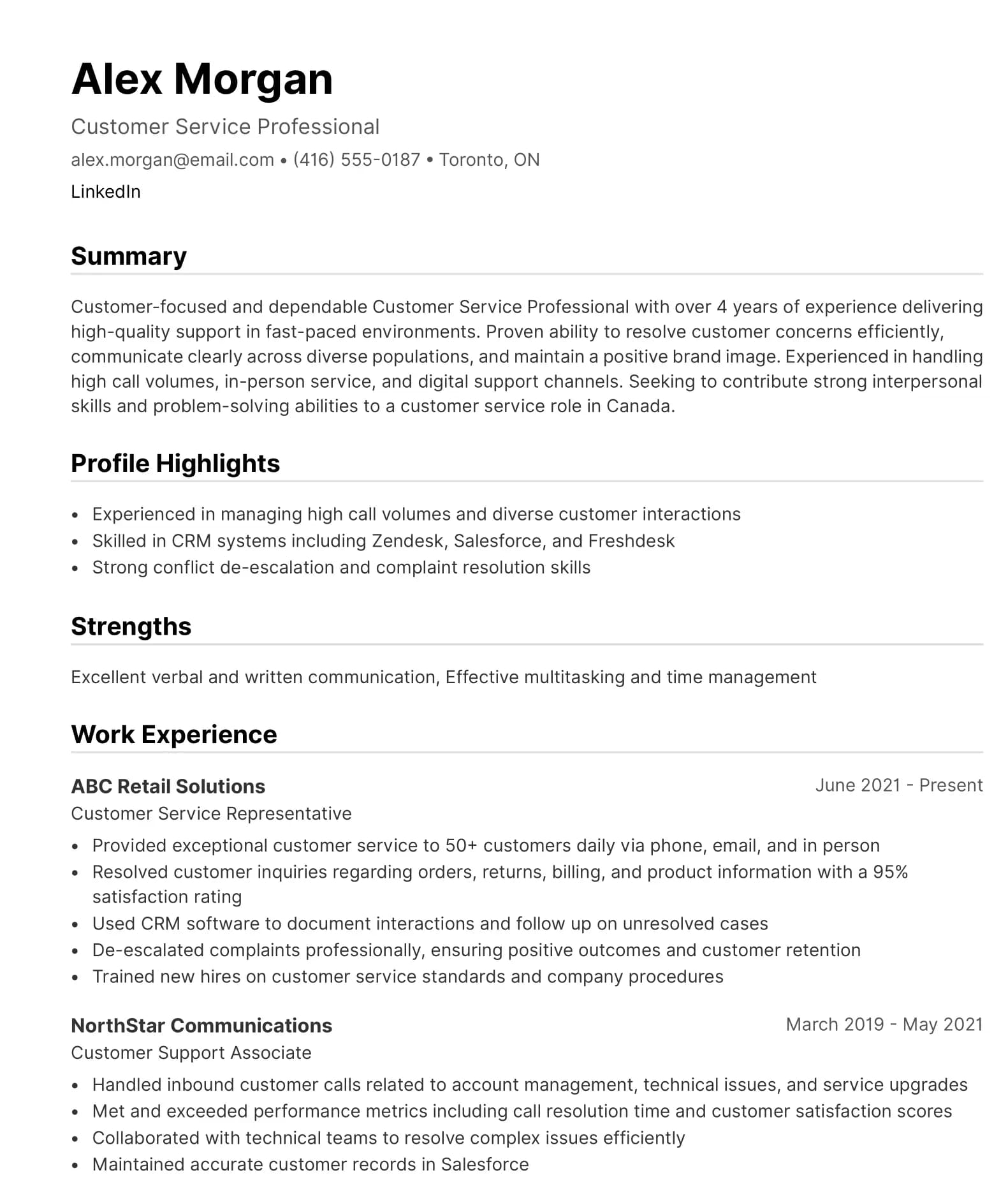
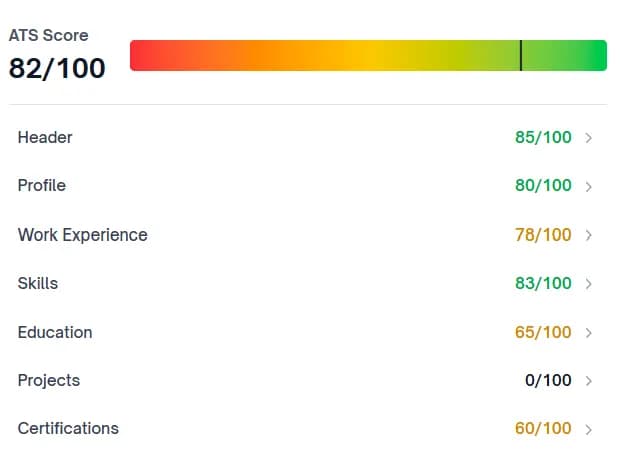
If you want to see how your current resume performs against applicant tracking systems and federal job requirements, you can upload it to Yotru for a review. The tool highlights practical improvements for both internal redeployment and external applications.
Many federal employees find it helpful to review their resume early in the WFA process, before any application deadlines apply. There's no pressure to apply anywhere immediately. This is about understanding where you stand and identifying gaps before they become urgent.
ATS-Optimized resumes That Meet Employer Standards
Our AI-powered scoring system helps organizations assess and standardize resume quality at scale. ATS-compliant templates support consistent formatting, keyword alignment, and interview readiness across cohorts.
About the Author

Team Yotru
Employability Systems
Team Yotru
Employability Systems
We build practical career tools for training providers and workforce programs, combining labor market insights with real employment outcomes. Follow us on LinkedIn.
Frequently Asked Questions
Common questions about workforce adjustment notices and job cuts in Ottawa's public service
An affected letter means your position has been identified as potentially impacted by workforce reductions. It does not mean you have been terminated. You will receive further information about your specific status (surplus with guarantee, opting, etc.) and the options available to you under the workforce adjustment process.
Audience Context
This article is written for PSPC employees who have received affected letters or workforce adjustment notices as part of the 2026 federal expenditure reductions. It is intended for employees across classifications, including procurement, IT, real property, policy, and administrative functions, who are navigating uncertainty about their positions and considering options within or outside the federal government.
Editorial Standards
Yotru publishes workforce and employability content grounded in verifiable policy, institutional processes, and practical hiring realities. This article avoids speculation, fear-based framing, or prescriptive career outcomes. It distinguishes clearly between confirmed policy, common practice, and informed guidance. References are limited to credible government, union, and established media sources.
Methodology
The analysis is based on a review of official Government of Canada workforce adjustment directives, collective agreement provisions, news coverage of PSPC workforce reductions, and publicly available union communications. The career and resume guidance reflects observed federal hiring workflows, priority entitlement mechanics, and common transition patterns of public servants moving to other departments or external roles.
Disclaimer
This article is provided for general informational purposes only and does not constitute legal, union, or career advice. Workforce adjustment outcomes vary by classification, collective agreement, and individual circumstances. Readers should consult official Treasury Board guidance, their union representatives, and departmental HR advisors for advice specific to their situation.
Further Insights
Resume Building and Optimization
- Ottawa Federal Job Cuts: Resume Examples - Resume guidance and examples for federal employees facing WFA
- Resume Builder for Canada: How to Create a Job Bank Approved Resume - Building resumes for Canadian job applications
Market and Workforce Guidance
- Ottawa Federal Job Cuts Overview - Broader context on federal workforce reductions in Ottawa
- Health Canada Layoffs 2026: WFA Guide - Similar guidance for Health Canada employees
- What to Do After a Massive Layoff: A Guide for Moving Forward - General guidance for career transitions after layoffs
- How to Upskill After a Layoff - Options for skill development during transitions
- Hiring Trends in Canada - Current Canadian labor market context
- HR and Layoffs: Lessons for Leaders and Tools for Workers - Resources for navigating workforce transitions
References
References
- Public Services and Procurement Canada job cuts news coverage - News report on PSPC eliminating 761 positions and issuing 1,153 affected letters
- Federal public service job cuts overview - CBC coverage of broader federal workforce reductions
- Federal layoff notices coverage - CTV overview of workforce adjustment notices across departments
- PIPSC statement on federal job cuts - Union perspective on public service reductions
- Government of Canada: Workforce Adjustment - Official TBS guidance on the WFA process
- NJC Work Force Adjustment Directive - National Joint Council directive governing workforce adjustment
- PSPC layoff legal explainer - Samfiru Tumarkin overview of PSPC workforce reductions and employee rights
- Federal public servant job cuts overview - Broader context on 2026 federal workforce reductions
- Severance for federally regulated employees - Background on severance entitlements for federal workers
Maintained by: Yotru Career Research and Development Team
Review cycle: Reviewed regularly to reflect market changes
Last updated: January 23, 2026
Questions or Need Support?
If you are working on employability programs, hiring strategy, career education, or workforce outcomes and want practical guidance, you are in the right place.
Yotru supports individuals and organizations navigating real hiring systems. That includes resumes and ATS screening, career readiness, program design, evidence collection, and alignment with employer expectations. We work across education, training, public sector, and industry to turn guidance into outcomes that actually hold up in practice.