Market
5 min read
Hiring Trends in the US for 2026: Selective Hiring, Uneven Demand
Synopsis
U.S. labor market in 2026 shows easing demand, job openings falling from 10M+ to the high-7M range, moderating wages, and persistent shortages in healthcare, construction, logistics, and tech roles.
This article provides a qualitative overview of U.S. hiring trends based on publicly available labor market data, economic forecasts, and institutional analysis. It is intended to support workforce planning and decision-making rather than formal forecasting or statistical prediction. This assessment reflects conditions and projections as of late 2025; labor market outcomes may vary by region, sector, and evolving economic or policy conditions.
ATS-Optimized resumes That Meet Employer Standards
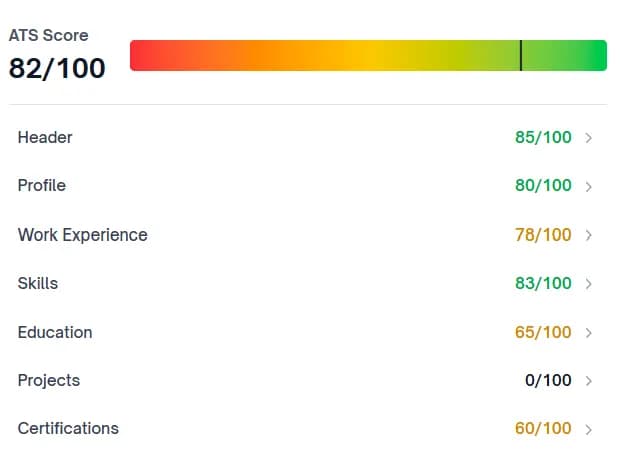
Our AI-powered scoring system helps organizations assess and standardize resume quality at scale. ATS-compliant templates support consistent formatting, keyword alignment, and interview readiness across cohorts.
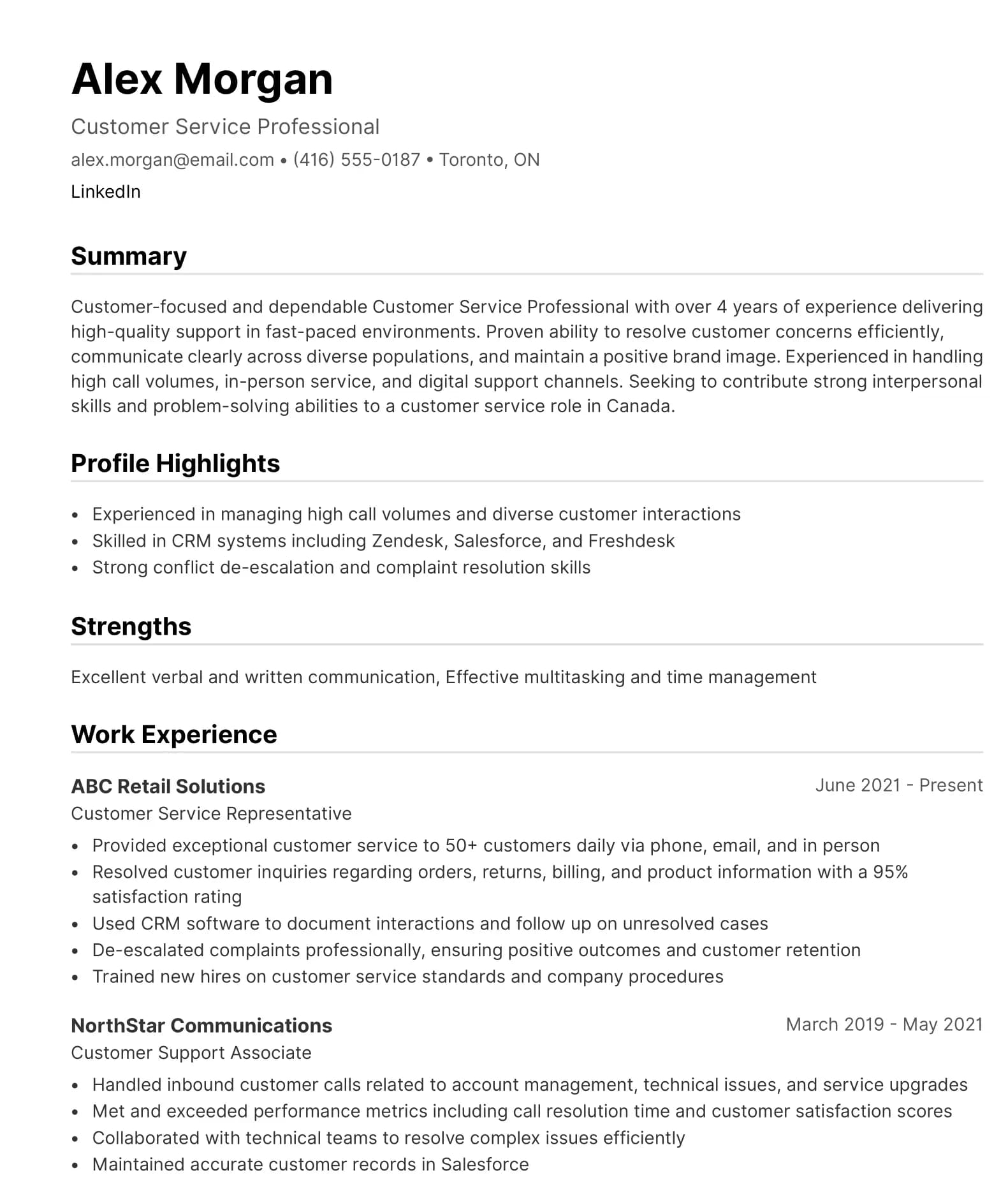
The U.S. labor market enters 2026 in a more uneven and selective phase. Hiring growth has cooled from post-pandemic highs, job openings have declined, and employers are exercising greater caution. At the same time, demand for specific skills remains strong, and expectations around job readiness, relevance, and adaptability continue to rise.
This assessment focuses on cross-cutting national trends, rather than state- or industry-specific forecasts.
What follows is a snapshot of the forces shaping recruitment, workforce strategy, and career outcomes across the United States in 2026.
1. Demand remains strong for skilled and technical roles
Despite slower overall job growth, demand continues in sectors facing structural shortages rather than cyclical expansion.
Health care, engineering, logistics, construction, and parts of technology remain under sustained pressure. Roles such as nurses, allied health professionals, skilled trades workers, engineers, and supply-chain specialists continue to be difficult to fill. Demand is driven by demographic aging, infrastructure investment, and long-term service needs rather than short-term economic momentum.
Health care and construction are among the sectors at highest risk of persistent shortages over the next decade, according to analysis from organizations such as the Bipartisan Policy Center, reflecting demographic pressure and long training pipelines.
So what
- For job seekers: Skills tied to regulated or mission-critical services remain resilient.
- For employers: Shortages persist even as headline hiring slows.
2. Digital capability matters, but AI adoption is uneven
Artificial intelligence is increasingly present across parts of the economy, particularly in professional services, finance, technology, and large organizations. However, adoption remains uneven by industry and firm size.
Most employers value digital literacy, adaptability, and comfort with technology. Familiarity with AI tools is an advantage in some roles, but it is not a universal requirement. For most occupations, technology is augmenting work rather than replacing it, and employers are hiring for comfort with digital tools rather than deep AI expertise.
So what
- For job seekers: Digital fluency helps, but depth and role relevance matter more than buzzwords.
- For employers: AI strategy is incremental for most roles, not transformational.
3. Skills-based hiring expands, with clear limits
More employers are emphasizing demonstrable skills, certifications, and relevant experience, especially in private-sector and technical roles. This is most visible in areas such as technology, customer support, operations, and logistics, where employers are more willing to consider non-degree candidates who can prove capability.
At the same time, formal degrees remain central in regulated professions, many leadership roles, and much of the public sector. Skills-based hiring complements, rather than replaces, traditional credential pathways.
So what
- For job seekers: Evidence of capability matters, but credentials still gate many roles.
- For employers: Skills-based approaches work best when clearly defined and targeted.
4. Upskilling and internal mobility gain importance
Rather than relying exclusively on external hiring, many organizations are investing more heavily in developing and redeploying existing staff.
Rising hiring costs, persistent skill gaps, and ongoing uncertainty are pushing employers toward reskilling, internal mobility, and workforce development programs designed to improve retention and long-term stability.
So what
- For job seekers: Internal pathways may offer more opportunity than external moves.
- For employers: Workforce development is increasingly a risk-management strategy.
5. Wage growth moderates, with uneven outcomes
Nominal wage growth is expected to continue moderating in 2026 as inflation pressures ease and employers manage tighter budgets. Wage growth has slowed from earlier post-pandemic highs to a mid-single-digit pace, with stronger increases concentrated in shortage occupations.
Pay remains competitive in health care and skilled technical roles, but gains vary widely by region and sector. Real wage growth is more limited for many workers.
So what
- For job seekers: Wage upside is concentrated in skills-scarce roles.
- For employers: Retention depends on more than base pay alone.
6. A more balanced but still competitive labor market
Job openings have declined from peaks above 10 million to the high-7-million range, according to JOLTS data, while remaining above pre-pandemic norms. Unemployment has edged higher, signaling a more balanced labor market overall.
Labor market conditions remain tighter in parts of the Sunbelt and Mountain West, while adjustment has been more pronounced in parts of the Northeast and Midwest.
This shift allows employers to be more selective, but competition remains intense for candidates with in-demand skills. Hiring processes place greater weight on alignment, preparedness, and execution.
So what
- For job seekers: Preparation and fit matter more than application volume.
- For employers: Selectivity reduces risk but slows hiring cycles.
7. Hybrid work and human skills retain value
Hybrid and flexible work arrangements remain common in professional and knowledge-based roles, particularly among larger employers, though availability varies widely by industry.
Alongside technical skills, employers continue to value communication, judgment, collaboration, and adaptability. These human capabilities remain difficult to automate and increasingly differentiate candidates in selective hiring processes.
So what
- For job seekers: Human skills remain a durable advantage.
- For employers: Culture and capability matter alongside efficiency.
8. Demographics and policy shape labor supply
An aging workforce, uneven labor-force participation, and immigration policy constraints continue to influence labor supply across the United States.
These pressures are most visible in health care, construction, logistics, and education, where employers struggle to find qualified staff. Employers and policymakers are increasingly focused on workforce participation, retraining, and skills alignment rather than short-term hiring expansion.
So what
- For job seekers: Retraining and mobility improve resilience.
- For employers: Labor strategy increasingly overlaps with public policy.
What this means in practice
For job seekers
- Target roles with persistent, structural demand
- Maintain digital literacy and adaptability
- Use projects, certifications, and work samples to demonstrate readiness rather than relying on generic applications
For employers
- Expect continued skill shortages despite slower hiring
- Invest in upskilling and internal mobility
- Use skills-based hiring selectively to widen candidate pools
- Be explicit about pay, expectations, and development pathways to reduce misalignment
Platforms like Yotru can support these strategies by making skills visible, standardizing employer‑ready resumes at scale, and helping workforce programs and employers align candidates’ experience with real job requirements across high‑demand roles.
Looking ahead
Hiring in the United States in 2026 is defined less by broad scarcity and more by selectivity. Employers are prioritizing relevance, readiness, and fit. Job seekers who align skills with demand and understand how hiring decisions are made remain best positioned.
The labor market is easing overall, but unevenly. Skills, evidence, and alignment continue to shape outcomes.
ATS-Optimized resumes That Meet Employer Standards
Our AI-powered scoring system helps organizations assess and standardize resume quality at scale. ATS-compliant templates support consistent formatting, keyword alignment, and interview readiness across cohorts.
About the Author

Team Yotru
Employability Systems
Team Yotru
Employability Systems
We build practical career tools for training providers and workforce programs, combining labor market insights with real employment outcomes. Follow us on LinkedIn.
Frequently Asked Questions
High-demand roles include software developers, healthcare professionals, data analysts, skilled trades, cybersecurity specialists, and logistics workers.
Audience Context
This content is designed for job seekers, career changers, and workforce professionals navigating the U.S. labor market. It addresses how hiring trends, regional demand, and evolving employer expectations shape employment opportunities across industries.
Research Methodology
This analysis draws on data from the U.S. Bureau of Labor Statistics (BLS), Department of Labor, Census Bureau, and industry reports. It incorporates employment trends, wage data, and sector growth indicators to reflect current and emerging conditions in the U.S. job market.
Salary Data Normalization
Salary figures reflect estimated annual or hourly earnings in U.S. dollars (USD) before taxes. Data is normalized using national and regional labor statistics, accounting for cost-of-living differences, industry variation, experience level, and geographic demand.
Editorial Standards
All content is developed using verified public sources and reviewed for accuracy, clarity, and neutrality. Analysis prioritizes real labor market signals over speculation or promotional claims.
Disclaimer
This content is for informational purposes only and does not constitute legal, financial, or career advice. Readers should consult official government sources or qualified professionals before making employment decisions.
References
- U.S. Bureau of Labor Statistics. (2025, December 5). The employment situation – November 2025 (News release). U.S. Department of Labor. https://www.bls.gov/news.release/empsit.nr0.htm
- U.S. Bureau of Labor Statistics. (2025, December 8). Job openings and labor turnover – October 2025 (JOLTS news release). U.S. Department of Labor. https://www.bls.gov/news.release/jolts.nr0.htm
- U.S. Bureau of Labor Statistics. (2025, August 27). Employment projections: 2024–2034 overview (Employment Projections Program). U.S. Department of Labor. https://www.bls.gov/emp/
- Indeed Hiring Lab. (2025, November 19). Indeed’s 2026 U.S. jobs and hiring trends report (A labor market in pause). Indeed. https://www.hiringlab.org/2025/11/20/indeed-2026-us-jobs-hiring-trends-report/
- Bipartisan Policy Center. (2024, November 30). Bridging the gap: Meeting workforce needs over the next decade (Workforce shortages report). Bipartisan Policy Center. https://bipartisanpolicy.org/press-release/workforce-gaps/
- U.S. Chamber of Commerce. (2025, October 15). Understanding America’s labor shortage: The most impacted industries (Workforce analysis). U.S. Chamber of Commerce. https://www.uschamber.com/workforce/understanding-americas-labor-shortage-the-most-impacted-industries
- World Economic Forum. (2025, December 17). The Future of Jobs Report 2025 (Skills outlook and jobs trends). World Economic Forum. https://www.weforum.org/publications/the-future-of-jobs-report-2025/
- Georgetown University Center on Education and the Workforce. (2025, September 14). Falling behind: How skills shortages threaten future jobs (CEW report). Georgetown University. https://cew.georgetown.edu/cew-reports/skills-shortages/
Further Insights
USA Labour Market
- ATS Screening Guide — Pass US corporate screening
- Keyword Optimization — Target tech sector keywords
- Minimalist Resume — Clean formats for Fortune 500
- Summary Writing — Highlight transferable skills
- Template Secrets — Healthcare shortage showcase
Skills Shortages
- AI Upskilling Tools — Tech shortage solutions
- Gen Z Entry Guide — Youth entry-level strategies
- Vocational Samples — Trades certification formats
- Builders Review — Nursing gap tools
- Colors Best Practices — Professional corporate look
Wage & Employment
- Canada Comparison — Cross-border insights
- UK Market Data — Remote work strategies
- Germany Forecast — Manufacturing parallels
- Netherlands Overview — Skills shortage models
- Portugal Trends — Wage growth lessons
Regional Hiring
- Global Reentry Models — State-level strategies
- AI Prompt Risks — ATS best practices
- Employability Metrics — Remote tracking tools
- Ultimate Builders Guide — Market alignment
- One Tweak Impact — Interview conversion wins
Maintained by: Labor Intelligence Group at Yotru
Review cycle: Regularly reviewed for accuracy and relevance
Last updated: December 31, 2025
Questions or Need Support?
If you are working on employability programs, hiring strategy, career education, or workforce outcomes and want practical guidance, you are in the right place.
Yotru supports individuals and organizations navigating real hiring systems. That includes resumes and ATS screening, career readiness, program design, evidence collection, and alignment with employer expectations. We work across education, training, public sector, and industry to turn guidance into outcomes that actually hold up in practice.