
Practice
4 min read
Job Search Strategies That Are Working Now
Synopsis
The job market moves fast. You need clear proof, simple tools, and a repeatable plan. Explore 6 strategies working now, backed by coaches and real user success stories.
The market is loud and fast. Jobs open, interviews happen, and listings vanish. You do not need to grind harder. You need clear proof, simple tools, and a plan you can repeat.
These moves work now, packed with coach insights and anecdotes of Yotru user stories. Have a read below and see what can work for you.
Write an ATS-smart resume
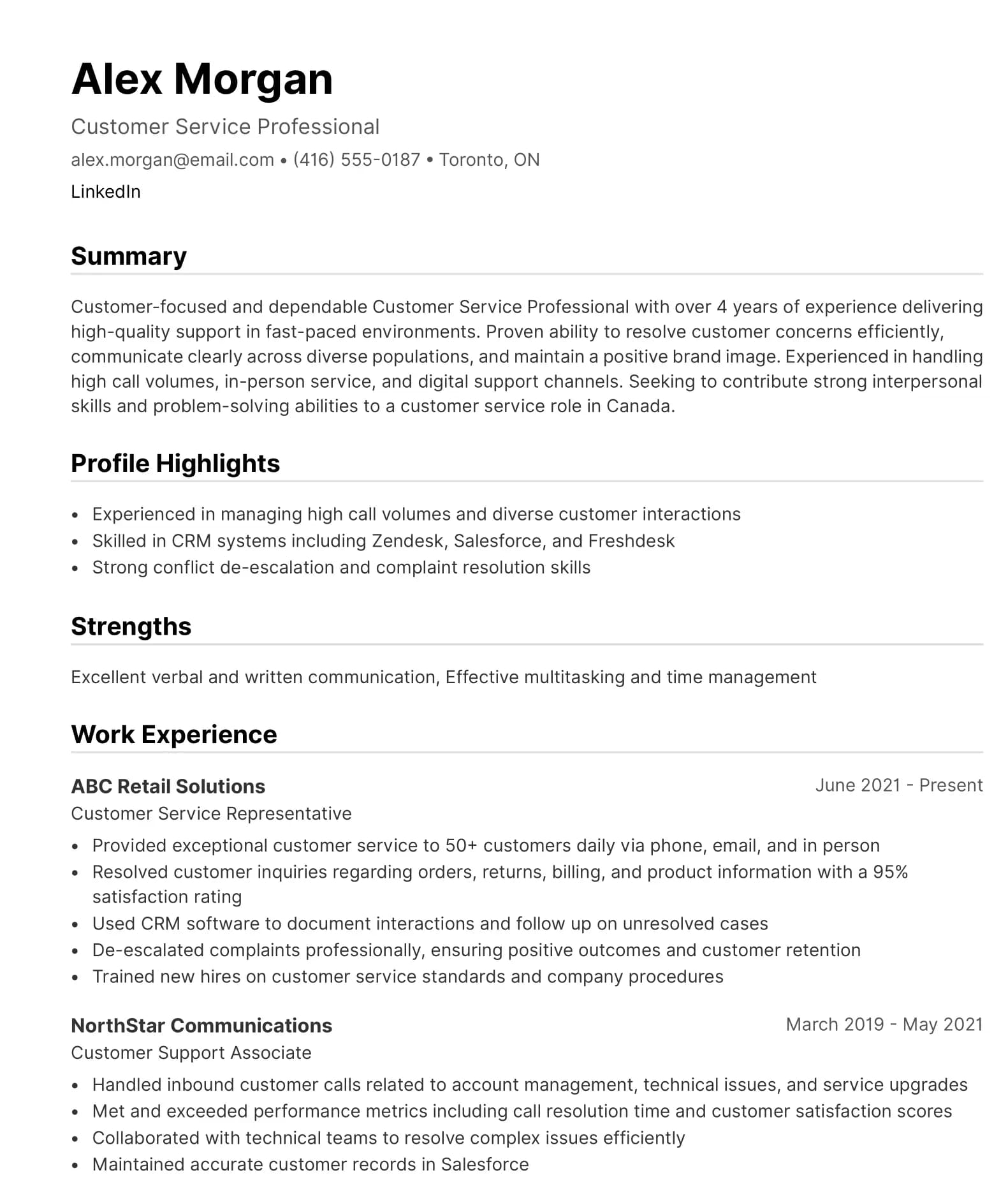
An Applicant Tracking System reads sections, titles, dates, and skills. Keep one column. Use clear headings and clean dates. Add a short skills block. Put tools inside your bullets with a result. Keep one page for most roles. Save a tailored version for each posting so your keywords match in a natural way.
A Yotru user story: A customer success applicant rebuilt her resume in Yotru into a clean one-pager with clear headings and Job Bank style wording. She kept the same projects but wrote proof-based bullets and saved two versions, one for healthcare and one for SaaS. She went from almost no callbacks to three interviews in two weeks.
Map your career pathways
A full time job is not the only way to build a strong career. List your skills and map paid options like consulting, contracting, fractional roles, small ventures, collaboration, and coaching. This lets you chase posted roles and say yes to paid work that builds proof and momentum.
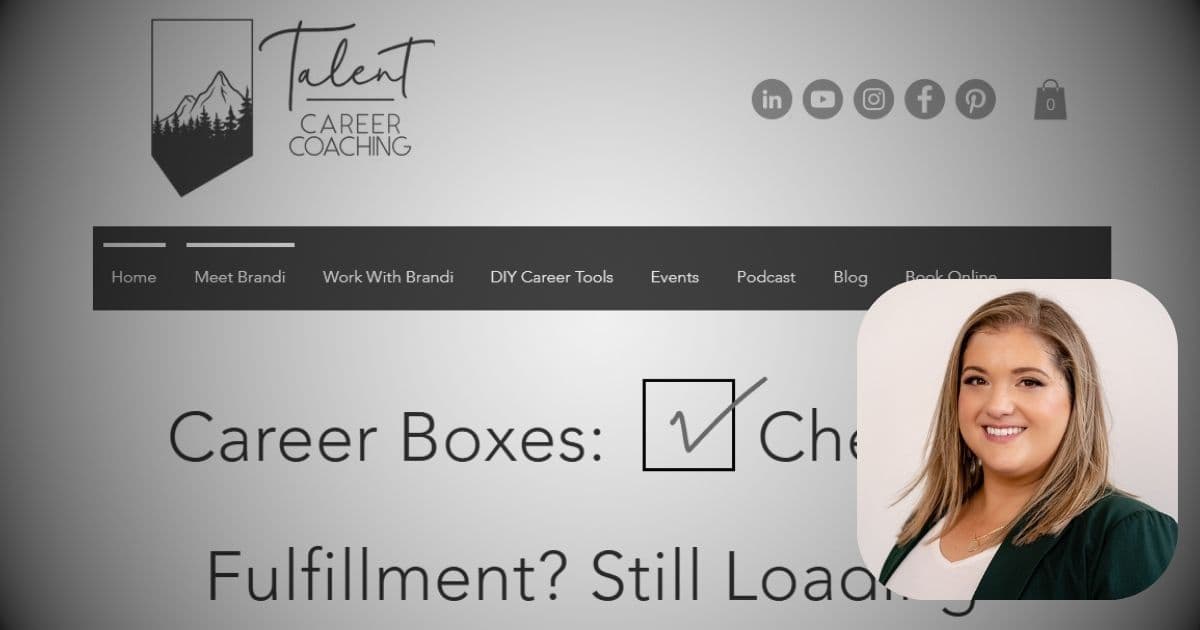
Brandi Oldham, leadership coach at Talent Career Coaching, puts it this way: “A strong resume is not a dump of tasks. It is the right story for this role. Use cover letters to connect the dots. For networking, skip spam and start short real conversations that uncover roles that never reach job boards.”
Do outreach that gets replies
Research the recruiter or hiring manager. Send a short note that shows you read the posting and can solve a real problem. Ask one clear question and include one proof link. Warm introductions from mutual connections raise your odds, so check LinkedIn before you hit send.
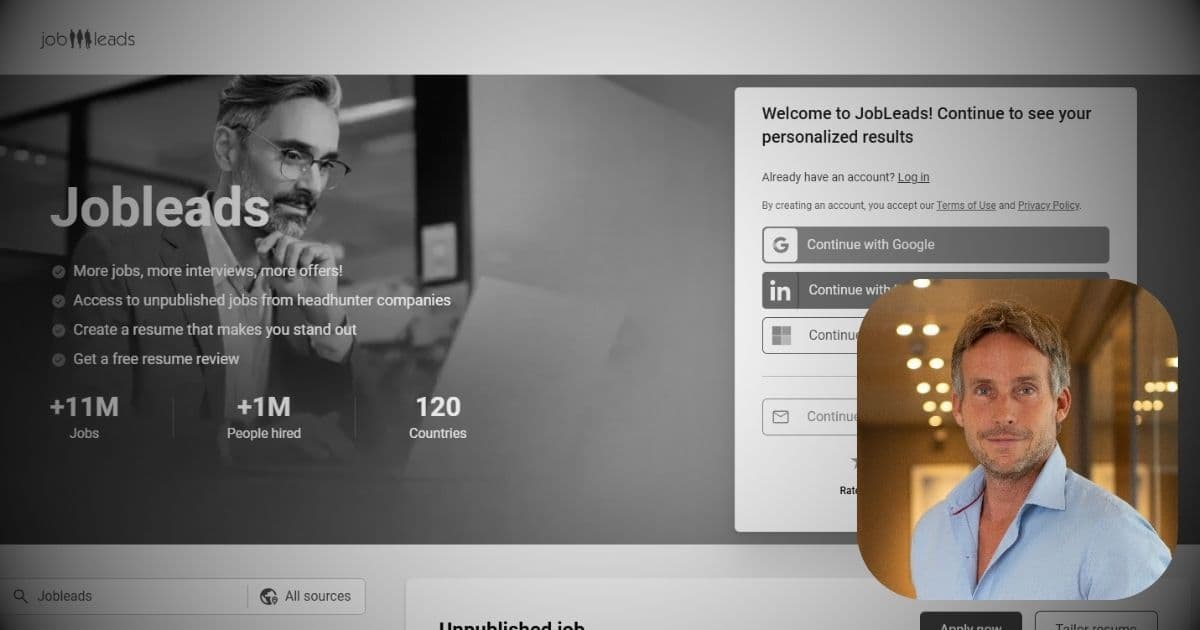
Jan Hendrik von Ahlen, managing director and career coach at JobLeads, suggests trying a short video for roles you really want: “Record a quick screen-and-face pitch that walks through the company’s site or product and shows how you would add value. A few thoughtful pitches can open doors, even at companies that are not actively hiring.”
Build a simple portfolio as proof
Your resume is the anchor. A small portfolio is the add-on that helps people click and believe. Include a short bio, one to three case studies with results, quotes from managers, a light logo strip, photos of you at work, and a few samples. Link it on your resume and profile so it is one click away.

Danielle R. Ayodele, Founder, Let’s Lead Consulting & Coaching, puts it simply: “Capture your value in a portfolio with two or three short case studies and a few samples. Add the link to your resume so your best work is easy to see.”
Write your own job search guide
Before you apply, write three lists. Your wants, your needs, and the questions you will ask a recruiter or manager. You might include remote policy, time flexibility, team makeup, and paid time off. Good questions include how hybrid is set and how the team builds diversity. Your guide keeps you from chasing shiny titles that do not fit.

Amanda Duff, a leadership coach at NowWhatHR, sums it up well: “Basics still work when you use them well. Keep one solid cover letter and tailor it for roles you truly want. Reach out to the recruiter or manager with a thoughtful note. Make your resume easy for AI and humans to scan in seconds.”
Break through with a mini project
When the field is crowded, show your thinking with a small, targeted project. Keep it tight and useful. For a marketing role, write a one page go to market idea for a new product. For a product manager role, do a brief teardown of the app with three practical suggestions. Pair it with warm outreach so it lands with context.
Sherrie Stifter, Founder of StartupHires, sees this move change outcomes: “The generic resume is dead. Lead with outcomes. Then add a short project that proves you can solve the right problems. It does not need to be big. It needs to be relevant and easy to review.”
Moving forward
The message from the field is clear. Start where the payoff is fastest. Get one clean, ATS-smart resume. Send one thoughtful note with a proof link. Add a small portfolio page with a single case study. Sketch a simple pathways map and a short guide that fits your life. Keep it honest, clear, and repeatable.
The market rewards proof and steady action. If you want help formatting and saving clean versions, Yotru can get you to a solid draft in minutes.
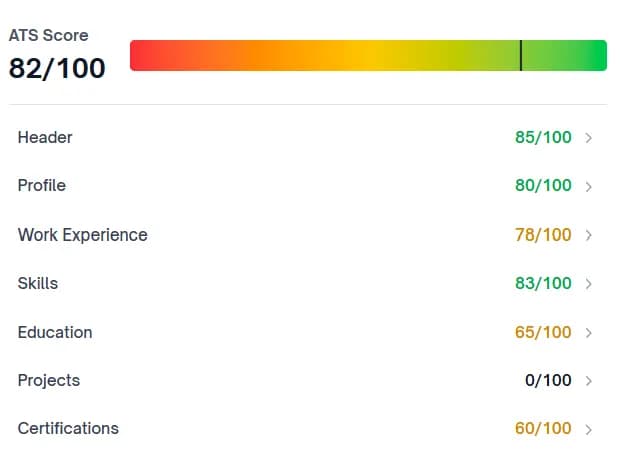
ATS-Optimized resumes That Meet Employer Standards
Our AI-powered scoring system helps organizations assess and standardize resume quality at scale. ATS-compliant templates support consistent formatting, keyword alignment, and interview readiness across cohorts.
About the Author

Team Yotru
Employability Systems
Team Yotru
Employability Systems
We build practical career tools for training providers and workforce programs, combining labor market insights with real employment outcomes. Follow us on LinkedIn.
Audience Context
Job seekers navigating a fast-moving market who need practical, coach-backed strategies to get callbacks, build proof, and stand out beyond traditional applications.
Disclaimer
The insights shared in this article are based on interviews with career coaches and HR practitioners. Their perspectives reflect their professional experiences and do not constitute formal career advice. Job seekers should evaluate strategies based on their unique circumstances and market conditions.
Related Reading
ATS and Resume Optimization
- AI, Instinct, and Recruitment — Robert Hourie on AI resume screening
- Human-First Hiring Systems — Gloria Espina on hiring structure
- Leadership Hiring Frameworks — Mark Pearce on small business hiring
- Writing for ATS Success — Emily Demirdonder on career resilience
- Navigating Screening Tools — Alex Kovalenko on recruitment automation
Career Development and Transitions
- Career Pathways and Planning — Tina Schust Robinson on career growth
- Building Career Resilience — Emily Demirdonder on authenticity at work
- Gen Z Career Navigation — Fallon Chase on Gen Z job readiness
- Portfolio Career Strategy — Amanda Main on trust in hiring
- Fractional Work Models — Nicole Fougère on team engagement
Outreach and Networking
- Building Authentic Connections — Danielle Ayodele on workplace culture
- Networking with Purpose — Tina Schust Robinson on leadership
- Standing Out to Recruiters — Robert Hourie on recruiter perspectives
- Hiring Manager Outreach — Mark Pearce on small business needs
- Trust-Based Job Search — Amanda Main on building hiring trust
Modern Job Market Trends
- Sweden Jobs 2026 Trends — Sweden hiring and salary insights
- UK Jobs 2026 Overview — UK labor market conditions
- China Jobs 2026 Analysis — China hiring and growth sectors
- Gen Z Workplace Integration — Fallon Chase on Gen Z readiness
- Recruitment Tech Evolution — Alex Kovalenko on automation impact
References
- Ayodele, D. R. (2025). Workplace culture and professional development. Let's Lead Consulting & Coaching. https://www.linkedin.com/in/drayodele/
- Duff, A. E. (2025). Leadership coaching and resume fundamentals. NowWhatHR. https://www.nowwhathr.com/
- Oldham, B. (2025). Career coaching and networking strategies. Talent Career Coaching. https://www.talentcareercoaching.com/
- Stifter, S. (2025). Startup hiring and recruitment strategies. StartupHires. https://startuphires.io/
- The Interview Guys. (2025, October 19). ATS resume optimization: The ultimate 2025 guide to getting past applicant tracking systems. https://blog.theinterviewguys.com/ats-resume-optimization/
- van Leeuwen, M. (2023). The quality of a professional portfolio career in the post-industrial era. Journal of Education and Work, 36(7), 469-485. https://doi.org/10.1080/13639080.2022.2073340
- von Ahlen, J. H. (2025). Career coaching and job search tactics. JobLeads. https://www.jobleads.com/
Maintained by: Workforce Practice Group at Yotru
Review cycle: Regularly reviewed to reflect real-world practice
Last updated: December 30, 2025
Continue Reading
More insights from our research team

AI in Career Services: Practical Use Cases That Don't Replace Advisors
AI in career services isn't about replacing advisors. It's about handling baseline tasks so career professionals can focus on coaching and relationship building.
7 min read

Resume Builder for Laid Off Workers: Turning Job Loss Into a Fresh Start
For laid-off workers, getting back to work starts with a strong resume. This guide explains how a resume builder for laid-off workers helps you handle employment gaps, highlight transferable skills, and create an ATS-ready document that gets you in front of employers.
2 min read

What “Job-Ready” Actually Means for Early-Career Candidates
Job-ready isn’t about grades anymore. What actually gets early-career candidates hired is real-world experience, initiative, and proof you can deliver from day one.
4 min read

Applying Gatsby Benchmark 3 in Adult and Vocational Education: Personal Guidance at Scale
For careers teams in adult and vocational education. A practical look at applying Gatsby Benchmark 3, delivering personalised guidance at scale without overwhelming staff.
3 min read