Voices of Work
3 min read
Tina Schust Robinson on Gremlins, Trust, and the Leadership
Synopsis
Top HR influencer Tina Robinson shares the leadership rituals that actually stick: clear expectations, trust-building behaviors, and coaching skills managers can use today.
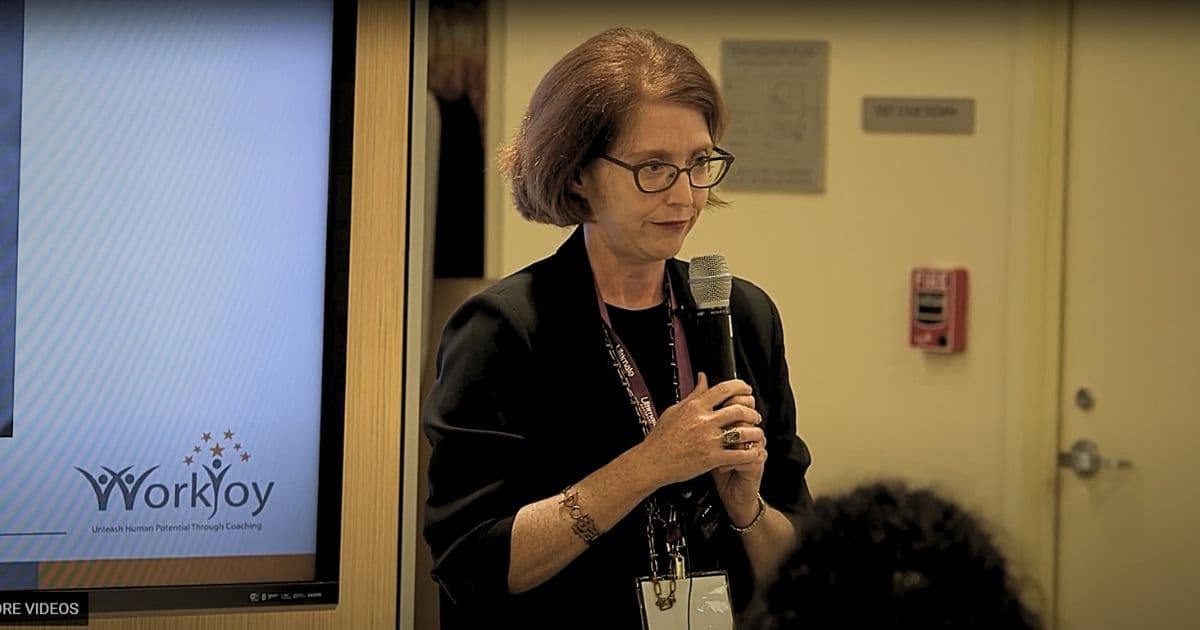
At Yotru, we spotlight voices who are redefining leadership and work. This time, we sat down with Tina Schust Robinson, Top 100 HR Influencer, keynote speaker, and founder of WorkJoy.
Tina is known for cutting through the fluff: she gives leaders scripts, rituals, and real talk that actually stick. Or as she put it to us: “Stop teaching managers theory they can’t use. Give them the words, the practice, and the feedback until it’s second nature.”
The Smartest 90-Day Bet
Most companies throw money at flashy leadership programs. Tina says don’t. If you’ve got 90 days and a small budget, teach managers just three things:
- How to set clear expectations
- How to hold meaningful check-ins
- How to give feedback people can use
“If they nail those, everything else in leadership gets easier,” she told us. The test is simple. Ask their teams if they feel clear, supported, and coached. If the answers trend up in 90 days, you’ve struck gold.
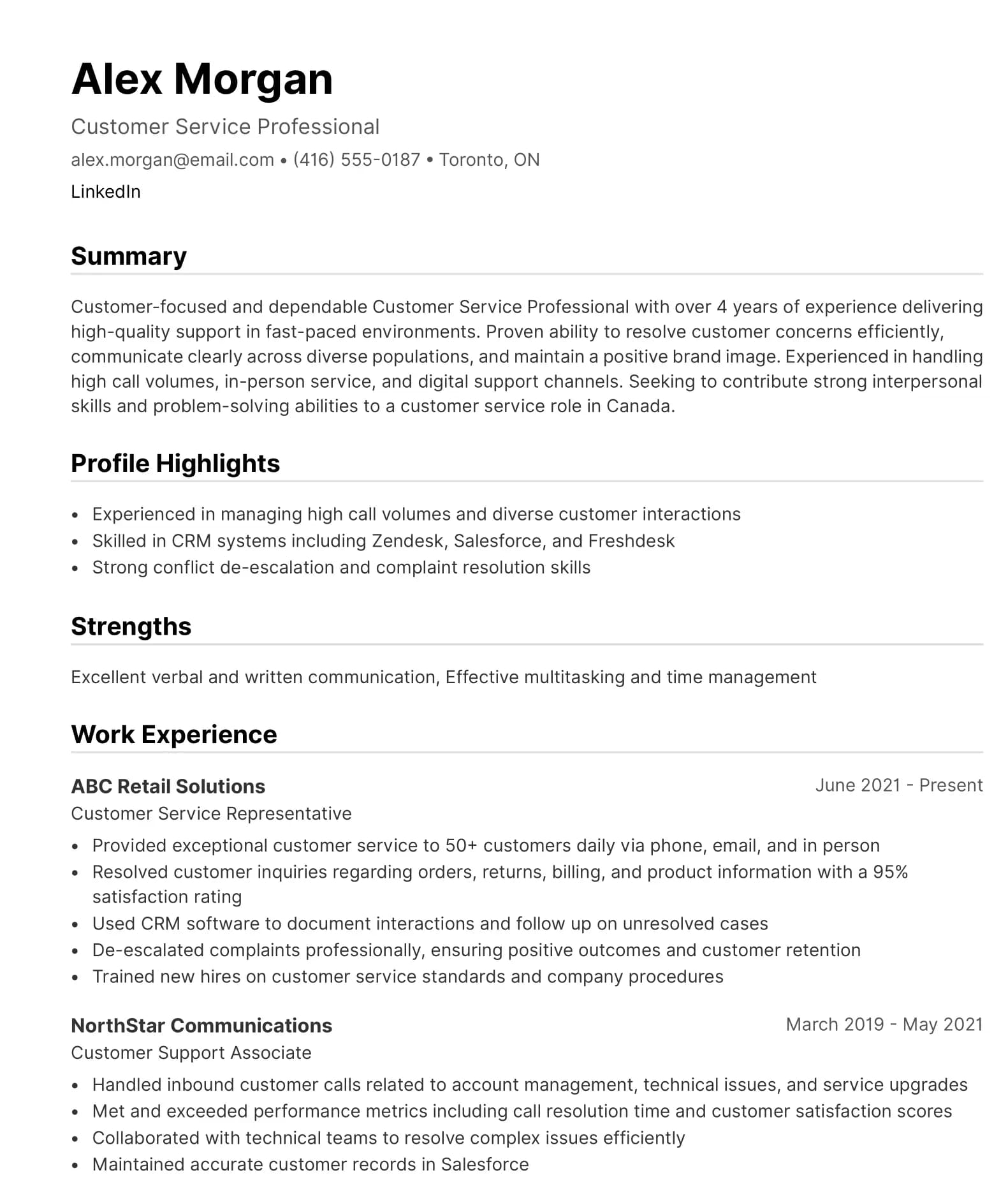
At Yotru, we believe in the same proof-over-polish principle. That’s why our resume builder focuses on clarity and evidence of skills, not just pretty formatting. When people know exactly what’s expected and can show proof, they grow faster.
Trust Isn’t a Value Statement, It’s a Verb
Every culture deck claims “we value trust.” But trust isn’t declared, it’s observed. Tina boils it down to three simple behaviors:
- Say what you’ll do, and then do it.
- Own mistakes out loud.
- Give credit generously and specifically.
“The best way to teach trust is to role-model it,” Tina said. “Don’t just talk about it, practice the messy stuff until it feels natural.”
We loved that framing, because it echoes how candidates on Yotru can role-model credibility by adding proof of their projects, metrics, and wins. It’s not about claiming trustworthiness. It’s about showing it.
Shrinking the Gremlins Before Big Moments
Leaders everywhere wrestle with imposter syndrome. Tina has a ritual she teaches before meetings: jot down your two loudest “gremlin whispers,” flip them with a counter-voice (“I was invited here because of my ___”), breathe, crumple, toss.
“It sounds silly, but ritual plus humor shrinks gremlins fast,” she explained. It’s the kind of tip people actually remember, because it combines self-awareness with a physical act. A quick exercise with a lasting punch.
Why Exits Reveal Culture’s True Face
Most companies obsess over onboarding, but Tina argues exits reveal more about your culture than welcomes do. Her advice is straightforward. Managers should align priorities early, co-create communication, and then acknowledge the loss, not just the logistics.
“Leaving well protects your culture, your brand, and your bridges,” she said. It’s a reminder that transitions are tests of trust, not just paperwork.
AI: Treat It Like an Intern, Not a Leader
AI in leadership is a double-edged sword. For Tina, the win is using it to prepare, such as analyzing feedback themes, spotting patterns, and summarizing notes. The danger is outsourcing the human parts.
“Never let AI write your gratitude. People can smell fake thanks a mile away,” she said. The sweet spot is clear. Think of AI as your intern. Let it take the notes, but never the voice.
That is exactly how we built Yotru. It does the heavy lifting to get you 95 percent of the way there by structuring your resume, surfacing your skills, and highlighting your wins. The final and most important part always stays with you. Your authentic voice and story remain at the center. Yotru saves the time, and you keep the power.

The Leadership Skills That Will Matter Most
Looking ahead, Tina sees three must-haves: clarity in chaos, coaching as a core skill, and resilience without burnout. Each sounds lofty at first, until she breaks it down.
“Ask one powerful open-ended question in every 1:1. Translate strategy into three priorities. Model your own recovery so others feel permission to do the same,” she explained. It’s practical, it’s doable, and it changes behavior fast.
About Tina Schust Robinson
Tina is the Founder and CEO of WorkJoy, based in Los Angeles. She has coached leaders at Spotify, SAP, Spin Master, and FOX Sports, speaks at SHRM and ATD worldwide, and teaches MBAs at UCLA Anderson. Her first book, Developing Your Business Leaders, arrives in 2026 from ATD Press.
Pro Tip
This article is part of Yotru's Voices of Work series, highlighting leaders who are redefining how people learn, lead, and get hired. To get featured, please contact us.
ATS-Optimized resumes That Meet Employer Standards
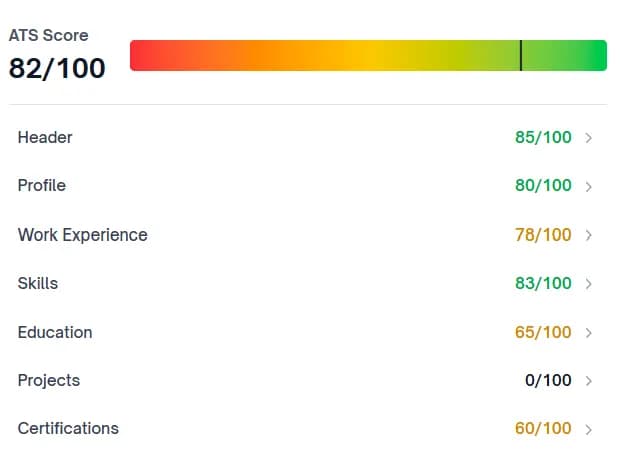
Our AI-powered scoring system helps organizations assess and standardize resume quality at scale. ATS-compliant templates support consistent formatting, keyword alignment, and interview readiness across cohorts.
About the Author

Team Yotru
Employability Systems
Team Yotru
Employability Systems
We build practical career tools for training providers and workforce programs, combining labor market insights with real employment outcomes. Follow us on LinkedIn.
Audience Context
For managers, HR professionals, and organizational leaders. Learn practical leadership habits from Tina Robinson: trust-building, feedback techniques, coaching skills, and managing transitions that create lasting culture change.
Disclaimer
Views shared reflect personal experience only. Not official advice. Hiring practices vary by company and region. Use for general guidance, not as professional or legal advice
Related Readings
Leadership habits and systems
- Why Yotru Is Built for Real Hiring — Systems built for real hiring, not theory
- Risk-Free Hiring Pilot Programs — Test new people systems safely
- HR and Layoffs: Lessons — Leading through hard transitions
- Union Layoff Support Program — Structure during change
- How Yotru Helps Regions Upskill — Regional talent systems
Trust, feedback, and coaching
- What Really Matters in Interviews — Signals managers truly watch
- Interview Preparation Tips — Practical prep and feedback
- Job Search Strategies That Work — Behaviours that earn trust
- Networking Strategies That Last — Relationships beyond one role
- Salary Negotiation Techniques — Confident, fair negotiation
Workplace culture and trust
- Why It Feels Hard to Get a Job — Context behind job search stress
- ATS Is Not the Enemy — Using tools without losing trust
- Should You Send a Thank-You? — Modern, authentic follow-up
- Why HR Uses Yotru for Layoffs — Protecting people and brand
- Why Interviews Feel Harder — Misaligned expectations
Voices of Work series
- Nicole Fougere on Trust — Trust, tools, and signals
- Robert Hourie on AI & Instinct — AI plus recruiter judgment
- Em Richards on Storytelling — Story, inclusion, impact
- Alex Kovalenko on Tech Hiring — Signals that win tech roles
- Gloria Espina on Suitability — Suitability over credentials
References
- Why HR Leaders Need Coaching — Case for coaching HR leaders
- 5 HR Coaching Skills for 2025 — Core coaching skills for HR
- Future Demands in Coaching — Research on coaching demand
- Effective Feedback Fuels Performance — Feedback and performance links
- Trust Isn’t a Skill — Goleman on trust in leadership
Maintained by: Workforce Practice Group at Yotru
Review cycle: Regularly reviewed to reflect real-world practice
Last updated: December 30, 2025
Continue Reading
More insights from our research team

AI in Career Services: Practical Use Cases That Don't Replace Advisors
AI in career services isn't about replacing advisors. It's about handling baseline tasks so career professionals can focus on coaching and relationship building.
7 min read

Resume Builder for Laid Off Workers: Turning Job Loss Into a Fresh Start
For laid-off workers, getting back to work starts with a strong resume. This guide explains how a resume builder for laid-off workers helps you handle employment gaps, highlight transferable skills, and create an ATS-ready document that gets you in front of employers.
2 min read
What “Job-Ready” Actually Means for Early-Career Candidates
Job-ready isn’t about grades anymore. What actually gets early-career candidates hired is real-world experience, initiative, and proof you can deliver from day one.
4 min read

Applying Gatsby Benchmark 3 in Adult and Vocational Education: Personal Guidance at Scale
For careers teams in adult and vocational education. A practical look at applying Gatsby Benchmark 3, delivering personalised guidance at scale without overwhelming staff.
3 min read