Market
9 min read
Jobs in China 2026: Hiring Trends + Salaries
Synopsis
China's 2026 job market shows strong demand in green tech, advanced manufacturing, and AI despite economic headwinds. Find where opportunities exist and what's changed.
China enters 2026 with economic growth around 4.5-5%, down from previous years but still substantial. Youth unemployment remains high (around 15-17% for ages 16-24), but demand stays strong in advanced manufacturing, green energy, and technology sectors. The government is pushing hard on electric vehicles, renewable energy, and semiconductor self-sufficiency, creating pockets of strong hiring even as the broader economy slows.
Key Insight
China’s job market is far more competitive than it was a decade ago. Hiring is tighter, standards are higher, and employers expect proven skills, local experience, and strong credentials. International candidates should prepare for rigorous screening, technical interviews, and longer hiring timelines.
Whether you're a foreign worker researching opportunities, a returning Chinese national (海归), or a recent graduate navigating your first job search, this guide shows you where the actual jobs are and what's realistic in 2026.
This guide explains which sectors are hiring, what cities pay, and how to use Yotru's resume builder to match what Chinese employers expect.
| 2026 China labor market snapshot | ||
|---|---|---|
| Indicator | 2026 estimate | Job Outlook |
| Unemployment rate | 5.0-5.3% (official), youth unemployment 15-17% | Medium |
| Job vacancy level | Strong in green tech/EVs, weak in education/real estate | Medium |
| Top shortage sectors | EV manufacturing, renewable energy, AI/software, advanced chips | High |
| Real wage trend | Stagnant in most sectors, premiums in tech and green energy | Medium |
| Strongest profiles | STEM graduates, experienced engineers, Mandarin+English bilingual | High |
Sources: National Bureau of Statistics of China, Ministry of Human Resources and Social Security, China Daily
Important
Foreign workers face increasing restrictions in China. Work permits require bachelor's degree minimum, 2 years relevant experience (waived for some recent grads from top universities), and criminal background check. Teaching English without proper credentials became much harder after 2021 regulations. Research visa requirements thoroughly before planning a move.
Key takeaways for job seekers in China
- Overall demand: Manufacturing and tech still hiring but more selective than 2019-2021
- Competition: Recent graduates flooding market, experience and skills matter more than credentials alone
- Top shortage fields: EV engineers, battery tech specialists, AI developers, green energy project managers
- Under pressure: Real estate, private tutoring (banned for K-12), some tech platforms after regulatory crackdowns
- Wages in China: Big gap between tier 1 cities (Beijing, Shanghai, Shenzhen) and tier 2/3 cities
- Best chances: STEM backgrounds, 3+ years experience in high-demand sectors, strong Mandarin for non-native speakers

Jobs in China by sector
Electric vehicle and green energy jobs in China
Market reality: China dominates global EV production. BYD, NIO, Xpeng, and others expanding fast. Battery technology (CATL, BYD) driving massive hiring. Solar and wind energy projects need skilled workers everywhere.
Salary in China:
- Junior EV engineers: ¥150,000-¥250,000 ($20,000-$35,000 USD)
- Mid-level battery engineers: ¥300,000-¥500,000 ($42,000-$70,000 USD)
- Senior EV project managers: ¥500,000-¥900,000 ($70,000-$125,000 USD)
- Strongest demand: Shenzhen, Shanghai, Hefei, Changzhou, Ningde
Who's hiring:
- EV manufacturers - BYD, NIO, Xpeng, Li Auto, Geely expanding production
- Battery makers - CATL, BYD, CALB, Gotion need engineers and production managers
- Solar companies - Longi, JA Solar, Trina Solar growing despite global trade tensions
- Wind energy - Goldwind, Envision building offshore and onshore projects
What you need:
- STEM degree: Mechanical, electrical, chemical engineering most valued
- Mandarin: HSK 5-6 required for most roles, even technical positions
- Experience: 2-5 years in automotive, energy, or manufacturing preferred
- Software skills: CAD, simulation software, sometimes Python for data analysis
- Willingness to relocate: Many factories in tier 2/3 cities, not just Shanghai/Shenzhen
Job posting signals: "new energy vehicles" (新能源汽车), "battery technology" (电池技术), "bilingual preferred," "海归 welcome"
Pro Tip
EV and green energy companies often offer better work-life balance than traditional tech companies. The 996 culture (9am-9pm, 6 days a week) less common here. Many are newer companies trying to attract talent with reasonable hours and good benefits. Ask about actual working hours in interviews.
If you're a foreign worker:
- Work permit easier to get in this sector, government priority
- Large companies (BYD, CATL) have experience sponsoring foreigners
- Expect to work closely with Chinese teams, strong Mandarin essential
- Some roles available in R&D centers that value international experience
- Salary for foreigners often higher but not dramatically so anymore
If you're a returning Chinese national (海归):
- Your international experience valued in R&D and product development roles
- PhD from overseas can command 20-30% salary premium
- Network matters less in newer companies than in state-owned enterprises
- Many companies specifically recruit 海归 for their global perspective
- Be ready to adapt to Chinese corporate culture, it's different than overseas
If you're a recent graduate in China:
- Entry level competitive but still possible with right major
- Target tier 2 cities like Hefei or Changzhou for better odds
- Internship experience during university almost mandatory now
- Consider starting in manufacturing role, move to engineering later
- Graduate degree helps but 2-3 years work experience often beats extra degree
How Yotru helps: Translates your credentials to Chinese standards, shows HSK level clearly, formats for Chinese ATS systems (different from Western ones), emphasizes hands-on technical skills over theory.

Tech and AI jobs in China
Market reality: After 2021-2022 regulatory crackdowns, tech sector more cautious but still hiring. AI development exploded with focus on large language models, computer vision, autonomous driving. Chip design critical priority after US sanctions. Gaming and e-commerce more stable after initial shock.
Salary in China:
- Junior software developers: ¥180,000-¥300,000 ($25,000-$42,000 USD)
- Mid-level AI engineers: ¥350,000-¥600,000 ($49,000-$84,000 USD)
- Senior algorithm engineers: ¥600,000-¥1,200,000 ($84,000-$168,000 USD)
- Tech leads/architects: ¥800,000-¥2,000,000+ ($112,000-$280,000+ USD)
- Strongest demand: Beijing, Shenzhen, Hangzhou, Shanghai
Who's hiring:
- AI companies - ByteDance, Baidu, SenseTime, Megvii need AI researchers
- Chip designers - SMIC, Huawei HiSilicon trying to close technology gap
- E-commerce - Alibaba, JD.com, Pinduoduo still massive operations
- Gaming - Tencent, NetEase, miHoYo hiring after regulatory clarity
What you need:
- Strong fundamentals: Data structures, algorithms, system design
- AI/ML skills: PyTorch, TensorFlow, experience with LLMs increasingly expected
- Mandarin: HSK 5+ for most roles, technical discussions happen in Chinese
- GitHub portfolio: Chinese companies check this, not just talk about it
- 996 tolerance: Still common in startups and some big tech, ask directly
Job posting signals: "算法工程师" (algorithm engineer), "大模型" (large models), "海归优先" (returnees preferred), "弹性工作" (flexible hours, rare but good sign)
Hint
Chinese tech interviews often harder than US FAANG interviews. Expect 4-6 rounds including algorithm challenges, system design, and cultural fit. LeetCode-style preparation essential. Some companies also test your Chinese technical vocabulary, so practice explaining concepts in Mandarin.
If you're a foreign worker:
- Work permit points system favors degrees from top global universities
- Salary for foreigners comparable to locals now, premium mostly gone
- Foreign tech workers concentrated in Beijing and Shanghai
- Mandarin fluency non-negotiable for most roles despite "bilingual" in job posting
- Consider Hong Kong or Singapore offices of Chinese companies as alternative entry point
If you're a returning Chinese national (海归):
- Silicon Valley experience still valued but premium shrinking
- PhD in AI/ML from top overseas universities can still command significant offers
- Many returnees surprised by intensity of Chinese tech culture
- Language switching (English for research papers, Chinese for meetings) expected
- WeChat and DingTalk replace Slack/email, adapt quickly
If you're a recent graduate in China:
- Competition brutal for top tech companies, expect 100:1 ratios or worse
- Tier 2 tech companies or startups more realistic for most graduates
- Graduate degree (硕士) almost required for algorithm roles now
- Internship at brand-name company worth more than degree from non-top-tier university
- Consider gaming, e-commerce, or enterprise software, easier than pure AI research
How Yotru helps: Formats technical projects with links to GitHub/Gitee, shows algorithm competition results, translates overseas credentials to Chinese equivalents, includes HSK and technical certifications prominently.

Manufacturing and export jobs in China
Market reality: Traditional manufacturing under pressure from rising costs and competition. Advanced manufacturing (robotics, precision parts, medical devices) still strong. Export sector dealing with trade tensions but adapting. Domestic consumption growing in importance.
Salary in China:
- Production managers: ¥120,000-¥300,000 ($17,000-$42,000 USD)
- Quality engineers: ¥150,000-¥280,000 ($21,000-$39,000 USD)
- Supply chain managers: ¥200,000-¥400,000 ($28,000-$56,000 USD)
- Factory directors: ¥300,000-¥800,000 ($42,000-$112,000 USD)
- Strongest demand: Pearl River Delta (Guangzhou, Dongguan, Shenzhen), Yangtze River Delta (Shanghai, Suzhou, Ningbo)
Who's hiring:
- Electronics manufacturers - Foxconn, Luxshare, BYD Electronics need managers
- Medical device makers - Mindray, United Imaging growing fast
- Robotics companies - Siasun, Estun expanding automation solutions
- Textile and apparel - Moving to higher-value products, need skilled workers
What you need:
- Engineering background: Mechanical, industrial, or manufacturing engineering
- Lean/Six Sigma: Chinese companies increasingly adopting these systems
- ERP systems: SAP, Oracle, or Chinese equivalents (Kingdee, UFIDA)
- Mandarin: Critical for managing local teams and suppliers
- Travel tolerance: Frequent visits to multiple factory locations common
Job posting signals: "精益生产" (lean production), "质量管理" (quality management), "供应链" (supply chain), "工厂经验" (factory experience required)
Pro Tip
In China’s manufacturing sector, practical experience outweighs credentials. Employers prioritize candidates who can manage production lines, suppliers, and quality issues on the ground over those with strong academic backgrounds alone.
If you're a foreign worker:
- Work permits getting harder for manufacturing roles unless very senior
- Expat packages mostly gone, expect local salary plus small premium
- Quality/compliance roles sometimes easier for foreigners (perceived as stricter)
- Be ready for tier 2/3 city life, most factories not in Beijing/Shanghai
- Understanding of Chinese manufacturing ecosystem big advantage
If you're a returning Chinese national (海归):
- International supply chain experience valued for export-oriented companies
- Western quality standards knowledge helpful for companies entering global markets
- Salary expectations need to adjust, manufacturing pays less than tech
- Relationships (关系) matter more in manufacturing than in tech sector
- Consider multinational manufacturing firms first, easier cultural transition
If you're a recent graduate in China:
- Start as production supervisor or quality inspector, work up to management
- Manufacturing offers more stable jobs than flashy but volatile tech sector
- Tier 2 cities like Suzhou, Ningbo offer better cost of living than Shanghai
- Vocational skills plus university degree strong combination
- State-owned manufacturing enterprises offer stability but lower pay and slower growth
How Yotru helps: Emphasizes certifications (Six Sigma, PMP), shows factory experience with production metrics, translates manufacturing terminology correctly, highlights both technical and management skills.

Education and healthcare snapshot
Education jobs in China:
- K-12 private tutoring heavily restricted since 2021, job market collapsed
- International schools still hiring but much more selective
- ESL teaching requires native speaker status, bachelor's degree, TEFL minimum
- University positions need PhD for most roles, publications in Chinese journals valued
- Salary: ESL teachers ¥12,000-¥25,000/month, university lecturers ¥150,000-¥400,000/year
- Beijing, Shanghai have most international schools but also most competition
Healthcare jobs in China:
- Aging population creating demand for doctors, nurses, eldercare workers
- Foreign doctors can't practice medicine in China (very rare exceptions)
- Medical device sales and healthcare IT growing sectors for foreigners
- Traditional Chinese Medicine (TCM) and Western medicine integration expanding
- Salary: nurses ¥80,000-¥150,000, doctors ¥150,000-¥500,000 depending on seniority
- Tier 1 cities have better facilities but tier 2/3 cities desperate for qualified staff
Pro Tip
In education and healthcare, credentials and compliance matter more than location. Foreign professionals who align their qualifications with Chinese licensing rules and target high-need regions gain far better access than those focused only on major cities.
What's changing in the Chinese job market
Work permits got much stricter for foreigners
The shift: Point-based system categorizes foreigners as A (high talent), B (professional), or C (unskilled, almost impossible now).
What this means:
- Need bachelor's degree minimum, master's or PhD helps significantly
- 2 years work experience required (some exceptions for recent grads from top universities)
- Age matters (under 25 or over 60 face point deductions)
- Salary requirements increased (varies by city, roughly ¥7,000-¥15,000/month minimum)
- Criminal background check required, more thorough than before
996 culture being challenged but still common
The reality: Government criticized 996 (9am-9pm, 6 days/week) but enforcement weak. Varies wildly by company.
What this means:
- Startups and some tech giants still expect long hours unofficially
- State-owned enterprises usually better work-life balance
- Foreign companies in China generally follow more reasonable hours
- Newer sectors (EV, green energy) trying to compete on lifestyle not just salary
- Always ask current employees about real hours, not HR
Regional competition intensifying
The trend: Tier 2 cities (Chengdu, Hangzhou, Suzhou, Chongqing) aggressively recruiting talent from Beijing and Shanghai.
What this means:
- Housing costs 50-70% lower in tier 2 cities but salaries only 20-30% lower
- Chengdu particularly popular among young workers for lifestyle
- Hangzhou strong in e-commerce and fintech due to Alibaba presence
- Local governments offer hukou (household registration), housing subsidies to attract talent
- Career growth potentially faster in tier 2 as less competition
Hint
For foreign professionals, success in China increasingly depends on strategic positioning rather than prestige. Target roles that align with government priorities, consider Tier 2 cities where competition is lower, and focus on demonstrating long-term value rather than short-term credentials. Flexibility, local awareness, and realistic expectations matter more than ever.
Getting started: what you need to know
Reality check for working in China
Language matters more than you think
- Business Mandarin is different from conversational Mandarin
- HSK 5 minimum for most professional jobs, HSK 6 better
- Technical vocabulary takes time to learn even if your general Mandarin is good
- Many meetings happen entirely in Chinese even at "international" companies
- Reading and writing skills matter, not just speaking
Credentials need verification
- Foreign degrees must be authenticated by Chinese embassy
- Process takes 1-2 months, plan ahead
- Some professions require passing Chinese equivalency exams
- Professional licenses from abroad usually not recognized
- Returning nationals need to verify overseas degrees too
Cost of living varies dramatically
- Beijing/Shanghai 1-bedroom rent: ¥5,000-¥12,000/month ($700-$1,680)
- Shenzhen 1-bedroom rent: ¥4,000-¥9,000/month ($560-$1,260)
- Tier 2 cities 1-bedroom rent: ¥2,000-¥5,000/month ($280-$700)
- Food costs reasonable everywhere compared to Western countries
- Transportation cheap (metro ¥2-8 per ride), taxis via apps very affordable
Work permits take time and money
- Employer must initiate, you can't apply independently
- Process takes 1-3 months after job offer
- Requires health check at Chinese facility (not all foreign results accepted)
- Annual renewal required, changing employers complicated
- Some cities easier than others (Shanghai, Beijing streamlined processes)
Culture differences are real
- Hierarchy matters, respect titles and seniority
- Direct communication less common than in Western countries
- Networking (关系 guanxi) critical for career advancement
- Face (面子 mianzi) considerations affect workplace interactions
- Company dinners and karaoke often mandatory social events
Full work permit details: State Administration of Foreign Experts Affairs and Ministry of Human Resources

Your job search game plan for China
If you're outside China:
- Research visa requirements thoroughly - Point system for work permits, know your category
- Get credentials verified - Start embassy authentication process early
- Target multinational companies first - More experience with foreign hires, clearer processes
- Build Mandarin skills - HSK 4 minimum just to have chance, HSK 5-6 to be competitive
- Understand the market - China not as desperate for foreign workers as 2010s, be realistic
If you're a returning Chinese national (海归):
- Adjust salary expectations - Premium for overseas experience smaller than before
- Get degree verified - Even Chinese citizens need overseas degree authentication
- Rebuild your network - Your university friends now working, reconnect actively
- Prepare for reverse culture shock - China changed a lot, work culture different than memory
- Consider tier 2 cities - Better lifestyle, lower costs, opportunities if not fixated on Beijing/Shanghai
If you're a recent graduate in China:
- Internship experience critical - More important than GPA for most roles
- Target realistic companies - Everyone applies to Tencent/Alibaba, look at tier 2 firms too
- Consider tier 2 cities - Much easier to get first job, can always move later
- Network through university - Alumni connections matter enormously in Chinese job market
- Be flexible on first role - Getting foot in door matters, can pivot after 1-2 years
Pro Tip
Use Chinese job platforms (前程无忧, 智联招聘, BOSS直聘) not just LinkedIn. Most Chinese companies post there first or exclusively. LinkedIn useful for multinational firms and some tech companies but you're missing majority of market if that's your only source.
ATS-Optimized resumes That Meet Employer Standards
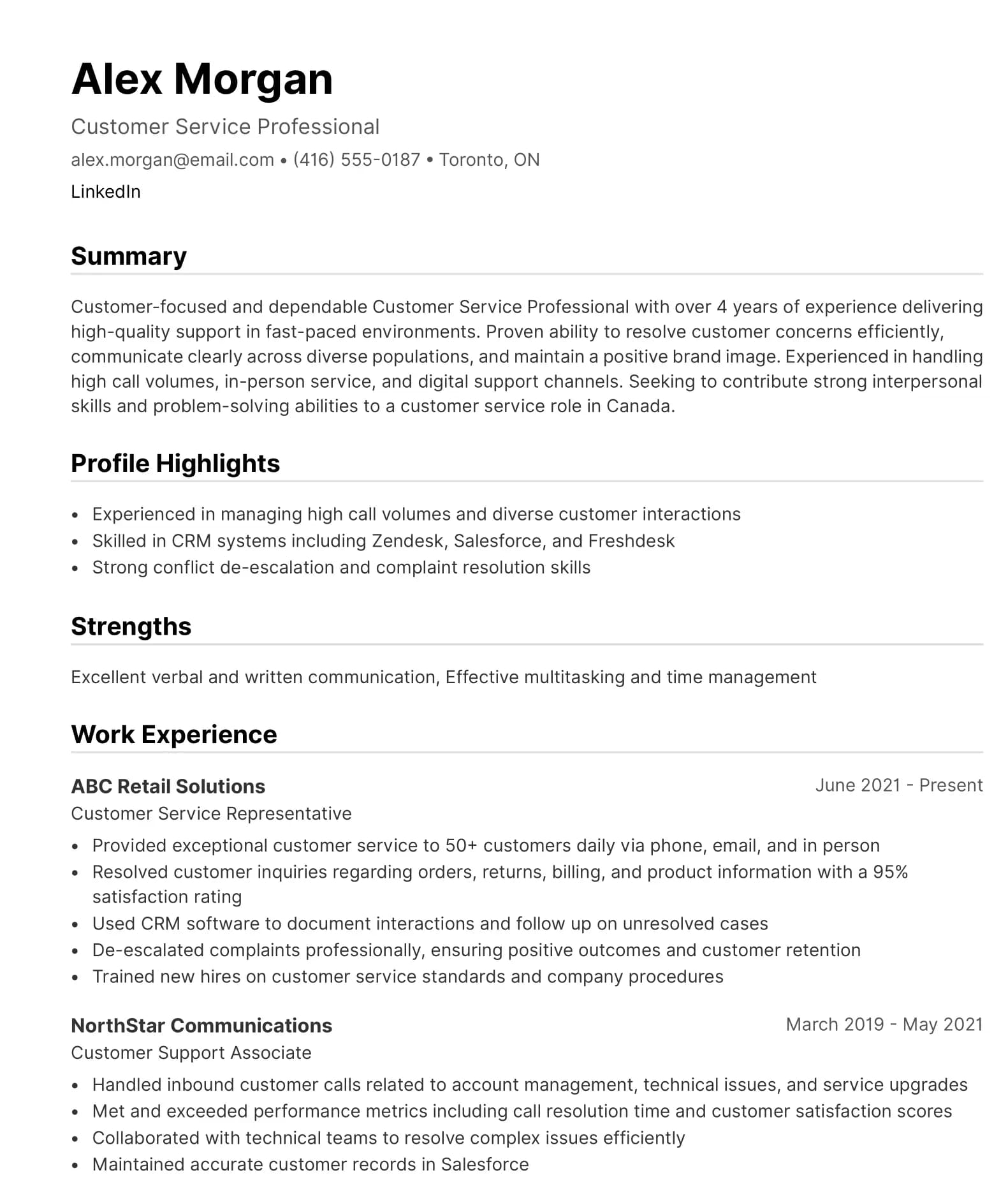
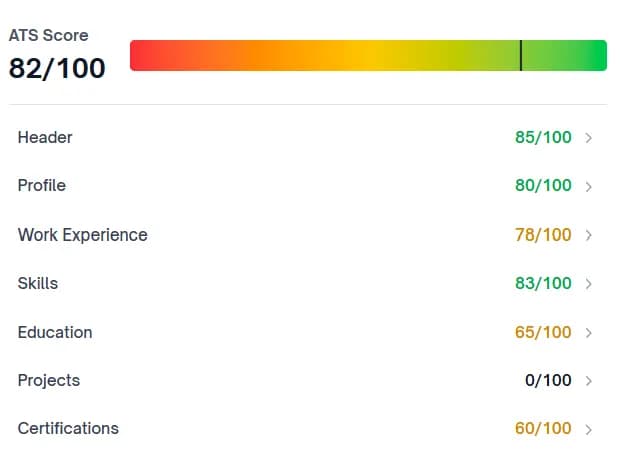
Our AI-powered scoring system helps organizations assess and standardize resume quality at scale. ATS-compliant templates support consistent formatting, keyword alignment, and interview readiness across cohorts.
Frequently asked questions
Much harder than 5-10 years ago. You need bachelor's degree minimum, usually 2 years relevant work experience, and clean criminal record. Point-based system categorizes you as A (high talent), B (professional), or C (almost impossible). Recent grads from top global universities can sometimes skip experience requirement. Teaching English got especially strict after 2021, need native English speaker status and proper teaching credentials. Budget 2-3 months for permit process after job offer.
About the Author

Team Yotru
Employability Systems
Team Yotru
Employability Systems
We build practical career tools for training providers and workforce programs, combining labor market insights with real employment outcomes. Follow us on LinkedIn.
Related Resources
Continue exploring related perspectives on career development, hiring trends, and workforce change.
Market and Research
- Hiring Trends in the UK— UK job market outlook examining sectors hiring international workers, language requirements, and skilled migration pathways.
- Hiring Trends in Canada— Canadian market conditions showing easing demand and persistent sectoral shortages.
- Alex Kovalenko on What Actually Gets You Hired— Recruitment technology trends shaping Canadian hiring
- Why It Feels So Hard to Get a Job Right Now— Global hiring dynamics affecting all markets
Resume Building and Optimization
- How to Create a Resume as a Recent Software Engineering Graduate— Entry-level tech resume for competitive Chinese market
- Make Your Resume ATS-Friendly in 5 Minutes— Chinese ATS systems work differently than Western ones
- How to Effectively Target Job Keywords in Your Resume— Keyword strategy for Chinese job platforms
- AI Resume Builder vs ChatGPT: Why Yotru Gives You the Edge— Resume technology for Chinese job applications
Audience Context
This content is designed for job seekers, professionals, and employers navigating China’s evolving labor market. It explains where demand exists, how hiring decisions are made, and how candidates can position their skills and experience to meet employer expectations in China’s regulated and highly competitive environment.
References
- National Bureau of Statistics of China—Labor force survey and employment statistics; urban unemployment 5.1% Nov 2025.
- Ministry of Human Resources and Social Security (MOHRSS)—Employment and work permit regulations; 12M+ new urban jobs target 2025.
- State Administration of Foreign Experts Affairs (SAFE A)—Foreign work permit system; Z-visa and point-based categories A/B/C.
- 51job (前程无忧)—Employment trends and vacancy data; nationwide job postings across sectors.
- Zhaopin (智联招聘)—Chinese job market trends and salary data; AI-matching for professional roles.
- BOSS Zhipin (BOSS直聘)—Direct employer-jobseeker platform; 46M+ monthly users, SME hiring trends.
- Liepin (猎聘)—Mid-to-high-end recruitment; avg ¥200k salaries for skilled positions.
- China Daily Employment Reports—Job market analysis; youth unemployment 16.9% Nov 2025.
- State Council Information Office—Official employment updates; migrant worker data 299M in 2024.
- China Briefing Labor Market—Workforce trends; aging population and urban wage growth.
- New K Visa Policy—Young foreign tech talent visas effective Oct 2025.
- Trading Economics China Labor—Unemployment forecasts and historical data through 2026.
Research Methodology
This analysis draws on official Chinese government statistics, labor market surveys, and international economic research. It integrates employment trends, sector demand, and regional data across manufacturing, technology, healthcare, and services to reflect current and emerging hiring conditions in China.
Salary Data Normalization
Salary figures represent estimated annual gross earnings in RMB before tax. Data is normalized using national and provincial labor statistics, employer postings, and industry benchmarks. Actual compensation varies by city tier, industry, experience level, and employer type.
Editorial Standards
Content is developed using verified public data and reviewed for accuracy, neutrality, and clarity. Analysis focuses on observable labor market patterns rather than speculation or promotional claims. Information is updated as new government and economic data becomes available.
Disclaimer
This content is for informational purposes only and does not constitute legal, immigration, or employment advice. Readers should consult official Chinese government sources or qualified professionals for specific guidance.
Maintained by: Labor Intelligence Group at Yotru
Review cycle: Monitored as market conditions evolve
Last updated: December 31, 2025
Questions or Need Support?
If you are working on employability programs, hiring strategy, career education, or workforce outcomes and want practical guidance, you are in the right place.
Yotru supports individuals and organizations navigating real hiring systems. That includes resumes and ATS screening, career readiness, program design, evidence collection, and alignment with employer expectations. We work across education, training, public sector, and industry to turn guidance into outcomes that actually hold up in practice.