Voices of Work
3 min read
Alex Kovalenko on What Actually Gets You Hired in Tech in 2026
Synopsis
A tech recruiter with 20 years' experience explains how ATS filters resumes, why speed matters, and what proof employers need to see before they hire you in 2026.
At Yotru, we share stories from people who sit close to real hiring decisions. The kind of people who see patterns before job seekers do. Each Voices of Work feature highlights a leader shaping how people get hired, filtered, and chosen.
This time, we spoke with Alex Kovalenko, Director of Recruitment at Kovasys IT Recruitment Inc. With more than 20 years in tech hiring and over 1,000 IT professionals placed across Canada and the U.S., Alex has a front-row seat to how resumes actually get judged in 2025, and what will matter even more in 2026.
His message is simple, and maybe uncomfortable.
Most resumes never reach human eyes.
The First Reader Is a Machine
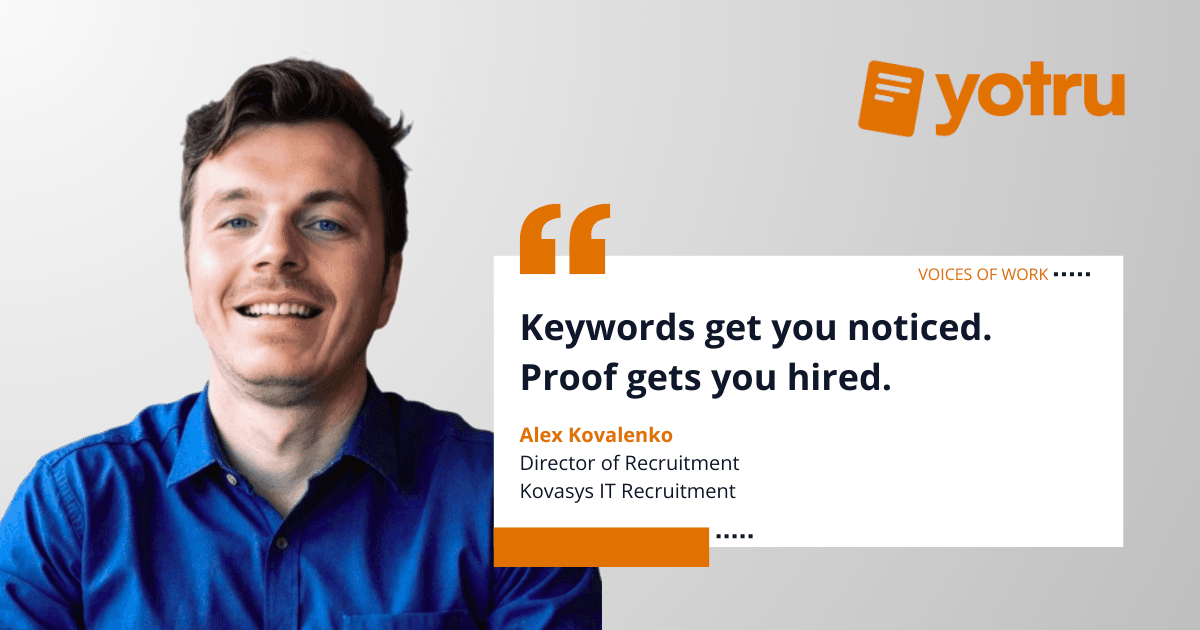
“We use ATS software before a recruiter ever looks at a resume,” Alex said. “Out of 100 applicants, maybe 15 or 20 make it through.”
These systems scan for keywords that match the job posting. If the language does not line up, the resume is filtered out, even if the candidate is capable.
For tech roles, Alex looks for specifics once a resume clears that first gate.
“What tools did you actually use?” he said. “Azure, React, AWS. And what did you do with them?”
General statements do not survive the process. Real examples do.
The Mistakes That Kill Good Candidates
According to Alex, most rejections are self-inflicted.
The biggest one is sending the same resume to every job. When keywords do not match the posting, the ATS says no. Fast.
Another issue is tone. “Some resumes sound like a robot wrote them,” he said. “Big words, no substance, no story.”
He also sees frequent disconnects between resumes and LinkedIn profiles. Missing profiles, outdated roles, or mismatched timelines raise red flags.
And finally, candidates describe tasks instead of outcomes. Writing “coded features” is forgettable. Writing “reduced load time by 40% for 10,000 users” gets attention.
What Strong Candidates Do Differently
The candidates who get hired treat job searching like a skill.
They customize their resumes for each role, pulling language directly from the job description. They quantify impact. They show proof.
“Links to GitHub matter,” Alex said. “Side projects matter. Certifications matter.”
Strong candidates also stay visible. They post about tech trends, comment on industry conversations, and keep their LinkedIn profiles active and aligned.
And they follow up.
“The people we place often send a simple, thoughtful follow-up note,” he added. “It still makes a difference.”
Speed Is Now a Hiring Skill
One of the biggest shifts Alex sees is timing.
“Some jobs get 200 or 300 applicants in the first few days,” he said. “We shortlist early.”
Hiring managers want resumes quickly. Recruiters respond by reviewing early applicants first. Late applications are often backups, even if they are strong.
“If you wait too long, you’re already behind,” Alex said. “Speed beats perfection right now.”
Applying within the first 24 to 48 hours is no longer optional. It is part of the strategy.
What Matters More Than Ever
Looking ahead to 2026, Alex sees three things rising in importance.
- First, AI literacy. Even for non-AI roles, employers expect candidates to understand and use modern tools.
- Second, continuous learning. New certifications and skills signal adaptability.
- Third, numbers. Candidates who can show how they saved time, reduced cost, or improved performance stand out quickly.
“Proof beats promises,” Alex said.

Being Real Wins
After two decades in tech recruitment, Alex keeps coming back to the same idea.
“The best candidates are real,” he said. “They use the right words, they show real work, and they respect how hiring actually happens.”
In a market shaped by automation, volume, and speed, authenticity backed by evidence is what cuts through.
About Alex Kovalenko
Alex Kovalenko is Director of Recruitment at Kovasys IT Recruitment Inc., one of Canada’s leading tech recruitment firms. A former technologist turned recruiter, Alex has helped hundreds of companies across North America hire engineers, developers, and cloud professionals who can build and scale. He has been featured in the New York Times, Wired, Business Insider, and the Toronto Star, and regularly shares candid insights on tech hiring and the future of work.
Pro Tip
This article is part of Yotru's Voices of Work series, highlighting leaders who are redefining how people learn, lead, and get hired. To get featured, please contact us.
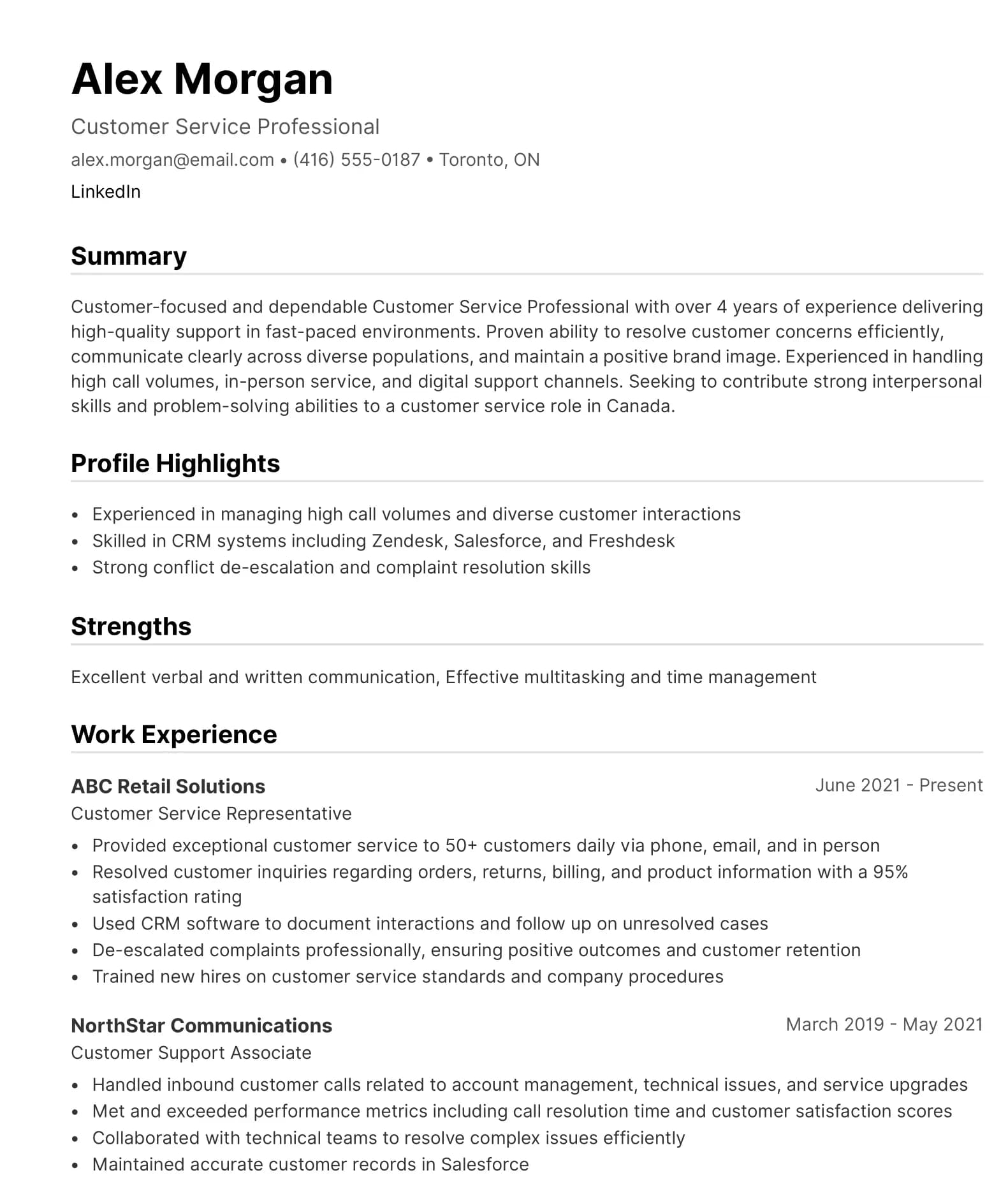
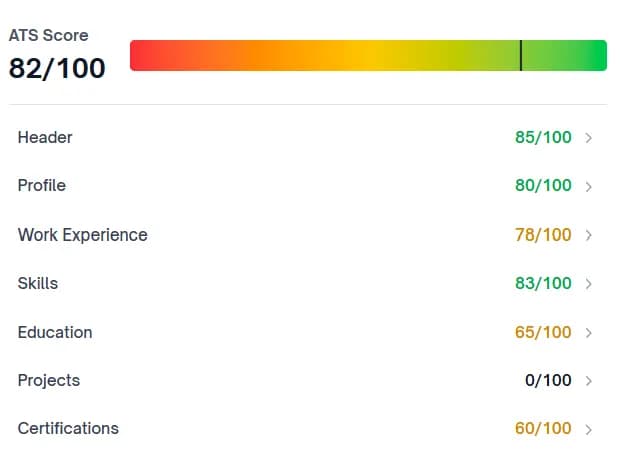
ATS-Optimized resumes That Meet Employer Standards
Our AI-powered scoring system helps organizations assess and standardize resume quality at scale. ATS-compliant templates support consistent formatting, keyword alignment, and interview readiness across cohorts.
About the Author

Team Yotru
Employability Systems
Team Yotru
Employability Systems
We build practical career tools for training providers and workforce programs, combining labor market insights with real employment outcomes. Follow us on LinkedIn.
Audience Context
For tech job seekers and career coaches. Learn how ATS systems, application timing, and measurable proof shape hiring decisions in 2026 from a recruiter who has placed over 1,000 IT professionals.
Disclaimer
Views shared reflect personal experience only. Not official advice. Hiring practices vary by company and region. Use for general guidance, not as professional or legal advice.
Recommended Reading
Signals that get you hired in tech
- What Hiring Managers Notice First — Signals that stand out fast in tech screens
- Job Search Strategies That Work — Tactics that match current tech hiring
- What Methods Show Impact — Ways to evidence real product impact
- What Hundreds of Resumes Taught — Patterns from junior tech CVs
- Traits All Great Resumes Possess — Core traits tech recruiters scan for
ATS, AI, and tech hiring
- ATS Is Not the Enemy — Use ATS speed without losing control
- Demystifying ATS Systems — How recruiters actually use ATS
- AI Resume Builder vs ChatGPT — When AI helps, not hurts, tech candidates
- AI Resume Tools & Inclusion — Using AI while widening access
- New Generation of AI Builders — Lessons from first‑gen tools
Proof of work and portfolios
- How to Use Keywords in Your Resume — Mapping skills to tech roles
- How to Use ChatGPT for Resumes — Turning prompts into real proof
- How to Create a Software Grad Resume — First tech resume plus proof
- How to Add AI on Your Resume — Showing AI skills with outcomes
- ChatGPT Resume Builder Guide — Structuring AI‑assisted projects
Voices of Work and hiring signals
- Nicole Fougere on Trust — Trust, tools, and proof in hiring
- Emily Demirdonder on Character — Character over credentials
- Robert Hourie on AI & Instinct — AI plus recruiter judgment
- Gloria Espina on Suitability — Suitability vs titles in hiring
- Em Richards on Storytelling — Stories that prove impact
References
- 2026 Tech Hiring Outlook — Skills, stacks, and demand signals
- Future of ATS in 2026 — How ATS evolves with AI and UX
- Tech Industry Hiring Stats — Data on skills, AI, and hiring models
- Portfolio Content for Tech Jobs — What tech recruiters want to see
- Skills‑Based Hiring 2026 Report — Trends in skills‑first hiring
Maintained by: Workforce Practice Group at Yotru
Review cycle: Regularly reviewed to reflect real-world practice
Last updated: December 30, 2025
Continue Reading
More insights from our research team

AI in Career Services: Practical Use Cases That Don't Replace Advisors
AI in career services isn't about replacing advisors. It's about handling baseline tasks so career professionals can focus on coaching and relationship building.
7 min read

Resume Builder for Laid Off Workers: Turning Job Loss Into a Fresh Start
For laid-off workers, getting back to work starts with a strong resume. This guide explains how a resume builder for laid-off workers helps you handle employment gaps, highlight transferable skills, and create an ATS-ready document that gets you in front of employers.
2 min read
What “Job-Ready” Actually Means for Early-Career Candidates
Job-ready isn’t about grades anymore. What actually gets early-career candidates hired is real-world experience, initiative, and proof you can deliver from day one.
4 min read

Applying Gatsby Benchmark 3 in Adult and Vocational Education: Personal Guidance at Scale
For careers teams in adult and vocational education. A practical look at applying Gatsby Benchmark 3, delivering personalised guidance at scale without overwhelming staff.
3 min read