Voices of Work
3 min read
Mark Pearce on What Hiring Managers Will Look for in CVs in 2026
Synopsis
A hiring insider with 20 years of experience reveals what hiring managers want in 2026: clear impact, measurable results, and proof that cuts through the noise.
At Yotru, we share stories from people who are shaping how work continues to evolve. Each Voices of Work feature highlights practitioners who see hiring decisions up close and help explain how expectations are changing.
This time, we spoke with Mark Pearce, Marketing & Communications Business Partner at MPI Recruitment in Perth, Australia. With more than 20 years of experience across recruitment, employer branding, and marketing strategy, Mark has reviewed thousands of CVs and worked closely with hiring managers across industries. As the job market moves into 2026, he sees a clear shift in how CVs are being evaluated and what candidates need to do to stand out.
How CVs Are Being Read Going Into 2026
According to Mark, one of the biggest changes heading into 2026 is attention.
Recruiters and hiring managers are managing high application volumes, multiple open roles, and increasingly automated recruitment systems. As a result, CVs are often scanned for seconds rather than minutes. In that environment, responsibility-based CVs struggle to make an impact.
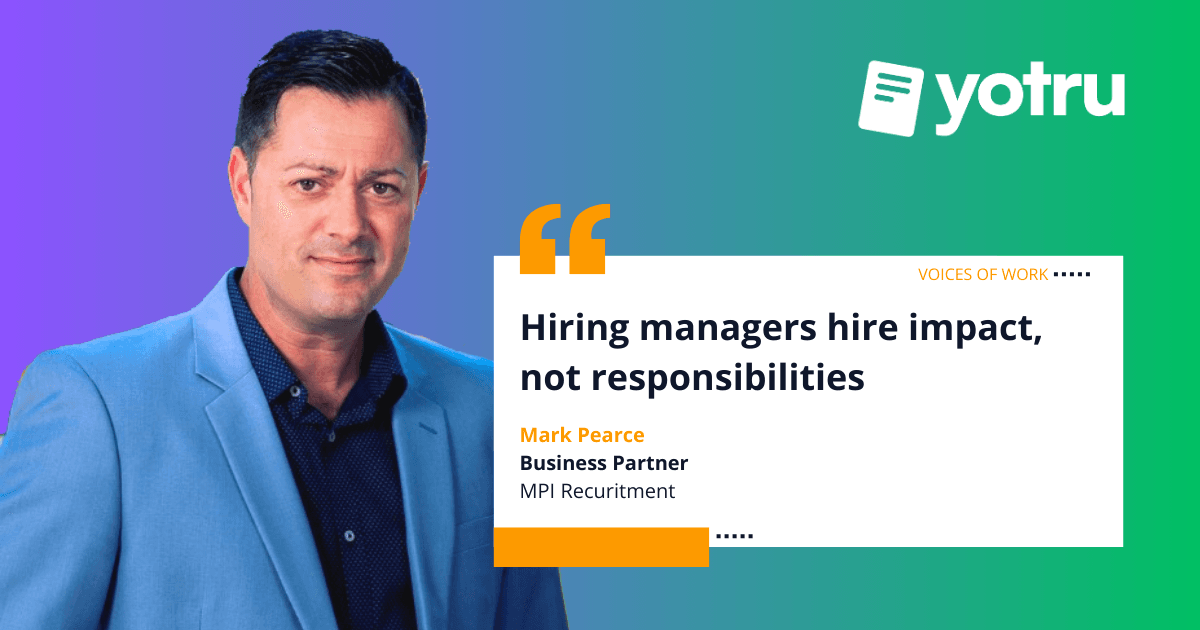
“Most CVs still focus on what someone was responsible for,” Mark said. “But hiring managers already understand the role. What they want to know is what changed because that person was there.”
Clarity and relevance now matter more than length, layout, or polish.
Why Achievements Are Becoming More Important
Across more than two decades of working with hiring managers, Mark has seen one consistent pattern. When decisions need to be made quickly, outcomes matter.
Hiring managers are trying to understand what value a candidate can bring to their team. Achievements help them visualize capability before an interview even takes place. Without clear evidence of results, strong candidates are often overlooked.
“Achievements help hiring managers cut through noise,” Mark explained. “They show confidence, clarity, and capability.”
Turning Experience Into Evidence
To prepare for the 2026 job market, Mark encourages candidates to shift how they think about their experience. Rather than listing tasks or responsibilities, he suggests focusing on evidence of impact.
He recommends asking five practical questions:
- What problems were you hired to solve, and what results followed?
- Where were you promoted or recognized, and why?
- Did you improve sales, productivity, efficiency, or delivery in a measurable way?
- What systems or processes did you improve, and who benefited?
- Have you trained or mentored others, and what outcomes did they achieve?
These questions help candidates uncover achievements they often overlook. They also make CVs easier for hiring managers to assess quickly.
What Job Seekers Should Focus On
Looking ahead, Mark believes CVs that clearly communicate value will continue to perform best. As AI screening and recruiter workload increase, relevance and clarity will matter more than ever.
“The candidates who stand out are the ones who can clearly show the value they bring,” he said.
For job seekers preparing for 2026, the guidance is simple. Focus on outcomes, not activity. Show what you achieved, not just what you were asked to do.
About Mark Pearce
Mark Pearce is Marketing & Communications Business Partner at MPI Recruitment and an independent marketing consultant based in Perth, Australia. With over 20 years of experience across recruitment, employer branding, and marketing strategy, he works closely with hiring managers and talent teams to clarify how value is evaluated in modern hiring.
Pro Tip
This article is part of Yotru's Voices of Work series, highlighting leaders who are redefining how people learn, lead, and get hired. To get featured, please contact us.
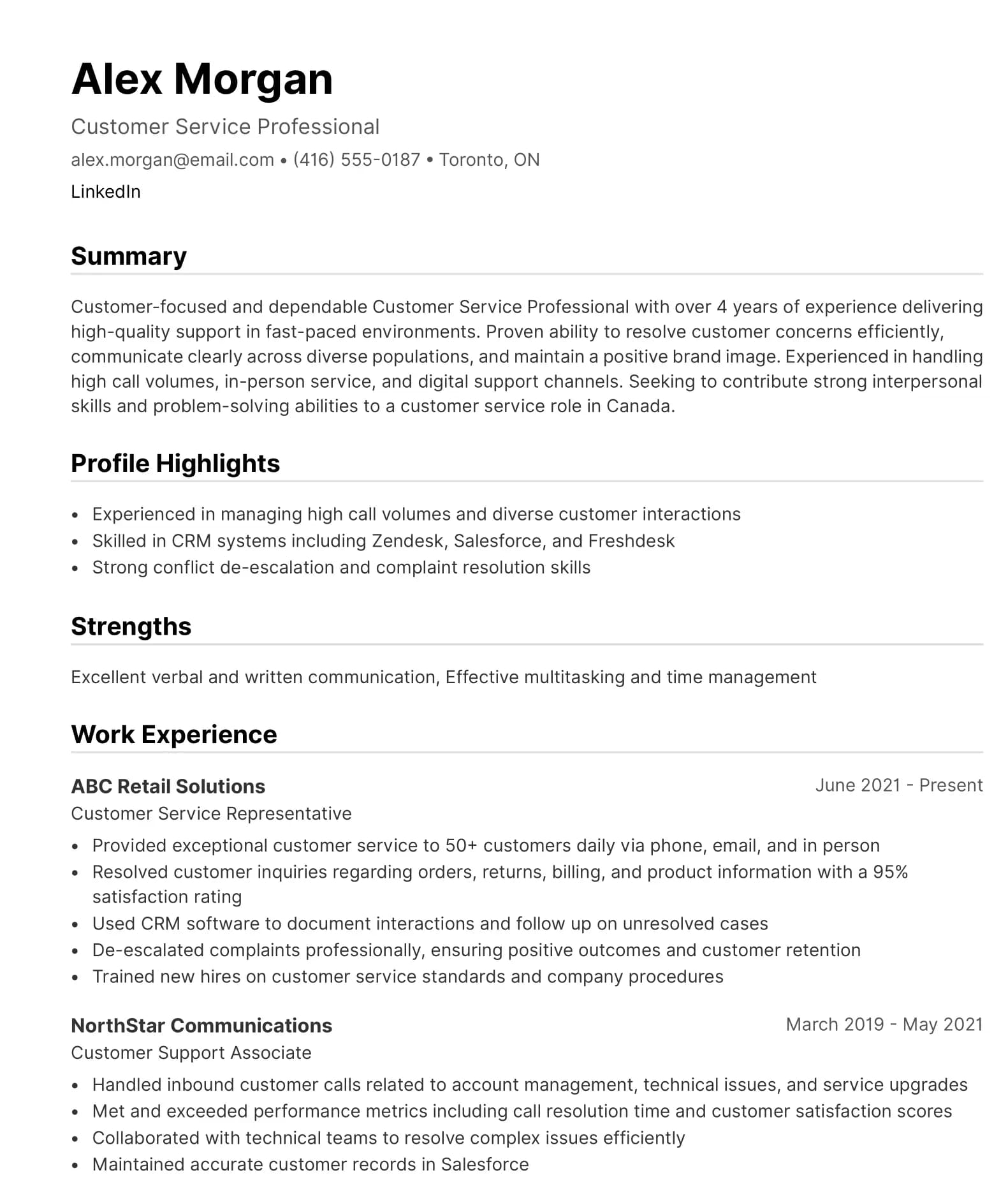
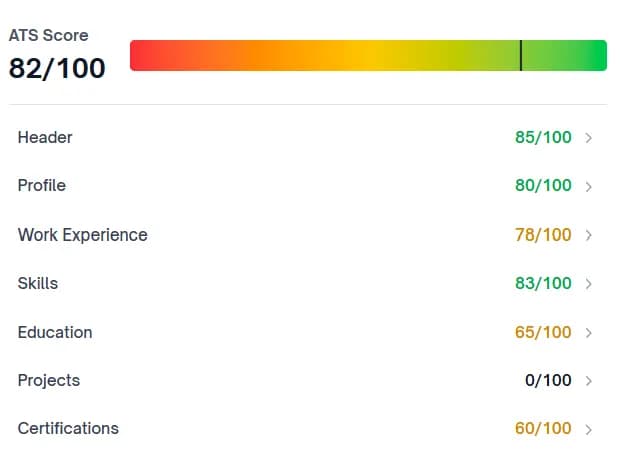
ATS-Optimized resumes That Meet Employer Standards
Our AI-powered scoring system helps organizations assess and standardize resume quality at scale. ATS-compliant templates support consistent formatting, keyword alignment, and interview readiness across cohorts.
About the Author

Team Yotru
Employability Systems
Team Yotru
Employability Systems
We build practical career tools for training providers and workforce programs, combining labor market insights with real employment outcomes. Follow us on LinkedIn.
Audience Context
For job seekers and career educators. Learn what CVs must show in 2026, why outcomes beat responsibilities, and how hiring managers assess candidate value quickly from a recruitment insider.
Disclaimer
For job seekers and career educators. Learn what CVs must show in 2026, why outcomes beat responsibilities, and how hiring managers assess candidate value quickly from a recruitment insider.
Recommended Reading
Outcomes and CV signals
- Traits All Great Resumes Possess — Core traits hiring managers scan for
- What Methods Show Impact — Structure bullets around outcomes
- What Hiring Managers Notice First — Signals that stand out in seconds
- What Hundreds of Resumes Taught — Lessons from real CV reviews
- Resume Length: One or Two Pages — Scope and focus for 2026 CVs
Skills-first, not CV-first
- Skills in Resume for Freshers — Highlight skills, not just titles
- Why It Feels Hard to Get a Job — Market shift toward skills-first
- Why Interviews Feel Harder — Process vs real capability
- Job Search Strategies That Work — Strategies aligned with new filters
- How to Target Job Keywords — Matching skills to JD language
Character, values, and fit
- Emily Demirdonder on Character — Character over credentials
- Nicole Fougere on Trust — Trust, tools, and proof
- Gloria Espina on Suitability — Suitability beyond CV labels
- Green Flags in Interviews — Behavioural signals of fit
- What Really Matters in Interviews — How managers test for fit
Voices of Work and hiring trends
- Alex Kovalenko on Tech Hiring — Tech recruiter’s view on signals
- Amanda Main on Gen Z Pivot — Changing paths and proof
- Robert Hourie on AI & Instinct — AI plus recruiter judgment
- Em Richards on Storytelling — Story as evidence of value
- Danielle Ayodele on Safe Learning — Coaching toward measurable impact
References
- Why Hiring for Character Matters — Case for character-first CV review
- Why Hire Character Over Credentials — Outcomes of character-first hiring
- Values-Based Recruitment — Hiring on values and behaviours
- Skills-Based Hiring vs the CV — Moving from CV-first to skills-first
- Hiring Trends Report 2026 — Shift away from CV-only screening
Maintained by: Workforce Practice Group at Yotru
Review cycle: Regularly reviewed to reflect real-world practice
Last updated: February 10, 2026
Continue Reading
More insights from our research team

AI in Career Services: Practical Use Cases That Don't Replace Advisors
AI in career services isn't about replacing advisors. It's about handling baseline tasks so career professionals can focus on coaching and relationship building.
7 min read

Resume Builder for Laid Off Workers: Turning Job Loss Into a Fresh Start
For laid-off workers, getting back to work starts with a strong resume. This guide explains how a resume builder for laid-off workers helps you handle employment gaps, highlight transferable skills, and create an ATS-ready document that gets you in front of employers.
2 min read
What “Job-Ready” Actually Means for Early-Career Candidates
Job-ready isn’t about grades anymore. What actually gets early-career candidates hired is real-world experience, initiative, and proof you can deliver from day one.
4 min read

Applying Gatsby Benchmark 3 in Adult and Vocational Education: Personal Guidance at Scale
For careers teams in adult and vocational education. A practical look at applying Gatsby Benchmark 3, delivering personalised guidance at scale without overwhelming staff.
3 min read