Voices of Work
4 min read
Nicole Fougere on Trust, Tools, and the Future of Hiring - Voices of Work
Synopsis
Founder Nicole Fougere shares how AI is reshaping hiring, why proof beats polish, and what recruiters and candidates should do to build trust and stand out in an AI-driven market.
At Yotru, we want to share the stories of people who are shaping the future of work. That is why we started the Voices of Work. Each piece highlights a leader with deep experience in hiring, talent, and technology.
For our first feature, we spoke with Nicole Fougere, Founder of TaiLR Made AI. Nicole has spent more than 25 years helping organizations build hiring systems that work. She has led talent acquisition operations at CGI, Scotiabank, and CIBC, built national recruitment playbooks, and guided companies through compliance audits and workforce changes. Today, she runs her own consultancy and builds tools that help recruiters make faster, better decisions.
Nicole describes herself as the “mechanic” of recruiting. Recruiters may drive the bus and leaders may set the route, but she is the one who makes sure the wheels stay aligned and the systems run smoothly.

How AI in Hiring Has Changed
Nicole explained that AI has been in hiring for years. Early applicant tracking systems used machine learning to parse resumes and rank candidates. What has changed is the rise of large language models.
“Now anyone can create a polished resume or cover letter in minutes. Sourcers can also build huge shortlists almost instantly,” she said. “The real question is no longer about speed. It is about trust and proof of work.”
Clearing Up Misconceptions
One of the biggest misconceptions Nicole sees is the idea that AI is automatically a neutral shortcut.
“AI amplifies whatever process you already have. If your checks are weak, AI just makes fakery look more credible and spreads it faster,” she explained.
The message is simple. AI helps only when humans stay in the loop and verification is strong.
How Candidates Can Keep Their Voice
With AI-written resumes everywhere, Nicole stresses the importance of staying authentic. She encourages candidates to:
- Use AI for a first draft, not the final product
- Add proof such as project links, GitHub repos, or demos
- Write one line that explains your role on a key project
- Read it aloud and adjust it until it sounds like you
“Every candidate, like every recruiter, needs a human in the loop,” she said.
Nicole’s focus on proof over polish lines up with what we are building at Yotru. We want to help candidates tell their real story, show the skills and projects that make them stand out, and still give them the speed of modern tools.
Building Tools That Put Proof First
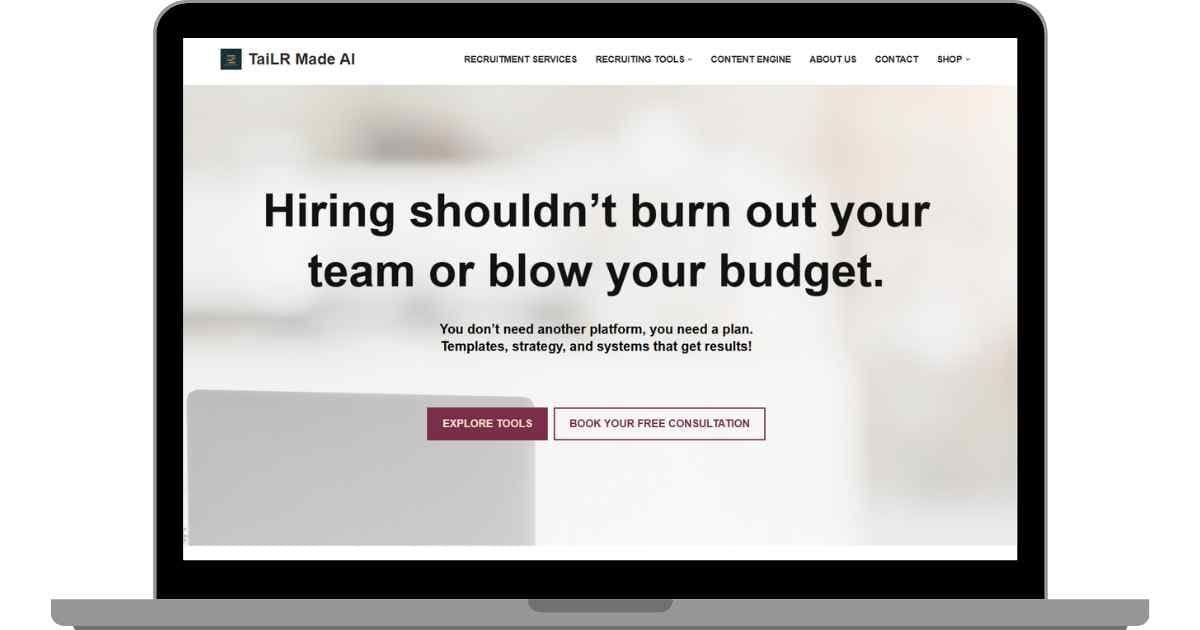
Through her company TaiLR Made AI, Nicole has built a suite of tools designed for speed and evidence:
- Verify: A browser extension that flags resume risks like fake schools, overlapping timelines, or suspicious email domains
- Write: A job ad generator that avoids bias and helps recruiters focus on relevance
- Fit: A tool that builds an ideal candidate profile so teams know what they are looking for before they start sourcing
The common thread is action. Recruiters get quick insights and shareable reports without slowing down their workflow.
The Future of Recruiter and Candidate Relationships
Nicole sees AI handling more of the repetitive work in hiring. That means recruiters can spend more time on what matters most: people.
“Recruiters will focus more on validation, coaching, and advising,” she said. “Candidates who can show real proof of their work and explain their process will stand out.”
For her, trust will define the recruiter–candidate relationship in the next few years.
Advice for Students and New Grads
Nicole’s advice for people starting out is clear.
- Build proof, not just polish
- Publish small projects, upload case studies, and document your role
- Collect at least one referee who can speak to your work
- Use AI to save time but learn how to explain your process in plain language
“That mix of proof and clarity beats a perfect-looking resume,” she said.
At Yotru, we share the same belief. Our goal is to make it easy for job seekers to create clear resumes that highlight their real skills while still saving time with modern tools.

About Nicole Fougere
Nicole is the Founder of TaiLR Made AI, based in Toronto. She helps recruiters and hiring teams build systems that are scalable, compliant, and human-centered. She holds an MBA with Distinction from York University’s Schulich School of Business, where she also studied abroad at ESADE in Spain.
She has led national recruitment strategies, built diversity and inclusion programs, and designed performance frameworks used by recruiters across Canada. Today she works as a fractional TA Ops and Compliance leader, building playbooks, dashboards, and tools for agencies, founders, and enterprise teams.
Pro Tip
This article is part of Yotru’s Voices of Work series, highlighting leaders who are redefining how people learn, lead, and get hired. To get featured, please contact us.
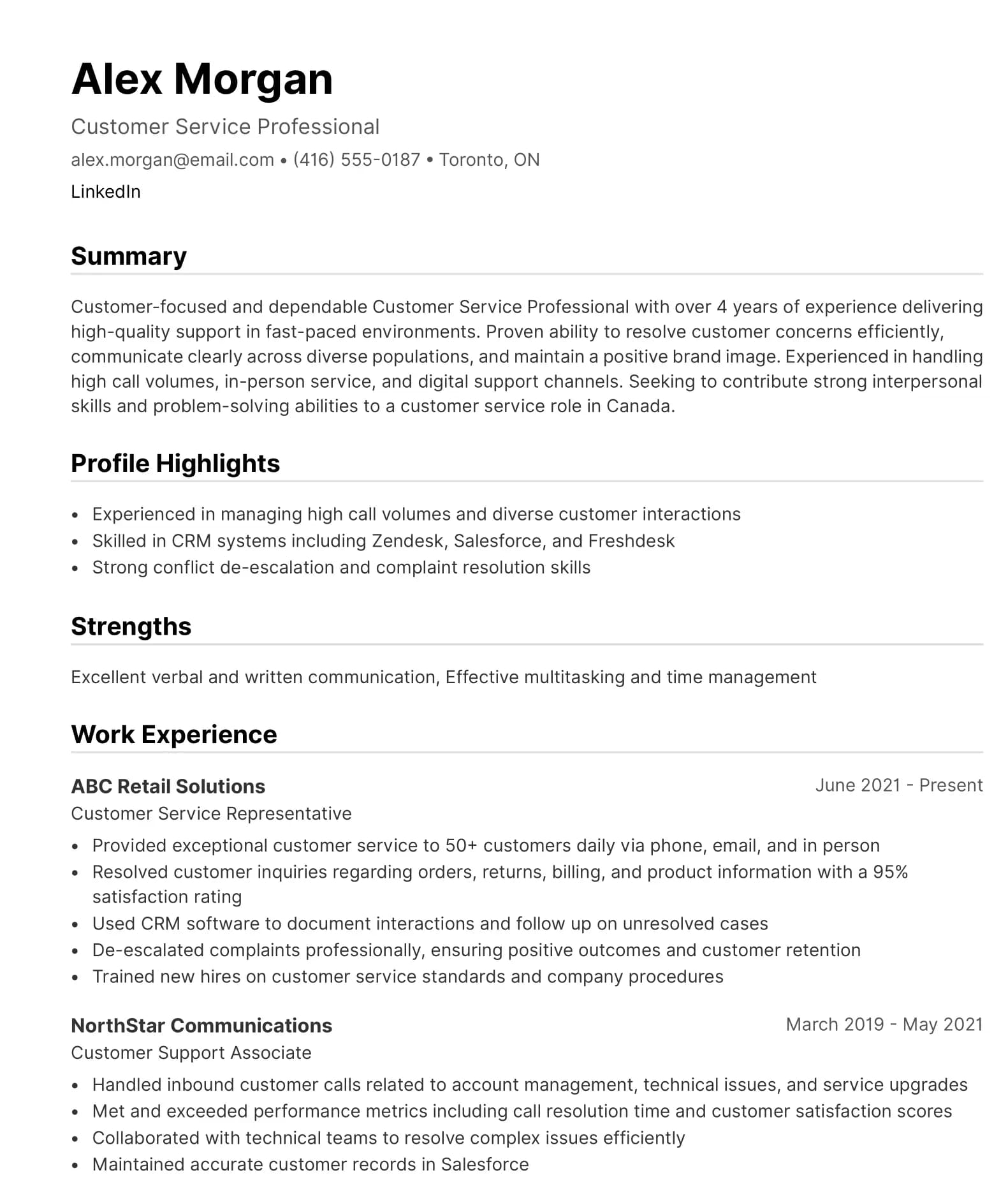
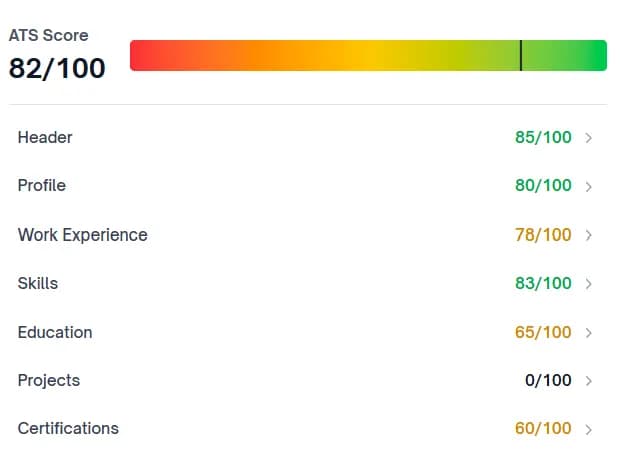
ATS-Optimized resumes That Meet Employer Standards
Our AI-powered scoring system helps organizations assess and standardize resume quality at scale. ATS-compliant templates support consistent formatting, keyword alignment, and interview readiness across cohorts.
About the Author

Team Yotru
Employability Systems
Team Yotru
Employability Systems
We build practical career tools for training providers and workforce programs, combining labor market insights with real employment outcomes. Follow us on LinkedIn.
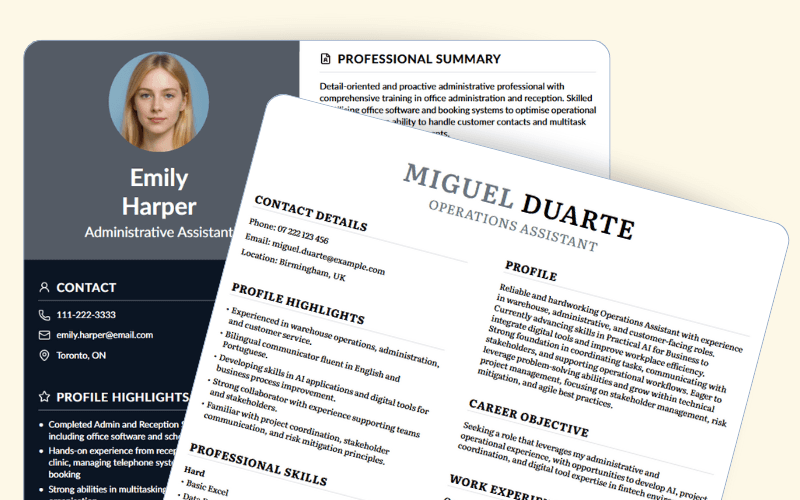
ATS optimized resumes with Yotru
Yotru helps individuals and teams create standout, job-ready resumes at scale.
Continue Reading
More insights from our research team

AI in Career Services: Practical Use Cases That Don't Replace Advisors
AI in career services isn't about replacing advisors. It's about handling baseline tasks so career professionals can focus on coaching and relationship building.
7 min read

Resume Builder for Laid Off Workers: Turning Job Loss Into a Fresh Start
For laid-off workers, getting back to work starts with a strong resume. This guide explains how a resume builder for laid-off workers helps you handle employment gaps, highlight transferable skills, and create an ATS-ready document that gets you in front of employers.
2 min read
What “Job-Ready” Actually Means for Early-Career Candidates
Job-ready isn’t about grades anymore. What actually gets early-career candidates hired is real-world experience, initiative, and proof you can deliver from day one.
4 min read

Applying Gatsby Benchmark 3 in Adult and Vocational Education: Personal Guidance at Scale
For careers teams in adult and vocational education. A practical look at applying Gatsby Benchmark 3, delivering personalised guidance at scale without overwhelming staff.
3 min read