
Voices of Work
4 min read
Robert Hourie on AI, Instinct, and the Future of Recruitment – Voices of Work
Synopsis
Recruiter Robert Hourie reveals how AI sorts resumes, where algorithms miss great candidates, and why human instinct still decides who actually gets hired today.
At Yotru, we want to share the stories of people who are shaping the future of work. That is why we started the Voices of Work series. Each piece highlights a leader with deep experience in hiring, talent, and technology.
For this feature, we spoke with Robert Hourie, Director and Talent Partner at Elwood Roberts in Dublin. Rob has spent more than 15 years in IT and data center recruiting, helping companies from startups to multinationals hire the right people and guiding candidates into lasting careers. He has placed hundreds of professionals worldwide and built strong networks across software, hardware, data center, and engineering roles.
How AI in Hiring Has Changed
Rob has seen recruitment transform dramatically over the last two decades. He remembers when newspaper ads drew just a handful of CVs, job boards like Monster were the new frontier, and most candidates came from the local market. Recruiters spent hours on the phone, building relationships one call at a time.
Today, AI is speeding up repetitive work such as sorting resumes, sourcing candidates, and handling initial outreach. “AI gets us bigger candidate pools and finds talent that might have been overlooked,” Rob explained. “But cultural fit, motivation, and client needs do not show up in algorithms. That is where the human touch still matters.”
At Yotru, we see the same pattern. Our tools make it faster to create a polished, structured resume, but the goal is not speed for its own sake. We want to give candidates back the time to focus on proof, storytelling, and authentic conversations with recruiters.

How Resume Sorting Works at Elwood Roberts
Elwood Roberts uses AI-powered parsing and ranking to save time, but never relies on it alone. “Right now, AI gets us 60% of the way,” Rob said. “But that last step, that gut instinct a seasoned recruiter brings, that is what clients really pay us for.”
Their process combines AI with structured questions and human review. Parsers help the CRM rank candidates, but every shortlist is checked by a recruiter before moving forward.
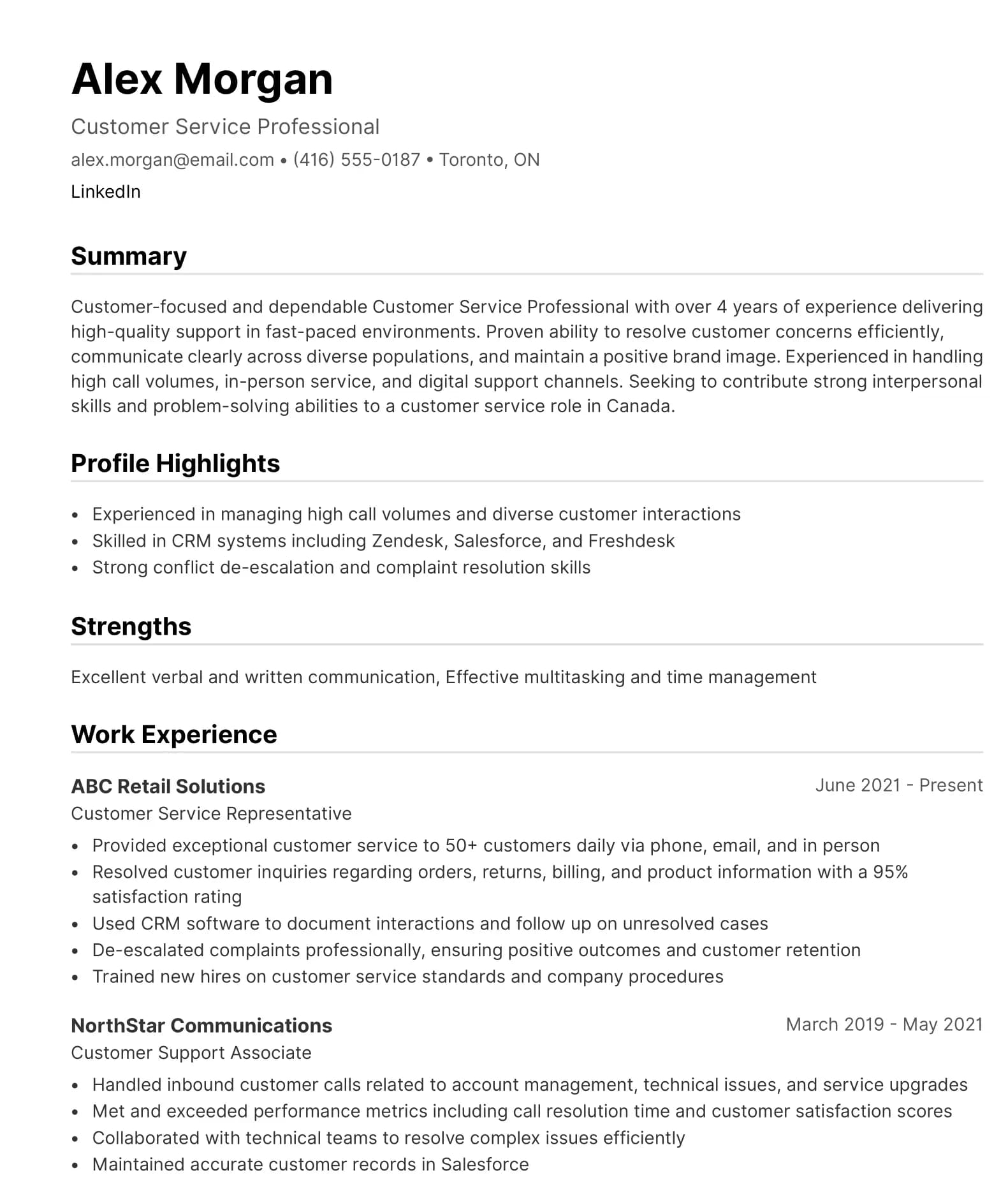
Yotru extends this idea to job seekers. By giving candidates clear formatting and keyword alignment without clutter, our platform helps resumes get past parsing systems. That means recruiters like Rob spend less time cleaning up CVs and more time focusing on potential.
When AI Gets It Right and When It Misses
AI once flagged a candidate for a data center role who had a non-traditional background: lots of hands-on experience, no degree, but strong certifications. The system ranked the CV in the middle of the pile, but Rob saw the potential. With his advocacy, the candidate was hired successfully.
At the same time, AI often overlooks strong candidates who use different terminology, have career gaps, or present their experience in unusual ways. “That is why we always double-check,” Rob said. “Especially for senior or niche roles.”
Yotru helps close this gap. We encourage candidates to highlight measurable achievements and certifications in simple, structured language so that both AI and humans can recognize the value.
Where AI Struggles Most
For Rob, the biggest gaps are in areas that cannot be reduced to keywords: cultural fit, soft skills, and motivation. AI also produces false positives, candidates who look ideal on paper but do not succeed in practice.
“That is why interviews and reference checks are still critical,” he explained. “They catch things AI cannot.”
At Yotru, we agree that no tool should replace judgment. That is why our system is designed to give candidates speed without stripping away their individuality. Recruiters can see the evidence of skills, and candidates still have room to tell their real story.

Advice for Job Seekers in the AI Age
Rob’s advice is clear:
- Tailor your CV with keywords from the job description
- Keep formatting simple and avoid graphics or tables
- Highlight measurable achievements and certifications
- Make the first two pages count and keep them concise and impactful
- Prepare for AI-driven video interviews with clear, confident answers
He also reminds job seekers not to rely only on applications. “Networking and referrals remain powerful,” Rob said. “AI will not change that.”
This aligns with Yotru’s vision. We make it easier for candidates to build resumes that get noticed, but we also stress that real opportunities come from connections, conversations, and proof of work.
The Future of Recruiter and Candidate Relationships
Rob believes AI will become more deeply embedded in recruitment, especially for high-volume programs like graduate hiring. “Some entry-level or high-volume roles may become fully automated,” he said. “But selling a role, building relationships, and making final judgments, that is where recruiters will always add value.”
At Yotru, we share that view. We believe AI should be an assistant, not a replacement. The best future is one where tools do the heavy lifting while people focus on trust, fit, and career growth.
About Robert Hourie
Robert Hourie is Director and Talent Partner at Elwood Roberts, based in Dublin. He brings more than 15 years of experience in IT and data center recruitment, having previously led hiring programs at GemPool Recruitment and WorkFusion. Over his career, Rob has placed more than 265 candidates, built international networks across the tech sector, and developed a reputation for honest, consultative recruitment.
Rob holds a Business Studies qualification from the National College of Ireland. Today, he works with companies across Europe to source top talent, cut operational costs, and support digital transformation. His mission is to combine the best of AI with the power of human instinct.
Pro Tip
This article is part of Yotru’s Voices of Work series, highlighting leaders who are redefining how people learn, lead, and get hired. To get featured, please contact us.
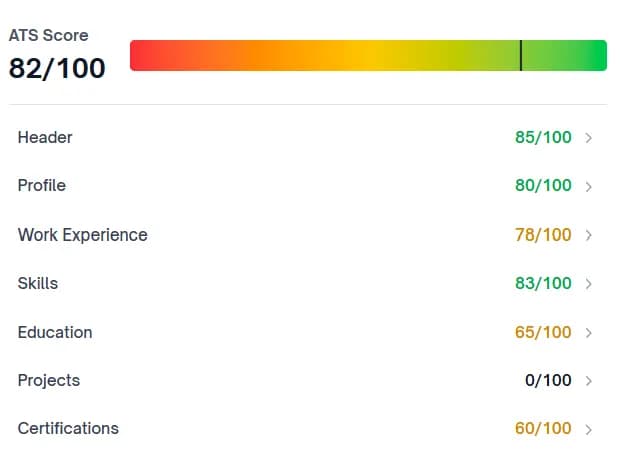
ATS-Optimized resumes That Meet Employer Standards
Our AI-powered scoring system helps organizations assess and standardize resume quality at scale. ATS-compliant templates support consistent formatting, keyword alignment, and interview readiness across cohorts.
About the Author

Team Yotru
Employability Systems
Team Yotru
Employability Systems
We build practical career tools for training providers and workforce programs, combining labor market insights with real employment outcomes. Follow us on LinkedIn.
Audience Context
For tech candidates, HR teams, and recruiters. Learn how AI and human instinct work together in recruitment, from CV screening to final hiring decisions without losing fit and motivation.
Disclaimer
Views shared reflect personal experience only. Not official advice. Hiring practices vary by company and region. Use for general guidance, not as professional or legal advice.
Recommended Reading
AI, instinct, and hiring systems
- ATS Is Not the Enemy — Use ATS speed without losing control
- Demystifying ATS Systems — How recruiters actually use ATS
- AI Resume Builder vs ChatGPT — When AI tools really help candidates
- AI Resume Tools & Inclusion — Using AI without excluding talent
- New Generation of AI Builders — Lessons from first-gen AI tools
Human-first hiring and trust
- Nicole Fougere on Trust — Trust, tools, and hiring signals
- Gloria Espina on Suitability — Suitability over credentials
- Emily Demirdonder on Character — Why character beats titles
- Tina Robinson on Leadership — Habits that sustain trust
- Green Flags in Interviews — Signs of healthy hiring teams
Candidate strategy in the AI age
- Should You Trust AI Resumes? — What recruiters really think
- Hiding AI Prompts Backfires — Risks of hidden AI tricks
- What If They Ask About AI? — Answer AI questions with honesty
- Job Search Strategies Now — Tactics aligned with modern hiring
- Networking That Lasts — Build recruiter relationships
Recruiters, tech, and scaling
- Alex Kovalenko on Tech Hiring — Signals that win tech roles
- Fallon Chase on Fractional HR — Fractional HR, systems, scale
- Mark Pearce on CV Review — How managers scan CVs
- HR and Layoffs: Lessons — Tools plus humane decisions
- How Yotru Helps Regions Upskill — Systems view of upskilling
References
- Skills-First at Work — SHRM’s skills‑first hiring initiative
- AI & Fairness in Hiring — Research on fair AI-supported hiring
- Human-First Hiring — Authenticity in modern recruiting
- High-Impact Talent Acquisition — Balancing tech and human judgment
- HR Trends 2025 — Key HR trends for leaders this year
Maintained by: Workforce Practice Group at Yotru
Review cycle: Regularly reviewed to reflect real-world practice
Last updated: December 30, 2025
Continue Reading
More insights from our research team

AI in Career Services: Practical Use Cases That Don't Replace Advisors
AI in career services isn't about replacing advisors. It's about handling baseline tasks so career professionals can focus on coaching and relationship building.
7 min read

Resume Builder for Laid Off Workers: Turning Job Loss Into a Fresh Start
For laid-off workers, getting back to work starts with a strong resume. This guide explains how a resume builder for laid-off workers helps you handle employment gaps, highlight transferable skills, and create an ATS-ready document that gets you in front of employers.
2 min read
What “Job-Ready” Actually Means for Early-Career Candidates
Job-ready isn’t about grades anymore. What actually gets early-career candidates hired is real-world experience, initiative, and proof you can deliver from day one.
4 min read

Applying Gatsby Benchmark 3 in Adult and Vocational Education: Personal Guidance at Scale
For careers teams in adult and vocational education. A practical look at applying Gatsby Benchmark 3, delivering personalised guidance at scale without overwhelming staff.
3 min read