Market
9 min read
Turkey Jobs 2026: Hiring Trends + Salaries
Synopsis
Turkey enters 2026 with moderate headline unemployment masking severe structural challenges, but acute skills shortages in technology, manufacturing, and renewable energy create strong opportunities.
Turkey enters 2026 with unemployment at 8.5%, down from the historical average of 10% but still high by OECD standards. However, according to labor market analysis, broadly defined unemployment—including discouraged workers—reaches approximately 28-29%, while the employment rate stands at only 49-50% of the working-age population. Despite these structural challenges, acute skills shortages persist in technology, manufacturing, and renewable energy sectors. This guide explains where hiring is strongest in Turkey, which skills matter most, and how to tailor your resume with Yotru's resume builder to stand out in a selective market.
Key Insight
Turkey’s 27% minimum wage hike helps protect workers from inflation but adds pressure on employers. Higher labor costs may slow hiring, raise prices, and push some jobs into the informal economy, highlighting ongoing economic strain.
Whether you're a Turkish job seeker, a recent graduate entering the workforce, or an international worker considering opportunities in Turkey, understanding the current labor market is essential for making informed career decisions.
| Turkey 2026: labor market at a glance | ||
|---|---|---|
| Indicator | 2026 estimate | Job Outlook |
| Unemployment rate | 8.5% (official) but 28-29% (broad measure) | Medium |
| Job vacancy level | Acute shortages in tech, manufacturing, renewable energy | Medium |
| Top shortage sectors | AI/cybersecurity, manufacturing, renewable energy, biotech | High |
| Real wage trend | 27% minimum wage increase for 2026; inflation pressure on real incomes | Medium |
| Strongest profiles | Tech with English skills, skilled manufacturing, renewables | High |
Sources: Turkish Statistical Institute, Ministry of Labor and Social Security, Medium-Term Plan 2025-27
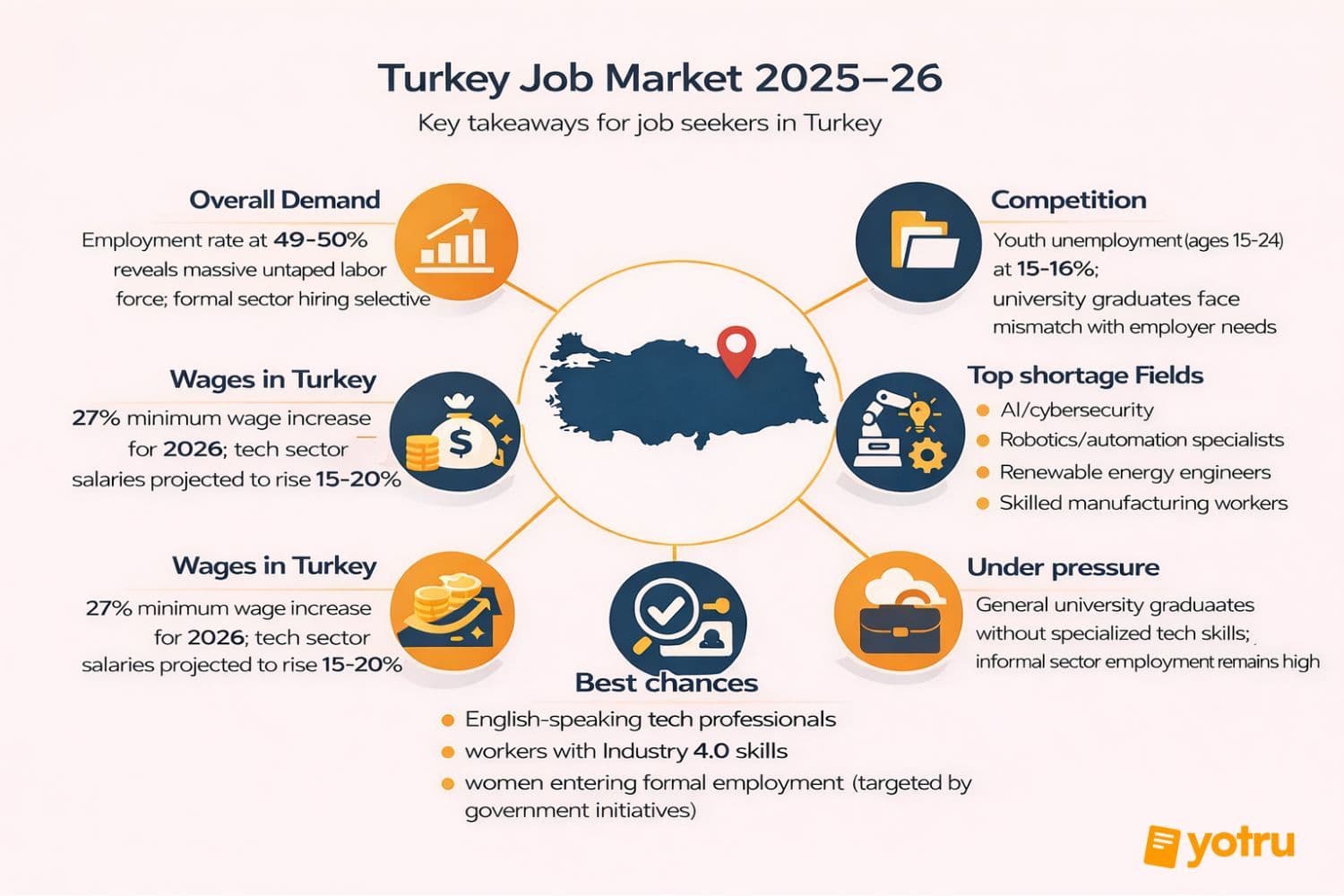
Key takeaways for job seekers in Turkey
- Overall demand: Employment rate at 49-50% reveals massive untapped labor force; formal sector hiring selective
- Competition: Youth unemployment (ages 15-24) at 15-16%; university graduates face mismatch with employer needs
- Top shortage fields: AI/cybersecurity, robotics/automation specialists, renewable energy engineers, skilled manufacturing workers
- Under pressure: General university graduates without specialized tech skills; informal sector employment remains high
- Wages in Turkey: 27% minimum wage increase for 2026; tech sector salaries projected to rise 15-20%
- Best chances: English-speaking tech professionals, workers with Industry 4.0 skills, women entering formal employment (targeted by government initiatives)
Jobs in Turkey by sector
Technology and IT jobs in Turkey
Turkey's government aims to boost the AI sector to 5% of GDP by 2025-2026, expected to create around 50,000 new tech jobs with priority for English-speaking talent. Tech salaries are projected to increase 15-20% as skills shortages intensify.
Salary in Turkey:
- Software developers: 180,000–350,000 TRY (entry to mid-level)
- AI/machine learning specialists: 300,000–600,000 TRY+
- Cybersecurity professionals: 250,000–500,000 TRY
- Data scientists: 200,000–400,000 TRY
- Strongest demand: Istanbul, Ankara, Izmir tech hubs; remote roles increasingly common
Who's hiring:
- AI and machine learning engineers — Government targeting 5% of GDP in AI; acute shortage of specialists
- Cybersecurity experts — 38% of telecom/media companies still cannot find qualified professionals
- Cloud computing specialists — Digital transformation driving demand across service sectors
- Blockchain developers — 47 new crypto firms seeking operational permission; limited skilled experts
What you need:
- English proficiency: Critical for tech roles; most documentation and collaboration in English
- Specialized certifications: Cloud (AWS, Azure), cybersecurity (CISSP, CEH), AI/ML frameworks
- Practical experience: Portfolio projects, GitHub contributions valued over credentials alone
- Adaptability: Hybrid work common (55% of service sector companies adopted flexible arrangements)
Job posting signals: "English required," "remote-friendly," "startup environment," "Industry 4.0 experience"
Hint
Tech startups in Istanbul's innovation hubs often offer equity compensation alongside salaries. Research company funding stage and growth trajectory before accepting offers to understand total compensation potential.
If you're applying from abroad:
- Turkey introduced three-year flexible work permits for robotics/automation specialists
- English-speaking tech talent prioritized; remote work during visa processing sometimes possible
- Focus resume on specific technologies (Python, React, Kubernetes) not just general "programming"
- Emphasize international project experience and English-language work environments
- Research visa requirements early; work permit tied to specific employer
How Yotru helps: Yotru's resume builder helps tech professionals present specialized skills in formats that match Turkish employer expectations and highlight English proficiency critical for international-facing roles.

Jobs in Turkey by sector
Technology and IT jobs in Turkey
Turkey's government aims to boost the AI sector to 5% of GDP by 2025-2026, expected to create around 50,000 new tech jobs with priority for English-speaking talent. Tech salaries are projected to increase 15-20% as skills shortages intensify.
Salary in Turkey:
- Software developers: 180,000–350,000 TRY (entry to mid-level)
- AI/machine learning specialists: 300,000–600,000 TRY+
- Cybersecurity professionals: 250,000–500,000 TRY
- Data scientists: 200,000–400,000 TRY
- Strongest demand: Istanbul, Ankara, Izmir tech hubs; remote roles increasingly common
Who's hiring:
- AI and machine learning engineers — Government targeting 5% of GDP in AI; acute shortage of specialists
- Cybersecurity experts — 38% of telecom/media companies still cannot find qualified professionals
- Cloud computing specialists — Digital transformation driving demand across service sectors
- Blockchain developers — 47 new crypto firms seeking operational permission; limited skilled experts
What you need:
- English proficiency: Critical for tech roles; most documentation and collaboration in English
- Specialized certifications: Cloud (AWS, Azure), cybersecurity (CISSP, CEH), AI/ML frameworks
- Practical experience: Portfolio projects, GitHub contributions valued over credentials alone
- Adaptability: Hybrid work common (55% of service sector companies adopted flexible arrangements)
Job posting signals: "English required," "remote-friendly," "startup environment," "Industry 4.0 experience"
Hint: Tech startups in Istanbul's innovation hubs often offer equity compensation alongside salaries. Research company funding stage and growth trajectory before accepting offers to understand total compensation potential.
If you're applying from abroad:
- Turkey introduced three-year flexible work permits for robotics/automation specialists
- English-speaking tech talent prioritized; remote work during visa processing sometimes possible
- Focus resume on specific technologies (Python, React, Kubernetes) not just general "programming"
- Emphasize international project experience and English-language work environments
- Research visa requirements early; work permit tied to specific employer
How Yotru helps: Yotru's resume builder helps tech professionals present specialized skills in formats that match Turkish employer expectations and highlight English proficiency critical for international-facing roles.

Manufacturing and Industry 4.0 jobs in Turkey
Manufacturing recorded a remarkable 32.5% export increase in 2024, accounting for 34.5% of total FDI at $2.3 billion. However, rapid automation creates demand for workers skilled in smart systems, not just manual labor.
Salary in Turkey:
- Skilled machinists/welders: 120,000–220,000 TRY
- Robotics technicians: 150,000–280,000 TRY
- Quality control specialists: 130,000–240,000 TRY
- Production engineers: 180,000–350,000 TRY
- Strongest demand: Bursa (automotive), Kocaeli (manufacturing), Ankara (defense)
Who's hiring:
- Automotive manufacturers — Expanding facilities need workers capable of managing automated systems
- Defense and aerospace (ASELSAN, TUSAŞ, Roketsan) — Government support driving recruitment of engineers, technicians
- Industrial automation specialists — Factories implementing Industry 4.0 technologies across sectors
- Chemical and plastics engineers — Environmental regulations driving innovation in recycling, biodegradable materials
What you need:
- Technical certifications: Mechatronics, CNC programming, PLC systems, robotics maintenance
- Industry 4.0 literacy: Understanding of IoT, data interpretation, automated systems
- Safety compliance: Knowledge of Turkish workplace health and safety regulations
- Adaptability: Ability to transition from manual work to tech-enabled production roles
Job posting signals: "PLC programlama," "Endüstri 4.0," "otomasyon," "kalite kontrol"
Pro Tip: Government and private sector offer upskilling programs targeting Industry 4.0 skills. Over 137,000 people trained in adaptation programs in early 2025. Research İŞKUR (Turkish Employment Agency) vocational training before applying—completing relevant programs signals commitment.
If you're applying from abroad:
- Skilled trades face shortages while general university graduates face unemployment—target specialized roles
- Manufacturing concentrated in specific regions; relocation support sometimes included
- Emphasize experience with German or Japanese manufacturing systems (Turkey's key trading partners)
- Turkish language beneficial but English sufficient in multinational manufacturing facilities
- Three-year flexible work permits available for robotics/automation specialists
How Yotru helps: Yotru helps manufacturing professionals translate technical certifications and hands-on experience into resume formats that pass ATS systems and highlight Industry 4.0 capabilities employers need.
Pro Tip
Turkey’s renewable energy boom is creating strong demand for engineers with hands-on solar, wind, and green hydrogen experience. If you can show real project work, technical depth, and English proficiency, you stand out fast. Focus your resume on what you built or operated, not just your degree.
Renewable energy and green technology jobs in Turkey
Turkey's commitment to sustainable energy transition drives investments in renewable energy, with plans to generate 120,000 megawatts through renewable sources and $100 billion investment by 2035.
Salary in Turkey:
- Renewable energy engineers: 200,000–400,000 TRY
- Solar/wind farm technicians: 140,000–260,000 TRY
- Green hydrogen R&D specialists: 250,000–500,000 TRY+
- Energy infrastructure engineers: 180,000–350,000 TRY
Market reality: Shortage of skilled workforce concerns rising due to limited engineers capable of designing, developing, and operating renewable energy systems. Workers with organized specialization in similar projects or willingness to learn can fill skill gaps.
What you need:
- Engineering degrees: Electrical, mechanical, or environmental engineering focused on renewable systems
- Project experience: Demonstrated work on solar, wind, or green hydrogen projects
- English proficiency: International partnerships and documentation require English skills
- Regional flexibility: Projects often in coastal areas (wind) or sunny regions (solar)
How Yotru helps: Renewable energy professionals can use Yotru's resume builder to highlight specialized project experience and technical capabilities that differentiate them in this high-growth sector.

Tourism and hospitality jobs in Turkey
Turkey welcomed 62.2 million visitors in 2024, a 9.4% increase, with medical tourism generating $10 billion from 2 million medical tourists.
Salary in Turkey:
- Hotel management: 150,000–300,000 TRY
- Medical tourism coordinators: 120,000–250,000 TRY
- Tour guides (English/specialized): 100,000–200,000 TRY
- Hospitality staff: 80,000–150,000 TRY
Market reality: Seasonal employment common, particularly at coastal resorts. European appearance often requested for hotel positions. Medical and wellness tourism creating year-round opportunities.
What you need:
- Language skills: English essential; additional languages (Arabic, Russian, German) increase value
- Specialized knowledge: Medical tourism, cultural heritage, luxury hospitality
- Customer service: High standards expected, particularly in medical and luxury segments
- Seasonal flexibility: Many positions March-November; year-round roles in medical tourism
How Yotru helps: Hospitality workers can use Yotru to emphasize multilingual capabilities and customer service achievements that appeal to Turkey's expanding tourism sector.
Finance and professional services snapshot
Finance jobs in Turkey:
- Data analysts in finance: 180,000–350,000 TRY
- Risk management specialists: 200,000–400,000 TRY
- Digital banking experts: 220,000–450,000 TRY
- Hybrid work common (55% of service sector companies); flexibility expected
- English and analytical skills critical; fintech growing rapidly
Biotechnology snapshot:
- 38 biotech startups facing shortage of skilled researchers
- Target to become biopharmaceutical hub for agriculture, healthcare, manufacturing
- Research roles: 200,000–500,000 TRY+ depending on expertise
- Formal blockchain education insufficient; demand for practical blockchain management skills rising
Pro Tip
Turkey’s fastest-growing finance and biotech roles reward skills over titles. Strong analytics, English fluency, and hands-on experience in fintech, biotech, or data-driven roles matter more than formal credentials alone.
What's changing in the Turkey job market
Gender gap creates opportunity and challenge
Turkey's female employment rate remains among the world's lowest at 30-35%, compared to 60-70% in OECD countries. The gender gap exceeds 35-40 percentage points.
What this means:
- Government targeting female employment: Raising participation from 30-35% to 60-70% could add 10+ million workers
- Upskilling programs prioritize women: Nearly 90% of 137,000+ trained in adaptation programs were women
- Cultural barriers persist: Traditional gender roles, limited childcare, safety concerns affect participation
- Forward-thinking employers gain advantage: Companies creating female-friendly workplaces access motivated, educated talent pool
Hint
Turkey’s job market is driven by skills, not degrees. Practical training, up-to-date technical knowledge, and strong English communication now matter more than traditional qualifications.
Skills mismatch defines the market
While university graduates face unemployment, skilled technical roles go unfilled. Educational institutions struggle to align curricula with Industry 4.0 demands.
What this means:
- Vocational training valued over general degrees: Government expanding technical programs; employers prefer practical skills
- Continuous learning essential: Skills from 5 years ago insufficient; AI, automation, renewable energy barely existed in curricula
- English and soft skills critical: Business English, communication, teamwork, problem-solving essential across sectors
- Partnerships with employers: Companies increasingly work directly with universities to shape relevant training
Informality remains massive challenge
Substantial portion of employment remains informal, with 7.5-8 million informally employed workers creating vulnerabilities and productivity constraints.
What this means:
- Formal sector offers protections: Social security, job security, career advancement concentrated in formal employment
- Documentation matters: Formal experience improves mobility and credibility for career progression
- Regional variation: Informal employment more prevalent in agriculture, less in urban tech/manufacturing
- Women disproportionately affected: Higher informal employment rates for women, particularly in agriculture

Getting started: what you need to know
Reality check for working in Turkey
Work permits tied to employers
- Employment contract required before applying for work permit
- Work visa must be obtained before entering Turkey for employment
- Three-year flexible work permits available for robotics/automation specialists
- Permits tied to specific employer; changing jobs requires new permit process
Language expectations vary by sector
- Tech and multinational manufacturing: English often sufficient
- Local businesses and government: Turkish essential
- Customer-facing roles: Turkish required; additional languages (Arabic, Russian, German) valuable
- Technical documentation: Often English in tech/manufacturing sectors
Hiring timelines in Turkey
- Startup/tech: Often 2-4 weeks for strong candidates
- Manufacturing/large corporations: 4-8 weeks including multiple interviews
- Government/public sector: Longer processes with formal requirements
- Seasonal tourism: Can move very quickly during peak hiring (January-March)
Contract types and protections
- Formal employment includes social security, paid leave, job security protections
- Informal employment common in agriculture, construction, small businesses., with no protections
- Hybrid work in 55% of service sector companies; flexibility increasingly standard
- Review contract carefully; understand difference between indefinite-term and fixed-term employment
Important
Turkey's dual labor market means employment quality varies dramatically. Formal sector roles offer protections, career advancement, and social security. Informal roles—while easier to obtain—lack protections and limit long-term prospects. Prioritize formal employment even if initial salary slightly lower.
Cost of living varies dramatically
- Istanbul: Highest living costs; salaries 20-30% higher than national average
- Ankara, Izmir: Moderate costs with growing opportunities in tech and manufacturing
- Bursa, Kocaeli: Industrial hubs with lower costs than Istanbul
- Regional areas: Significantly lower costs but fewer formal employment opportunities
Full visa and work permit details: Ministry of Interior - Directorate General of Migration Management
Pro Tip
Over 65,700 people participated in upskilling initiatives in 2025. Completing recognized programs (especially İŞKUR vocational training or university partnerships with employers) signals commitment and provides direct connections to hiring companies.
Your job search game plan for Turkey
If you're outside Turkey:
- Research visa requirements early — Work permit process tied to employer; understand requirements for your occupation
- Target shortage occupations — AI, cybersecurity, robotics, renewable energy, skilled manufacturing have clearest pathways
- Build Turkey-focused resume — Use Yotru's resume builder to emphasize English proficiency and technical skills Turkish employers prioritize
- Leverage English skills — Highlight international project experience and English work environments
- Consider startup hubs — Istanbul tech ecosystem offers fastest hiring for strong candidates
If you're in Turkey:
- Invest in technical upskilling — İŞKUR and private programs offer training in Industry 4.0, AI, renewable energy
- Emphasize English proficiency — Business English, technical documentation skills increasingly differentiating
- Target formal sector — Prioritize roles with social security, documented experience, career advancement
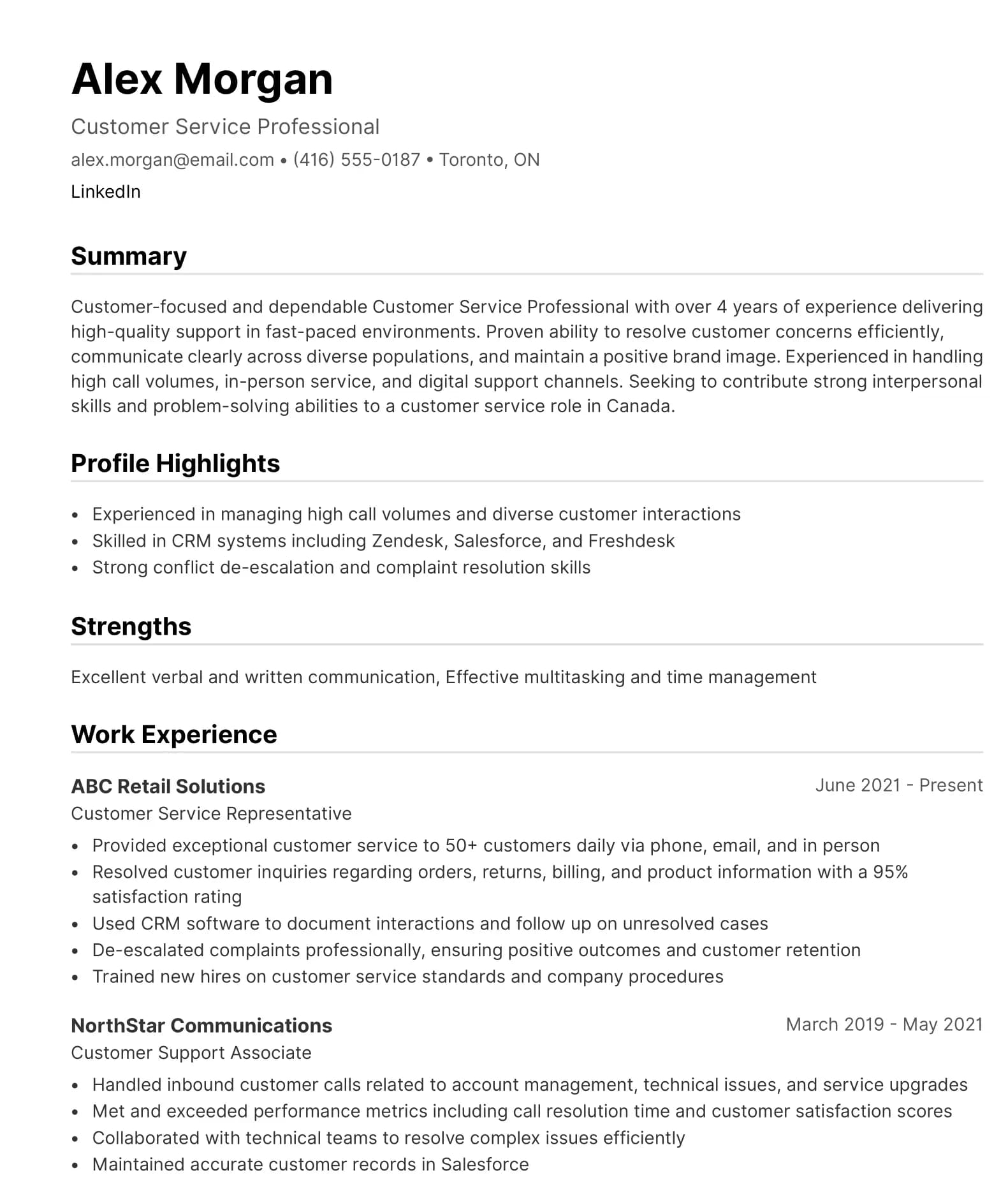
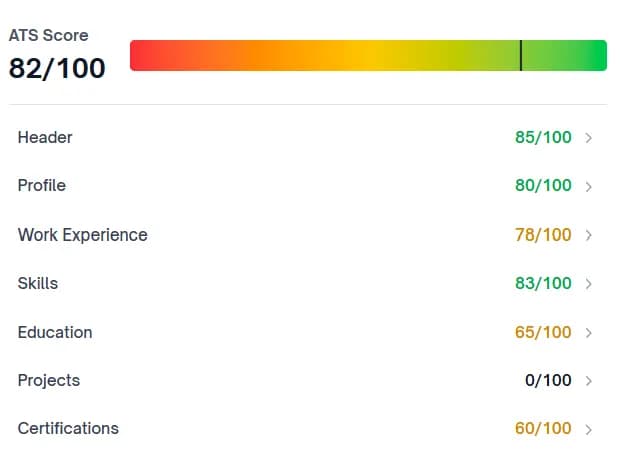
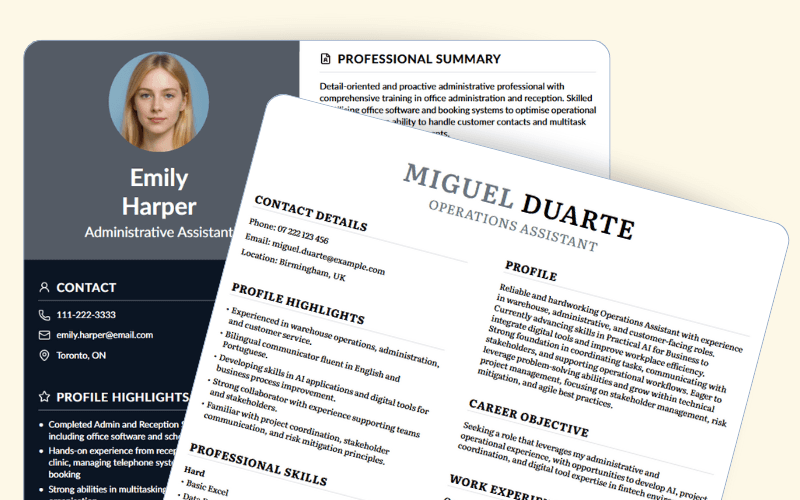
ATS-Optimized resumes That Meet Employer Standards
Our AI-powered scoring system helps organizations assess and standardize resume quality at scale. ATS-compliant templates support consistent formatting, keyword alignment, and interview readiness across cohorts.
Frequently asked questions
Yes, but focused on specific shortage occupations. If you work in AI, cybersecurity, robotics, renewable energy, or skilled manufacturing, Turkish employers actively seek international talent—particularly English speakers. The government introduced three-year flexible work permits for these fields. However, work permits are tied to specific employers and require employment contracts before visa application. General business or non-technical roles face much tighter competition from local candidates.
About the Author

Team Yotru
Employability Systems
Team Yotru
Employability Systems
We build practical career tools for training providers and workforce programs, combining labor market insights with real employment outcomes. Follow us on LinkedIn.
Related Resources
Continue exploring related perspectives on career development, hiring trends, and workforce change.
Market and Research
- Hiring Trends in UK— UK job market outlook examining sectors hiring international workers, language requirements, and skilled migration pathways.
- Hiring Trends in Ireland— Ireland job market guide for international professionals, including tech sector demand and English-language opportunities.
- Hiring Trends in the United States— U.S. labor market conditions showing easing demand and persistent sectoral shortages.
- Hiring Trends in Canada — Canadian labor market outlook examining regional variations and skill requirements.
- Professional Networking Strategies— How to Build Connections That Lead to Career Opportunities
Resume Building and Optimization
- Make Your Resume ATS-Friendly in 5 Minutes— Simple, fast changes that help your resume pass applicant tracking systems without keyword stuffing.
- Single vs Double Column Resumes— ATS parsing works with both; keyword matching matters more than layout
- How to Target Job Keywords in Your Resume— A practical guide to matching your resume to job postings using the right keywords, naturally.
- AI Resume Builders vs Traditional— AI tools act as coaches and optimizers; traditional stops at formatting
- EMT Resume Job Description Guide— Patient assessment, CPR, trauma care keywords for emergency medical roles
- Executive Assistant Resume Keywords— ATS skills list for EA roles; organizational skills and efficiency critical
Example Resume Profiles
- Accounting Assistant — Accountants in demand at all levels
- Emergency & ICU Physician (Critical)— Healthcare professionals are always in demand
- Senior Executive Assistant— Strategic Partner to C-Suite
- IT Infrastructure Technician— IT support roles stable; cloud/infrastructure skills in demand
- AI/ML Engineer (NLP Specialist)— Government targeting 5% GDP in AI; English-speaking talent prioritized
- Industrial Electrician (Manufacturing)— Manufacturing exports up 32.5%; Industry 4.0 skills in high demand
Audience Context
This analysis draws on publicly available data from Turkish government agencies, labor market institutions, international economic sources, and industry analysis. It integrates employment statistics, sector-level demand indicators, and workforce projections to reflect current and emerging trends in Turkey.
References
- Turkish Statistical Institute (TurkStat) — Labour force, unemployment, wage statistics.
- Ministry of Labour and Social Security — Employment policy, labour law, work permits.
- İŞKUR – Turkish Employment Agency — Job matching, training, active labour programmes.
- Presidency of Strategy and Budget (Medium-Term Program) — Macro outlook, growth and employment targets.
- Directorate General of Migration Management — Work authorizations, migration and foreign workers.
- OECD Skills for Jobs – Turkey — Skills shortages and mismatch indicators.
- World Bank – Turkey Country Page — Labour market diagnostics and jobs reports.
- IZA World of Labor – Turkey — Research on employment, informality, youth jobs.
- BBVA Research – Turkey Outlook — Growth, inflation, and employment forecasts.
- Turkish Industry & Business Association (TÜSİAD) — Business sentiment, labour demand, competitiveness.
- Central Bank of the Republic of Türkiye (CBRT) — Inflation, monetary policy, labour cost context.
- Union of Chambers and Commodity Exchanges (TOBB) — Sectoral reports, SME employment trends.
- Confederation of Turkish Trade Unions (Türk-İş) — Wages, cost of living, worker conditions.
- EU Turkey Delegation – Labour & Employment — Projects on skills, youth employment, inclusion.
Research Methodology
This analysis draws on publicly available data from Turkish government agencies, labor market institutions, international economic sources, and industry analysis. It integrates employment statistics, sector-level demand indicators, and workforce projections to reflect current and emerging trends in Turkey.
Salary Data Normalization
Salary figures reflect estimated annual gross earnings in Turkish Lira (TRY) before taxes. Data is normalized using aggregated job postings, government labor statistics, industry reports, and employer-reported ranges to account for regional variation, role seniority, and market conditions. Actual compensation may vary based on experience, employer, location, and negotiated terms.
Editorial Standards
All content is developed using verified public data and reviewed for clarity, accuracy, and neutrality. Insights are grounded in observable labor market trends rather than promotional claims. Information is updated periodically to reflect changes in economic conditions, policy, and hiring demand.
Disclaimer
This content is provided for informational purposes only and does not constitute legal, immigration, or career advice. Readers should consult official government sources or qualified professionals before making employment or relocation decisions.
Maintained by: Labor Intelligence Group at Yotru
Review cycle: Monitored as market conditions evolve
Last updated: December 31, 2025
Questions or Need Support?
If you are working on employability programs, hiring strategy, career education, or workforce outcomes and want practical guidance, you are in the right place.
Yotru supports individuals and organizations navigating real hiring systems. That includes resumes and ATS screening, career readiness, program design, evidence collection, and alignment with employer expectations. We work across education, training, public sector, and industry to turn guidance into outcomes that actually hold up in practice.