
Market
8 min read
Jobs in Canada 2026: Hiring Trends + Salaries
Synopsis
Canada's 2026 job market shows strong demand in healthcare, skilled trades, and tech. Find where provinces are hiring, what you'll earn, and how to get started.
Canada enters 2026 with unemployment at 6.7% and job openings down from 2022 peaks, but according to Statistics Canada, healthcare needs 117,600 additional workers by 2028, while skilled trades face persistent shortages. If you're a Canadian looking to switch jobs, an international student figuring out your post-graduation path, or someone outside Canada researching immigration options, this guide breaks down where the jobs actually are.
Key Insight
Most Canadian employers now rely on Applicant Tracking Systems (ATS) to screen resumes before a human ever reviews them. Using clear formatting, role-specific keywords, and structured content is essential to ensure your resume passes automated screening and reaches hiring managers.
This guide shows you where hiring is strongest, what different provinces pay, and how to use Yotru's resume builder to match what Canadian employers expect.
| 2026 Canada labor market snapshot | ||
|---|---|---|
| Indicator | 2026 estimate | Job Outlook |
| Unemployment rate | 6.5-6.9% (higher than 2023-2024 but still manageable) | Medium |
| Job vacancy level | Down from peak but still 700,000+ openings nationally | Medium |
| Top shortage sectors | Healthcare, skilled trades, tech, transport/logistics | High |
| Real wage trend | Growing slowly, beating inflation in most provinces | Medium |
| Strongest profiles | Mid-career with Canadian experience, bilingual workers, regulated professions | High |
Sources: Statistics Canada, Job Bank, CIBC Economics
Hint
If you're an international student in Canada, your Post-Graduation Work Permit (PGWP) time counts toward permanent residence. Work in NOC TEER 0, 1, 2, or 3 roles for Canadian Experience Class eligibility. Don't waste PGWP time in survival jobs that won't help your PR application.
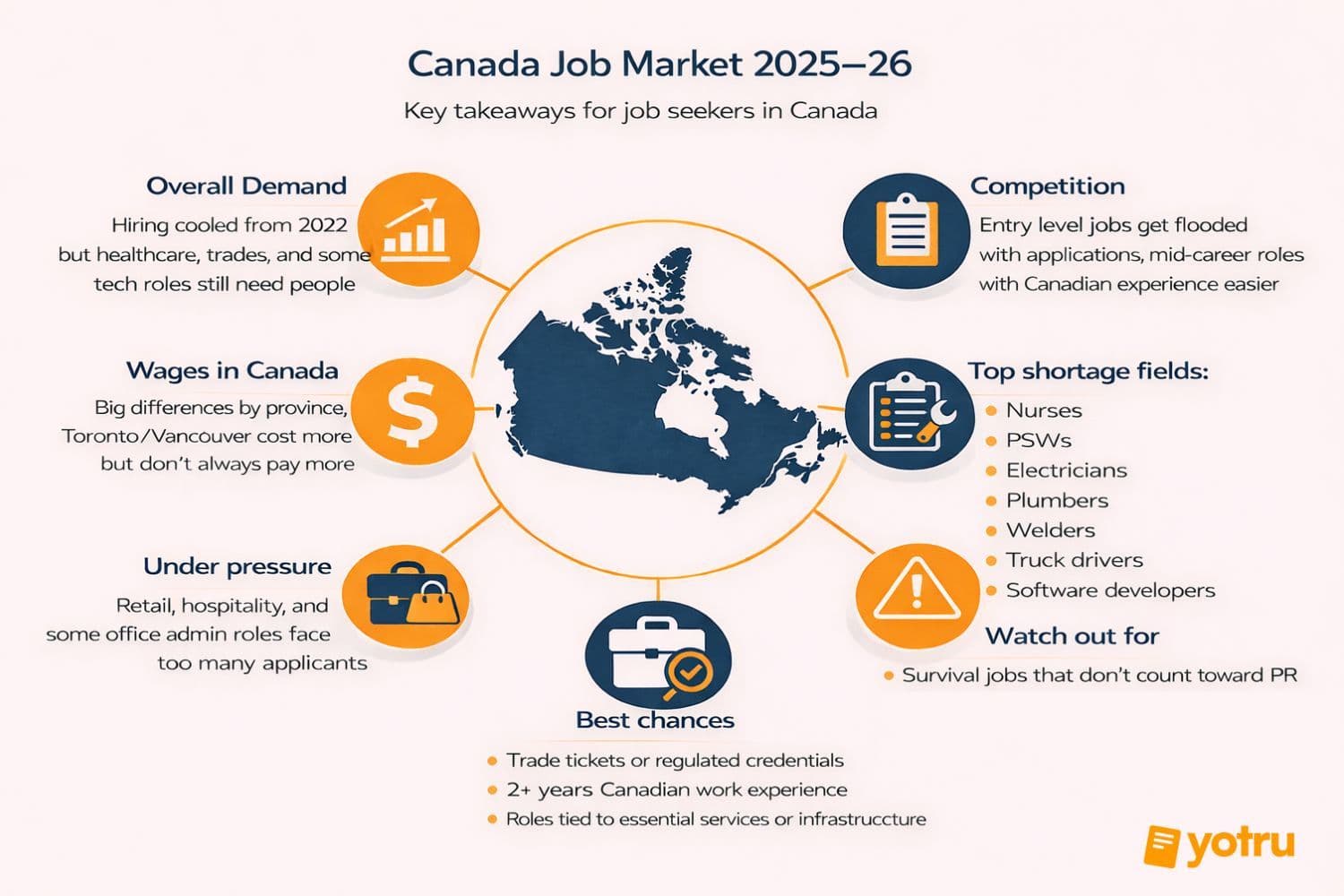
Key takeaways for job seekers in Canada
- Overall demand: Hiring cooled from 2022 but healthcare, trades, and some tech roles still need people
- Competition: Entry level jobs get flooded with applications, mid-career roles with Canadian experience easier
- Top shortage fields: Nurses, PSWs, electricians, plumbers, welders, truck drivers, software developers
- Under pressure: Retail, hospitality, and some office admin roles face too many applicants
- Wages in Canada: Big differences by province, Toronto/Vancouver cost more but don't always pay more
- Best chances: People with trade tickets, regulated profession licenses, 2+ years Canadian work experience
Jobs in Canada by sector
Healthcare jobs in Canada
Market reality: Every province needs healthcare workers. Nurses can get jobs almost anywhere. Personal support workers (PSWs) needed urgently in Ontario and BC. Wait times getting worse, not better.
Salary in Canada:
- Registered nurses: $65,000-$95,000 (higher in remote areas)
- Licensed practical nurses (LPNs): $48,000-$68,000
- Personal support workers (PSWs): $38,000-$52,000
- Strongest demand: Ontario, BC, Alberta, rural everywhere
Who's hiring:
- Registered nurses - Hospitals always hiring, especially ER and ICU
- LPNs - Long-term care homes, clinics, home care agencies
- PSWs - Huge demand, fastest path to work for new immigrants
- Allied health - Physiotherapists, occupational therapists, respiratory therapists
What you need:
- English or French: Most provinces want IELTS 7.0 for nursing registration
- Provincial license: Each province has its own nursing college (CNO in Ontario, BCCNM in BC, etc.)
- Credential assessment: NNAS for international nurses, takes 6-12 months
- Shift work: Nights, weekends, holidays are normal in healthcare
Job posting signals: "willing to sponsor," "new grad friendly," "visa support available," "shift premiums"
Pro Tip
Start your nursing registration before you even land in Canada if you can. NNAS assessment takes months and you can't work as a nurse without it. Some provinces (like Saskatchewan) process faster than Ontario. Check processing times before choosing where to apply.
If you're an international student in Canada:
- Your PGWP lets you work as a PSW or health aide right away (no license needed)
- PSW work counts for Canadian Experience Class if you get permanent hours
- Use PSW job to build Canadian experience while doing nursing credential assessment
- Many hospitals have bridging programs for international nursing grads
- Network with other international nurses, they know which employers actually help with licensing
If you're applying from outside Canada:
- Rural and remote communities sponsor foreign workers more often than cities
- Alberta and Saskatchewan process credentials faster than Ontario
- Look for "Global Talent Stream" postings for faster work permits
- Be ready to start in smaller cities, transfer to Toronto/Vancouver later
- Budget $5,000-$8,000 for credential assessment, exams, and licensing fees
How Yotru helps: Changes nursing credentials to match Canadian standards, shows your registration status clearly, formats for provincial nursing colleges, puts Canadian equivalent job titles front and center.

Skilled trades jobs in Canada
Market reality: Canada needs 700,000 skilled workers by 2028. Electricians, plumbers, and welders can basically name their price in Alberta and Saskatchewan. Toronto and Vancouver also desperate but housing costs eat your salary.
Salary in Canada:
- Electricians: $55,000-$85,000 (journeyperson rate)
- Plumbers: $52,000-$80,000
- Welders: $48,000-$75,000
- HVAC techs: $50,000-$78,000
- Strongest demand: Alberta, Saskatchewan, Ontario, BC interior
Who's hiring:
- Electricians - Construction booming in Alberta, industrial work in Saskatchewan
- Plumbers - New housing builds in Ontario, renovations everywhere
- Welders - Oil and gas in Alberta, manufacturing in Ontario
- Heavy equipment operators - Mining in northern Ontario, BC, Saskatchewan
What you need:
- Red Seal certification: Lets you work in any province (huge advantage)
- Provincial apprenticeship: Each province has different requirements
- Safety tickets: First aid, WHMIS, confined space, fall protection
- Driver's license: Almost every trade job needs you to drive
- Own tools: Employers expect you to have basic hand tools
Job posting signals: "Red Seal preferred," "apprenticeship available," "tool allowance," "company truck," "camp work"
Important
Many trade jobs in Canada involve camp work or fly-in fly-out schedules (2 weeks on, 1 week off). Pay is great but lifestyle is tough. Ask about rotation schedules in interviews. Some people love it, some people hate it. Know yourself before you commit.
If you're an international student in Canada:
- Consider doing a trades pre-apprenticeship program (6-12 months)
- PGWP hours count toward apprenticeship requirements in most provinces
- Trades are NOC TEER 2, they qualify for Canadian Experience Class
- Get your safety tickets done (cheap and takes 1-2 days each)
- Start as a helper/laborer, many companies will sponsor your apprenticeship
If you're applying from outside Canada:
- Red Seal trades get priority for Express Entry (50-200 CRS points boost)
- Some provinces have direct immigration streams for tradespeople
- Challenge exams let you prove skills without doing full Canadian apprenticeship
- Bring all your training certificates and work records when you immigrate
- Alberta and Saskatchewan easiest provinces to get trade tickets recognized
How Yotru helps: Translates your trade credentials to Red Seal standards, shows safety certifications clearly, formats apprenticeship hours properly, highlights camp work and travel willingness.

Tech jobs in Canada
Market reality: Tech hiring slowed way down from 2021-2022 but good developers still get jobs. Toronto and Vancouver competitive, smaller cities like Waterloo, Ottawa, Calgary easier. Remote work still common.
Salary in Canada:
- Junior developers: $55,000-$75,000
- Mid-level developers: $75,000-$110,000
- Senior developers: $110,000-$160,000
- Tech leads/architects: $140,000-$200,000+
- Strongest demand: Toronto, Vancouver, Waterloo, Ottawa, Montreal (bilingual bonus)
Who's hiring:
- Software developers - Full stack, backend, frontend all needed
- DevOps engineers - Companies moving to cloud, need people who know AWS/Azure
- Data engineers - Everyone wants data pipelines and analytics
- Cybersecurity - Big shortage, government and finance paying well
What you need:
- Portfolio: GitHub with actual working projects beats degrees
- Modern tech stack: React, Node, Python, cloud platforms
- Canadian experience: Huge advantage, even 6 months makes a difference
- Communication skills: Canadian tech culture values teamwork and explaining your work
- Degree: Not always required but makes work permits easier for immigrants
Job posting signals: "remote-first," "hybrid," "startup equity," "benefits from day one," "LMIA support available"
Pro Tip
Canadian tech companies care way more about what you've built than where you went to school. Put your best 2-3 projects at the top of your resume with live links and GitHub repos. Show what problem you solved and what tech you used. That gets you interviews faster than listing 10 courses.
If you're an international student in Canada:
- Your PGWP gives you 1-3 years to get Canadian tech experience
- Even 1 year at a Canadian company makes you way more attractive for sponsorship
- Startups more willing to sponsor than big companies (less bureaucracy)
- Join tech meetups and hackathons, that's how people actually get jobs here
- Toronto has most jobs but Vancouver, Waterloo, Montreal also good
If you're applying from outside Canada:
- Target companies with Global Talent Stream postings (2-week work permit processing)
- Remote jobs from Canadian companies are your easiest entry point
- Focus on companies that already sponsor (Shopify, Amazon, Uber, banks)
- Show you understand Canadian market (mention time zones, Canadian clients you've worked with)
- Be ready to take lower salary than US to get Canadian experience first
How Yotru helps: Puts your GitHub and portfolio links up front, shows tech stack clearly, formats for Canadian ATS systems, includes work permit status if you have PGWP or PR.

Transport and logistics snapshot
Transport jobs in Canada:
- Truck drivers desperately needed everywhere, especially long haul
- Salary: $50,000-$75,000 depending on route and experience
- Need Class 1/AZ license (costs $3,000-$8,000, takes 4-8 weeks)
- Many companies sponsor immigrants for truck driving roles
- Warehouse workers and forklift operators also in demand ($35,000-$48,000)
What matters for transport jobs:
- Clean driving record is everything
- Willing to work nights/weekends/holidays
- Some roles involve weeks away from home
- Border crossing jobs need clean criminal record
- Forklift certification cheap and quick to get
What's changing in the Canadian job market
Canadian experience matters less
Canada’s hiring landscape is shifting: In some provinces, rules now require more transparency around pay, hiring practices, and the use of AI in recruitment.
What this means for job seekers:
- “Canadian experience” is no longer a legal requirement in job postings under Ontario law. Employers can’t ask for it outright.
- Salary ranges must be disclosed for most roles, making it easier to judge real opportunities.
- AI screening must be disclosed, so applicants know when automated tools are being used.
- Employers must keep records of job postings and hiring decisions, increasing accountability.
While experience in Canada can still help in practice, the system is shifting toward skills, qualifications, and fair access, not informal barriers.
Pro Tip
Focus on clearly demonstrating transferable skills, documented experience, and role-specific competence. Employers are being pushed to evaluate candidates more transparently — and that creates real opportunity for qualified newcomers.
Immigration and work permits got more complicated
The reality: Canada still wants immigrants but the process changed a lot in 2024-2025.
What this means:
- PGWP length now tied to program length (used to be automatic 3 years)
- Some college programs don't qualify for PGWP anymore, check before enrolling
- Express Entry draws more selective, need higher CRS scores
- Provincial Nominee Programs (PNPs) matter more than federal Express Entry
- Having a job offer worth 50-200 CRS points depending on NOC level
Regional differences are huge
The trend: Where you work in Canada matters as much as what job you do.
What this means:
- Alberta pays more for trades but boom/bust cycles are real
- Quebec needs French, can't fake it for professional jobs
- Atlantic Canada easier to immigrate to but fewer total jobs
- Saskatchewan and Manitoba have easiest PNP programs
- Toronto/Vancouver most jobs but housing costs brutal
Getting started: what you need to know
Reality check for working in Canada
Canadian experience is everything
- First job hardest to get, even with great credentials
- Survival job for 6 months beats staying unemployed
- Volunteer in your field if you can't find paid work
- Canadians trust Canadian references way more than international ones
Credentials take time
- Regulated professions (nursing, engineering, teaching) need provincial registration
- Process takes 6-18 months, costs $2,000-$8,000 typically
- Some provinces recognize credentials faster than others
- Bridging programs help but add more time and money
- Research your specific profession's requirements before immigrating
Cost of living varies wildly
- Toronto 1-bedroom rent: $2,000-$3,000/month
- Vancouver 1-bedroom rent: $2,200-$3,500/month
- Calgary 1-bedroom rent: $1,400-$2,000/month
- Halifax 1-bedroom rent: $1,600-$2,200/month
- Smaller cities 30-50% cheaper but fewer jobs
Immigration pathways matter
- Express Entry: Federal program, need 400+ CRS score realistically
- PNPs: Provincial programs, often easier than federal
- LMIA work permits: Employer-specific, restricts job changes
- PGWP: Post-grad permit, lets you work anywhere
- Spousal sponsorship: Can work while application processes
Tax hits harder than you expect
- Federal tax up to 33%, plus provincial tax 5-20%
- CPP and EI deductions take another 7-8%
- Take-home often 60-70% of gross salary
- Use online calculators to see real take-home before accepting offers
Full immigration details: IRCC and Job Bank

Your job search game plan for Canada
If you're outside Canada:
- Check if your job is in demand - Use Job Bank to see which provinces need your skills
- Research credential recognition - Start the process before you arrive if possible
- Target immigrant-friendly employers - Big companies and government more likely to sponsor
- Build your resume Canadian-style - Use Yotru's resume builder to match Canadian format
- Consider starting in smaller cities - Easier to get first job, transfer to big city later
If you're an international student in Canada:
- Don't waste your PGWP - Work in your field even if pay is lower at first
- Get Canadian references - Professors, co-op supervisors, volunteer coordinators
- Join professional associations - Shows you're serious, helps with networking
- Learn the unwritten rules - Canadians communicate indirectly, learn to read between lines
- Track your work hours - You need 1,560 hours (1 year full time) for Express Entry
If you're already a Canadian (citizen or PR):
- Update your resume - Use Yotru's resume builder to fix common mistakes
- Don't undersell yourself - Canadians tend to be too modest, show your wins
- Network actively - Most Canadian jobs filled through connections before public posting
- Consider relocation - Your province might be saturated but other provinces need you
Hint
If you're between jobs or new to Canada, temp agencies are actually useful here. They get you Canadian experience fast, some temp jobs turn permanent, and it's income while you look for something better. Don't dismiss them like you might in other countries.
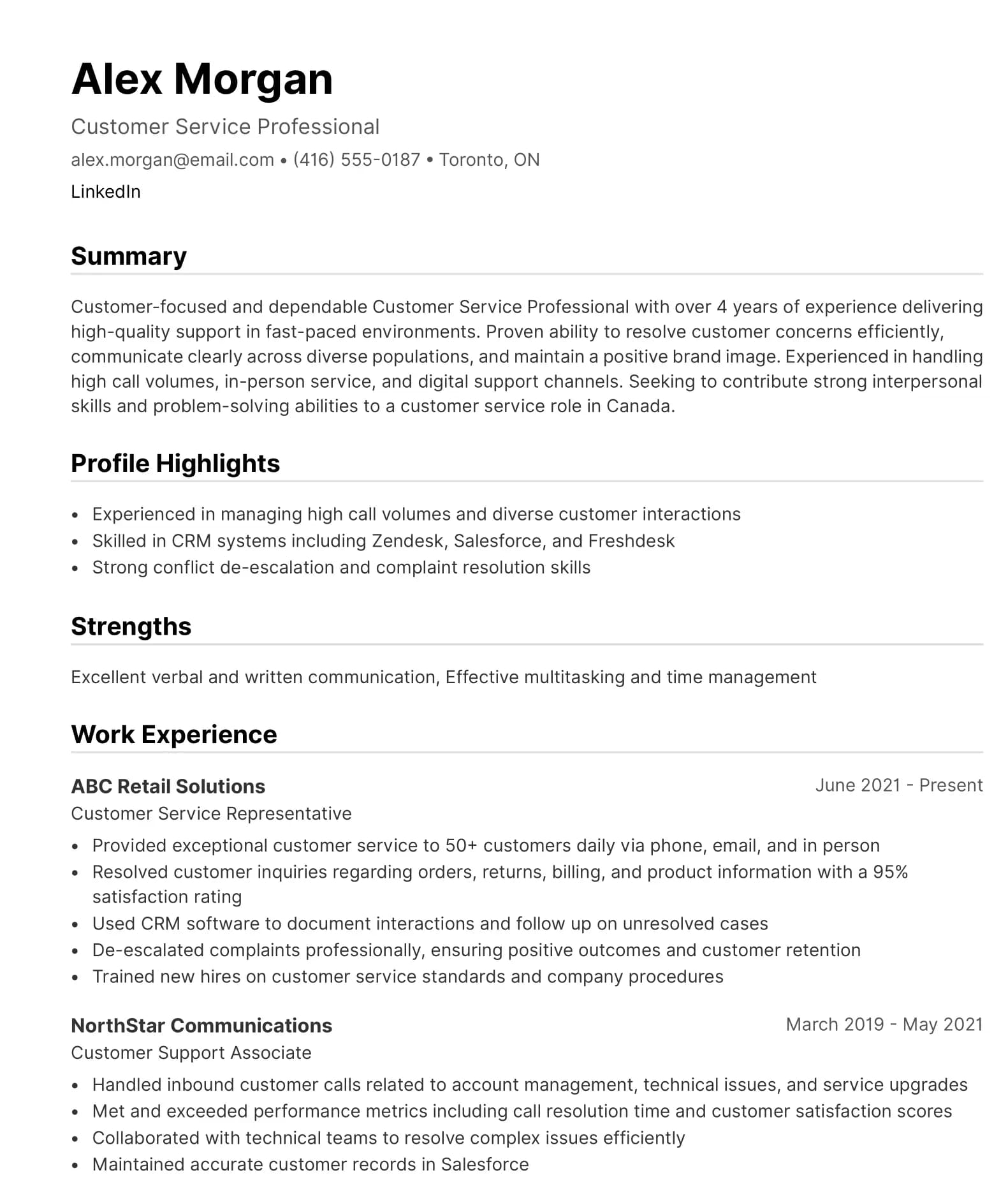
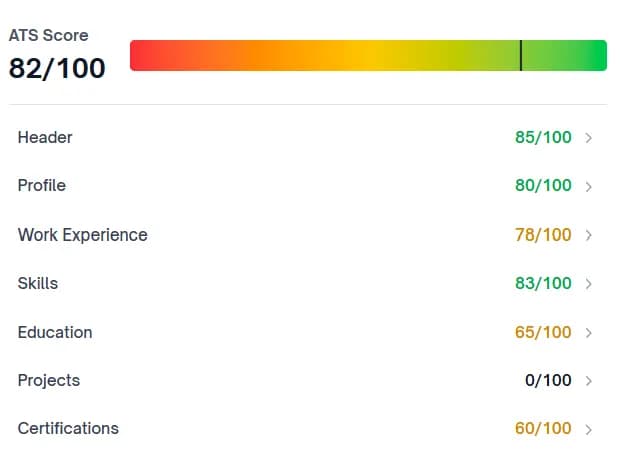
ATS-Optimized resumes That Meet Employer Standards
Our AI-powered scoring system helps organizations assess and standardize resume quality at scale. ATS-compliant templates support consistent formatting, keyword alignment, and interview readiness across cohorts.
Frequently asked questions
Expect 3-6 months for your first Canadian job, even with great credentials. This is normal and not a reflection of your skills. Most people start with survival jobs or positions below their qualification while building Canadian experience and references. By your second job search (12-18 months later), the process gets much easier. Budget for 6 months of living expenses before arriving.
About the Author

Team Yotru
Employability Systems
Team Yotru
Employability Systems
We build practical career tools for training providers and workforce programs, combining labor market insights with real employment outcomes. Follow us on LinkedIn.
Related Resources
Continue exploring related perspectives on career development, hiring trends, and workforce change.
Market and Research
- Hiring Trends in the UK— Dutch job market outlook examining sectors hiring international workers, language requirements, and skilled migration pathways.
- Hiring Trends in the United States— U.S. labor market conditions showing easing demand and persistent sectoral shortages.
- Alex Kovalenko on What Actually Gets You Hired— Recruitment technology trends shaping Canadian hiring
- Trust, Tools, and the Future of Hiring— Canadian employers now value proof, skills, and transparency over titles
Resume Building and Optimization
- How to Write a Canadian Resume as an International Student — Format and content specific to Canadian employers
- Resume Builder for Canada: How to Create a Job Bank Approved Resume— Match Government of Canada standards
- How to Create a Nurse Resume in Canada— CNO, BCCNM, and provincial college requirements
- What Goes in a Trades Resume: A Simple Guide for Skilled Workers — Red Seal and apprenticeship resume format
Example Resume Profiles
- Software Engineer (Tech Moderate Demand)— Backend development with cloud platforms for Waterloo and Ottawa tech companies, Express Entry eligible.
- Licensed Electrician (Trades Critical Shortage)— Red Seal journeyperson credentials for Alberta construction and industrial electrical work $55k-$85k.
- Business Support Agent (Mix Demand)— Business support and operations specialist with extensive North American experience.
- Pet Care Professional— Hands-on care, safety, and facility skills match Canada’s strong demand in trades, care, and operations roles.

Audience Context
This content is designed for job seekers, career changers, and workforce professionals navigating the Canadian labor market. It explains where demand exists, how hiring decisions are made, and how individuals can align their skills, experience, and credentials with employer expectations across Canada.
References
- Government of Canada Job Bank—Labor market information and job outlooks.
- Statistics Canada—Labor Force Survey, November 2025.
- Bank of Canada (2025)—Monetary Policy Report projections (labor market into 2026).
- Bank of Canada—GDP 1.6%, unemployment 6.8% forecast.
- TD Economics—Unemployment to 6.0% via immigration cuts.
- RBC Economics—Employment trends and unemployment forecasts peaking over 7% amid trade risks.
- CIBC Economics—2026 labor market outlook with GDP growth at 1.6% and stabilizing job vacancies.
- IRCC Immigration—Express Entry draws, PNPs, and PGWP policy updates impacting labor supply.
- Conference Board of Canada—Provincial employment forecasts and sector-specific hiring outlooks into 2026
Research Methodology
This analysis draws on publicly available government datasets, labor market reports, and sector-specific research. It synthesizes national and provincial employment data, vacancy trends, and skills demand to reflect current and emerging labor market conditions across Canada.
Salary Data Normalization
All salary figures represent estimated annual gross earnings in Canadian dollars (CAD) before taxes. Figures are normalized using aggregated job postings, government wage data, and employer-reported ranges. Actual compensation may vary by region, role, seniority, and employer.
Editorial Standards
Content is developed using verified public data and reviewed for clarity, accuracy, and neutrality. Insights are based on observable labor market trends rather than promotional claims. Information is updated periodically to reflect changes in economic conditions and hiring practices.
Disclaimer
This content is provided for informational purposes only and does not constitute legal, immigration, or career advice. Readers should consult official government sources or qualified professionals before making employment or relocation decisions.
Maintained by: Labor Intelligence Group at Yotru
Review cycle: Monitored as market conditions evolve
Last updated: January 2, 2026
Questions or Need Support?
If you are working on employability programs, hiring strategy, career education, or workforce outcomes and want practical guidance, you are in the right place.
Yotru supports individuals and organizations navigating real hiring systems. That includes resumes and ATS screening, career readiness, program design, evidence collection, and alignment with employer expectations. We work across education, training, public sector, and industry to turn guidance into outcomes that actually hold up in practice.