Professional Networking Strategies: How to Build Connections That Lead to Career Opportunities
Synopsis
Learn proven professional networking strategies that create lasting career opportunities. Practical examples, connection-building techniques, and actionable steps for effective networking in 2026.
Professional networking determines who gets hired, who advances, and who builds sustainable careers. Research shows that 85% of positions are filled through networking rather than traditional applications, yet many professionals struggle to build connections that actually lead to opportunities.
The challenge isn't understanding that networking matters. Most professionals recognize its importance. The difficulty lies in knowing which strategies work, how to apply them consistently, and how to turn brief encounters into relationships that generate real career value.
This guide examines professional networking strategies that produce measurable results. It covers what works in 2026, provides specific examples of effective networking in action, and offers practical steps for building connections that advance careers.
What Are Professional Networking Strategies?
Professional networking strategies are deliberate approaches to building and maintaining career relationships that create mutual value. These strategies transform casual professional interactions into structured systems for career advancement, knowledge exchange, and opportunity creation.
Effective networking strategies share three characteristics. First, they focus on building genuine relationships rather than transactional exchanges. Research from the Federal Reserve Banks of St. Louis found that job searches within established networks reduce search time by one to three months compared to traditional application methods.
Second, successful strategies balance giving and receiving value. Studies show that 80% of professionals consider networking vital to career success, but fewer than 50% maintain regular contact with their network. The gap between recognizing value and delivering it defines the difference between effective and ineffective networking.
Third, working strategies adapt to both digital and in-person environments. While 92% of professionals prefer face-to-face networking events for relationship building, 40% now conduct more networking online than in person. Modern networking strategies integrate both approaches rather than choosing one over the other.
Professional networking strategies differ from general social interaction through their intentionality and structure. They involve identifying relevant contacts, creating opportunities for meaningful engagement, providing value to connections, and maintaining relationships over time through consistent communication.
Networking Strategies for Professionals in 2026
The networking landscape has shifted. Traditional tactics that worked five years ago now produce diminishing returns as professionals adapt to hybrid work environments, digital-first communication, and increased competition for attention.
Strategic LinkedIn Engagement
LinkedIn represents the primary digital networking platform, with 930 million global members and 77% of recruiters actively using it to find candidates. Effective LinkedIn networking in 2026 requires more than profile optimization and connection requests.
Successful professionals treat LinkedIn as an engagement platform rather than a digital resume. They publish original insights on industry challenges, comment thoughtfully on content from target connections, and share specific examples of their work. Research shows that 35% of LinkedIn users secured new opportunities through casual conversations initiated via LinkedIn messaging.
The most effective approach combines content creation with targeted outreach. Professionals who post weekly insights about their field while systematically engaging with 10-15 key contacts demonstrate expertise and build visibility simultaneously. This dual approach generates approximately 40% more job leads than passive profile maintenance.
Industry-Specific Event Participation
Face-to-face networking generates significantly stronger career outcomes than digital-only approaches. Studies indicate that 78% of event attendees generate at least one valuable connection at networking conferences, and traditional networking accounts for 46% of successful job placements.
The strategy shift involves event selection and follow-up execution. Rather than attending every available event, effective networkers identify three to five high-value gatherings annually where decision-makers in their target field congregate. They prepare specific talking points, arrive early to facilitate one-on-one conversations before group formation, and schedule follow-up meetings with key contacts within 48 hours.
A project manager targeting senior technology roles might focus on annual conferences for the Project Management Institute, local chapter events for specific industries, and quarterly meetups for their technology stack. This focused approach yields deeper relationships than scattered attendance at general networking events.
Informational Interview Systems
Informational interviews represent one of the most underutilized professional networking strategies despite their effectiveness. Research from Oxford Economics demonstrates that networking conversations directly correlate with expanded business relationships and career advancement.
The systematic approach involves identifying 20 professionals in target roles or organizations, crafting personalized outreach that demonstrates specific knowledge of their work, and requesting 15-20 minute conversations to learn about their career path and industry insights. Most professionals report a 30-40% positive response rate when requests are specific and time-bounded.
Effective informational interviews follow a structured format: five minutes building rapport, ten minutes asking prepared questions about career decisions and industry trends, and five minutes exploring how the interviewer might provide value. This structure respects the contact's time while creating foundation for ongoing relationship.
Professional Association Membership
Industry associations provide structured networking environments where relationships develop over repeated interactions. Members of professional organizations report 67% higher rates of industry knowledge acquisition and 54% more referral-based hiring compared to non-members.
Strategic association participation involves active committee work rather than passive membership. Professionals who volunteer for event planning, content development, or mentorship programs interact regularly with association leaders and engaged members. These repeated touchpoints build trust more effectively than annual conference attendance alone.
A financial analyst might join the CFA Institute locally, volunteer for their continuing education committee, and attend monthly member events. This creates approximately 15-20 networking touchpoints annually with professionals in hiring positions or partnership roles.
Alumni Network Activation
LinkedIn research shows that 70% of professionals hired in recent years had a connection at their company, and shared educational background represents one of the strongest connection points for initial outreach. Despite this, most professionals underutilize alumni networks.
Effective alumni networking extends beyond immediate graduation cohort. It involves mapping alumni across target organizations using LinkedIn, attending university-sponsored industry events, and participating in alumni association activities. Many universities maintain dedicated LinkedIn groups where alumni seek recommendations, share job openings, and offer guidance to recent graduates.
The strategic approach involves identifying 10-15 alumni working in target roles or companies, engaging with their LinkedIn content, and requesting conversations about their career trajectory. Response rates to alumni outreach typically exceed 60% when messages reference specific shared experiences and mutual connections.

Building Professional Connections That Last
Initial networking encounters create opportunity, but sustained relationships generate career outcomes. The distinction between collecting contacts and building connections determines long-term networking effectiveness.
The Value-First Approach
Research consistently shows that professionals who offer help before requesting assistance build stronger networks faster. This approach contradicts instincts to immediately seek value from new connections, but data supports its effectiveness.
Value provision takes multiple forms. Professionals with industry expertise share insights about emerging trends or specific technical challenges. Those with broad networks make introductions between contacts with complementary needs. Early-career professionals offer fresh perspectives on technological tools or market shifts that senior contacts might miss.
A marketing professional building connections with agency leaders might share analysis of recent platform algorithm changes, send relevant industry reports, or introduce potential clients from their existing network. These contributions establish credibility and reciprocity without explicit requests for assistance.
The timing matters significantly. Research from Hans-Georg Wolff and Klaus Moser at the University of Erlangen-Nuremberg found that networking behaviors like maintaining former professional contacts directly correlate with salary growth and concurrent career satisfaction. The study demonstrated that professionals who consistently provide value see networking benefits compound over time.
Follow-Up Systems That Work
Most networking relationships fail at the follow-up stage. Survey data shows that 41% of professionals want to network more frequently but lack time, and 38% find maintaining network contact difficult. The solution involves systematic rather than sporadic follow-up.
Effective follow-up begins within 24-48 hours of initial contact. This includes personalized messages that reference specific conversation points, share promised resources, or propose concrete next steps. Research indicates that follow-up timing significantly impacts relationship strength, with delays beyond 72 hours reducing response rates by approximately 40%.
Ongoing relationship maintenance requires structure. High-performing networkers maintain contact databases tracking conversation details, shared interests, and follow-up timing. They schedule quarterly check-ins with key contacts, share relevant articles or opportunities when they arise, and offer congratulations on professional milestones visible through LinkedIn updates.
A sales professional might maintain a spreadsheet tracking 50 core network contacts with columns for last interaction date, shared interests, potential value exchange, and next scheduled touchpoint. This systematic approach ensures consistent engagement without relying on memory or spontaneous outreach.
Reciprocity and Mutual Benefit
Networking relationships that last operate on mutual benefit rather than one-sided value extraction. Business executives report they would lose 28% of their business if they stopped networking, indicating the ongoing value creation required for sustainable networks.
Reciprocity manifests through active listening and genuine interest in connections' goals and challenges. When contacts share career aspirations or business objectives, effective networkers consider how their knowledge, contacts, or resources might help. This doesn't require immediate solutions but demonstrates investment in the relationship beyond personal gain.
The practice extends to facilitating connections within the network. When two contacts face complementary challenges or share mutual interests, introducing them adds value to both relationships. Research shows that professionals who actively connect others within their network report 35% higher satisfaction with their networking outcomes.
Building Networks Across Industries
While industry-specific networking provides immediate relevance, cross-industry connections generate unique insights and unexpected opportunities. Professionals who diversify their networks report higher rates of creative problem-solving and innovation application.
Cross-industry networking requires intentional effort. It involves attending general business events rather than exclusively industry-specific gatherings, participating in skill-based groups like Toastmasters or local chambers of commerce, and maintaining connections with former colleagues who transitioned to different fields.
A healthcare administrator with contacts in technology, finance, and education can apply operational innovations across industries, identify emerging trends earlier, and access broader career opportunities. This diversity became particularly valuable during the pandemic when industries experienced vastly different demand patterns.
Networking Connection Strategies
Converting networking encounters into meaningful connections requires specific tactical approaches. These strategies determine whether initial interactions lead to ongoing relationships or remain isolated events.
The Prepared Introduction
First impressions in networking settings significantly impact relationship potential. Research shows that 72% of networking outcomes depend on initial interactions, particularly physical presentation and handshake quality. However, preparation matters more than natural charisma.
Effective networkers develop concise introductions that communicate their current role, specific expertise, and value they bring to professional relationships. The formula: name, role, distinguishing expertise or achievement, and conversation invitation through a question.
Example: "I'm Sarah Chen, operations director at MedTech Solutions. I've helped reduce surgical wait times by 40% through process redesign. What brings you to this conference?"
This introduction establishes credibility, provides conversation hooks, and shifts focus to the other person. It avoids common mistakes like lengthy work histories or immediate requests for assistance.
Strategic Question Development
The quality of questions asked during networking conversations directly influences relationship depth. Generic questions produce generic answers and forgettable interactions. Specific, thoughtful questions demonstrate genuine interest and create memorable exchanges.
Effective networking questions explore specific challenges, recent industry developments, or career decision points. Instead of "What do you do?", high-impact questions include "What's the most challenging aspect of your current role?" or "How did you navigate the transition from individual contributor to leadership?"
Research on effective networking indicates that professionals who ask open-ended questions and practice active listening build stronger connections. The approach involves asking fewer questions but exploring answers more deeply through follow-up inquiry.
A software engineer networking with senior developers might ask about technical decision-making processes, team structure evolution, or specific project challenges. These questions yield practical insights while demonstrating informed interest in the contact's work.
Digital Communication Etiquette
Email and LinkedIn messaging represent primary networking communication channels, yet many professionals approach them ineffectively. Generic messages receive low response rates, while thoughtful, personalized outreach generates significantly higher engagement.
Effective digital outreach includes three components: specific context establishing why you're reaching out to this person, clear value proposition or mutual interest, and concrete, low-commitment ask. Messages should remain under 100 words when possible.
Example: "Hi Michael, I noticed your recent article on supply chain automation in Manufacturing Today. Your framework for incremental implementation directly addresses challenges our team faces. Would you be open to a 15-minute call to discuss how you approached vendor selection?"
This message demonstrates familiarity with the contact's work, identifies specific relevance, and makes a bounded time request. Response rates to structured outreach like this typically range from 30-50%, compared to 5-15% for generic connection requests.
Group Networking Tactics
While one-on-one interactions build deepest relationships, group networking settings provide efficient access to multiple potential connections. Success in group settings requires different tactics than individual conversations.
Effective group networkers arrive early when crowds are smaller and approaching individuals feels less intrusive. They position themselves in high-traffic areas near refreshments or registration where natural conversation opportunities arise. They join smaller groups of 2-3 people rather than large circles where meaningful contribution becomes difficult.
The tactical approach involves listening to ongoing conversations before contributing, asking questions that engage the entire group rather than dominating discussion, and gracefully transitioning to individual conversations with promising contacts. "That's a fascinating point about remote team management - I'd love to hear more about your specific approach" provides natural transition from group to individual interaction.
Best Networking Strategies
Certain networking approaches consistently produce superior results across industries and career stages. These represent the highest-impact strategies for professionals building or expanding their networks.
Consistent Presence Over Intensive Bursts
Research demonstrates that networking effectiveness correlates more strongly with consistency than intensity. Professionals who engage in regular, low-intensity networking throughout their careers outperform those who network intensively only during job searches.
The strategic approach involves blocking weekly time for networking activities: responding to LinkedIn connections, sharing industry insights, attending one event monthly, and reaching out to 2-3 contacts. This consistent engagement maintains visibility, builds relationships gradually, and ensures an active network when career opportunities arise.
Data from the Federal Reserve study shows that professionals with consistently maintained networks reduce job search time by 55% compared to those building networks from scratch during transitions. The compounding effect of regular networking far exceeds sporadic intensive efforts.
Niche Community Leadership
Rather than attempting broad networking across entire industries, effective networkers often establish strong presence in specific professional communities. This might include local chapters of national organizations, specialized LinkedIn groups, or industry-specific online forums.
Leadership positions in these communities accelerate relationship building. Organizing monthly meetups, moderating online discussions, or coordinating professional development events creates multiple touchpoints with engaged community members. Research shows that community leaders report 67% more meaningful professional connections than passive participants.
A data analyst might join and eventually lead a local chapter of the Data Science Society, organize quarterly technical talks, and moderate an active Slack community. This concentrated effort in one community builds stronger connections than diffused participation across many groups.
Strategic Skill Sharing
Professionals who share expertise through teaching, speaking, or content creation build networks more efficiently than those relying solely on event attendance. Teaching positions you as an authority while creating natural networking opportunities with students, co-presenters, and event organizers.
This strategy takes multiple forms: presenting at conferences, teaching community college courses, hosting webinars, writing industry blog posts, or creating video tutorials. Each approach demonstrates expertise while expanding professional visibility.
Research indicates that professionals who regularly share knowledge report 45% more inbound networking opportunities compared to those who don't. The shift from seeking connections to attracting them fundamentally changes networking dynamics and relationship quality.
Alumni and Affinity Group Leverage
Professional identity extends beyond current role to include educational background, geographic origin, military service, and demographic characteristics. Smart networkers activate these affinity connections to expand reach.
University alumni networks represent particularly powerful networking resources. LinkedIn data shows that professionals with shared educational background demonstrate 60% higher response rates to outreach. Many universities maintain active alumni associations, industry-specific groups, and regional chapters that facilitate connections.
Similar dynamics apply to military veteran networks, women in technology groups, minority professional associations, and immigrant professional communities. These groups often demonstrate stronger reciprocity norms than general professional networks, as members explicitly aim to support each other's success.
Networking Strategies Examples and Real-World Applications
Abstract networking principles become actionable when examined through specific examples. The following scenarios demonstrate how professionals apply networking strategies in real situations.
Example 1: Career Transition Through Targeted Networking
Maria worked as a financial analyst at a consulting firm but wanted to transition into financial planning for tech companies. Rather than broadly networking across finance, she implemented a focused strategy.
She identified 25 financial planners at target tech companies through LinkedIn. She requested informational interviews with 10, emphasizing her tech industry analysis experience and genuine interest in their career paths. Six agreed to conversations.
During these calls, Maria asked specific questions about the role transition, certification requirements, and industry differences. She followed each conversation with thank-you notes sharing relevant analysis reports from her current work.
Three months later, when one contact's company opened a position, he recommended Maria directly to the hiring manager. She received an interview bypassing initial screening, interviewed with prepared insights from her informational interviews, and received an offer. Her targeted networking strategy reduced her transition timeline by an estimated four to six months.
Example 2: Building Industry Presence Through Content and Events
James, a cybersecurity professional, wanted to advance from technical roles into leadership positions. He recognized that visibility within the security community would accelerate his trajectory.
He began writing monthly articles on specific security challenges for a popular industry publication. Each article addressed practical problems and included actionable solutions based on his work. He shared articles through LinkedIn with commentary on broader implications.
Simultaneously, James volunteered to speak at regional security conferences. His published articles provided credibility when proposing session topics. He spoke three times in one year, each time making specific effort to connect with other speakers and engaged attendees.
Within 18 months, his combination of content creation and speaking generated regular inbound contact from recruiters and industry leaders. When his target company opened a security leadership role, the hiring manager had already encountered his work and requested a conversation. James's strategic visibility-building created opportunities without traditional job applications.
Example 3: Alumni Network Activation for Geographic Relocation
Chen planned to relocate from Boston to Seattle for family reasons. She worked in product management and needed to establish professional presence in a new market before relocating.
She used LinkedIn to identify 50 alumni from her university working in product roles at Seattle tech companies. She sent personalized messages to 20, referencing specific aspects of their career paths and requesting brief calls to learn about the Seattle tech ecosystem.
Twelve agreed to conversations. Chen prepared specific questions about company culture differences, hiring practices, and industry focuses in Seattle versus Boston. She sent follow-up messages sharing Boston tech insights that might interest Seattle contacts.
When one contact mentioned his company was considering a new product line in Chen's expertise area, she offered to share frameworks she'd used successfully. This led to introduction to the hiring team before the role was posted. She received and accepted an offer, relocating with a position already secured. Her alumni network activation eliminated the typical job search uncertainty around geographic moves.
Example 4: Cross-Industry Innovation Transfer
David worked in healthcare operations but recognized that manufacturing faced similar supply chain challenges. He began attending manufacturing networking events despite working in a different industry.
At these events, he listened to discussed challenges and offered healthcare perspectives when relevant. He discovered that just-in-time inventory approaches from manufacturing could address medication stock management issues his hospital faced.
He implemented these concepts, documented results, and presented findings at a healthcare operations conference. Manufacturing contacts he'd made attended his presentation, strengthening cross-industry relationships.
This cross-industry networking led to a consulting opportunity where David helped healthcare organizations implement manufacturing operational concepts. His willingness to network outside his immediate field created an entire revenue stream while differentiating his expertise within healthcare.
What Are the Top Strategies for Expanding Professional Connections?
Research and professional experience converge on several high-impact approaches for network expansion. These strategies work across industries and career stages.
Leverage existing connections for introductions. The strongest networking opportunities often come through warm introductions from mutual contacts. When seeking connections with specific individuals or organizations, professionals should systematically review their existing network for potential introducer contacts. Research shows that introduced connections demonstrate 55% higher likelihood of meaningful relationship development compared to cold outreach.
Focus on value creation before value extraction. Professionals who approach networking with a "give first" mentality build stronger networks faster. This involves identifying ways to help contacts solve problems, make connections, or access resources before requesting assistance. Studies demonstrate that this approach builds reciprocity and trust, with 80% of professionals reporting stronger relationships when they prioritize helping others.
Maintain systematic follow-up schedules. The gap between initial networking and ongoing relationships typically occurs due to inconsistent follow-up. Professionals who implement contact management systems with scheduled touchpoints maintain significantly more active networks. Research indicates that systematic follow-up increases relationship retention by approximately 60% compared to ad-hoc contact.
Participate consistently rather than intensively. Regular, moderate networking engagement outperforms sporadic intensive efforts. Monthly event attendance, weekly LinkedIn engagement, and quarterly check-ins with key contacts build stronger networks than intensive networking only during job transitions. The Federal Reserve study found that consistent networking reduces job search duration by up to three months.
Diversify networking environments. Professionals who network across multiple settings - industry conferences, local business groups, online communities, alumni networks, and professional associations - build more resilient networks than those relying on single channels. This diversity provides access to different opportunity types and reduces vulnerability to single-channel disruption.
Strategies for Effective Networking
Effectiveness in networking requires understanding what drives relationship formation and maintenance. The following strategies address the specific challenges professionals face when building career networks.
Time-Efficient Networking Approaches
Time constraints represent the primary barrier to consistent networking, with 49% of professionals citing insufficient time as their biggest networking challenge. Effective strategies work within realistic time budgets.
The approach involves integrating networking into existing activities rather than treating it as separate commitment. Professionals attend industry conferences already on their calendar but arrive 30 minutes early specifically for networking. They convert commute time into LinkedIn engagement sessions. They schedule informational interviews during lunch breaks that would otherwise be spent alone.
Research supports micro-networking sessions over marathon events. Fifteen minutes of focused networking daily generates better long-term results than monthly half-day events. This might include sending three personalized LinkedIn messages, commenting thoughtfully on two industry posts, or following up with one contact.
Overcoming Networking Anxiety
Many professionals experience anxiety about networking, particularly introverts or those early in careers. Research shows that 68% of entry-level professionals value face-to-face networking highly despite often finding it challenging.
Effective strategies acknowledge this discomfort while providing structured approaches. Preparing specific conversation topics and questions reduces in-the-moment anxiety. Arriving early to events when fewer people are present makes initial conversations less intimidating. Setting modest goals like "have two meaningful conversations" rather than "meet 20 people" reduces pressure.
Online networking provides lower-stakes practice for those uncomfortable with face-to-face interaction. Starting conversations through thoughtful LinkedIn comments or email allows time for considered responses. Success in digital networking often builds confidence for in-person engagement.
Measuring Networking Effectiveness
Many professionals network without assessing whether their activities generate results. Strategic networkers track outcomes to optimize their approach.
Meaningful metrics include number of meaningful conversations per event, response rates to outreach, successful informational interviews completed, referrals or opportunities generated, and relationship advancement (contacts moving from acquaintance to regular interaction).
A product manager might track: monthly networking events attended, new connections made, follow-up conversations scheduled, job opportunities discovered through network, and referrals provided to others. Reviewing these metrics quarterly reveals which activities generate returns and which consume time without results.
Network Maintenance Systems
Active networks require consistent maintenance, yet many professionals struggle with systematic relationship upkeep. Research shows that fewer than 50% of professionals maintain regular contact with their network despite recognizing its importance.
Effective maintenance involves contact categorization and scheduled touchpoints. Core network contacts (10-20 people most relevant to current career objectives) receive quarterly engagement. Secondary contacts (50-100 people in target industry or role) receive semi-annual check-ins. Extended network receives annual updates or engagement when specific relevant events arise.
Technology facilitates this systematization. Contact management systems with reminder features, LinkedIn profile monitoring for job changes or milestones, and calendar blocks for network maintenance ensure consistent engagement. The time investment - roughly 2-3 hours weekly - prevents network decay and maintains relationship momentum.
Taking Action on Professional Networking
Effective networking transforms career trajectories by creating access to opportunities, accelerating job searches, and providing industry knowledge unavailable through other channels. The strategies outlined in this guide work when applied consistently over time rather than implemented sporadically during career transitions.
Successful networkers recognize that relationship building requires ongoing investment. They allocate time weekly for networking activities, maintain systematic contact with core connections, and approach each interaction with genuine interest in mutual benefit rather than immediate personal gain.
Professional networking in 2026 requires balancing digital efficiency with face-to-face relationship depth. It demands strategic focus on high-value connections rather than superficial contact accumulation. Most importantly, it operates on reciprocity - professionals who consistently provide value to their networks receive disproportionate career benefits over time.
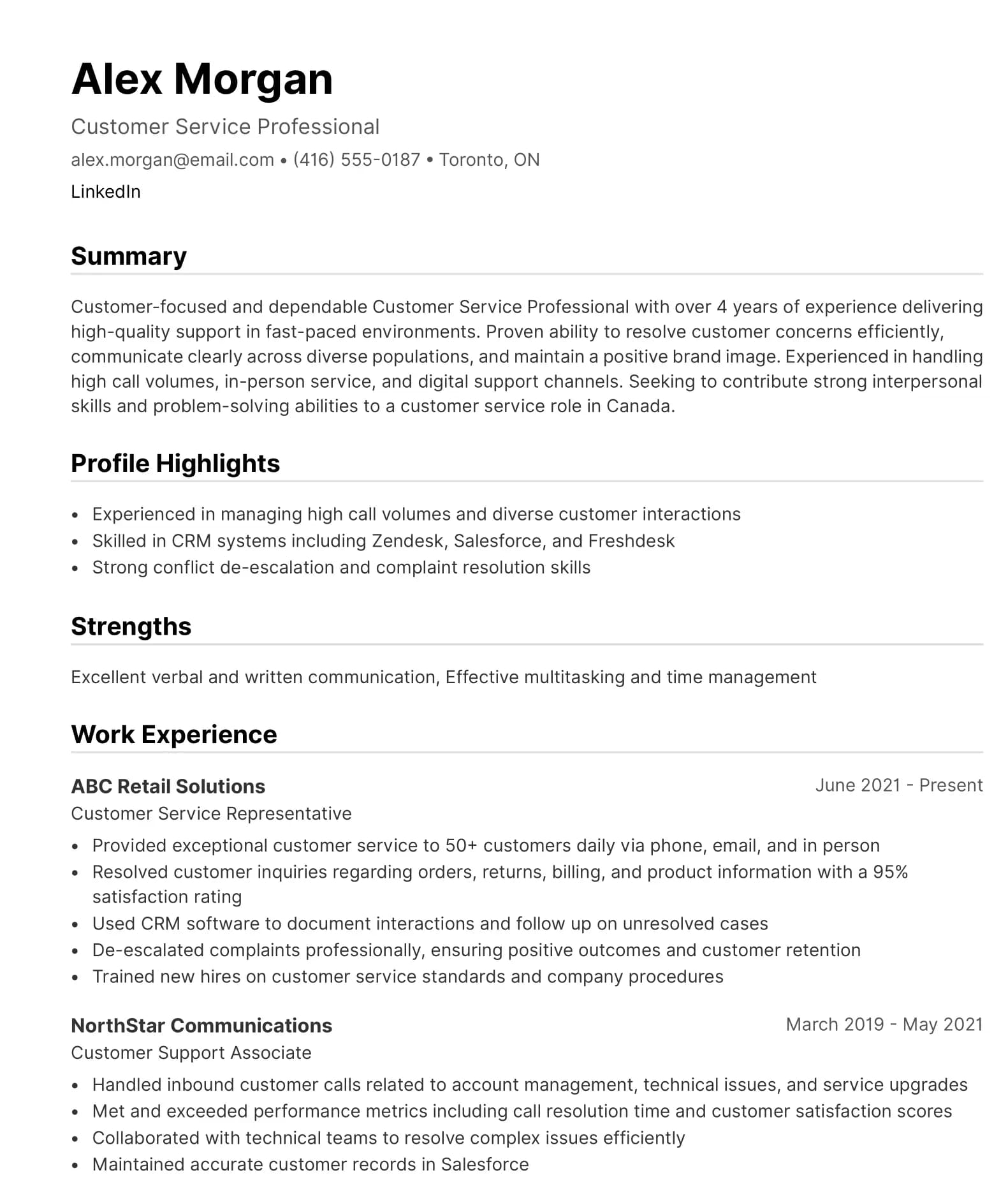
Yotru supports professionals building careers through evidence-based tools that work within real hiring systems. Our resume builder helps job seekers present their experience effectively when networking leads to applications. Our platform provides ATS-optimized templates and keyword guidance ensuring your materials match the quality of connections you've built. Whether networking opens doors to new opportunities or strengthens your position in current roles, having professional materials ready accelerates the transition from conversation to opportunity.
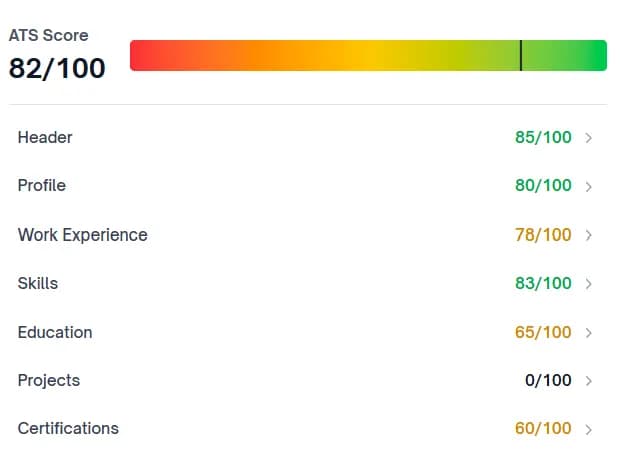
Ready to Build Your ATS-Optimized Resume? Put this knowledge into action. Use Yotru's resume builder to get smart keyword suggestions and ATS compatibility scoring that ensures your resume matches the opportunities your network creates.
ATS-Optimized resumes That Meet Employer Standards
Our AI-powered scoring system helps organizations assess and standardize resume quality at scale. ATS-compliant templates support consistent formatting, keyword alignment, and interview readiness across cohorts.
About the Author

Maria Santos
Career Researcher
Maria Santos
Career Researcher
Maria is a Career Researcher at Yotru, studying hiring trends, resumes, and job pathways to strengthen the platform’s career guidance and insights.
Frequently Asked Questions
The most effective strategies include strategic LinkedIn engagement, targeted industry events, structured informational interviews, professional association involvement, and leveraging alumni networks to create consistent, high‑quality touchpoints with decision‑makers.
Audience Context
This article is written for professionals, job seekers, career changers, and early- to mid-career leaders who want to improve their long-term employability through effective networking and relationship building. It is especially relevant for individuals navigating competitive job markets, hybrid or remote work environments, and industries where informal referrals and professional visibility strongly influence hiring outcomes. The content is also designed for career advisors, educators, and workforce practitioners who support clients in developing sustainable job-search and career-development strategies. Readers are assumed to have basic familiarity with professional platforms such as LinkedIn and common career development practices, but not necessarily formal training in networking systems or labor market research.
Disclaimer
This article is provided for informational and educational purposes only.
It does not constitute legal, financial, employment, or professional career advice. Individual career outcomes may vary based on personal circumstances, market conditions, geographic factors, and employer practices.
While every effort is made to ensure accuracy and relevance, Yotru does not guarantee job placement, promotion, or specific employment results based on the use of this information.
Readers are encouraged to use this content as a general framework and to seek personalized guidance from qualified career professionals when appropriate.
Use of this material does not create any formal advisory, consulting, or client relationship with Yotru.
References
References
- Apollo Technical. (2025). 15 Networking Statistics Everyone Should Know. Retrieved from https://www.apollotechnical.com/networking-statistics/
- Federal Reserve Banks of St. Louis. (2024). Job Search and Matching with Heterogeneous Networks. Economic Research Papers.
- Indeed Career Guide. (2025). 8 Effective Networking Strategies for Professionals. Retrieved from https://www.indeed.com/career-advice/career-development/networking-strategies
- Indeed Career Guide. (2024). 6 Networking Statistics That Show the Importance of Networking. Retrieved from https://www.indeed.com/career-advice/career-development/networking-statistics
- Intuitive Surgical. (2024). Effective Networking Strategies for Career Growth. Retrieved from https://careers.intuitive.com/en/employee-stories/career-growth-advice/effective-networking-strategies-for-career-growth/
- Keevee. (2025). 41 Networking Statistics Everyone Should Know in 2025. Retrieved from https://www.keevee.com/networking-statistics
- LinkedIn. (2024). LinkedIn User Statistics and Platform Data. LinkedIn Official Reports.
- National Center for Biotechnology Information. (2023). Professional Networking and Career Success: A Longitudinal Study. NCBI Research Database.
- SUCCESS. (2025). The Importance of Professional Networking Events for 2026. Retrieved from https://www.success.com/importance-of-professional-networking-events/
- Wolff, H. G., & Moser, K. (2006). Development and Validation of a Networking Scale. University of Erlangen-Nuremberg Research Publications.
Related Resources
Resume Building & Optimization
- How to Build a Resume with No Work Experience: Step-by-Step Guide
- Make Your Resume ATS-Friendly in 5 Minutes: 2025 Guide
- Executive Assistant Resume Guide: Tips, Examples, and Skills
Skills & Career Development
- Interview Preparation Tips: How to Prepare and Impress Employers
- How to Optimize Your LinkedIn Profile Using Your Resume
- Feeling Stuck at 25? How to Find Your Career Direction
Market & Research
- Why It Feels So Hard to Get a Job Right Now
- Hiring Trends in the United States for 2026
- New York Hiring Trends for 2026
Yotru Tools & Development
Maintained by: Labor Intelligence Group at Yotru
Review cycle: Monitored as market conditions evolve
Last updated: March 12, 2026
Questions or Need Support?
If you are working on employability programs, hiring strategy, career education, or workforce outcomes and want practical guidance, you are in the right place.
Yotru supports individuals and organizations navigating real hiring systems. That includes resumes and ATS screening, career readiness, program design, evidence collection, and alignment with employer expectations. We work across education, training, public sector, and industry to turn guidance into outcomes that actually hold up in practice.