
Market
8 min read
India Jobs 2026: Hiring Trends + Salary Guide
Synopsis
India enters 2026 with unemployment at 5.2% and projected hiring growth of 23%, creating 12.8 million new jobs across technology, healthcare, manufacturing, and infrastructure sectors.
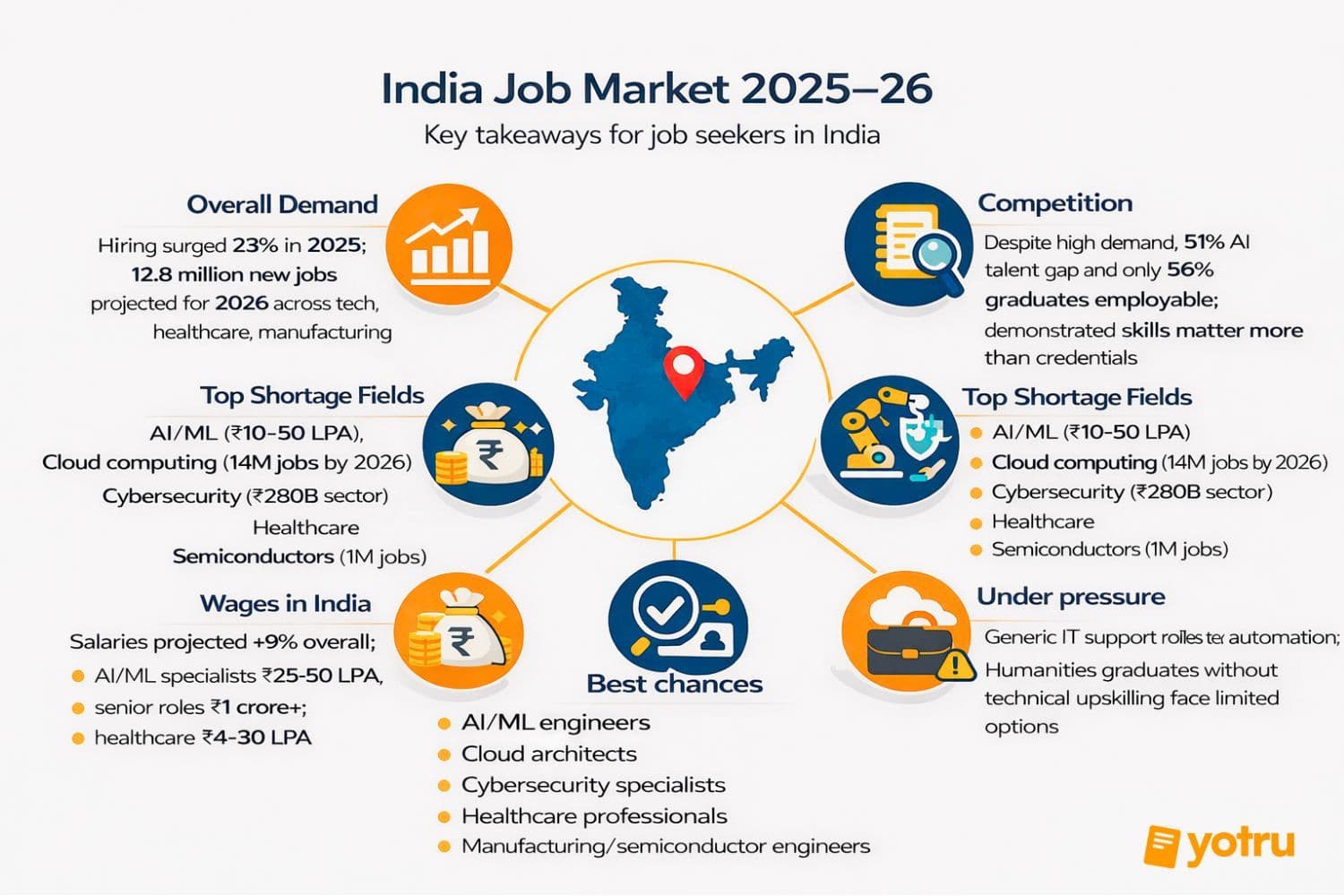
India enters 2026 with unemployment at 5.2%, near historic lows, yet paradoxically faces acute talent shortages. According to foundit's 2025 insights tracker, hiring surged 23% year-over-year with 12.8 million new jobs projected for 2026. The labor force participation rate climbed to 55.4%, the highest since measurement began, yet only 56% of graduates are considered directly employable.
Key Insight
India's 5.2% unemployment and 23% hiring surge signal 12.8M new jobs in 2026. IT faces 51% talent gap in AI skills, healthcare needs 2.7-3.5M workers by 2028, semiconductor sector projects 1M jobs. Strong opportunities despite skills mismatch.
This creates a unique market: abundant opportunity coexists with severe skills gaps in AI, cloud computing, and specialized healthcare. Technology, healthcare, manufacturing, and infrastructure lead job creation, with Tier-2 cities (Hyderabad, Pune, Jaipur) emerging as major hiring hubs. This guide explains where hiring is strongest in India, which skills matter most, and how to tailor your resume with Yotru's resume builder to stand out in this dynamic market.
| India 2026: labor market at a glance | ||
|---|---|---|
| Indicator | 2026 estimate | Job Outlook |
| Unemployment rate | 5.2%; employment rate 52.5%; LFPR 55.4% (record highs) | High |
| Job vacancy level | 12.8 million new jobs projected (+23% hiring growth) | Very High |
| Top shortage sectors | IT/AI (51% talent gap), healthcare (2.7-3.5M jobs needed), manufacturing, semiconductors (1M jobs) | Very High |
| Real wage trend | Salaries +9% projected; IT/tech +15-25% in specialized roles | High |
| Strongest profiles | AI/ML engineers, cloud architects, healthcare professionals, manufacturing engineers, data scientists | Very High |
Whether you're an Indian professional, a recent graduate, or an international worker considering opportunities in India, understanding the structural skills gaps and regional dynamics is essential for making informed career decisions.
Jobs in India by sector
Technology and IT jobs in India
India's IT sector reaches $300 billion in 2026 with 9.5 million tech professionals. AI economy alone projected at $17 billion by 2027. Massive demand despite 51% talent gap in AI skills.
Salary in India:
- Software developers: ₹5-13 LPA (entry to experienced)
- AI/Machine learning engineers: ₹10-50 LPA (₹1 crore+ for senior architects)
- Cloud engineers (AWS/Azure/GCP): ₹6-11 LPA entry; ₹25-35 LPA senior
- Cybersecurity specialists: ₹6-9 LPA entry; ₹20-28 LPA experienced
- Data scientists: ₹6-12 LPA entry; ₹25-40 LPA senior
- DevOps engineers: ₹5-8 LPA entry; ₹20-30 LPA senior
- Blockchain developers: ₹5-45 LPA depending on experience
- Strongest demand: Bengaluru, Hyderabad, Pune, Chennai, Tier-2 cities (Jaipur, Coimbatore, Baroda)
Who's hiring:
- Global Capability Centers (GCCs) — Google, Microsoft, Amazon, Adobe expanding in India; competitive salaries
- Indian tech giants — TCS, Infosys, Wipro, HCL, Tech Mahindra; stable but lower pay than GCCs
- Startups and unicorns — Flipkart, Swiggy, Zomato, PhonePe; equity compensation common
- BFSI sector — Banks and financial services digitalizing; strong tech hiring
- Semiconductor companies — Intel, Micron, AMD, domestic fabs; 1 million jobs projected by 2026
What you need:
- Specialized AI/ML skills: TensorFlow, PyTorch, NLP, computer vision most in-demand
- Cloud certifications: AWS, Azure, GCP certifications add ₹10,000-20,000 monthly to salary
- Portfolio and GitHub: Demonstrable projects critical; hackathons, open-source contributions valued
- English proficiency: Essential for GCCs and international clients; Hindi helps for domestic roles
Job posting signals: "AI/ML Engineer," "Cloud Architect," "Remote/WFH," "GCC," "₹30+ LPA," "Equity/ESOP"
Hint
India's tech hiring increasingly favors skills over pedigree. Non-IIT graduates with strong portfolios, relevant certifications (AWS, GCP), and demonstrable AI/ML project experience command salaries equal to or exceeding IIT graduates. Tier-2 cities offer 60-70% of metro salaries with 40-50% lower living costs—significant arbitrage opportunity.
If you're applying from abroad:
- Indian tech sector increasingly hires global remote talent for specialized roles
- Salary expectations: International roles pay 20-30% premium over domestic
- Focus resume on cloud-native development, AI/ML specializations, and global collaboration experience
- Visa requirements: OCI (Overseas Citizen of India) cardholders have streamlined entry; employment visas straightforward for skilled tech workers
- Time zone advantage: Indian professionals in US/EU time zones command premium for real-time collaboration
How Yotru helps: Yotru's resume builder helps tech professionals create portfolios showcasing AI/ML projects, cloud certifications, and technical skills in formats optimized for Indian ATS systems used by GCCs and startups.

Healthcare and medical jobs in India
Healthcare sector employs 7.5 million with 2.7-3.5 million additional jobs needed by 2028. Private equity investments surged 220% in 2024. Medical tourism sector projected $10.45 billion by 2029.
Salary in India:
- MBBS doctors (fresh graduates): ₹4-8 LPA
- MD/MS specialists: ₹9-30 LPA
- Super-specialists (cardiology, neurosurgery, oncology): ₹25 LPA-₹1 crore+ annually
- Staff nurses: ₹2.5-5 LPA entry; ₹6-10 LPA experienced
- Pharmacists: ₹3-6 LPA
- Healthcare administrators: ₹5-15 LPA
- Telemedicine specialists: ₹8-20 LPA
- Strongest demand: Metro cities (Delhi, Mumbai, Bengaluru), Tier-2 expansion (Jaipur, Lucknow, Coimbatore)
Hint
India is one of the world’s largest suppliers of medical professionals. Indian doctors and nurses staff health systems across the US, UK, Australia, and the Gulf. While the UK has seen a drop in Indian health worker visas, many professionals are now choosing Australia and the Middle East for better pay and career growth. This outward flow continues despite shortages at home, driven by limited training slots and better opportunities abroad.
Who's hiring:
- Corporate hospital chains — Apollo, Fortis, Medanta, Max, Manipal; highest salaries
- AIIMS and government hospitals — Job security, lower pay (₹70,000-₹1.5 lakh monthly); prestige
- Diagnostic chains — Thyrocare, Dr. Lal PathLabs; growing rapidly
- Telemedicine platforms — Practo, 1mg, PharmEasy; tech-enabled healthcare
- Medical tourism hospitals — Kerala, Chennai hubs; international patient care
What you need:
- Medical Council of India (MCI) registration: Mandatory for all practitioners
- Specialization: Super-specialists (cardiology, neurosurgery) earn 3-5x general practitioners
- English proficiency: Essential for medical tourism and corporate hospitals
- Digital health literacy: Telemedicine, AI diagnostics increasingly important
Market reality: India faces severe doctor shortage—1 doctor per 1,457 people (WHO recommends 1:1,000). Nursing shortage particularly acute in rural areas. Government expanding medical college seats, but demand far exceeds supply.
How Yotru helps: Healthcare professionals can use Yotru's resume builder to highlight MCI registration, specializations, patient outcomes, and telemedicine experience in formats that pass hospital ATS systems.
Manufacturing and engineering jobs in India
Manufacturing sector recorded 39% hiring growth in 2025. India's semiconductor mission projects 1 million jobs by 2026. Electric vehicle and green energy sectors expanding rapidly.
Salary in India:
- Manufacturing engineers: ₹3-8 LPA entry; ₹12-20 LPA experienced
- Automobile engineers: ₹4-10 LPA
- Semiconductor engineers (VLSI, chip design): ₹8-25 LPA; critical shortage
- Industrial automation engineers (IoT, robotics): ₹6-15 LPA
- Quality control engineers: ₹3-7 LPA
- Production managers: ₹8-18 LPA
- Green energy engineers (solar, wind, EV): ₹5-12 LPA
- Strongest demand: Pune, Chennai, Gurugram, Ahmedabad, Hyderabad
Who's hiring:
- Automobile manufacturers — Tata Motors, Mahindra, Maruti Suzuki, Hyundai; EV transition driving demand
- Semiconductor fabs — Micron, Foxconn, Tower Semiconductor; government incentives
- Electronics manufacturing — Foxconn, Samsung, Xiaomi; India emerging as global hub
- Green energy companies — Adani Green, Tata Power, ReNew Power; rapid expansion
- Heavy industries — L&T, Bharat Forge; infrastructure projects
What you need:
- Engineering degree: Mechanical, electrical, electronics from recognized institutions
- Industry 4.0 skills: Automation, IoT, robotics, AI-enabled manufacturing
- CAD/CAM proficiency: AutoCAD, CATIA, SolidWorks essential
- Quality certifications: Six Sigma, Lean Manufacturing add significant value
How Yotru helps: Manufacturing professionals can use Yotru's resume builder to showcase technical certifications, automation experience, and project outcomes in formats optimized for manufacturing sector ATS.

Construction and infrastructure jobs in India
Construction and engineering hiring surged 34% in 2025. Government infrastructure spending and smart city projects driving sustained demand.
Salary in India:
- Civil engineers: ₹3-8 LPA entry; ₹10-18 LPA senior
- Construction managers: ₹6-15 LPA
- Site supervisors: ₹3-7 LPA
- Quantity surveyors: ₹4-9 LPA
- Urban planners: ₹5-12 LPA
- Strongest demand: Delhi NCR, Mumbai, Bengaluru, Hyderabad, Tier-2 cities
Market reality: Government's infrastructure push, smart cities mission, and metro expansions driving construction boom. However, sector faces skilled labor shortage and safety compliance challenges.
Retail, logistics, and BFSI snapshot
Retail jobs in India:
- Retail hiring grew 34% in 2025; festive demand and e-commerce expansion
- Store managers: ₹4-8 LPA
- E-commerce operations: ₹3-7 LPA
- Strongest demand: Festive seasons (Oct-Dec); Tier-2 city expansion
Logistics and transportation:
- Logistics hiring up 37% in 2025; e-commerce and supply chain modernization
- Supply chain managers: ₹6-12 LPA
- Warehouse operations: ₹3-6 LPA
- Last-mile delivery coordinators: ₹2.5-5 LPA
Banking, Financial Services, and Insurance (BFSI):
- BFSI hiring grew 27% in 2025; digital banking and fintech expansion
- Financial analysts: ₹5-12 LPA
- Risk management specialists: ₹6-14 LPA
- Fintech roles (payments, lending): ₹7-18 LPA
- Insurance agents/advisors: ₹3-8 LPA

What's changing in the India job market
Skills mismatch constrains growth despite high demand
India adds 10 million job seekers annually, yet only 56% of graduates are employable. 51% talent gap in AI skills, severe shortages in cloud, cybersecurity, and specialized healthcare.
What this means:
- Applied skills trump credentials: Portfolio projects, certifications, and demonstrable outcomes matter more than degrees alone
- Reskilling explosion: Government's PMKVY 4.0, Skill India Mission training millions in AI, robotics, cloud, EVs
- Career changers welcomed: Mid-career professionals transitioning into tech with demonstrated skills
- English + technical Hindi: Bilingual professionals command premium for domestic + international roles
Pro Tip
Tier-2 cities are becoming India’s quiet career powerhouses. With 40–50% lower living costs, rising salaries, and strong demand from global employers, professionals who build in-demand skills can earn metro-level pay with far better quality of life. The real advantage now comes from formal experience, documented skills, and roles tied to tech, AI, and compliance-driven industries.
Tier-2 cities emerge as hiring hubs
Bengaluru and Hyderabad lead with 3% growth, but Tier-2 cities (Jaipur, Coimbatore, Baroda, Kochi) showing 2% growth with significantly lower costs.
What this means:
- Geographic arbitrage: Tier-2 salaries 60-70% of metros with 40-50% lower living costs
- GCC expansion: Global companies opening centers beyond metros
- Remote work normalization: 60%+ tech roles offer hybrid/remote options
- Reverse migration: Professionals returning from metros to Tier-2 hometowns
Formalization and compliance increasing
Digital payroll, labor law consolidation, and compliance requirements pushing organized employment. Favors documented experience over informal work.
What this means:
- Formal sector advantages: Organized employers offer better benefits, career progression
- Documentation critical: Formal employment history improves mobility and credibility
- EPFO enrollment surging: 13.15 million net additions in FY24 (doubled from FY19)
- Gig economy expanding: 23.5 million gig workers projected by 2029-30; platform-based work growing
Wage growth accelerating in shortage roles
Overall salary increases projected 9% in 2026. AI/ML, cloud, semiconductors, and healthcare seeing 15-30% increases.
What this means:
- Skills premium: Specialized technical skills command disproportionate increases
- Equity compensation: Startups offering ESOPs; potential for 5-10x returns on successful exits
- Benefits expanding: Health insurance, work-from-home allowances, learning budgets standard in tech
- Tax reforms: New tax regime benefits simplifying compliance and boosting take-home pay

Getting started: what you need to know
Reality check for working in India
Employment visa not required for most roles
- Indian citizens: No visa restrictions; freedom to work anywhere in India
- Overseas Citizen of India (OCI): Streamlined entry; can work without employment visa
- Foreign nationals: Employment visa required; straightforward for skilled tech/healthcare roles
- Remote work: Indian professionals increasingly hired by global companies while residing in India
Language requirements vary by sector
- Technology: English essential for GCCs and international clients; Hindi helps for domestic roles
- Healthcare: English for corporate/medical tourism; regional languages for government hospitals
- Manufacturing: English + Hindi common; regional languages (Tamil, Telugu, Marathi) useful
- Retail/Hospitality: Regional language proficiency often required for customer-facing roles
Contract types and employment
- Permanent employment: Standard in large corporations; job security, benefits
- Contract/project-based: Common in IT and consulting; 20-30% premium over permanent roles
- Freelance/gig: Expanding rapidly; platforms like Upwork, Toptal connecting Indian talent globally
- Internships: 6-12 months common for fresh graduates; many convert to full-time
Hiring timelines in India
- Tech startups: 1-3 weeks for strong candidates with portfolio proof
- GCCs and MNCs: 3-6 weeks with multiple rounds (technical, HR, cultural fit)
- Government sector: 6-12 months with competitive exams (UPSC, SSC, state PSCs)
- Healthcare: Variable; credential verification for specialized roles extends timeline
Important
Indian hiring culture increasingly emphasizes demonstrated skills and portfolio over educational pedigree. IIT/IIM backgrounds still carry weight but non-premier institution graduates with strong GitHub portfolios, relevant certifications (AWS, GCP, TensorFlow), and hackathon wins compete effectively. Focus resume on measurable outcomes, specific technologies, and project impact rather than institution names.
Cost of living varies dramatically
- Tier-1 metros (Bengaluru, Mumbai, Delhi): Highest costs; salaries 30-50% above national average partially offset expenses
- Tier-2 cities (Pune, Hyderabad, Jaipur): 40-50% lower costs than metros with robust job markets
- Tier-3 cities: 60-70% lower costs but limited opportunities outside manufacturing and government
- Remote work arbitrage: Earn metro salaries while living in lower-cost locations—significant advantage
Your job search game plan for India
If you're a fresh graduate:
- Build portfolio immediately — GitHub projects, hackathons, freelance work matter more than GPA
- Get certifications — AWS, Azure, Google Cloud, data science certifications add credibility
- Target skill-based hiring companies — Startups and GCCs prioritize demonstrated ability over degrees
- Consider Tier-2 opportunities — Lower competition, faster growth trajectory, better learning
- Use Yotru's resume builder — Optimize for Indian ATS systems; highlight projects and certifications
If you're mid-career professional:
- Leverage reskilling programs — Skill India Mission, PMKVY 4.0 offer free/subsidized tech training
- Emphasize transferable skills — Domain expertise + tech upskilling = high value combination
- Target growth sectors — AI/ML, semiconductors, healthcare, green energy actively hiring mid-career
- Network strategically — LinkedIn active in India; professional referrals carry significant weight
- Consider career pivot — Finance/manufacturing professionals successfully transitioning to tech/data roles
If you're from abroad (NRI/OCI/foreign national):
- Target GCCs and MNCs — Google, Microsoft, Amazon, Adobe hiring globally; smooth visa sponsorship
- Emphasize global experience — International collaboration, multicultural teams highly valued
- Leverage salary arbitrage — Earn in foreign currency while based in India; 3-5x purchasing power
- Remote-first roles — Many Indian startups/GCCs hiring global talent for specialized roles
- Tax planning — Understand India's tax treaty benefits; NRIs have specific exemptions
Pro Tip
India's tech sector rewards specialization over generalization. Instead of "full-stack developer," position yourself as "React specialist with AWS serverless expertise" or "Computer vision engineer with healthcare AI focus." Niche expertise commands 30-50% salary premium and significantly reduces competition. Build deep skills in one area rather than surface-level knowledge across many.
ATS-Optimized resumes That Meet Employer Standards
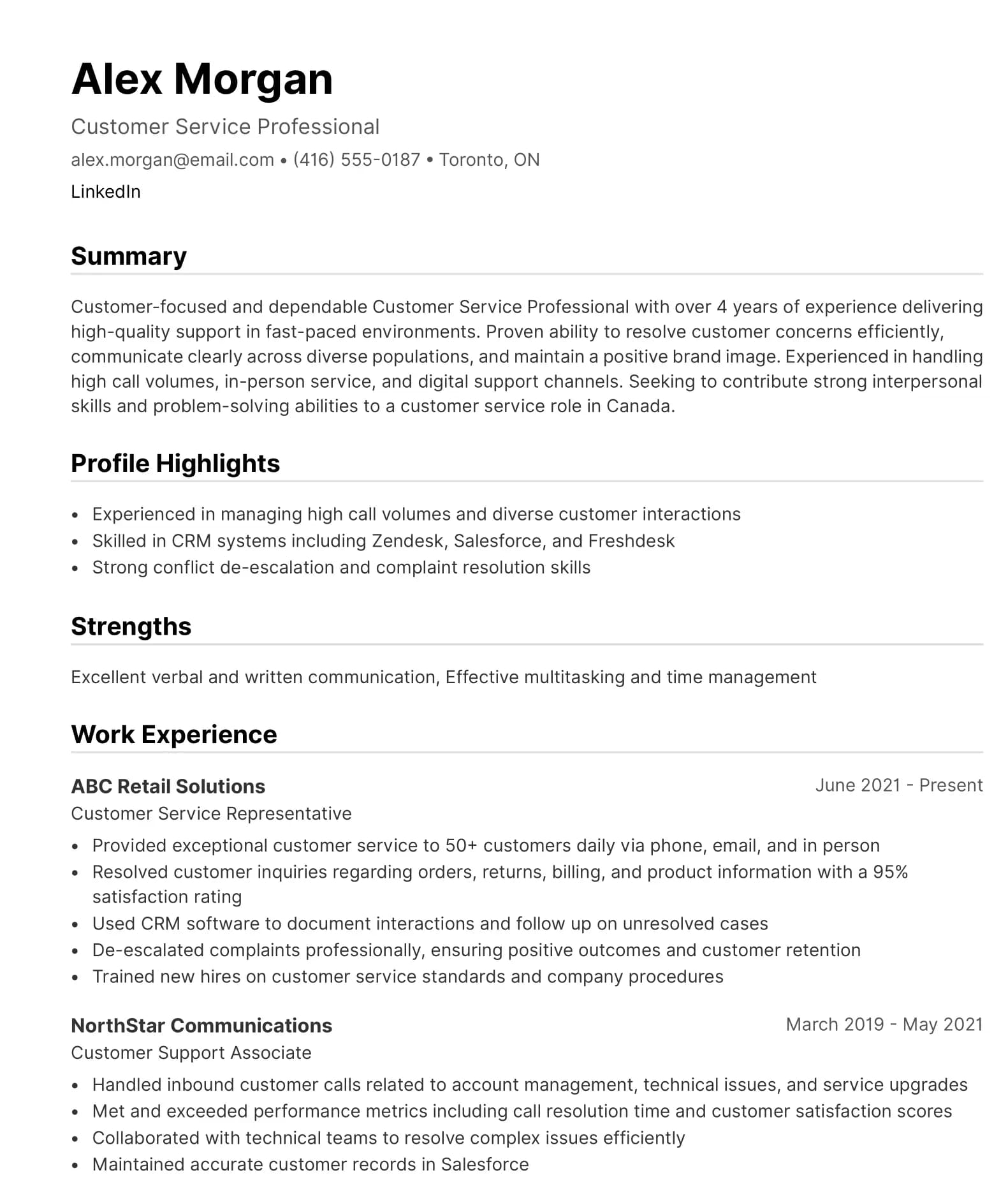
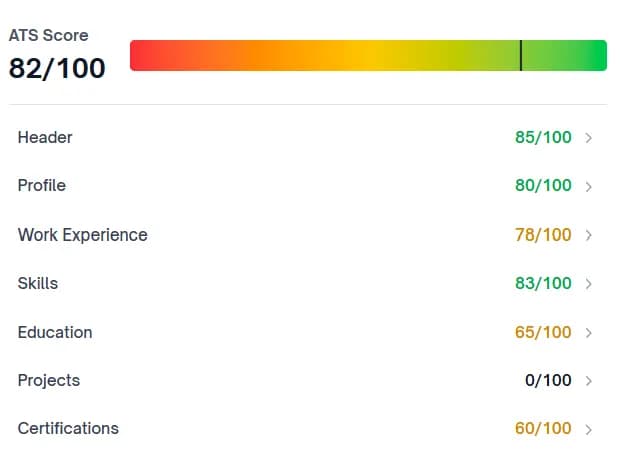
Our AI-powered scoring system helps organizations assess and standardize resume quality at scale. ATS-compliant templates support consistent formatting, keyword alignment, and interview readiness across cohorts.
Frequently asked questions
Yes, particularly in technology, healthcare, and manufacturing sectors. India's job market surged 23% in 2025 with 12.8 million new jobs projected for 2026. Technology faces 51% talent gap in AI skills—far more openings than qualified candidates. Healthcare needs 2.7-3.5 million additional workers by 2028. Semiconductor sector alone projects 1 million jobs. However, only 56% of graduates are considered directly employable, so demonstrated skills, relevant certifications, and strong portfolios matter more than degrees alone. Salary growth projected at 9% overall, with specialized tech roles seeing 15-30% increases.
About the Author

Team Yotru
Employability Systems
Team Yotru
Employability Systems
We build practical career tools for training providers and workforce programs, combining labor market insights with real employment outcomes. Follow us on LinkedIn.
Related Resources
Continue exploring related perspectives on career development, hiring trends, and workforce change.
Market and Research
- Hiring Trends in UK— UK job market outlook examining sectors hiring international workers, language requirements, and skilled migration pathways.
- Hiring Trends in Ireland— Ireland job market guide for international professionals, including tech sector demand and English-language opportunities.
- Hiring Trends in the United States— U.S. labor market conditions showing easing demand and persistent sectoral shortages.
- Hiring Trends in Canada — Canadian labor market outlook examining regional variations and skill requirements.
- Professional Networking Strategies— How to Build Connections That Lead to Career Opportunities
Resume Building and Optimization
- Make Your Resume ATS-Friendly in 5 Minutes— Simple, fast changes that help your resume pass applicant tracking systems without keyword stuffing.
- Single vs Double Column Resumes— ATS parsing works with both; keyword matching matters more than layout
- How to Target Job Keywords in Your Resume— A practical guide to matching your resume to job postings using the right keywords, naturally.
- AI Resume Builders vs Traditional— AI tools act as coaches and optimizers; traditional stops at formatting
- EMT Resume Job Description Guide— Patient assessment, CPR, trauma care keywords for emergency medical roles
- Executive Assistant Resume Keywords— ATS skills list for EA roles; organizational skills and efficiency critical
Example Resume Profiles
- Accounting Assistant — Accountants in demand at all levels
- Emergency & ICU Physician (Critical)— Healthcare professionals are always in demand
- Senior Executive Assistant— Strategic Partner to C-Suite
- IT Infrastructure Technician— IT support roles stable; cloud/infrastructure skills in demand
- AI/ML Engineer (NLP Specialist)— Government targeting 5% GDP in AI; English-speaking talent prioritized
- Industrial Electrician (Manufacturing)— Manufacturing exports up 32.5%; Industry 4.0 skills in high demand

Audience Context
This content is designed for Indian job seekers, recent graduates, mid-career professionals, and international workers considering opportunities in India. It explains where demand exists, how skills gaps shape hiring, and how individuals can align their capabilities with employer expectations in India's rapidly evolving employment landscape. The guide addresses the unique dynamics of India's market: massive opportunity coexisting with skills mismatch, the rise of Tier-2 cities, and the increasing importance of demonstrated skills over credentials.
References
- Periodic Labour Force Survey (PLFS) Monthly Bulletin October 2025 — LFPR 55.6%, WPR 52.8%, UR 5.1% (age 15+ CWS), revamped design with monthly rural/urban estimates.
- Ministry of Statistics PLFS Data Visualization — Quarterly/monthly employment-unemployment indicators, LFPR/WPR/UR trends Q3 2025.
- NASSCOM Strategic Review 2025 — IT sector 14M jobs by 2026, AI/cloud talent gap 51%, GCC expansion projections.
- National Skill Development Corporation Reports — PMKVY 4.0 skilling, sector skill gaps, employability trends 2026.
- EPFO Payroll Data July 2025 — Net additions 21.04 lakh members, 5.55% YoY growth, youth/female participation rise.
- India Skills Report 2026 (Wheebox/Confederation of Indian Industry) — Employability 56.35% (up from 54.81%), AI talent 16% global share, women leading gains.
- RBI Annual Report 2024-25 — Formal employment growth, wage trends, sectoral hiring forecasts 2026.
- Press Information Bureau Employment Updates — LFPR 55.3% Sep 2025 high, female participation growth, rural WPR 57.4%.
- Aon India Salary Increase Survey 2025-26 — Projected hikes 9.0%, IT/BFSI 9.5%, manufacturing 8.5%.
- Economic Survey 2025-26 (Ministry of Finance) — Job creation 7.5M annually, gig economy 25M workers by 2026.
- NITI Aayog Employment Strategy 2026 — Skilling 400M workers, Tier-2 city hiring surge, formalization trends.
- Reserve Bank of India Monetary Policy Report Dec 2025 — Labor market tightness, wage growth 6-7%, unemployment projection 4.8%.
- MOSPI PLFS Revamp 2025 Technical Report — Sample size to 22,692 FSUs, monthly national indicators from Jan 2025.
- Confederation of Indian Industry Future of Jobs 2026 — AI/ML 2M jobs, green skills demand, employability gap analysis.
- Employees' Provident Fund Organisation Monthly Bulletin — Record 21.89 lakh net additions Jun 2025, 13.46% YoY growth.
Research Methodology
This analysis draws on publicly available data from Indian government agencies (PLFS, NSDC), industry research organizations (NASSCOM, EPFO, foundit), and international labor authorities. It integrates employment statistics, sector-level demand indicators, and skills gap analysis to reflect current and emerging trends in India's 2026 job market.
Salary Data Normalization
Salary figures reflect estimated annual gross earnings in Indian Rupees (INR/₹) before taxes. Data is normalized using aggregated job postings, industry salary surveys (Aon, Glassdoor), government labor statistics, and employer-reported ranges to account for regional variation (Tier-1 metros vs. Tier-2 cities), role seniority, sector differences, and experience levels. Actual compensation varies based on experience, employer type, location, and negotiated terms. LPA denotes Lakhs Per Annum (1 lakh = 100,000 rupees).
Editorial Standards
All content is developed using verified public data and reviewed for clarity, accuracy, and relevance to India's job market. Insights are grounded in observable labor market trends and sectoral demand rather than promotional claims. Information is updated periodically to reflect changes in economic conditions, skills requirements, and hiring patterns.
Disclaimer
This content is provided for informational purposes only and does not constitute employment advice, career counseling, or immigration consultation. Readers should consult official government sources or qualified professionals before making career or relocation decisions.
Maintained by: Labor Intelligence Group at Yotru
Review cycle: Monitored as market conditions evolve
Last updated: December 31, 2025
Questions or Need Support?
If you are working on employability programs, hiring strategy, career education, or workforce outcomes and want practical guidance, you are in the right place.
Yotru supports individuals and organizations navigating real hiring systems. That includes resumes and ATS screening, career readiness, program design, evidence collection, and alignment with employer expectations. We work across education, training, public sector, and industry to turn guidance into outcomes that actually hold up in practice.