
Market
1 min read
Blank
Key Insight
Key
| 2026: labor market at a glance | ||
|---|---|---|
| Indicator | 2026 estimate | Job Outlook |
| Unemployment rate | 8.5% (official) but 28-29% (broad measure) | Medium |
| Job vacancy level | Acute shortages in tech, manufacturing, renewable energy | Medium |
| Top shortage sectors | AI/cybersecurity, manufacturing, renewable energy, biotech | High |
| Real wage trend | 27% minimum wage increase for 2026; inflation pressure on real incomes | Medium |
| Strongest profiles | Tech with English skills, skilled manufacturing, renewables | High |




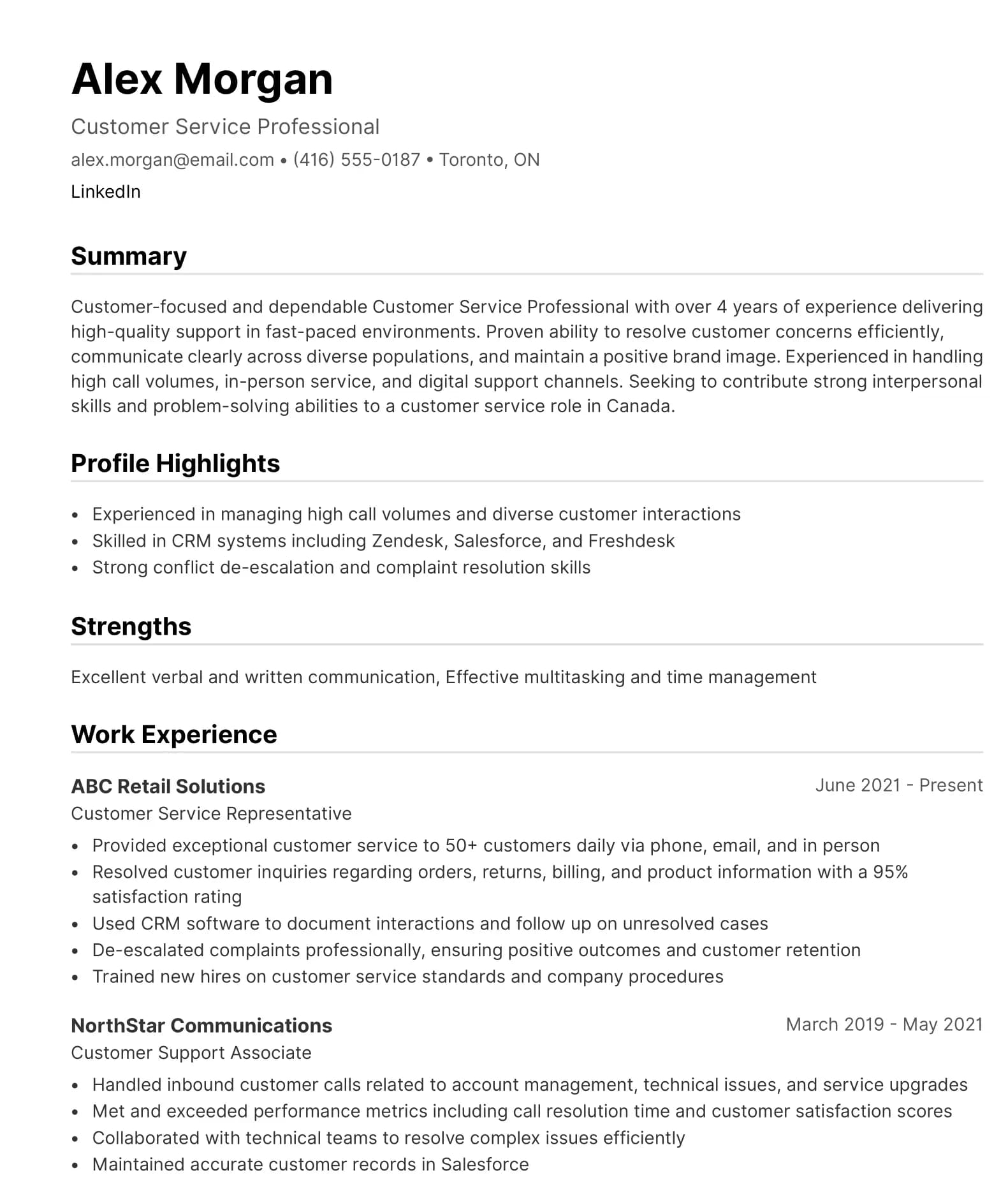
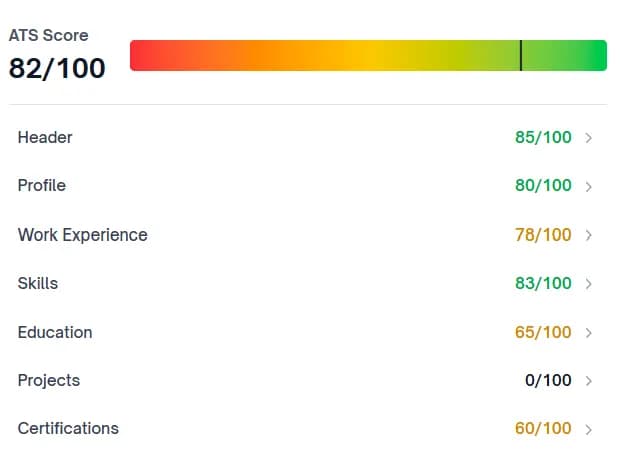
ATS-Optimized resumes That Meet Employer Standards
Our AI-powered scoring system helps organizations assess and standardize resume quality at scale. ATS-compliant templates support consistent formatting, keyword alignment, and interview readiness across cohorts.
Frequently asked questions
Yes, but focused on specific shortage occupations. If you work in AI, cybersecurity, robotics, renewable energy, or skilled manufacturing, Turkish employers actively seek international talent—particularly English speakers. The government introduced three-year flexible work permits for these fields. However, work permits are tied to specific employers and require employment contracts before visa application. General business or non-technical roles face much tighter competition from local candidates.
About the Author

Team Yotru
Employability Systems
Team Yotru
Employability Systems
We build practical career tools for training providers and workforce programs, combining labor market insights with real employment outcomes. Follow us on LinkedIn.
Related Resources
Continue exploring related perspectives on career development, hiring trends, and workforce change.
Market and Research
- Hiring Trends in UK— UK job market outlook examining sectors hiring international workers, language requirements, and skilled migration pathways.
- Hiring Trends in Ireland— Ireland job market guide for international professionals, including tech sector demand and English-language opportunities.
- Hiring Trends in the United States— U.S. labor market conditions showing easing demand and persistent sectoral shortages.
- Hiring Trends in Canada — Canadian labor market outlook examining regional variations and skill requirements.
- Professional Networking Strategies— How to Build Connections That Lead to Career Opportunities
Resume Building and Optimization
- Make Your Resume ATS-Friendly in 5 Minutes— Simple, fast changes that help your resume pass applicant tracking systems without keyword stuffing.
- Single vs Double Column Resumes— ATS parsing works with both; keyword matching matters more than layout
- How to Target Job Keywords in Your Resume— A practical guide to matching your resume to job postings using the right keywords, naturally.
- AI Resume Builders vs Traditional— AI tools act as coaches and optimizers; traditional stops at formatting
- EMT Resume Job Description Guide— Patient assessment, CPR, trauma care keywords for emergency medical roles
- Executive Assistant Resume Keywords— ATS skills list for EA roles; organizational skills and efficiency critical
Example Resume Profiles
- Accounting Assistant — Accountants in demand at all levels
- Emergency & ICU Physician (Critical)— Healthcare professionals are always in demand
- Senior Executive Assistant— Strategic Partner to C-Suite
- IT Infrastructure Technician— IT support roles stable; cloud/infrastructure skills in demand
- AI/ML Engineer (NLP Specialist)— Government targeting 5% GDP in AI; English-speaking talent prioritized
- Industrial Electrician (Manufacturing)— Manufacturing exports up 32.5%; Industry 4.0 skills in high demand

Audience Context
This analysis draws on publicly available data from Turkish government agencies, labor market institutions, international economic sources, and industry analysis. It integrates employment statistics, sector-level demand indicators, and workforce projections to reflect current and emerging trends in Turkey.
References
- Turkish Statistical Institute (TurkStat) — Labour force, unemployment, wage statistics.
- Ministry of Labour and Social Security — Employment policy, labour law, work permits.
- İŞKUR – Turkish Employment Agency — Job matching, training, active labour programmes.
- Presidency of Strategy and Budget (Medium-Term Program) — Macro outlook, growth and employment targets.
- Directorate General of Migration Management — Work authorizations, migration and foreign workers.
- OECD Skills for Jobs – Turkey — Skills shortages and mismatch indicators.
- World Bank – Turkey Country Page — Labour market diagnostics and jobs reports.
- IZA World of Labor – Turkey — Research on employment, informality, youth jobs.
- BBVA Research – Turkey Outlook — Growth, inflation, and employment forecasts.
- Turkish Industry & Business Association (TÜSİAD) — Business sentiment, labour demand, competitiveness.
- Central Bank of the Republic of Türkiye (CBRT) — Inflation, monetary policy, labour cost context.
- Union of Chambers and Commodity Exchanges (TOBB) — Sectoral reports, SME employment trends.
- Confederation of Turkish Trade Unions (Türk-İş) — Wages, cost of living, worker conditions.
- EU Turkey Delegation – Labour & Employment — Projects on skills, youth employment, inclusion.
Research Methodology
This analysis draws on publicly available data from Turkish government agencies, labor market institutions, international economic sources, and industry analysis. It integrates employment statistics, sector-level demand indicators, and workforce projections to reflect current and emerging trends in Turkey.
Salary Data Normalization
Salary figures reflect estimated annual gross earnings in Turkish Lira (TRY) before taxes. Data is normalized using aggregated job postings, government labor statistics, industry reports, and employer-reported ranges to account for regional variation, role seniority, and market conditions. Actual compensation may vary based on experience, employer, location, and negotiated terms.
Editorial Standards
All content is developed using verified public data and reviewed for clarity, accuracy, and neutrality. Insights are grounded in observable labor market trends rather than promotional claims. Information is updated periodically to reflect changes in economic conditions, policy, and hiring demand.
Disclaimer
This content is provided for informational purposes only and does not constitute legal, immigration, or career advice. Readers should consult official government sources or qualified professionals before making employment or relocation decisions.
Maintained by: Labor Intelligence Group at Yotru
Review cycle: Monitored as market conditions evolve
Last updated: December 31, 2025
Questions or Need Support?
If you are working on employability programs, hiring strategy, career education, or workforce outcomes and want practical guidance, you are in the right place.
Yotru supports individuals and organizations navigating real hiring systems. That includes resumes and ATS screening, career readiness, program design, evidence collection, and alignment with employer expectations. We work across education, training, public sector, and industry to turn guidance into outcomes that actually hold up in practice.