Market
11 min read
California Jobs 2026: Hiring Trends + Salaries
Synopsis
Tech booms in AI while construction starves for workers. California's paradox job market demands strategic positioning—here's where opportunity actually exists in 2026.
California enters 2026 with 5.6% unemployment and an economy growing slower than the nation. UCLA Anderson Forecast projects recovery beginning late 2026, with unemployment potentially hitting 6.2% before improving. Tech sector shows strength in AI and specialized software roles, with San Francisco maintaining $195K average tech salaries.
Healthcare faces acute nursing shortages—California needs 106,000+ RNs by 2036. Construction desperately seeks 500,000 skilled workers nationwide, with California's tight labor market pushing wages higher. This creates opportunity pockets amid broader economic uncertainty.
Key Insight
California's market splits between AI-driven tech boom (senior engineers $200K+) and critical shortages in healthcare/construction ($50K-$150K). Choose sector wisely—credentials matter less than positioning.
Whether you're a California resident, recent graduate, or professional considering relocation, understanding which sectors actively hire versus which face headwinds matters. This guide explains where hiring concentrates, which skills command premiums, and how to position yourself with Yotru's resume builder for California's fragmented market.
| California 2026: labor market snapshot | ||
|---|---|---|
| Indicator | 2026 estimate | Job Outlook |
| Unemployment rate | 5.6% (Sept 2025); peak 6.2% projected early 2026 before recovery | Medium |
| Job vacancy level | Elevated in AI/tech, healthcare, construction; weak in admin/retail | Medium |
| Top shortage sectors | AI/ML engineering, nursing (106K shortage by 2036), skilled trades (500K national need), cybersecurity | High |
| Real wage trend | Tech: stagnant (+0.8%); Construction: strong (+8-10%); Healthcare: premium rates | Medium |
| Strongest profiles | AI/ML specialists, senior software engineers, registered nurses, electricians, plumbers, HVAC techs | High |
Sources: California EDD, UCLA Anderson Forecast, BLS, Robert Half 2026 Tech Salary Guide
Key takeaways for job seekers in California
- Overall demand: Tech AI/ML roles surging; healthcare critical shortage; construction desperate; admin/retail contracting
- Competition: Entry-level glutted across sectors; mid-career specialists (3-7 years) command premiums
- Top shortage fields: AI/ML engineers, data scientists, cybersecurity, registered nurses, skilled trades (electrical, plumbing, HVAC)
- Under pressure: Administrative support, retail management, general office roles face automation/consolidation
- Wages in California: Tech $110K-$295K (senior roles); healthcare RN $99K-$149K; construction trades $50K-$120K
- Best chances: Demonstrated AI/ML skills, licensed healthcare professionals, certified trades, cybersecurity specialists
Hint
In California’s job market, depth beats breadth. Employers prioritize proven skills and certifications over general experience.
Jobs in California by sector
Tech and AI jobs in California
Market reality: San Francisco commands $195K average tech salary—highest nationally. AI/ML roles taking 89 days to fill due to talent scarcity. Remote work declining except senior positions.
Salary in California:
- Entry software developers: $50,000-$90,000
- Mid-level engineers: $110,000-$155,000
- Senior engineers/architects: $155,000-$245,000
- AI/ML specialists: $135,000-$295,000
- Data scientists: $120,000-$285,000
- Cybersecurity analysts: $90,000-$180,000
- Principal/Staff engineers: $200,000-$350,000+ (with equity)
- Strongest demand: SF Bay Area, Los Angeles, San Diego, remote positions for senior roles
Who's hiring:
- Big Tech (Google, Meta, Apple, Amazon) - Selective hiring after 2023-24 layoffs; senior roles prioritized
- AI startups (OpenAI, Anthropic, Stability AI) - Aggressive hiring; equity-heavy compensation
- Enterprise tech (Salesforce, Adobe, Oracle) - Steady hiring; cloud/AI focus
- Gaming (Riot, Blizzard, EA) - Los Angeles concentration; specialized roles
- Biotech/healthtech (Illumina, Dexcom, Tempus) - San Diego/SF; data science heavy
What you need:
- Modern stack: Python, JavaScript, React, Node.js, cloud platforms (AWS, Azure, GCP)
- AI/ML expertise: TensorFlow, PyTorch, LLMs, prompt engineering for premium roles
- Portfolio: GitHub with shipped projects; talk metrics (latency reduction, cost savings, user growth)
- System design: Senior roles require architecture discussions; prepare for technical depth
- Communication: California tech culture values clarity over jargon; explain impact simply
Job posting signals: "AI/ML," "LLM," "equity package," "remote-friendly," "senior+" (indicating selectivity)
Pro Tip
California tech hiring favors shipped products over degrees. Portfolio with measurable impact beats credentials. Quantify everything: "reduced API response time 40%" > "worked on backend." Show GitHub, deployed apps, user metrics.
If you're applying from outside California:
- SF Bay Area: Highest salaries ($195K avg) but rent $3,500+/month eats gains; calculate net take-home
- Remote roles: Increasingly tied to location-adjusted pay bands; negotiate before accepting
- Visa sponsorship: Big Tech still sponsors H-1B but competition fierce; highlight specialized AI/ML skills
- Portfolio critical: Non-California candidates need stronger evidence; show shipped work prominently
- Cost arbitrage: Consider LA/San Diego (15-20% lower salaries but 30-40% lower housing costs)
How Yotru helps: Yotru's resume builder emphasizes shipped projects over job titles, quantifies technical impact for California tech recruiters, formats for Big Tech ATS systems, highlights AI/ML specializations that command premiums.
Healthcare and nursing jobs in California
Market reality: California projects 106,000 RN shortage by 2036—26% deficit, second-worst nationally. Burnout driving exits; aging population increasing demand. Rural counties critically short.
Salary in California:
- Staff nurses (entry): $99,000-$120,000 annually ($48-$58/hour)
- Experienced RNs: $120,000-$149,500 annually ($58-$72/hour)
- Specialist nurses (ICU, ER, OR): $130,000-$180,000 annually
- Nurse practitioners: $140,000-$195,000 annually
- Physicians (general practice): $180,000-$250,000 annually
- Physicians (specialists): $250,000-$450,000+ annually
- Allied health (PT, OT, RT): $80,000-$120,000 annually
- Strongest demand: Rural counties, Central Valley, Inland Empire; premium shift differentials
Who's hiring:
- Hospital systems (Kaiser Permanente, Sutter Health, Dignity Health) - Largest employers; union contracts; structured pay
- Public hospitals (county/UC systems) - State pensions; lower base pay but strong benefits
- Private clinics/urgent care - Growing sector; variable pay/benefits
- Skilled nursing/long-term care - Persistent vacancies; high turnover; competitive wages
- Home health agencies - Expanding rapidly; flexible schedules; independent work
What you need:
- California RN license: Board of Registered Nursing (BRN) license required; international nurses face 6-12 month credential process
- BSN increasingly preferred: Many hospitals require or prefer Bachelor's; associate degree still accepted with experience
- Specialty certifications: ICU (CCRN), ER (CEN), OR (CNOR) command $10K-$30K premiums
- Bilingual advantage: Spanish fluency valued in Southern California, Central Valley; premium pay common
- Resilience: High patient ratios (California mandates ratios but still challenging); burnout prevention critical
Job posting signals: "competitive differentials," "union facility," "BSN preferred," "bilingual bonus," "sign-on bonus $10K-$25K"
Important
California nursing offers highest RN salaries nationally ($149K avg) but faces brutal patient ratios and burnout crisis. 47% report burnout symptoms. Evaluate facility culture, not just salary—turnover signals systemic problems.
If you're applying from outside California:
- License transfer: Out-of-state RNs can apply for California license by endorsement; BRN processing 4-8 weeks
- International nurses: BRN credential evaluation 6-12 months; language testing (IELTS/TOEFL); clinical hours verification required
- Geographic arbitrage: Rural/Central Valley facilities offer $15K-$50K bonuses plus relocation; lower cost of living offsets slightly lower base
- Contract/travel nursing: Premium rates ($80-$120/hour) but no benefits; test markets before permanent relocation
- Resume focus: Emphasize patient outcomes, specialized certifications, bilingual skills if applicable
How Yotru helps: Highlights California-specific nursing credentials (BRN license, specialty certifications), emphasizes patient outcomes and bilingual capabilities, formats for healthcare ATS systems used by Kaiser/Sutter/UC systems.

Construction and skilled trades jobs in California
Market reality: U.S. construction needs 500,000 workers; California's share significant. Aging workforce (41% retiring by 2031) creates vacuum. Infrastructure spending drives demand. Wages rising 8-10% to attract talent.
Salary in California:
- Electricians (certified): $55,000-$95,000 annually
- Plumbers (licensed): $50,000-$90,000 annually
- HVAC technicians: $45,000-$80,000 annually
- Welders (certified): $45,000-$85,000 annually
- Carpenters: $40,000-$75,000 annually
- Heavy equipment operators: $55,000-$85,000 annually
- Construction managers: $90,000-$150,000 annually
- Solar installers (California leader): $40,000-$75,000 annually
- Strongest demand: Coastal metros, Inland Empire, Central Valley; union rates significantly higher
Who's hiring:
- Commercial contractors (Swinerton, Clark Construction, Webcor) - Large projects; union scale common
- Residential builders - Housing shortage driving demand; variable pay structures
- Industrial/infrastructure - IBEW electricians, plumbers unions; premium wages
- Solar/renewable installers - California leads nation; growth sector; certifications required
- Specialty trades - Elevator installers $80K-$120K+; sheet metal workers; highest-paid trades
What you need:
- State licenses: C-10 electrical, C-36 plumbing required for journeyman work; apprenticeship path 4-5 years
- Safety certifications: OSHA 10/30, confined space, fall protection standard requirements
- Union membership: IBEW, UA, Carpenters Union offer apprenticeships, higher wages, benefits
- Driver's license: Commercial (CDL) for heavy equipment; standard for most trade roles
- Physical fitness: Demanding work; heat exposure common in California climate
Job posting signals: "prevailing wage," "union scale," "Davis-Bacon," "OSHA 30," "journey-level," "per diem available"
Pro Tip
California construction trades out-earn many college graduates when adjusted for zero student debt. Electricians/plumbers earn $70K-$95K after 4-year apprenticeship while peers graduate with $50K debt and $45K entry jobs. Do the math.
If you're applying from outside California:
- License reciprocity: Limited; most states require California-specific exams; research requirements early at CSLB
- Union apprenticeships: IBEW, UA offer paid training; competitive entry but clear pathway
- Geographic choices: Inland Empire/Central Valley lower costs but strong construction activity; coastal premium pay but housing expensive
- Solar boom: California mandates solar on new homes; installer certification (NABCEP) valuable credential
- Resume focus: Certifications, safety training, specialized skills (green building, prevailing wage experience)
How Yotru helps: Emphasizes trade certifications and safety training for California construction market, highlights union apprenticeship completion and specialized skills, formats for contractor screening processes.

Clean energy and sustainability jobs in California
Market reality: California leads nation in renewable energy adoption. Solar mandate for new homes drives installer demand. EV infrastructure expansion creates electrical/engineering needs. Green building codes require specialized skills.
Salary in California:
- Solar installers: $40,000-$75,000 annually
- Wind turbine technicians: $50,000-$80,000 annually
- Energy efficiency consultants: $60,000-$95,000 annually
- Environmental engineers: $75,000-$130,000 annually
- Sustainability managers: $80,000-$140,000 annually
- EV charging technicians: $45,000-$75,000 annually
- Green building specialists: $55,000-$95,000 annually
- Strongest demand: Coastal California, Central Valley solar farms, Los Angeles EV infrastructure
Who's hiring:
- Solar companies (Sunrun, Tesla Energy, Sunnova) - Installation, maintenance, sales
- Utilities (PG&E, SCE, SDG&E) - Grid integration, renewable procurement
- Engineering firms - Environmental consulting, LEED certification, sustainability strategy
- EV manufacturers (Tesla, Rivian, Lucid) - California manufacturing/engineering hubs
- Government agencies - Energy Commission, Air Resources Board, city sustainability offices
What you need:
- Solar certifications: NABCEP (North American Board of Certified Energy Practitioners) industry standard
- Electrical knowledge: Understanding of NEC (National Electrical Code), wiring, grid connection
- LEED credentials: Green building certification valued for consulting/engineering roles
- Safety training: Fall protection, electrical safety for installation roles
- Technical aptitude: Problem-solving in field conditions; troubleshooting solar/EV systems
Job posting signals: "NABCEP certified," "LEED AP," "Title 24," "CEC compliance," "prevailing wage" (government projects)
If you're applying from outside California:
- California-specific regulations: Title 24 energy codes; study requirements before applying
- Solar boom sustainable: State mandate creates long-term demand, not bubble
- Geographic considerations: Inland solar farms offer volume work; coastal residential premium service
- EV infrastructure emerging: Early-stage market; growth trajectory strong through 2030+
- Resume focus: Certifications (NABCEP, LEED), project count/capacity installed, safety record
How Yotru helps: Highlights renewable energy certifications for California's green economy, emphasizes Title 24 compliance and technical specializations, positions candidates for sustainability-focused employers.
What's changing in California's job market
AI reshaping tech hiring
Tech sector adding 900,000+ jobs in 2025 but shifting from development to AI/ML specialization. Software engineering now only 10% of in-demand tech roles. Cloud, data analytics, AI, and machine learning dominate. This means generic coding skills less valuable; specialized AI expertise commands massive premiums.
What this means:
- Upskill to AI/ML if staying in tech—Python, TensorFlow, PyTorch, LLM development
- Data engineering growing faster than software dev—build ETL, cloud platform skills
- Cybersecurity chronic shortage—51% tech employers report gaps; certifications boost pay 10-15%
- Entry-level glutted—competition fierce; demonstrate shipped projects, measurable impact
Healthcare crisis intensifying
California nursing shortage projected to hit 106,000 RNs by 2036. Current 25,000+ FTE gap closing slowly. Burnout driving 22.5% of RNs aged 55-64 to retire by 2027. Allied health (PT, OT, respiratory therapy) also facing shortages.
What this means:
- Nursing premium persists—sign-on bonuses $10K-$25K common; shift differentials lucrative
- Rural opportunities—Central Valley, Inland Empire counties desperate; relocation assistance frequent
- BSN increasingly required—hospitals preferring bachelor's over associate degrees
- Travel nursing lucrative—$80-$120/hour for flexibility; test markets before permanent move
Construction workforce aging out
41% of construction workforce retiring by 2031. Industry needs 500,000 new workers nationwide annually through 2026. Young workers avoiding trades despite competitive wages and zero debt.
What this means:
- Apprenticeships paying—earn while learning; union programs offer benefits + training
- Wage growth accelerating—8-10% increases to compete for limited talent
- No college debt advantage—4-year apprenticeship to $70K-$95K vs. college debt + entry $45K jobs
- California solar boom—state mandates creating sustained demand; specialized but learnable skill
Remote work declining except senior roles
87% of tech companies hired globally for remote in 2024, but trend reversing. Return-to-office mandates increasing. Remote roles now concentrated in senior positions or specialized/hard-to-fill roles.
What this means:
- Geographic arbitrage narrowing—companies adjusting pay bands by location
- Hybrid standard in California tech/finance—2-3 days office typical
- Full remote rare except senior engineers, specialized AI roles, or distributed startups
- Healthcare/trades on-site—nature of work precludes remote; no change expected

Getting started: what you need to know
Cost of living reality check
California taxes hit hard:
- State income tax: 1% to 13.3% (highest in nation)
- Effective total rate: 45-55% for tech workers earning $150K+
- Sales tax: 7.25% state + local (up to 10.25% in some areas)
- Property tax: 1% base + local assessments
Housing dominates budgets:
- SF Bay Area rent: $2,800-$4,500/month one-bedroom
- Los Angeles rent: $2,200-$3,500/month one-bedroom
- San Diego rent: $2,000-$3,200/month one-bedroom
- Inland Empire/Central Valley: $1,200-$2,000/month (more affordable)
Calculate net take-home:
$150K tech salary in San Francisco = ~$90K after-tax = $7,500/month. Rent $3,500 = $4,000 remaining. Student loans, car, food, insurance, utilities leave little. $150K feels like $75K elsewhere.
California work culture varies dramatically
Tech (SF Bay, LA):
- Fast-paced, results-oriented, equity upside mentality
- Long hours common but flexible schedules; remote/hybrid
- Casual dress; first names regardless of hierarchy
- Diversity valued; progressive workplace policies
Healthcare:
- Shift work demanding; 12-hour days/nights common
- Union presence strong; contracts govern pay/conditions
- Patient advocacy culture; safety/quality emphasis
- Burnout prevention critical—evaluate culture not just salary
Construction:
- Early starts (6am-7am); outdoor work in heat
- Safety culture paramount; OSHA compliance strict
- Union vs. non-union significant wage/benefit differences
- Physical demands high; injury rates elevated
Credential and licensing requirements
Healthcare:
- RN license: Board of Registered Nursing processes applications; out-of-state endorsement or international credential evaluation
- Physicians: California Medical Board; extensive process for international medical graduates
- Allied health: Varies by profession; respiratory therapy, PT, OT require state licenses
Construction trades:
- Electrical: C-10 contractor license or journey-level electrician card
- Plumbing: C-36 license; apprenticeship typically 4-5 years
- General contractor: C-8 license for managing projects
- OSHA certifications: Industry standard; 10-hour minimum, 30-hour preferred
Tech:
- No licenses required for software/engineering roles
- Certifications boost pay: AWS, Azure, GCP, CISSP, CEH, etc.
- Portfolio/GitHub matters more than degrees for many roles
Immigration and work authorization
H-1B visa:
- Tech companies still sponsor but competition intense post-layoffs
- Annual cap (85,000 total) creates lottery; advanced degree exemption limited
- Requires bachelor's degree + specialized role; salary above prevailing wage
Other work visas:
- L-1: Intra-company transfer for multinational employees
- O-1: Extraordinary ability (tech leaders, researchers, executives)
- TN: NAFTA professionals (Canadians/Mexicans in specified professions)
Green card pathways:
- EB-2/EB-3 employment-based; multi-year process; employer-sponsored
- EB-1: Extraordinary ability; self-petitioned option for top talent
- PERM labor certification required; backlog varies by country
Important
California employers increasingly prefer U.S. work authorization to avoid visa complexity/cost. H-1B still available at Big Tech but smaller companies often pass. Green card process 3-7+ years depending on country of birth.

Your job search game plan for California
1. Choose sector strategically
High opportunity:
- AI/ML engineering (if you have skills—don't fake it)
- Healthcare (nursing, allied health) with proper credentials
- Skilled trades (electrical, plumbing, HVAC) with certifications
- Cybersecurity with demonstrable expertise
Weak opportunity:
- Administrative/clerical (automation pressure)
- General software development without specialization
- Retail management (consolidation ongoing)
- Entry-level without differentiation
2. Build portfolio/credentials
Tech:
- Create GitHub with shipped projects showing measurable impact
- Deploy side projects; document user metrics, performance improvements
- Contribute to open source; demonstrate collaboration
- Get cloud certifications (AWS, Azure, GCP) if lacking formal CS degree
Healthcare:
- Complete BRN license requirements early (don't delay)
- Pursue specialty certifications (CCRN, CEN, CNOR) for premium pay
- Document bilingual skills if applicable—Spanish especially valued
- Build track record of patient outcomes, quality improvements
Trades:
- Enter apprenticeship programs (IBEW, UA, Carpenters) for paid training
- Get OSHA 30 certification minimum
- Pursue specialty skills (solar NABCEP, green building, prevailing wage experience)
- Document safety record, project types, technical capabilities
3. Target companies strategically
Tech:
- Big Tech (Google, Meta, Apple, Amazon) if experienced; hiring senior roles
- AI startups (OpenAI, Anthropic) if you have genuine AI/ML skills—they verify
- Enterprise software (Salesforce, Adobe, Oracle) for stability
- Gaming (LA concentration) if industry passion + relevant experience
Healthcare:
- Hospital systems (Kaiser, Sutter, Dignity) for union scale, benefits
- Rural facilities for bonuses ($15K-$50K) + relocation assistance + lower cost
- Travel nursing agencies to test markets; build experience; save cash
- Skilled nursing/long-term care for volume opportunities (high turnover but accessible)
Trades:
- Union contractors for apprenticeships, benefits, pension
- Solar companies for California-specific boom sector
- Commercial builders for large projects, steady work
- Specialty trades (elevator, sheet metal) for highest pay
4. Tailor resume for California market
Use Yotru's resume builder to:
- Emphasize shipped projects and measurable impact over job titles (tech)
- Highlight California-specific licenses and certifications (healthcare/trades)
- Quantify everything (latency reductions, patient outcomes, project count)
- Format for ATS systems used by California employers (keyword optimization)
- Include bilingual skills if applicable (Spanish major advantage)
5. Calculate real compensation
Don't just look at salary—calculate net:
- Use SmartAsset California Tax Calculator for real take-home
- Factor housing: $150K in SF ≈ $85K in Austin after rent differential
- Consider equity: Tech packages often 30-50% equity; vesting matters
- Health insurance: California expensive; employer coverage critical
- Retirement: 401(k) match; pension (government/union roles)
6. Negotiate effectively
California market allows negotiation:
- Tech: Competing offers drive salary; equity negotiable; sign-on bonuses common
- Healthcare: Shift differentials, bonuses negotiable; base pay often union-scale fixed
- Trades: Union scale fixed but overtime, per diem, benefits negotiable
- Remote work: If role allows, negotiate location flexibility before accepting
Pro Tip
California hiring moves fast in hot sectors (AI/ML, nursing, trades) but slow in others. Tech interviews: 2-4 weeks. Healthcare: 4-8 weeks (credentialing). Trades: 1-2 weeks (desperate for workers). Adjust timeline expectations accordingly.
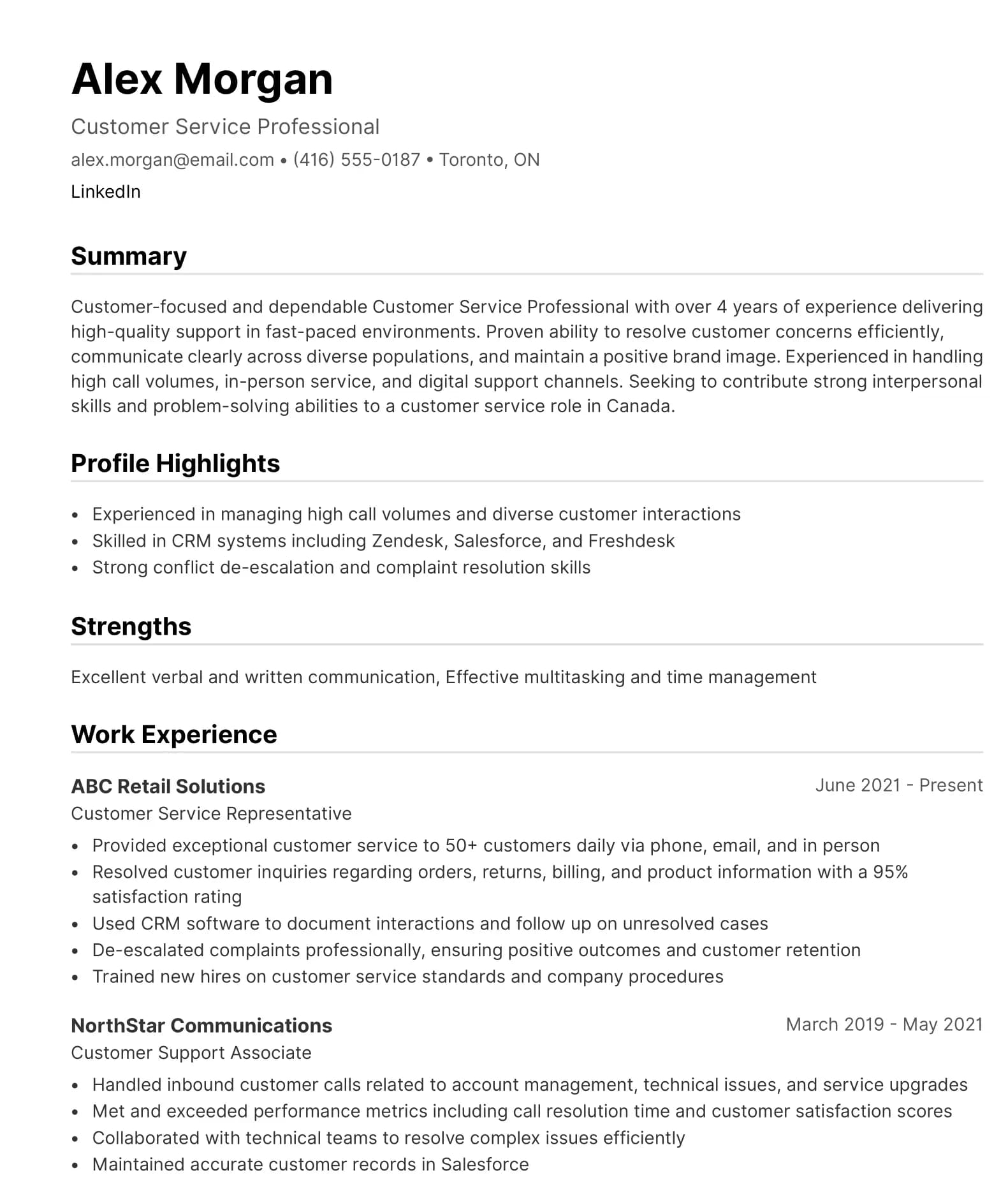
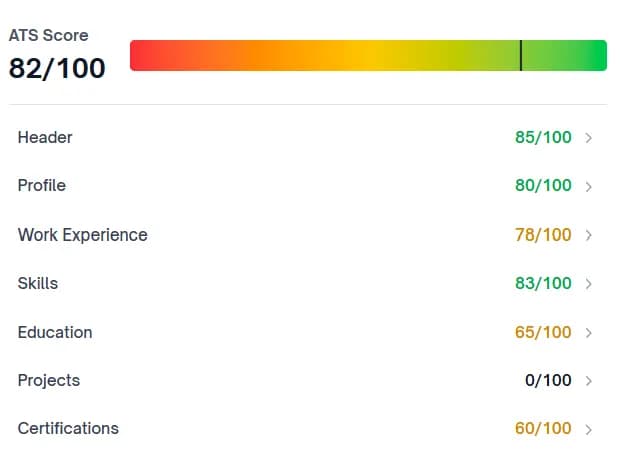
ATS-Optimized resumes That Meet Employer Standards
Our AI-powered scoring system helps organizations assess and standardize resume quality at scale. ATS-compliant templates support consistent formatting, keyword alignment, and interview readiness across cohorts.
Frequently asked questions
Technology, healthcare, clean energy, logistics, and advanced manufacturing are projected to remain the strongest sources of new jobs in California. Within those sectors, roles tied to AI, data, healthcare support, and green infrastructure show the most durable long‑term demand.
About the Author

Team Yotru
Employability Systems
Team Yotru
Employability Systems
We build practical career tools for training providers and workforce programs, combining labor market insights with real employment outcomes. Follow us on LinkedIn.
Related Resources
Continue exploring related perspectives on career development, hiring trends, and workforce change.
Market and Research
- Hiring Trends in UK— UK job market outlook examining sectors hiring international workers, language requirements, and skilled migration pathways.
- Hiring Trends in Ireland— Ireland job market guide for international professionals, including tech sector demand and English-language opportunities.
- Hiring Trends in the United States— U.S. labor market conditions showing easing demand and persistent sectoral shortages.
- Hiring Trends in Canada — Canadian labor market outlook examining regional variations and skill requirements.
- Professional Networking Strategies— How to Build Connections That Lead to Career Opportunities
Resume Building and Optimization
- How to Structure Your Resume for Maximum Impact— earn how to structure your resume to highlight experience, skills, and results in a way that aligns with modern hiring practices and ATS screening.
- Single vs Double Column Resumes— ATS parsing works with both; keyword matching matters more than layout
- How to Target Job Keywords in Your Resume— A practical guide to matching your resume to job postings using the right keywords, naturally.
- How to Showcase Certifications Effectively— A practical guide to highlighting certifications on your resume to increase trust, visibility, and hiring impact.
- EMT Resume Job Description Guide— Patient assessment, CPR, trauma care keywords for emergency medical roles
- Executive Assistant Resume Keywords— ATS skills list for EA roles; organizational skills and efficiency critical
- How to Tailor Your Resume for Each Application
Example Resume Profiles
- Software Developer Resume - Full Stack — Full-stack developer with React, Node.js, Python expertise for California tech companies, startups, and SaaS platforms
- Emergency & ICU Physician (Critical)— Healthcare professionals are always in demand
- Senior Executive Assistant— Strategic Partner to C-Suite
- Solar Installer Resume— Solar photovoltaic installer with NABCEP certification, residential and commercial installation, Title 24 compliance, and electrical wiring experience for California renewable energy companies.
- AI/ML Engineer (NLP Specialist)— Government targeting 5% GDP in AI; English-speaking talent prioritized
- Industrial Electrician (Manufacturing)— Manufacturing exports up 32.5%; Industry 4.0 skills in high demand
- Cloud Engineer Resume— Cloud infrastructure engineer with AWS, Azure, GCP, DevOps, Kubernetes, and cloud security experience for California tech companies migrating to cloud platforms.

Audience Context
This guide is for job seekers navigating California’s fragmented labor market. It focuses on where real opportunities exist across tech, healthcare, construction, and clean energy, cutting through generic advice. You’ll find practical insight on pay realities, in-demand credentials, and regional trade-offs, helping you understand which roles are growing, which are saturated, and how to position yourself competitively in today’s market.
References
- Associated Builders and Contractors. (2025). Construction labor shortage forecast 2026. ABC National. https://www.abc.org/
- California Board of Registered Nursing. (2025). Licensing requirements and processes. https://www.rn.ca.gov/
- California Contractors State License Board. (2025). Contractor licensing information. https://www.cslb.ca.gov/
- California Employment Development Department. (2025, December 15). California's unemployment rate increased slightly to 5.6 percent in September 2025. https://edd.ca.gov/en/about_edd/news_releases_and_announcements/unemployment-september-2025/
- California Employment Development Department - Labor Market Information Division. (2025). Employment projections. https://labormarketinfo.edd.ca.gov/data/employment-projections.html
- California Employment Development Department - Labor Market Information Division. (2025). EDD labor market information homepage. https://labormarketinfo.edd.ca.gov
- California Health and Human Services. (2025). Registered nurse shortage areas in California. https://data.chhs.ca.gov/
- CompTIA. (2025). State of the tech workforce report. Computing Technology Industry Association. https://www.comptia.org/
- Home Builders Institute. (2025). Construction labor market report. https://www.hbi.org/
- Motion Recruitment. (2026). IT salary guide 2026: Tech salaries by city and role. https://motionrecruitment.com/
- National Association of Home Builders. (2025). Construction workforce shortage analysis. https://www.nahb.org/
- Public Policy Institute of California. (2025, July 23). California's hold-steady job market. https://www.ppic.org/blog/californias-hold-steady-job-market/
- Robert Half. (2026). Technology and IT salary guide 2026. https://www.roberthalf.com/us/en/insights/salary-guide
- U.S. Bureau of Labor Statistics. (2025, December 19). California economy at a glance. https://www.bls.gov/eag/eag.ca.htm
- University of California San Francisco. (2024). Forecasts of the registered nurse workforce in California. UCSF Health Workforce Research Center. https://healthworkforce.ucsf.edu/
Research Methodology
This analysis draws on publicly available data from California state agencies, U.S. federal labor statistics, university research centers, and industry associations. It integrates employment trends, sector-level demand indicators, and workforce projections to reflect current and emerging conditions in California's 2026 job market.
Salary Data Normalization
Salary figures reflect estimated annual gross earnings in U.S. dollars (USD) before taxes. Data is normalized using aggregated job postings, government labor statistics, industry salary surveys, and employer-reported ranges to account for geographic variation (SF Bay Area vs. LA vs. Inland Empire), role seniority, sector differences, and experience levels. Actual compensation varies based on employer type, location, negotiation, and total package (equity, bonuses, benefits).
Editorial Standards
Yotru provides factual labor market information to support informed career decisions. We do not guarantee employment outcomes. Information reflects conditions as of late 2025; verify current trends independently. We maintain editorial independence from employers, staffing agencies, and training providers.
Disclaimer
This content is for informational purposes only and does not constitute legal, financial, immigration, or professional advice. Labor market conditions change; verify information independently before making career decisions. Individual results vary by qualifications, experience, and circumstances.
Maintained by: Labor Intelligence Group at Yotru
Review cycle: Monitored as market conditions evolve
Last updated: January 1, 2026
Questions or Need Support?
If you are working on employability programs, hiring strategy, career education, or workforce outcomes and want practical guidance, you are in the right place.
Yotru supports individuals and organizations navigating real hiring systems. That includes resumes and ATS screening, career readiness, program design, evidence collection, and alignment with employer expectations. We work across education, training, public sector, and industry to turn guidance into outcomes that actually hold up in practice.