
Market
2 min read
Toronto Job Market 2026: Unemployment, Hiring Trends + Who's Hiring
Synopsis
Toronto's unemployment rate stands at 7.9% in January 2026, down slightly from 8.1% in December, as Canada's largest job market faces elevated youth unemployment and increased competition across all sectors.
Toronto Unemployment: January 2026
Toronto's job market opened 2026 with marginal improvement as unemployment edged down despite broader Ontario job losses. The city remains central to Canada's economy, contributing approximately 20% of national GDP.
Key statistics (January 2026):
- Unemployment rate: 7.9%, down 0.2 percentage points from December
- Full-time jobs: Up 9,700 compared to December
- Part-time jobs: Down 12,000, resulting in net 2,300 job loss
- Ontario unemployment: 7.3%, down 0.6 percentage points
- National unemployment: 6.5%, down 0.3 percentage points
Toronto's unemployment rate has jumped nearly 3.5 percentage points from post-pandemic lows, reaching nearly 9% at peak. The city currently has the fourth-highest unemployment rate among Canada's major urban areas.
Important
Youth unemployment in Toronto is particularly concerning, with approximately one in five young people in the labor force unemployed. Competition from older workers for entry-level positions has intensified this challenge.
What's Driving Toronto's Job Market
Multiple factors contribute to Toronto's elevated unemployment: rapid population growth, housing costs affecting affordability, and economic cooling affecting hiring.
Half a million people come to Canada annually, with more than half settling in the Greater Toronto Area. This creates sustained pressure on the job market even as employers reduce headcount.
Sector outlook for Toronto in 2026:
- Financial services: Major banks maintain headquarters but cautious on hiring
- Technology: Continued restructuring with selective hiring for AI and automation
- Healthcare: Steady demand across clinical and support roles
- Construction: $533M investment from Lee Li Holdings supports Mississauga facility expansion
- Public administration: Federal job cuts of 10,000 positions in January affect Ottawa primarily but ripple to Toronto
Pro Tip
Full-time employment in Toronto has recovered from July 2025 lows and now stands at record highs. Target full-time positions where competition may be lower than for part-time roles.
Who's Hiring in Toronto
Despite elevated unemployment, Toronto's scale means thousands of positions remain open across sectors.
Major employers with active hiring:
- Major banks (TD, RBC, BMO, Scotiabank, CIBC): Finance, technology, and operations roles
- Toronto transit and city government: Municipal positions across departments
- University Health Network: Clinical, research, and administrative positions
- Shopify, other tech: Selective hiring for specialized technical roles
- Large retailers and hospitality: High turnover creates ongoing openings
Toronto Employment and Social Services reports monthly Ontario Works caseloads averaging 101,000 individuals and families facing employment barriers. More residents are expected to need support through the second half of 2026.
What This Means for Job Seekers
Toronto's job market demands targeted approaches. Generic applications face intense competition from the city's large, skilled labor pool.
Practical recommendations:
- Differentiate through specific skills and demonstrable experience
- Target healthcare and essential services where demand remains consistent
- Consider geographic flexibility to access suburban opportunities
- Prepare for longer search timelines given elevated competition
If you're preparing to apply for roles in Toronto, Yotru's resume builder helps you create targeted, ATS-optimized resumes that stand out in competitive markets.
Hint
January 2025's unemployment was 6.1% in Toronto, rising to 7.9% by January 2026. This rapid increase reflects economic conditions rather than individual qualifications. Maintain confidence while adjusting expectations and strategies.
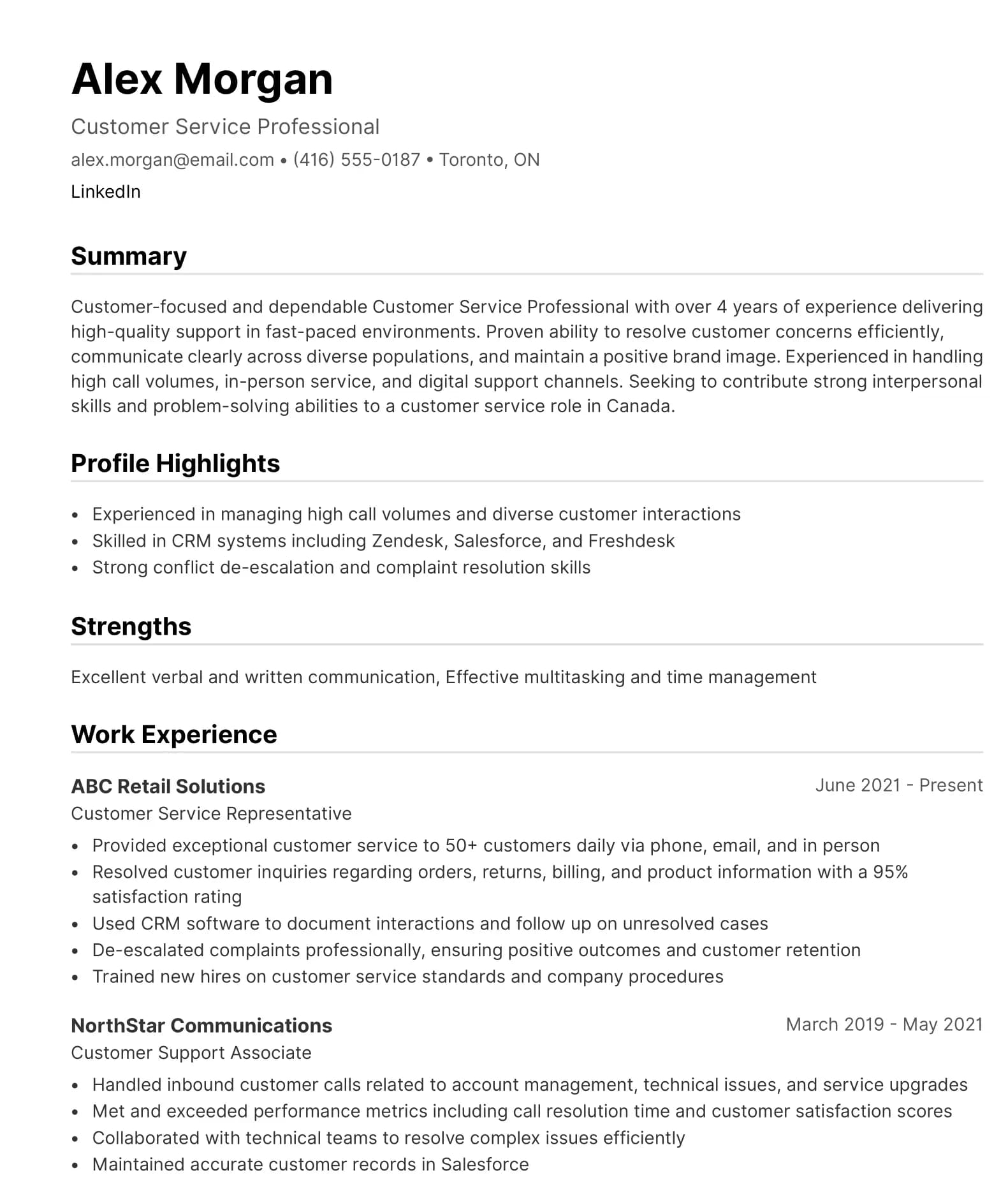
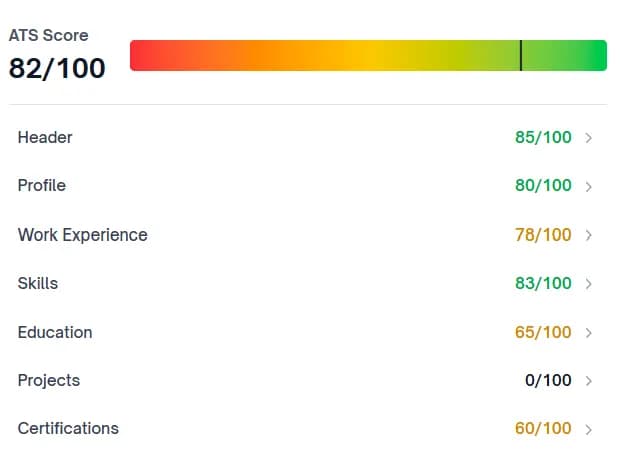
ATS-Optimized resumes That Meet Employer Standards
Our AI-powered scoring system helps organizations assess and standardize resume quality at scale. ATS-compliant templates support consistent formatting, keyword alignment, and interview readiness across cohorts.
About the Author

Team Yotru
Employability Systems
Team Yotru
Employability Systems
We build practical career tools for training providers and workforce programs, combining labor market insights with real employment outcomes. Follow us on LinkedIn.
Frequently Asked Questions
Toronto's unemployment rate is 7.9% as of January 2026, down slightly from 8.1% in December but up significantly from 6.1% in January 2025.

Audience Context
This data compilation serves job seekers considering work in Greater London, careers advisers supporting clients, and workforce development professionals analysing regional conditions for 2026.
Editorial Standards
Yotru content prioritizes accuracy, neutrality, and practical application. All regulatory references are verified against official sources. Articles are updated as frameworks change.
Disclaimer
This article is for informational purposes only. Labour market conditions change frequently and individual outcomes depend on skills, experience, sector and timing.
Related Resources
Ontario Job Market Data
- Toronto Job Market 2026 – Ontario's largest employment center
- Oshawa Job Market 2026 – Durham Region and automotive sector
- Kitchener-Waterloo Job Market 2026 – Tech corridor employment
- Niagara Job Market 2026 – Tourism and manufacturing hub
- Windsor Job Market 2026 - Manufacturing cross-border trade
- Hiring Trends in Canada – National labor market outlook
- Hiring Trends in Ontario – Provincial employment context
Resume and Job Search Resources
- Resume Builder for Canada – Canadian resume standards
- What to Do After a Massive Layoff – Practical guidance for transitions
- How to Upskill After a Layoff – Skills development strategies
Official Reference Sources
- Statistics Canada. (2026, February 6). Labour Force Survey, January 2026. https://www150.statcan.gc.ca/n1/daily-quotidien/260206/dq260206a-eng.htm
- CREA Statistics. (2026). Toronto Employment Trends. https://creastats.crea.ca/board/treb-employment-trends/
- TD Economics. (2025). Hogtown Blues: Toronto's Lagging Jobs Market. https://economics.td.com/ca-toronto-lagging-jobs-market
- On The Record. (2026). Toronto Job Market Faces Tough Start to 2026. https://ontherecordnews.ca/toronto-job-market-faces-tough-start-to-2026/
Maintained by: Workforce Practice Group at Yotru
Review cycle: Reviewed regularly to reflect market changes
Last updated: February 15, 2026
Questions or Need Support?
If you are working on employability programs, hiring strategy, career education, or workforce outcomes and want practical guidance, you are in the right place.
Yotru supports individuals and organizations navigating real hiring systems. That includes resumes and ATS screening, career readiness, program design, evidence collection, and alignment with employer expectations. We work across education, training, public sector, and industry to turn guidance into outcomes that actually hold up in practice.