
Market
4 min read
Hiring Trends in Ontario for 2026: Soft Growth and Elevated Unemployment
Synopsis
This report analyses Ontario’s 2026 labour outlook: growth ~0.9–1.0%, unemployment ~7.3%, fewer vacancies, and selective hiring.
This article provides a qualitative overview of Ontario’s labour market based on provincial and national labour-market statistics, economic forecasts, and institutional analysis. It is intended to support understanding and workforce planning rather than formal forecasting or statistical prediction. Outcomes may vary by industry, region, and evolving macroeconomic conditions.
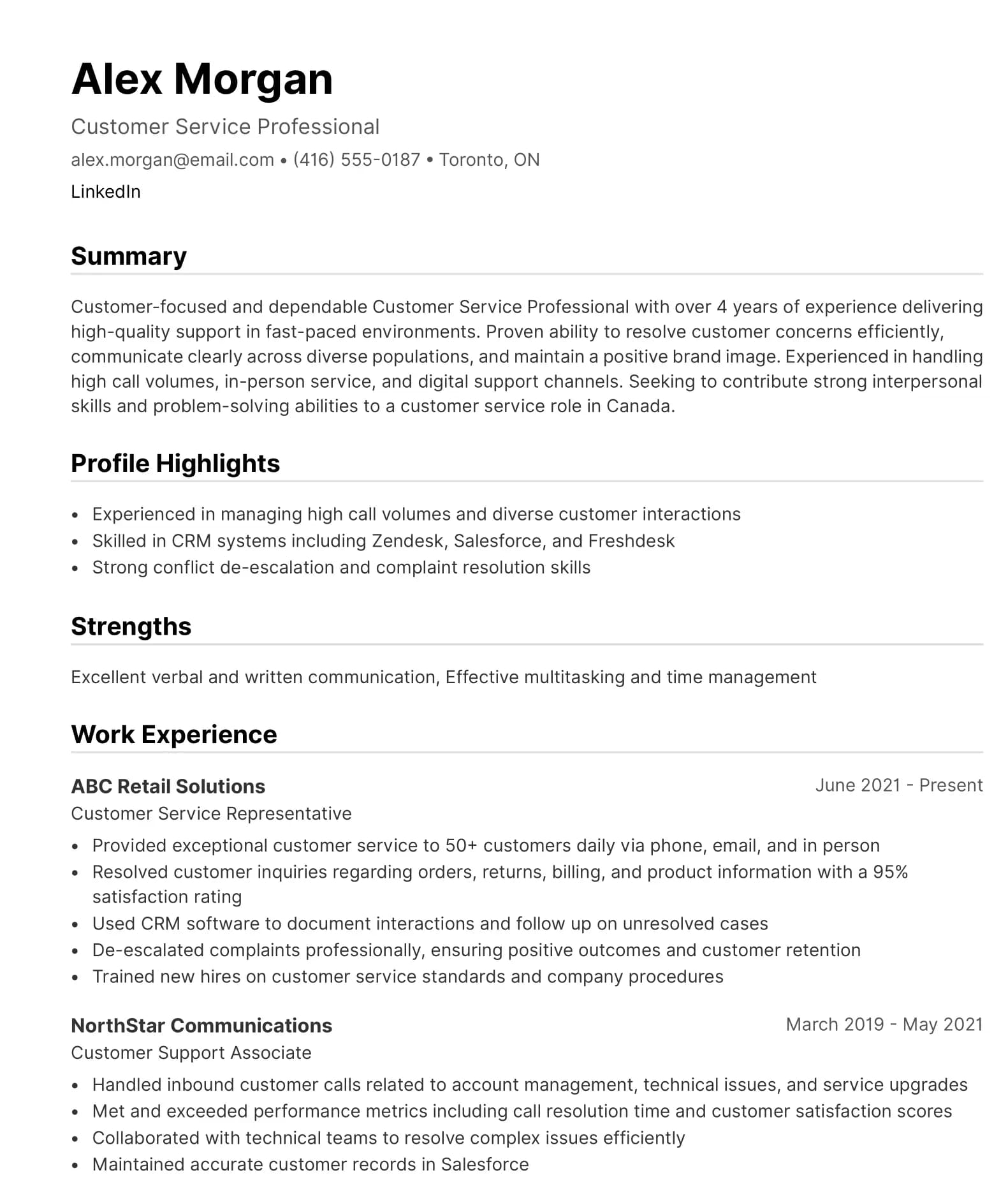
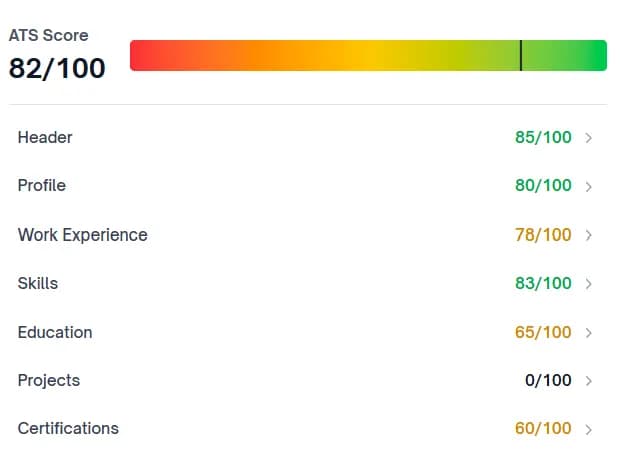
ATS-Optimized resumes That Meet Employer Standards
Our AI-powered scoring system helps organizations assess and standardize resume quality at scale. ATS-compliant templates support consistent formatting, keyword alignment, and interview readiness across cohorts.
Ontario’s 2026 hiring outlook reflects soft economic growth (around 0.9–1.0%), elevated unemployment (around 7.3%), declining job vacancies, and selective hiring shaped by skills needs, demographic pressures, and trade-related headwinds rather than broad expansion.
Ontario enters 2026 after a period of cooling labour demand in 2024–2025. Vacancy rates have fallen, hiring plans have moderated, and employers remain cautious. Hiring continues, but it is increasingly skills-selective and concentrated in healthcare, skilled trades, technology, and supply-chain roles.
This analysis is most relevant to employers, HR leaders, mid-career professionals, training providers, and policymakers planning for Ontario’s labour market in 2026.
1. Unemployment remains elevated as labour demand softens
Ontario’s seasonally adjusted unemployment rate stood at approximately 7.3% in November 2025, according to Statistics Canada’s Labour Force Survey, down from 7.6% in October but well above the near-record lows of around 5% seen in 2022–2023. Youth unemployment (ages 15–24) remains elevated at roughly 16–18% in late 2025, reflecting persistent entry-level and early-career pressure.
Unemployment varies across the province, with higher rates in some manufacturing-exposed regions (such as Windsor and Oshawa) and lower rates in areas with larger public-sector or knowledge-economy employment bases.
So what
- For candidates: Competition remains strong; practical experience and role-specific skills matter.
- For employers: The candidate pool is broader, but job-ready technical talent remains constrained.
2. Economic growth is modest and hiring cautious
Ontario’s real GDP growth is projected at around 0.9–1.0% in 2026, reflecting weak investment, housing-market adjustment, and trade uncertainty linked to tariffs and global demand. This limits broad-based job creation.
Job vacancies have declined steadily. In the third quarter of 2025, Ontario recorded approximately 171,800 job vacancies (not seasonally adjusted), down year over year, signalling reduced hiring appetite across many industries. Some sectors, including parts of technology and manufacturing, have also seen targeted layoffs and hiring freezes, reinforcing a cautious stance on new headcount.
So what
- For candidates: Broad hiring is limited; positioning in sectors with sustained demand improves prospects.
- For employers: Hiring decisions are driven by operational necessity rather than expansion.
3. Sectoral demand remains uneven but focused
Despite overall moderation, demand persists in several structurally important sectors:
- Skilled trades: Electricians, welders, machinists, and maintenance technicians tied to infrastructure renewal and industrial maintenance
- Healthcare and social services: Ongoing demand for nurses, personal support workers, and allied health roles driven by demographics
- Technology and digital roles: Software, data, cybersecurity, and IT support linked to digital transformation
- Logistics and supply chain: Transport, warehousing, and distribution roles supporting trade and e-commerce
So what
- For candidates: Sector targeting materially improves outcomes.
- For employers: Competition for skilled technical labour persists even in a soft market.
4. Vacancies fall as wage growth cools
Alongside declining vacancies, wage growth has moderated. Average offered wages for job vacancies increased by roughly 3.3% year over year in 2025, slower than earlier post-pandemic peaks.
Wage pressure remains stronger in:
- Skilled trades and technical occupations
- Healthcare roles
- Certain digital and IT functions
In other sectors, employers rely more on job stability, benefits, and internal progression than on aggressive wage increases.
So what
- For candidates: Wage upside is concentrated in skills-scarce roles.
- For employers: Balanced pay strategies and career pathways support retention.
5. Trade exposure and regional variation shape outcomes
Ontario’s labour market remains sensitive to external forces:
- Trade and tariff pressures affecting manufacturing and export-oriented industries
- Regional divergence, with large urban centres and public-sector-heavy regions performing differently from manufacturing-dependent areas
- Population growth and immigration expanding labour supply, particularly among youth and newcomers
So what
- For candidates: Geographic and sector mobility can improve opportunities.
- For employers: Local labour-market conditions matter for recruitment planning.
What this means in practice
For job seekers
- Focus on sectors with sustained demand (trades, healthcare, tech, logistics)
- Emphasise credentials, certifications, and practical experience
- Be prepared for varied conditions by region and occupation
For employers
- Expect elevated unemployment but persistent shortages in specialised roles
- Tie hiring closely to productivity and role readiness
- Invest selectively in training and upskilling
Platforms like Yotru can support these strategies by making skills visible, standardizing employer‑ready resumes at scale, and helping workforce programs, institutions, and employers in Ontario align candidates’ experience with real job requirements across high‑demand roles
Looking ahead
Ontario’s 2026 labour market reflects soft economic growth (around 0.9–1.0%), unemployment elevated near 7.3%, and a hiring environment defined by selectivity rather than expansion. While trade headwinds, lower vacancies, and cautious sentiment limit job creation, targeted hiring in skilled trades, healthcare, technology, and logistics continues to offer viable pathways for both employers and job seekers.
All figures cited are indicative and based on publicly available data as of late 2025. Official statistics and forecasts may be revised.
References
Statistics Canada. (2025, December 4). Unemployment rate by province and territory, November 2025 (The Daily). Statistics Canada. https://www150.statcan.gc.ca/n1/daily-quotidien/251205/mc-a001-eng.htm
Statistics Canada. (2025, December 15). Job vacancies, third quarter 2025 (The Daily). Statistics Canada. https://www150.statcan.gc.ca/n1/daily-quotidien/251216/dq251216a-eng.htm
Financial Accountability Office of Ontario. (2025, September 15). Economic and budget outlook, summer 2025. FAO. https://fao-on.org/en/report/ebo-su2025/
Government of Ontario. (2025, November 26). Labour market report, October 2025. Ministry of Labour, Immigration, Training and Skills Development. https://www.ontario.ca/page/labour-market-report-october-2025
Government of Ontario. (2025, May 14). Chapter 2: Economic performance and outlook (2025 Ontario Budget). Ministry of Finance. https://budget.ontario.ca/2025/chapter-2.html
About the Author

Team Yotru
Employability Systems
Team Yotru
Employability Systems
We build practical career tools for training providers and workforce programs, combining labor market insights with real employment outcomes. Follow us on LinkedIn.
Questions or Need Support?
If you are working on employability programs, hiring strategy, career education, or workforce outcomes and want practical guidance, you are in the right place.
Yotru supports individuals and organizations navigating real hiring systems. That includes resumes and ATS screening, career readiness, program design, evidence collection, and alignment with employer expectations. We work across education, training, public sector, and industry to turn guidance into outcomes that actually hold up in practice.
Continue Reading
More insights from our research team

GTA Trades & Blue-Collar Salary Guide 2026
A practical salary reference for blue-collar and skilled trade workers across the Greater Toronto Area. Covers electricians, welders, plumbers, HVAC technicians, construction workers, forklift operators, and warehouse staff.
6 min read

What Blue Collar Jobs Pay in Canada: The 10 Roles
Truck drivers, electricians, welders, HVAC techs, and more -- here's what blue collar jobs actually pay in Toronto and across Canada in 2026, with context for newcomers, Red Seal holders, and Gen Z entrants.
12 min read

Hiring Trends in Switzerland for 2026: Tight Labour and Skills Pressure
Switzerland’s 2026 hiring outlook features very low unemployment, persistent skills shortages, selective hiring, and continued demand across healthcare, engineering, finance, and tech.
4 min read

Canadian College and University Layoffs 2024–2026: What Affected Employees Should Know
Ontario colleges alone face close to 10,000 layoffs. Here's what affected faculty and staff need to know about their rights, severance, and next steps.
6 min read