
Market
2 min read
Kitchener-Waterloo Job Market 2026: Unemployment, Hiring Trends + Who's Hiring
Synopsis
Kitchener-Cambridge-Waterloo's unemployment rate stands at 8.2% for Employment Insurance purposes in early 2026, as the tech corridor faces ongoing layoffs while manufacturing and healthcare maintain steady hiring.
Kitchener-Waterloo Unemployment: Early 2026
The Kitchener-Cambridge-Waterloo region enters 2026 with elevated unemployment as tech sector layoffs compound manufacturing challenges across Ontario.
Key statistics (early 2026):
- Unemployment rate: 8.2% (EI regional rate), up from December 2025's 8.2%
- Job changes: 4,300 jobs added in December (1,300 full-time, 3,000 part-time)
- Participation rate: 68.7%, above provincial and national averages
- National comparison: 6.5% unemployment nationally, 7.3% provincially
Full-time employment remains down 3,000 jobs from the May 2025 peak, though modest recovery from the August 2025 trough has occurred.
Important
Kitchener-Waterloo's historically low unemployment has risen significantly from pre-pandemic levels. The tech sector, once the region's growth engine, continues restructuring, affecting employment throughout the corridor.
What's Driving Kitchener-Waterloo's Job Market
The region's diverse economy spans technology, manufacturing, healthcare, and education. Tech sector layoffs have received significant attention, but traditional industries continue providing substantial employment.
Waterloo Region's participation rate of 68.7% remains above provincial and national averages, indicating continued workforce engagement despite challenging conditions.
Sector outlook for Waterloo Region in 2026:
- Technology: Ongoing restructuring with layoffs at major firms, though startups continue hiring
- Manufacturing: Stable employment with some positions unfilled due to skills gaps
- Healthcare: Grand River Hospital and regional health services maintain steady hiring
- Insurance: Major insurers including Sun Life, Manulife presence provide professional employment
- Education: University of Waterloo and Wilfrid Laurier offer academic and support roles
Pro Tip
Despite tech layoffs, Waterloo Region's startup ecosystem continues creating opportunities. The Communitech Hub and Velocity programs support emerging companies actively hiring across technical and business roles.
Who's Hiring in Kitchener-Waterloo
The region's major employers span technology, insurance, healthcare, and manufacturing sectors.
Major employers with open positions:
- Grand River Hospital: Clinical positions, nursing, healthcare support
- Sun Life Financial: Insurance, technology, and business roles
- University of Waterloo: Academic, research, and administrative positions
- Toyota Motor Manufacturing Canada: Production and technical roles in Cambridge
- Region of Waterloo: Municipal services across planning, social services, public health
Manufacturing employers report ongoing difficulty filling skilled trades positions despite broader unemployment, creating opportunities for qualified candidates.
What This Means for Job Seekers
Kitchener-Waterloo's job market rewards flexibility and skills development. Tech sector disruption creates both challenges and opportunities as workers transition across industries.
Practical recommendations:
- Explore insurance and financial services where major employers maintain regional headquarters
- Target healthcare roles where Grand River Hospital provides stable employment
- Consider skilled trades training where demand exceeds supply despite overall unemployment
- Monitor startup hiring through Communitech and Velocity job boards
If you're preparing to apply for roles in Kitchener-Waterloo, Yotru's resume builder helps you create targeted, ATS-optimized resumes that highlight transferable skills.
Hint
Tech workers facing layoffs often find opportunities in insurance and financial services technology roles. The region's major insurers actively hire technical talent for digital transformation initiatives.
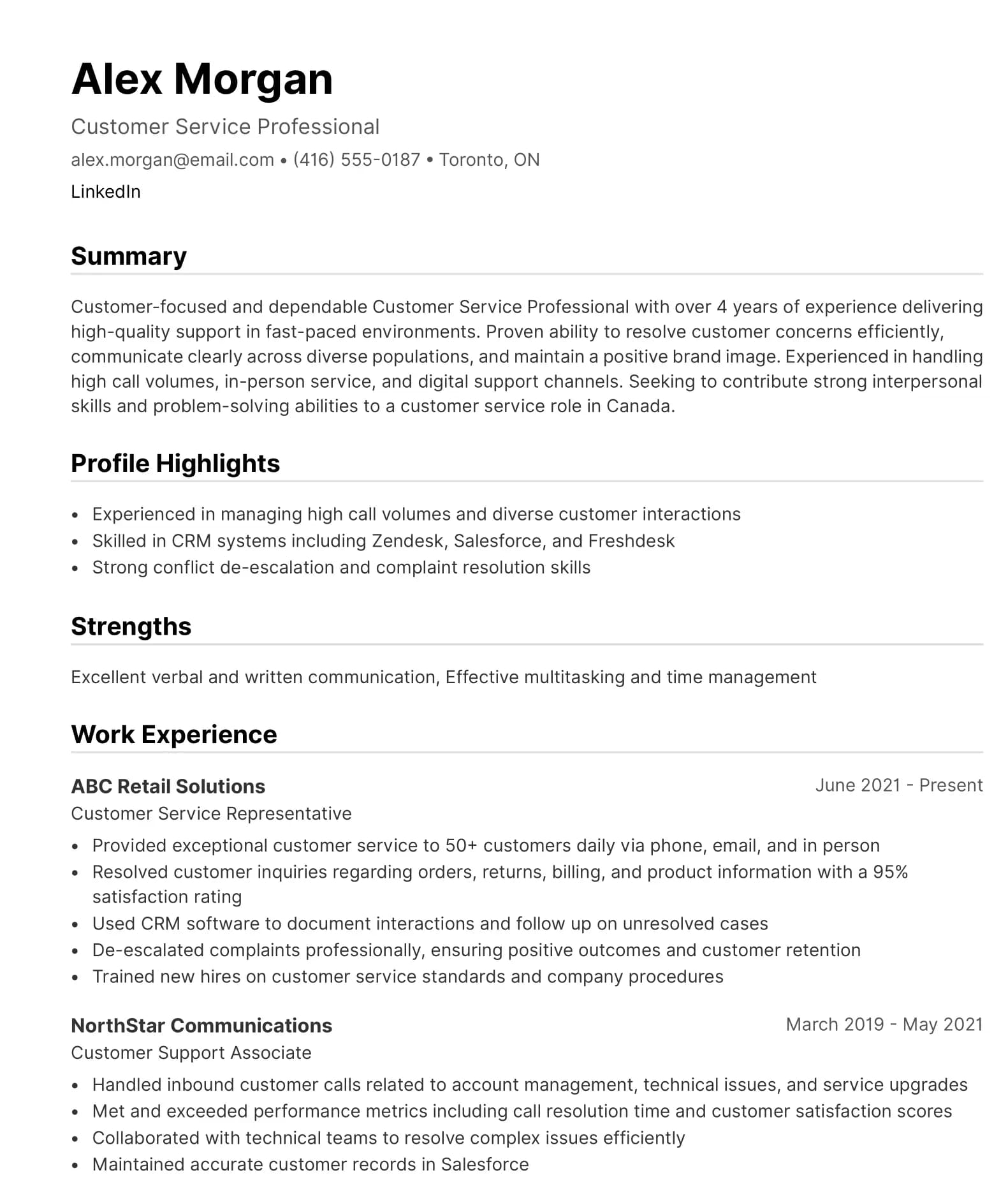
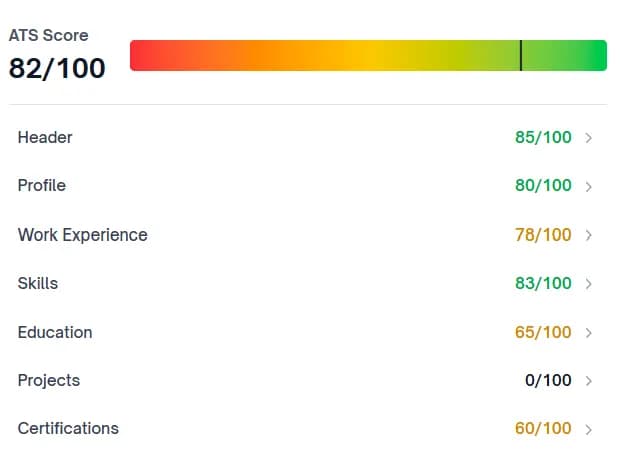
ATS-Optimized resumes That Meet Employer Standards
Our AI-powered scoring system helps organizations assess and standardize resume quality at scale. ATS-compliant templates support consistent formatting, keyword alignment, and interview readiness across cohorts.
About the Author

Team Yotru
Employability Systems
Team Yotru
Employability Systems
We build practical career tools for training providers and workforce programs, combining labor market insights with real employment outcomes. Follow us on LinkedIn.
Frequently Asked Questions
The Kitchener-Cambridge-Waterloo region's unemployment rate is 8.2% as of early 2026, above both provincial (7.3%) and national (6.5%) averages.

Audience Context
This data compilation serves job seekers considering work in Greater London, careers advisers supporting clients, and workforce development professionals analysing regional conditions for 2026.
Editorial Standards
Yotru content prioritizes accuracy, neutrality, and practical application. All regulatory references are verified against official sources. Articles are updated as frameworks change.
Disclaimer
This article is for informational purposes only. Labour market conditions change frequently and individual outcomes depend on skills, experience, sector and timing.
Related Resources
Ontario Job Market Data
- Toronto Job Market 2026 – Ontario's largest employment center
- Oshawa Job Market 2026 – Durham Region and automotive sector
- Kitchener-Waterloo Job Market 2026 – Tech corridor employment
- Niagara Job Market 2026 – Tourism and manufacturing hub
- Windsor Job Market 2026 - Manufacturing cross-border trade
- Hiring Trends in Canada – National labor market outlook
- Hiring Trends in Ontario – Provincial employment context
Resume and Job Search Resources
- Resume Builder for Canada – Canadian resume standards
- What to Do After a Massive Layoff – Practical guidance for transitions
- How to Upskill After a Layoff – Skills development strategies
Official Reference Sources
- Statistics Canada. (2026, February 6). Labour Force Survey, January 2026. https://www150.statcan.gc.ca/n1/daily-quotidien/260206/dq260206a-eng.htm
- Service Canada. (2026). Employment Insurance Economic Region of Kitchener. https://srv129.services.gc.ca/rbin/eng/kitchen.aspx
- CREA Statistics. (2026). Kitchener-Waterloo-Cambridge Employment Trends. https://stats.crea.ca/board/wrar-employment-trends/
- Region of Waterloo. (2026). Business and Labour. https://www.regionofwaterloo.ca/en/regional-government/business-and-labour.aspx
Maintained by: Workforce Practice Group at Yotru
Review cycle: Reviewed regularly to reflect market changes
Last updated: February 15, 2026
Questions or Need Support?
If you are working on employability programs, hiring strategy, career education, or workforce outcomes and want practical guidance, you are in the right place.
Yotru supports individuals and organizations navigating real hiring systems. That includes resumes and ATS screening, career readiness, program design, evidence collection, and alignment with employer expectations. We work across education, training, public sector, and industry to turn guidance into outcomes that actually hold up in practice.