

Market
8 min read
MARA Holdings Layoffs 2026: What Affected Workers Need to Do Right Now
Synopsis
MARA Holdings is conducting ongoing layoffs as part of its $1.1B Bitcoin sale and debt reduction push. If you were affected, here's a practical, step-by-step guide to restarting your job search fast.
MARA Holdings Layoffs 2026: A Practical Career Guide for Affected Workers
If you just found out your role at MARA Holdings is being eliminated, that sense of uncertainty sitting in your chest right now is completely understandable. One day you are part of one of the largest Bitcoin mining companies in the world, and the next you are updating your resume for the first time in years, wondering how the job market will receive your background in crypto infrastructure, digital energy, or mining operations.
You are not alone, and your skills are not obsolete. What's happening at MARA is part of a wider industry restructuring, and understanding the full picture will help you make smarter, faster decisions about your next move.
What Is Happening at MARA Holdings Right Now
On March 26, 2026, MARA Holdings announced the completion of a massive capital restructuring, liquidating over 15,000 Bitcoin from its reserves to fund a $1.0 billion repurchase of its convertible senior notes, marking a radical shift toward a de-leveraged balance sheet and an aggressive expansion into AI and High-Performance Computing (HPC) infrastructure.
Between March 4 and March 25, 2026, MARA Holdings executed the sale of 15,133 BTC, with proceeds immediately funneled into private negotiations to repurchase $367.5 million of its 2030 notes and $633.4 million of its 2031 notes. In plain terms: the company sold a substantial chunk of its Bitcoin treasury to shrink its debt load and free up capital for a different kind of business.
As of late 2025, MARA's total convertible debt sat at roughly $3.3 billion. After the March 2026 maneuver, that figure was slashed to $2.3 billion.
MARA had already posted a $1.7 billion net loss in the fourth quarter of 2025 after taking a $1.5 billion write-down on its digital asset holdings. The layoffs that have followed are a direct consequence of that financial pressure and the company's pivot toward AI infrastructure.
Key Insight
The MARA layoffs are not a reflection of your individual performance. They are the result of a sector-wide transformation forcing crypto mining companies to restructure headcount as they exit pure-play mining and retool for AI data center operations.
Why the Entire Bitcoin Mining Industry Is Restructuring
MARA is not acting in isolation. According to a recent report by CoinShares, Bitcoin miners are facing severe profitability challenges, with the hash rate projected to fall to approximately $28-30/PH/s/day in Q1 2026, a new low since the halving.
The weighted average cash cost reached approximately $80,000 per BTC in Q4 2025, with about 15-20% of mining rigs globally operating at a loss. When the cost to mine a single Bitcoin approaches or exceeds its market price, companies have no choice but to reduce operational expenses, which means cutting headcount.
Major mining companies including MARA, Bitdeer, and Core Scientific are advancing their AI infrastructure businesses and selling off large amounts of their Bitcoin reserves to support their transformation. According to CoinShares, listed mining companies have cumulatively announced AI/HPC contracts worth over $70 billion, and by the end of 2026, up to 70% of their revenue could come from AI.
Pure-play mining is no longer a viable long-term strategy in a high-energy-cost environment. The business model that employed thousands of people in Bitcoin mining operations is being replaced by a different one, and the skills needed to run a hyperscale AI data center are not identical to those needed to operate a mining farm.
Actionable step: Research the AI/HPC data center sector before your next interview. Companies like Core Scientific, Riot Platforms, and Cipher Mining are all making similar pivots and are actively hiring for infrastructure roles that overlap closely with Bitcoin mining operations management.
How MARA's AI Pivot Affects Your Job Search
MARA has liquidated over 15,000 Bitcoin from its reserves to fund a $1.0 billion repurchase of its convertible senior notes, marking a radical shift toward a de-leveraged balance sheet and an aggressive expansion into AI and HPC infrastructure.
In February, MARA announced a partnership with Starwood Digital Ventures, a subsidiary of Starwood Capital Group, to transform and expand some of its U.S. sites previously used for Bitcoin mining into data centers for enterprise cloud and artificial intelligence clients.
This context matters for your resume and interviews. If you held roles in facilities management, power systems, network operations, cooling infrastructure, or data integrity at MARA, those skills translate directly to the AI data center market. The companies snapping up former mining talent are the same ones racing to operationalize AI infrastructure.
Pro Tip
When updating your resume after the MARA layoffs, reframe your Bitcoin mining infrastructure experience using data center and energy infrastructure language. "Managed 1.9 GW power facility" speaks louder to an AI data center hiring manager than "oversaw Bitcoin mining operations."
According to CoinShares, listed mining companies have cumulatively announced AI/HPC contracts worth over $70 billion. Mining companies securing HPC contracts have an EV/NTM revenue multiple of 12.3x, compared to 5.9x for pure mining companies. That valuation premium is flowing into hiring budgets at AI-adjacent infrastructure firms right now.
Actionable step: Identify three to five companies currently building out AI data center capacity in the regions where MARA operates (particularly Texas and other domestic energy hubs) and research their open roles this week.
Translating Crypto Industry Experience for a Broader Job Market
One of the biggest fears for workers laid off from crypto-native companies is that their resume will look niche or inaccessible to mainstream tech and infrastructure employers. That concern is valid, but it is also solvable.
Consider this scenario: a mid-level operations analyst at MARA who spent three years managing reporting on mining output, energy costs per coin, and uptime metrics. On a raw resume, that reads as Bitcoin-specific. But reframed as "operational performance analysis across a 1.9 GW distributed computing infrastructure, with cost-per-unit tracking and efficiency reporting" suddenly speaks directly to logistics, energy, and cloud infrastructure hiring managers who have never purchased a satoshi in their lives.
Skills That Transfer Directly
- Power systems and energy management
- Large-scale data center operations
- Hardware procurement and lifecycle management
- Network monitoring and uptime management
- Financial modeling in volatile commodity markets
- Regulatory compliance and SEC disclosure support
Roles Worth Targeting in 2026
- AI Data Center Operations Manager
- Digital Infrastructure Analyst
- Energy Infrastructure Project Manager
- HPC Systems Administrator
- Cloud Infrastructure Specialist
- Crypto Risk Analyst (Financial Services)
Actionable step: Write down every technical system, reporting framework, vendor relationship, and operational metric you owned at MARA. Then for each one, find the equivalent terminology used in AI data center job postings. Use that language on your resume.
Why Your Resume Needs to Be ATS-Ready in 2026
Every application you send right now will almost certainly pass through an Applicant Tracking System (ATS) before a human ever reads it. In a year when crypto and tech layoffs have flooded hiring platforms with candidates, ATS filters are working harder than ever to screen out resumes before they reach a recruiter's inbox.
Key Insight
In the 2026 layoff market, your resume is not just competing against other candidates. It is competing against ATS algorithms tuned to flag specific keywords, formatting structures, and skills matches. A resume that looks great as a PDF can be completely invisible to an ATS.
This is where Yotru's ATS-optimized, AI-scored resume builder gives you a concrete edge. Yotru analyzes your resume against the specific job description you are targeting, scores your keyword alignment, flags formatting issues that cause ATS rejections, and helps you rebuild your document to pass screening filters. In a 2026 job market where hiring managers receive hundreds of applications for every opening, getting your resume in front of a human is half the battle.
ATS-Optimized resumes That Meet Employer Standards
Our AI-powered scoring system helps organizations assess and standardize resume quality at scale. ATS-compliant templates support consistent formatting, keyword alignment, and interview readiness across cohorts.
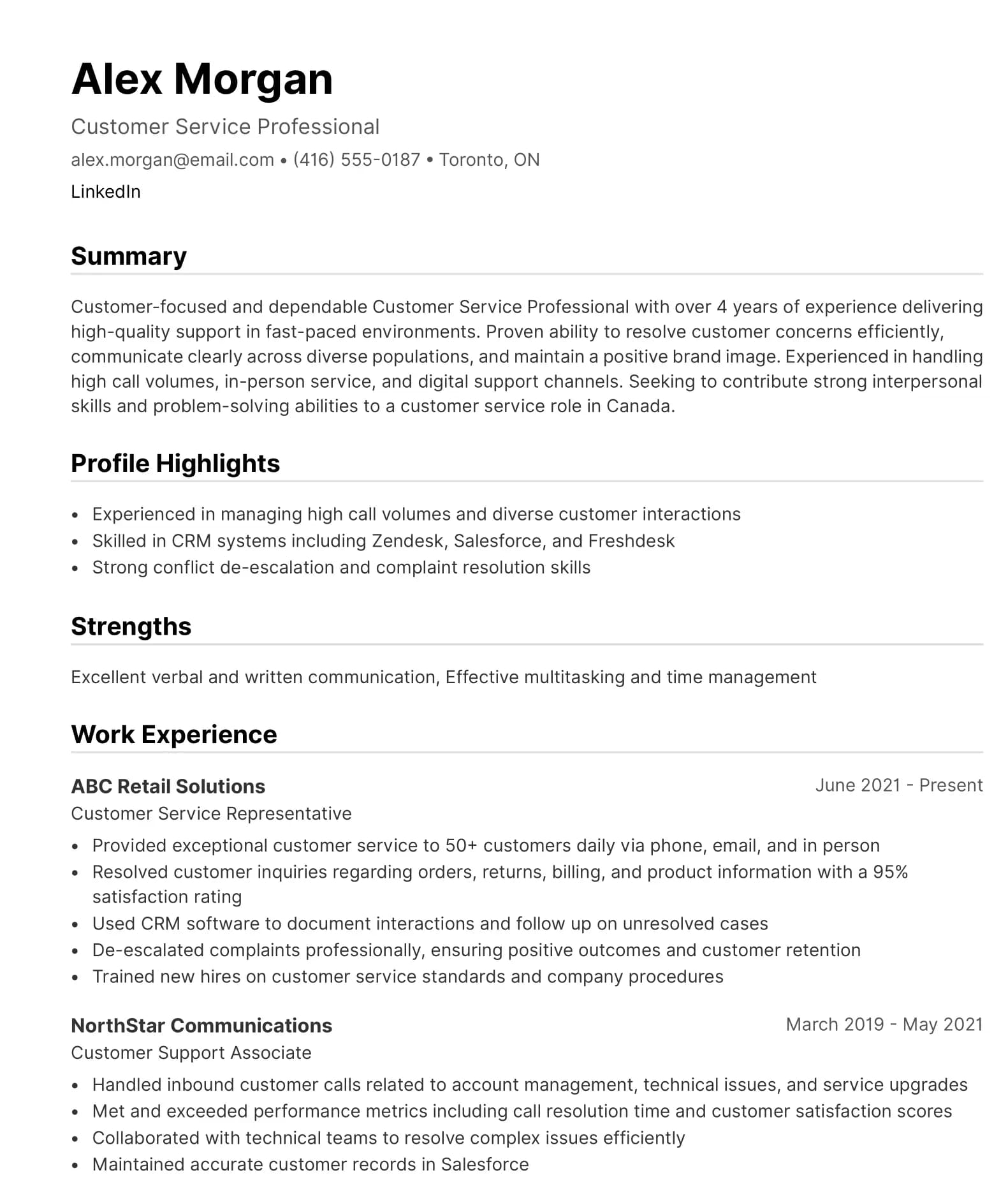
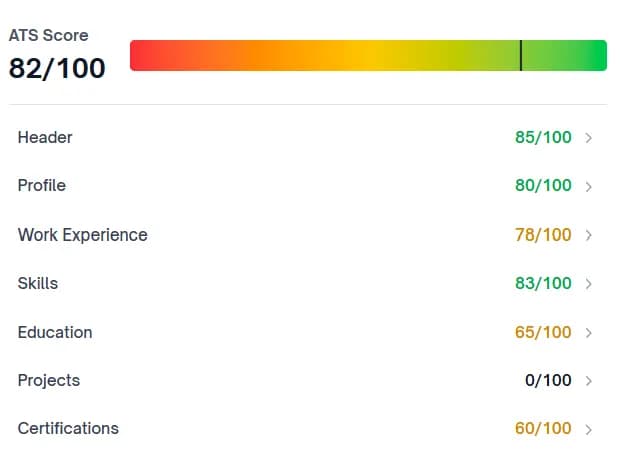
Actionable step: Before applying to any role, paste the job description into Yotru and score your resume against it. Fix the gaps the AI surfaces before you hit submit.
What to Do in the First 30 Days After a MARA Layoff
The first month after a layoff is the most important period for your job search momentum. Here is a structured sequence that works:
- 1File for unemployment benefits immediately. Do not wait. In most states, there is a one-week waiting period before benefits begin, so filing on day one matters.
- 2Audit your MARA severance package. Understand the terms of your separation agreement before signing anything. Pay attention to non-compete clauses that may restrict you from working at competing mining or AI infrastructure firms.
- 3Update your LinkedIn profile the same week. Add an "Open to Work" signal and update your headline to reflect your target roles, not just your former title.
- 4Rebuild your resume with ATS optimization in mind. Translate your MARA experience into language that matches the job descriptions in your target sector.
- 5Identify 10 target companies and map their open roles. Prioritize companies in AI data centers, digital energy infrastructure, cloud computing, and financial services firms with crypto or blockchain divisions.
- 6Reach out to former colleagues. MARA layoffs are affecting multiple people across teams. A former colleague's referral at their next company is worth more than ten cold applications.
- 7Track every application in a spreadsheet. This helps you follow up and prevents duplicate applications that look unprofessional.
Important
If you signed a non-solicitation or non-compete agreement with MARA, have an employment attorney review it before accepting a role at a direct competitor. These clauses vary significantly by state and are sometimes unenforceable, but you need professional guidance before assuming that.
The Broader 2026 Crypto Layoff Wave: You Are Not the Only One
MARA's restructuring is part of a pattern playing out across the digital asset industry this year. The move marks a notable shift for companies that had branded themselves with "Bitcoin first" strategies just over a year earlier, and it arrives amid a broader wave of corporate liquidations in crypto treasuries.
The once-dominant titans of the Bitcoin mining industry are currently grappling with a punishing "double-squeeze." The combined pressure of post-halving economics and a dramatic surge in global energy costs has forced a painful re-rating of their stocks, as investors increasingly favor companies that transitioned early into AI and HPC.
This means the pool of candidates from your sector is growing, but so is the demand for people who understand large-scale distributed computing, power management, and digital asset operations. The companies hiring most aggressively right now are the hyperscalers and infrastructure providers building the AI economy. Your background positions you closer to the front of that line than you might think.
| 2026 Crypto Mining Sector: Key Financial Pressures | ||
|---|---|---|
| Pressure Factor | Impact on Companies | Impact on Workers |
| Post-halving block reward reduction | Mining revenue cut by 50% per block mined | Headcount reductions in operations and mining support roles |
| Rising energy costs per BTC | Cost per BTC rose to ~$39,235 at MARA | Sites shut down; field technician roles eliminated |
| BTC price volatility | Balance sheet write-downs (MARA | Finance and treasury teams restructured |
| Pivot to AI/HPC infrastructure | Capital redirected from mining to data centers | New hiring in AI ops; legacy mining roles cut |
| Debt reduction pressure | $1B+ in notes repurchased by MARA in March 2026 | Corporate, finance, and admin roles at risk |
Actionable step: Search LinkedIn for "former MARA" or "ex-Marathon Digital" professionals who have made successful transitions in the past year. Their career paths are a useful map for where your skills can land.
How to Position Yourself for the AI Infrastructure Hiring Wave
The industry has clearly split into infrastructure companies and mining companies, with drastically different prospects for the two. AI transformation has become a must for mining companies, but the high costs of transformation and hardware expansion make this new arms race very costly, forcing mining companies to liquidate their assets to alleviate short-term pressure.
The companies succeeding in this transition are the ones now hiring to build their new infrastructure teams. If you have experience at MARA, you have credentials from one of the companies at the center of this transformation. Frame that story confidently.
Hint
In cover letters and interviews, describe your MARA experience as working at the convergence of digital energy and computing infrastructure, not just as "crypto mining." This framing is accurate and positions you as a candidate who understands the direction the industry is heading.
The challenge for companies pivoting to AI will be managing the "high-touch" nature of the AI business compared to the "set-it-and-forget-it" nature of Bitcoin mining. That operational complexity gap is something experienced MARA workers understand better than most outside candidates, and it is a genuine competitive advantage to communicate in interviews.
Actionable step: In your next interview, prepare a two-minute story about a time you managed operational complexity, cost efficiency, or system reliability at MARA. These are the exact competencies AI data center operators are screening for.
Build a Resume That Gets Past the Filters and In Front of Hiring Managers
Before you apply anywhere, your resume needs to clear two gates: an ATS filter and a 30-second human scan. Most layoff candidates fail one of the two.
Yotru builds resumes that are engineered to clear both. The platform's AI scoring system evaluates your resume against the specific job description, surfaces missing keywords, checks formatting compatibility with major ATS platforms, and generates a score so you know exactly where you stand before applying.
MT
★★★★★
"After being laid off from a Bitcoin mining company, I was worried my resume would look too niche. Yotru helped me reframe my experience for data center and infrastructure roles. I had three interviews within two weeks."
Marcus T.
Former Mining Operations Lead
Ready to rebuild your career after the MARA layoffs?
Create an ATS-optimized resume that translates your crypto infrastructure experience into language that gets you hired in 2026.
Used by career services teams, training providers, and job seekers worldwide.
Final Thoughts: Your Career Is Not Defined by This Layoff
MARA Holdings made a calculated financial decision to sell $1.1 billion in Bitcoin, slash its debt, and retool for an AI-driven future. That decision affected real people with real careers, and the disruption is legitimate.
But the skills you built, the infrastructure you managed, and the operational experience you accumulated are exactly what the next generation of digital infrastructure companies needs. The market is shifting fast, and the professionals who move quickly and position themselves well will find doors opening sooner than they expect.
Start with your resume. Make sure it speaks the language of the employers you want to reach. Let Yotru's AI scoring tell you where the gaps are before a recruiter's ATS does.
About the Author

Zaki Usman
Co-Founder of Yotru
Zaki Usman
Co-Founder of Yotru
Zaki is co-founder of Yotru, working at the intersection of workforce development, education, and technology to build systems that deliver job-ready career support at scale.
Frequently Asked Questions
Common questions from workers affected by the MARA Holdings layoffs
MARA Holdings is conducting layoffs as a direct result of its strategic restructuring, which includes selling $1.1 billion in Bitcoin to retire roughly $1 billion in convertible debt and pivoting from pure-play Bitcoin mining toward AI and high-performance computing infrastructure. The company has also faced a $1.7 billion net loss in Q4 2025 and rising energy costs per coin mined, creating significant financial pressure that has led to workforce reductions.
Related Resources
Authoritative external resources for workers navigating tech and crypto industry layoffs
Official Government Guidance
- U.S. Department of Labor: Layoffs and Job Loss Resources— Official U.S. Department of Labor guidance on layoffs, including unemployment insurance, worker rights under WARN Act, and federal job search programs.
- CareerOneStop: Unemployment Benefits Finder— Federally sponsored tool to find your state's unemployment benefits application and eligibility requirements after a layoff.
Industry Research and Analysis
- MARA Holdings Official Press Release: $1.0B Notes Repurchase and Bitcoin Sale— The official MARA Holdings investor relations press release detailing the March 2026 Bitcoin sale and debt restructuring that preceded the layoffs.
- GlobeNewswire: MARA Holdings $1.0 Billion Notes Repurchase Official Announcement— Full text of the official GlobeNewswire announcement of MARA's Bitcoin sale and convertible note repurchase, including CEO Fred Thiel's statement.
Career Transition and Job Search
About This Article
Context and methodology for this career guidance piece on the MARA Holdings 2026 layoffs
Audience Context
This article is written for professionals directly affected by the MARA Holdings layoffs of early April 2026, including operations staff, data analysts, facilities managers, finance professionals, and technical workers whose roles were eliminated as part of the company's $1.1 billion Bitcoin sale and debt reduction strategy. It is also relevant to workers across the broader Bitcoin mining sector facing similar restructuring at Bitdeer, Core Scientific, Riot Platforms, and other companies pivoting toward AI and HPC infrastructure. Readers are likely experiencing a mix of financial anxiety and career uncertainty, and this piece is designed to move them from that uncertainty toward concrete, executable next steps within the first 30 days of job loss.
Editorial Standards
All claims about MARA Holdings' financial transactions, strategic pivots, and industry conditions are sourced from verified press releases, official investor relations filings, and established financial news outlets. Financial figures including the $1.1 billion Bitcoin sale amount, the $1 billion debt repurchase, and the $1.7 billion Q4 2025 net loss are drawn from MARA's own official GlobeNewswire press release and SEC-related disclosures. Career advice sections are grounded in established job search best practices and ATS optimization principles rather than anecdotal guidance. No outcomes are guaranteed, and all advice reflects general best practices applicable to workers in the tech and digital infrastructure sectors.
Methodology
Insights in this article were developed by cross-referencing MARA's official press releases with financial analysis from multiple independent sources including PANews, CoinShares research cited in industry reporting, and FinancialContent market analysis pieces. Industry profitability data including hash rate projections, energy cost per BTC, and AI/HPC contract volumes were sourced from CoinShares research cited by multiple outlets. The career guidance framework was developed by analyzing the skills overlap between Bitcoin mining operations roles and the fastest-growing job categories in AI data center and digital energy infrastructure, using publicly available job posting data and O*NET occupational frameworks as reference points.
Disclaimer
This article is for informational purposes only and does not constitute legal, financial, or career counseling advice. Specific outcomes from job search activities, resume optimization, or skills translation efforts will vary significantly based on individual experience, geographic location, target sector, and market conditions at the time of application. Readers with questions about severance agreements, non-compete clauses, or unemployment benefits eligibility should consult licensed professionals in their jurisdiction. References to MARA Holdings' financial position reflect information available as of early April 2026 and may have changed since publication.
Yotru Resume Examples
Yotru offers a library of professionally designed, ATS-optimized resume examples relevant to workers transitioning out of crypto and digital infrastructure roles, including Data Center Operations Manager resumes, Digital Infrastructure Analyst templates, Energy Systems Engineer examples, and Financial Analyst resumes tailored to technology and digital asset companies. These examples are available at yotru.com/resumes.
References
Key sources used in this article include the official MARA Holdings investor relations press release (March 26, 2026) published on ir.mara.com and GlobeNewswire, PANews industry analysis on the Bitcoin mining sector's pivot to AI, CoinShares research on mining profitability and HPC contract volumes cited across multiple financial outlets, FinancialContent analysis of MARA's balance sheet restructuring, and BeInCrypto reporting on corporate Bitcoin treasury rankings. U.S. Department of Labor resources and O*NET occupational data were referenced for the career guidance sections.
Maintained by: Yotru Career Research and Development Team
Review cycle: Reviewed regularly to reflect market changes
Last updated: April 2, 2026
Questions or Need Support?
If you are working on employability programs, hiring strategy, career education, or workforce outcomes and want practical guidance, you are in the right place.
Yotru supports individuals and organizations navigating real hiring systems. That includes resumes and ATS screening, career readiness, program design, evidence collection, and alignment with employer expectations. We work across education, training, public sector, and industry to turn guidance into outcomes that actually hold up in practice.