Where to Find Remote Jobs in 2026: 50+ Platforms by Role
Synopsis
A long-form guide listing 50+ remote job boards and work platforms organized by role type — with structured assessments of each platform, "Best For You If…" quick guides, and a step-by-step action plan to start your remote job search in 2026.
Remote work is no longer a perk. In 2026, it is a job category with its own infrastructure, hiring logic, and competition dynamics. The challenge isn't finding remote job boards — it's knowing which remote work platforms are actually worth your time.
According to the World Economic Forum's Future of Jobs Report 2025, roles requiring digital skills and flexible work arrangements are among the fastest-growing globally. Demand is strongest in project management, computer and IT, sales, client services, and creative fields. But remote job postings in these categories now regularly attract hundreds of applications from candidates in 30+ countries. Competition on remote job platforms is structurally higher than it was even two years ago — which means your platform choice and your resume quality both matter more than before.
This guide maps out where to find remote jobs in 2026 across every major function — tech, design, writing, marketing, operations, finance, and customer support. Each section tells you which platforms are worth applying to, who they're designed for, and what you need to be competitive on them.
Before you start applying, make sure your resume is built for remote hiring. Most remote roles run through ATS (Applicant Tracking Systems — software that screens resumes before a human reviews them). A generic resume often fails that screen regardless of your qualifications. Start your ATS-ready remote resume with Yotru in 5 minutes.
Key Insight
The platform you use is a filter. Generalist remote job boards attract volume. Niche platforms attract quality. Knowing the difference saves you weeks of misdirected effort — and improves your response rate significantly.
At a Glance: Best Remote Job Platforms in 2026
If you're short on time, here's where to start by role:
- Tech and Engineering: Upwork (freelance/contract), Arc.dev or Toptal (full-time or senior placements)
- Design and Creative: Dribbble (portfolio + discovery), Contra (freelance with no fees)
- Writing, Content, and Marketing: Contently (premium writing), Mayple (performance marketing)
- Operations and Finance: Belay (VA/admin), Catalant (senior consulting and PM)
- Customer Support: Influx (managed support), ModSquad (community + moderation)
- All Roles (Full-Time Remote): LinkedIn Jobs, We Work Remotely, Himalayas
For a deeper breakdown by experience level, job type, and time zone considerations — read on.
Before You Start: Choose Your Type of Remote Work
Most job seekers waste their first two weeks applying to the wrong platforms because they haven't answered a basic question: what kind of remote work do you actually want?
Remote work in 2026 falls into three distinct categories. The right remote job platform depends entirely on which one you're targeting.
Full-time remote employment means you're hired by a company, receive a salary and benefits, and work exclusively from home. The hiring process is identical to a traditional hire — interviews, references, onboarding — just distributed. These roles appear on job boards and company career pages.
Contract and freelance work means you're paid per project or on a retainer. You set your own rate. You manage your own taxes and benefits. Platforms like Upwork and Toptal are the primary infrastructure for this category. An EOR (Employer of Record) service like Deel or Remote is not needed here — these platforms handle the contractor relationship directly.
Fractional and part-time remote work sits in between — you work for one or more companies on a consistent schedule, but not full-time. This model is increasingly common for senior professionals in finance, marketing, and operations who want variety without building a full independent practice.
Answer these three questions before opening any platform:
- Do you want job security, benefits, and a stable salary? Go full-time remote.
- Do you want flexibility, multiple clients, and income control? Go freelance or contract.
- Are you a senior professional who wants variety without the full freelance grind? Look at fractional platforms.
Pro Tip
Write a one-sentence positioning statement before you apply anywhere: "I am a [role] with [X years] of experience looking for [full-time / contract / fractional] remote work in [sector or function]." This clarity shapes your resume, your platform choice, and your cover notes — and it takes five minutes.
Once you know your type, build a role-specific remote resume with Yotru before you send a single application.
Remote Platforms for Tech and Engineering (Developers and Data Roles)
Tech is the most developed corner of the remote job market — and the most competitive. Remote developer jobs and data roles were among the first to go fully distributed, which means the platforms are mature, the screening is real, and the volume of applicants is high.
Best For You If…
- You're an entry- to mid-level developer: Upwork, Pangea, Wellfound
- You're a senior engineer who wants top-tier clients: Toptal, Gun.io
- You're based in Latin America or Eastern Europe: Turing, CloudDevs, Lemon.io
- You want full-time remote employment (not freelance): Arc.dev, Hired
- You want project-based consulting work: Codementor, Braintrust
Generalist Tech Marketplaces
The largest freelance marketplace in the world. Covers: full-stack development, mobile, API work, and web development.
- Best for: Entry to mid-level freelancers; also senior engineers with strong portfolio
- Job types: Contract, freelance, project-based
- Competition: High — volume is enormous; quality varies widely
Quality on Upwork varies dramatically. Entry and mid-level postings are common; senior roles exist but require strong positioning. Use a tight niche, a polished profile, and a clear rate floor. Early in your Upwork career, your first reviews matter more than your rate.
Hourly rates: $30–$150/hr depending on specialization and region.
Toptal claims to accept the top 3% of applicants through a live coding assessment and paid test project. If you pass, you get access to high-quality clients — Fortune 500 companies and funded startups paying above-market rates.
- Best for: Senior engineers with deep portfolio; not suited for early-career candidates
- Job types: Contract, fractional, some full-time
- Competition: Medium — high bar to enter; less competition once in
Hourly rates: $100–$200/hr.
A remote developer platform with pre-screening. Posts both full-time remote roles and long-term contracts. Has a job board alongside a talent marketplace — useful if you want to browse without committing to a full profile.
- Best for: Mid to senior developers seeking full-time remote employment
- Job types: Full-time, long-term contract
- Competition: Medium — screened pool means lower noise than Upwork
AI-vetted developer platform focused on full-time remote roles. Strong matching with US-based companies for developers in Latin America and South/Southeast Asia.
Focused on Eastern European developers. Strong for Node.js, React, Python, and mobile engineers wanting Western clients at competitive rates.
A vetted network of US-based engineers. Senior developers who want fast placement without running a lengthy screening process on their own.
Latin American developers in US time zones. Rates typically 30–50% below US market for equivalent skill levels. Strong for React, Python, and Django stacks.
Hint
If you're a developer based in Canada, the remote tech hiring market has its own dynamics. Shoutex's guide on hiring tech talent in Canada gives useful context on how Canadian employers approach remote tech hiring — which helps you position yourself more effectively when applying to Canadian companies on any of the platforms above.
Curated and Vetted Tech Networks
A decentralized talent network where freelancers keep more of their earnings — which typically means better quality for clients and higher effective pay for candidates. Covers developers, product managers, and designers. Work tends to be project-based with serious companies.
Wellfound (formerly AngelList Talent)
The primary startup-focused talent network. Strong for developers who want equity and early-stage ownership. Candidates self-select for scrappiness — expect high ownership, below-FAANG salaries, and real upside if the company grows.
A salary-first platform where you specify your target compensation upfront and companies come to you. Strong for senior and lead engineering roles in the US and Western Europe. Less useful for contractors.
College students and recent graduates looking for startup contract work. Lower rates — but a real entry point for developer remote jobs that build a portfolio.
Better for consulting than building. Clients hire you to review architecture, debug specific problems, or advise on technical decisions. Strong supplemental income for senior engineers.
Important
Most curated tech networks (Toptal, Gun.io, Arc.dev) have screening processes that take 1–4 weeks. Apply before you need work — not when you're already under financial pressure. Rushing through assessments is one of the most common reasons qualified developers fail them.
Best Remote Job Boards for Design and Creative Work
Remote design jobs in 2026 sit across two channels: portfolio-based discovery (where employers come to you) and active job boards (where you apply to them). The most effective designers use both.
Best For You If…
- You're building a portfolio and want early clients: 99designs, Contra
- You're a mid-level UI/UX designer: Dribbble, Behance, Contra
- You're a senior product designer who needs fast placement: Toptal Design
- You want ongoing subscription-based production work: DesignPickle, Superside
- You're outside the US and need global reach: Contra, Behance
A portfolio platform with a built-in hiring component. For UI/UX and visual designers, a strong Dribbble presence is worth more than a traditional application for many remote-first roles. Employers browse it actively. The jobs board is secondary to getting found organically.
Adobe's portfolio platform. Broader creative scope than Dribbble — illustration, motion, UX, branding. Less of a direct marketplace, more of a sourcing database. Strong for designers doing branding and visual identity work.
A freelance platform with no fees to freelancers — which makes remote design jobs here more lucrative at equivalent rates than Upwork. Good for product designers, brand designers, and UX researchers on project or retainer terms.
Same rigorous vetting as the developer network. Strong for senior product designers who need fast placement with high-quality clients.
Crowdsourced contest model — clients post a brief, multiple designers submit, one gets paid. Controversial because it requires speculative unpaid work. Useful for early-career portfolio building; not a sustainable primary income for experienced designers.
Subscription-based design production. Predictable monthly income for designers working on high-volume marketing assets. Not for product or UX work.
Agency-style creative subscription with higher quality standards. Covers pitch decks, ad campaigns, brand refreshes, and landing pages. Better pay than DesignPickle; higher craft bar.
Pro Tip
If you're applying to remote design jobs, your portfolio URL matters more than your resume. Make sure it loads in under 3 seconds, shows your process (not just final output), and navigates easily on a phone. Hiring managers frequently skim portfolios on mobile.
Remote Platforms for Writing, Content, and Marketing Jobs
Remote marketing jobs and content roles have exploded as companies replaced physical marketing functions with distributed teams. The range here is wide — from high-volume SEO content mills to elite enterprise strategy platforms.
Best For You If…
- You're an early-career writer wanting volume: ProBlogger, Verblio
- You're an experienced journalist or content strategist: Contently, Skyword
- You're a performance marketer with proven ROI: Mayple
- You're a senior growth marketer wanting fractional work: GrowthCollective
- You want full-time remote marketing employment: LinkedIn Jobs, We Work Remotely
A premium content platform connecting freelance writers and content strategists with enterprise clients. The platform vets talent — having a strong Contently portfolio is a real signal to senior content buyers. Clients include major global brands.
SEO-focused content marketplace. Writers specialize by industry vertical — legal, real estate, health, finance. Better quality than generic writing mills; good for writers who want a consistent niche flow.
Enterprise content platform with a mix of full-time placement and freelance work. Clients are large B2B companies. Strong for experienced B2B content writers and brand journalists.
A curated freelance marketing platform that vets against campaign performance data — not just portfolios. Strong for paid acquisition specialists, SEO consultants, and email marketers who can demonstrate ROI.
Curated network of growth marketers available on a fractional basis. Good for experienced demand generation, performance marketing, and SEO professionals who want client variety.
One of the oldest and highest-traffic remote job boards. Strong audience for remote marketing jobs, writing, and design. Flat-fee posting model means lower volume than Indeed and higher-quality listings.
The oldest dedicated board for freelance writing and blogging. Quality varies, but it's a consistent source of content roles — especially useful for writers building their first bylines and remote income.
Hint
Most premium content platforms (Verblio, Skyword, Contently) require a portfolio or sample submission. Submit your best work, not your most recent. Clients on these platforms have already decided to pay for quality — they're screening for signals, not credentials.
Remote Platforms for Operations, Project Management, and Finance
These roles were the last to go fully remote — and are now among the fastest-growing segments on distributed work platforms, particularly in project management and financial analysis. If you work in ops, finance, or admin, there are real opportunities here that didn't exist three years ago.
Best For You If…
- You're an experienced executive assistant or admin: Belay, Time etc, Boldly
- You're a senior project manager or consultant (10+ years): Catalant, Expert360
- You're a finance professional wanting fractional work: Toptal Finance, Fintalent
- You're in the US and want high-quality VA clients: Belay
- You're in the Asia-Pacific region: Expert360
Virtual assistant and bookkeeping platform placing US-based VAs with executives. Premium positioning means better pay than most VA platforms — but the vetting is real.
UK- and US-based VA platform. Steady part-time remote work for experienced administrative professionals. Less rigorous than Belay; more accessible for earlier-career candidates.
Premium VA subscription that emphasizes long-term relationships over task-by-task work. Better for experienced operations professionals who want a consistent client rather than variable assignments.
Freelance marketplace for experienced business consultants, project managers, and strategy professionals. Clients are typically Fortune 500 companies and PE-backed firms. Not entry-level — most successful candidates have 10+ years of experience and a clear functional niche.
Asia-Pacific-focused marketplace for business and technology consultants. Strong for PMO professionals, change managers, and business analysts wanting enterprise clients remotely.
Toptal's finance vertical. Same rigorous screening. Strong for CFO-level fractional work, financial modelling, and M&A advisory at high-quality clients.
Curated platform for finance and investment professionals doing fractional M&A, fundraising, and financial modelling work. Good for finance professionals who want to work independently without joining a traditional advisory firm.
Hint
Finance and consulting platforms (Catalant, Toptal Finance, Fintalent) are designed for established professionals with a defined niche — not candidates in transition who are still figuring out their positioning. Before applying, be specific: what type of project can you deliver, for what type of client, in what timeframe?
Broad Remote Job Boards for All Roles
These are the remote job boards where distributed-first companies post full-time roles across all functions. They're the starting point for most full-time remote job searches in 2026.
Many applicants fail ATS filters before a human ever sees their application. Before you apply to any listing here, make sure your resume is formatted correctly. Optimize your resume for ATS before applying with Yotru's free resume builder.
Still the most complete source for full-time remote roles globally. Filter by "Remote" and sort by date posted.
- Best for: Mid to senior professionals; all roles globally
- Job types: Full-time, some contract
- Competition: High — volume is enormous; strong profiles with keyword-matched resumes outperform
LinkedIn rewards profile completeness and keyword alignment. Keep your profile updated using the same language you'd put on a targeted resume. Yotru's guide on how to optimize your LinkedIn profile using your resume walks through this in detail.
One of the highest-traffic dedicated remote job boards. Strong for tech, design, and marketing roles.
- Best for: Technical and creative professionals; entry to senior
- Job types: Full-time, some contract
- Competition: Medium — flat-fee posting model keeps listing quality higher than aggregators
Simpler than LinkedIn — no algorithm games, just listings. A strong starting point for any remote job search.
- Best for: Developers, designers, marketers; all experience levels
- Job types: Full-time, contract
- Competition: High — high traffic aggregator; works best as a complement to other boards
- Best for: Candidates who want to vet companies before applying
- Job types: Full-time remote
- Competition: Medium — clean UX and company transparency reduces wasted applications
Shows culture, tech stack, and compensation upfront before you apply. One of the more honest remote job boards for candidates who value their time.
Curated remote job board with strong editorial focus on remote work culture. Well-organized by category. Lower volume than Indeed but higher signal-to-noise ratio.
Community-driven remote job board with an active newsletter. Good for candidates who want to stay connected to the remote work community while actively searching.
A premium subscription job board for remote and flexible roles. Candidates pay to access listings.
- Best for: Serious remote job seekers who want lower competition; all roles
- Job types: Full-time, part-time, freelance, flexible
- Competition: Low to Medium — subscription model filters out casual browsers
The subscriber requirement creates a more focused applicant pool. Consider it if you've exhausted free platforms and want a different quality of listing.
- Best for: All experience levels; all roles globally
- Job types: Full-time, contract, part-time
- Competition: High — enormous volume; algorithm rewards high match score
Use the "Remote" filter with a specific job title, not a broad keyword. Make sure your resume is tailored before applying — Indeed's algorithm ranks match quality. If you need to build a targeted resume quickly, the Yotru resume builder handles ATS formatting automatically.
Better used for research than discovery. Before you apply anywhere, check Glassdoor for compensation data, interview reviews, and culture signals. Yotru's guide on how to use Glassdoor the right way has a practical breakdown.
Manually curated remote listings. Lower volume than aggregators but postings are filtered for genuinely remote roles — not "office-optional" listings mislabeled as remote.
Clean board organized by category and location filter. Strong signal-to-noise ratio. Good for marketers, developers, designers, and project managers wanting full-time remote roles.
Europe-focused remote job board. Useful for candidates who need EU time zone roles or want to work with European companies.
Developer-focused platform with a quick screening process and talent marketplace model. Fast matching once you're in the network.
Platforms for Customer Support and Community Jobs
Remote customer support is one of the most accessible entry points into distributed work — and it's growing as companies replace physical support operations with remote teams.
Best For You If…
- You're entry-level and want your first remote role: Support Ninja, ModSquad
- You have experience with help desk tools (Zendesk, Intercom, Freshdesk): Support Ninja, Boldr
- You're based in the Philippines or South Africa: Boldr, Support Ninja
- You want managed, stable remote employment: Influx
- You're interested in community management or moderation: ModSquad
Managed customer support service that hires agents directly. Good for experienced support professionals who want consistent enterprise client work without managing their own client acquisition.
Offshore support staffing with agents in the Philippines and Eastern Europe. If you're based in those regions, have strong English communication skills, and experience with help desk software, apply directly.
Ethical outsourcing firm in the Philippines and South Africa. Strong for experienced support agents who want stable employment with meaningful investment in training and career development.
Community management and customer engagement platform. Strong for moderation, social media management, and brand community roles. Flexible hours, hourly pay.
UK-based live chat staffing firm that hires remote agents. Good for UK, North American, and Australian time zone candidates with strong written communication.
Pro Tip
Customer support roles are one of the fastest paths into a remote-first company. Candidates who start in support at a startup frequently move laterally into operations, product, or customer success within 18–24 months. Apply with that transition in mind — and mention your interest in growth during your interview.
How to Use Remote Job Platforms Without Burning Out
Having 50+ platforms in front of you creates the illusion of productivity. Sending 40 applications across 15 platforms is not a job search strategy — it's noise generation. Here's how to make this list actually work for you.
Pick two or three platforms and go deep.
Each remote work platform has its own optimization logic. LinkedIn rewards profile completeness and keyword matching. Upwork rewards reviews, completion rate, and a tight niche. Toptal rewards passing a rigorous screen. Trying to be everywhere at once means you never get good at any single platform. Choose based on your role type, then commit.
- Match the platform to the job type you actually want. Freelance marketplaces and remote job boards serve completely different markets. Going to Upwork for a full-time salaried role wastes your time. Going to LinkedIn for contract work is inefficient. Use the right platform for the category — this guide is organized exactly for that purpose.
- Get your resume ready before you apply anywhere. Most remote hiring runs through ATS software (Applicant Tracking Systems — programs that screen resumes for keyword relevance and format compliance before a human ever reads them). If your resume isn't formatted correctly, your application may be filtered out before it reaches a recruiter. Many applicants don't realize this is happening. Yotru's guide on making your resume ATS-friendly explains exactly what to change. You can also build an ATS-optimized resume with Yotru before your first application goes out.
- Treat networking as a parallel track, not an afterthought. Remote roles are frequently filled through referrals before they're publicly posted. Job search strategies that are working now includes data on how direct outreach and warm introductions compare to cold applications in the current market. Platforms open doors; relationships close them. Yotru's guide on networking strategies that build lasting professional connections has a practical framework for this.
- If you're stalling after 4–6 weeks, get outside input. A structured job search can stall for reasons that aren't visible from the inside — positioning issues, weak interview performance, or resume gaps that aren't obvious to you. If you've been applying consistently and getting few responses, Yotru's guide on how to effectively work with a career coach explains how to use that resource correctly to get your remote job search moving again.
When you do start landing interviews, preparation matters. Yotru's interview preparation guide covers what remote hiring managers look for specifically — including how distributed teams evaluate candidates differently from in-person interviews.
Key Insight
Understanding how employers think about remote hiring can sharpen your application strategy. Pagezii's guide on where startups hire remote workers shows the same platforms from the employer's side — which platforms they use, what they screen for, and how they evaluate candidates. Reading it gives you an edge that most applicants don't have.
Common Mistakes on Remote Job Platforms
Avoid these — each one is fixable.
- Using one generic resume for all applications. Fix: Create at least three versions — one for tech, one for marketing/content, one for ops/support. The Yotru resume builder makes this fast.
- Applying to every remote job, not just aligned ones. Fix: Match your positioning statement (role, level, type) to the listing before you apply. If it doesn't fit in two sentences, it's the wrong role. If you're applying consistently but not getting callbacks, Yotru's guide on why you're not getting job interviews even with a good resume explains the most common causes.
- Ignoring time zone and legal constraints. Fix: Check the job listing for "must be in [timezone]" or "must have right to work in [country]" requirements before investing time in an application.
- Underpricing on freelance platforms due to global competition. Fix: Research the going rate for your skill level on the platform before setting a rate. Setting your rate too low attracts low-quality clients and signals inexperience to quality ones.
- Treating platform profiles as optional. Fix: On any talent marketplace (Upwork, Contra, Braintrust), your profile is your resume. An incomplete profile is effectively an automatic rejection.
Build a Resume That Works for Remote Applications
Remote hiring is almost entirely digital — which means your resume passes through ATS software before a human reads it. A resume that works in a traditional hiring context often fails in a remote one.
What a weak remote resume summary looks like:
"Experienced marketing professional with 7 years in digital channels seeking new opportunities in a dynamic remote environment."
What a strong remote resume summary looks like:
"B2B content strategist with 7 years building SEO-driven content for SaaS companies. Remote-first for 4 years; experienced with async workflows in Notion, Slack, and Asana."
The difference: specific role, specific industry, specific remote experience, specific tools. Hiring managers reviewing remote applications don't have body language or office presence to evaluate — your written summary does that work.
Build at least three role-specific versions of your remote resume: one for tech roles, one for marketing and content, and one for operations and support. Each version should have a tailored summary, keywords specific to that field, and a tools or software section relevant to that function.
If you're applying to multiple platforms and role types, you likely need more than one resume. Use Yotru to create role-specific resumes — ATS optimization is built in, so you're not losing applications to formatting before your experience is even considered.
Here's what every remote-optimized resume needs:
- A summary that names your role, experience level, and remote work history directly
- Keywords from the job description placed naturally in your skills and experience sections — Yotru's guide on how to effectively target job keywords in your resume shows exactly where and how to do this
- Quantified achievements — not job descriptions. Results on paper are the only signal remote hiring managers have before the interview
- A clean, single-column format that parses correctly in any ATS system
- A "Remote Work" or "Tools" section that lists your async communication and collaboration tools
What to Do in the Next 7 Days
Here's the action plan. Don't skip steps.
- Decide your remote work type. Full-time, contract, or fractional. This one decision narrows your platform list from 50+ to 5–8 that are actually relevant.
- Pick two or three platforms. Use the role-by-role breakdown above to choose. Don't open all of them — go deep on a small number.
- Build or optimize your resume before you apply. One generic resume is not a remote job search strategy. Create targeted versions for your top role types.
- Send 5–10 targeted applications. Not 50 spray-and-pray applications — 5–10 well-matched ones where you've verified the role, the platform, and your positioning fit.
- Set a simple tracking system. A spreadsheet with columns for: platform, company, role, date applied, status, next action. If you don't track, you'll lose threads and follow up inconsistently.
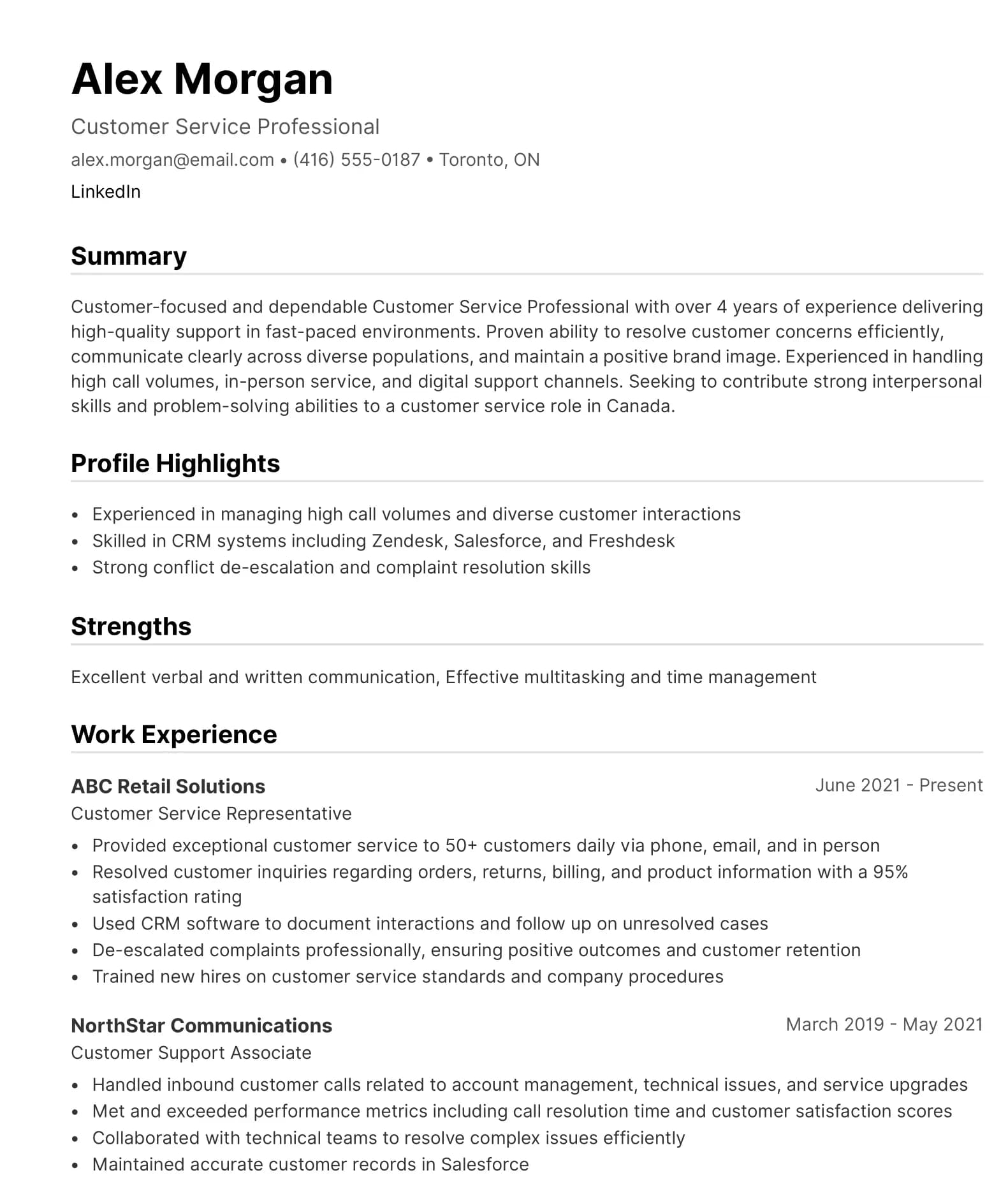
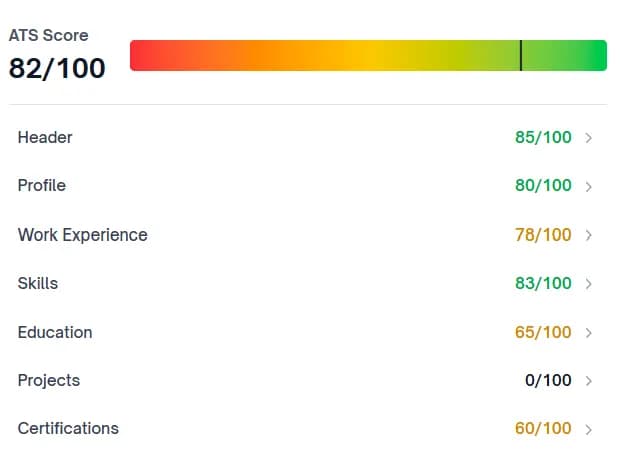
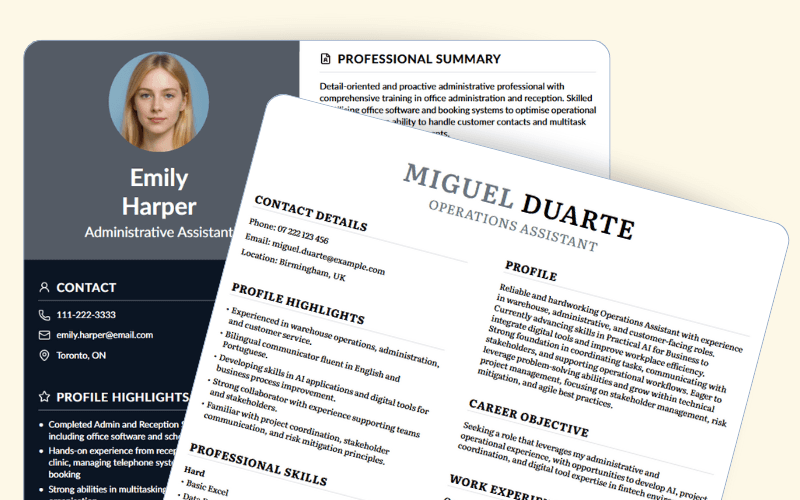
ATS-Optimized resumes That Meet Employer Standards
Our AI-powered scoring system helps organizations assess and standardize resume quality at scale. ATS-compliant templates support consistent formatting, keyword alignment, and interview readiness across cohorts.
About the Author

Lakshmi Reddy
Career Specialist
Lakshmi Reddy
Career Specialist
Lakshmi is a seasoned Career Specialist, contributing research and insights on hiring trends, resumes, and career pathways.
Frequently Asked Questions
Yes, in specific categories. According to the WEF Future of Jobs Report 2025, the strongest demand for remote-eligible roles is in project management, computer and IT, sales, client services, and creative roles. Growth is not uniform — some white-collar office functions have seen remote roles contract as employers push for in-person returns. Demand is highest where digital execution and async workflows are the default, not the exception.
Audience Context
Written for job seekers at any experience level searching for remote work in 2026 — including career changers, recent graduates, and experienced professionals exploring distributed work for the first time.
Related Resources
- Remote job search strategies that work now Data-backed strategies for the current high-competition market — including what works in a remote-heavy environment.
- Optimize your LinkedIn profile for remote jobs LinkedIn is the most important remote hiring platform for full-time roles. Align your profile to your resume for maximum discoverability.
- Make your resume ATS-friendly in 5 minutes Remote hiring is almost entirely digital. What ATS systems look for and how to format your resume accordingly.
- How to use Glassdoor during your job search Use Glassdoor to vet companies before you apply — not as a primary job board.
- Networking strategies for remote job seekers Platforms open doors; referrals close them. A practical framework for building connections in a distributed work environment.
- Why remote job searching feels so hard right now Structural context for why the remote job market is harder than the listing volume suggests.
- How to work with a career coach effectively If your remote job search has stalled, a career coach can help — but only if you know how to use one effectively.
References
- WEF Future of Jobs Report 2025 World Economic Forum. (2025). Primary source on global job growth trends and the rise of flexible, digital-first roles.
- McKinsey: The future of remote work McKinsey & Company. (2020). Analysis of 2,000 tasks across 800 jobs and nine countries — foundational research on what work can be done remotely.
- Upwork Freelance Forward Economy Report Upwork. (2024). Annual research on the state of freelance and independent work globally.
- Buffer State of Remote Work 2025 Buffer. (2025). Annual survey of remote workers on tools, challenges, and preferences — useful context for what distributed employers expect.
- Flexjobs remote work statistics 2025 Flexjobs. (2025). Data on remote work growth trends and the most in-demand remote job categories.
- LinkedIn Jobs on the Rise 2025 LinkedIn Economic Graph. (2025). LinkedIn's annual ranking of the fastest-growing job titles — useful for identifying remote roles with current momentum.
Disclaimer
Platform availability, pricing, and screening processes change frequently. Verify current terms directly with each platform before applying. This article is for informational purposes only and does not guarantee employment outcomes.
Maintained by: Labor Intelligence Group at Yotru
Review cycle: Monitored as market conditions evolve
Last updated: March 13, 2026
Questions or Need Support?
If you are working on employability programs, hiring strategy, career education, or workforce outcomes and want practical guidance, you are in the right place.
Yotru supports individuals and organizations navigating real hiring systems. That includes resumes and ATS screening, career readiness, program design, evidence collection, and alignment with employer expectations. We work across education, training, public sector, and industry to turn guidance into outcomes that actually hold up in practice.