
Market
4 min read
Jobs in Ingersoll, Ontario: Where CAMI Workers Can Go Next After the Closure (2026 Guide)
Synopsis
This guide explains realistic job options for CAMI workers affected by the Ingersoll closure. It covers nearby employers, commute-based roles, EI support, retraining options, and practical next steps.
CAMI Closure in Ingersoll: What It Means for Workers
The closure of CAMI Assembly impacts over 1,200 skilled workers in the Ingersoll area. Production ended in late 2025, and many families are now navigating severance and EI decisions.
As of January 2026, this guide focuses on clear next steps. Your manufacturing, quality, and skilled trades experience still matters. The challenge is where to apply, not whether your skills are in demand.
Ingersoll Ontario Job Market After CAMI Closure
Ingersoll remains livable but challenging. Most displaced CAMI workers will need to expand their search radius to maintain comparable wages.
| Ingersoll Job Market: What Helps and What Limits | |
|---|---|
| What Works in Your Favour | What Works Against You |
| Extended EI and severance support | Limited number of local employers |
| Strong demand for manufacturing and trades skills | Fewer roles matching CAMI wage levels |
| Highway 401 access to nearby job markets | Manufacturing-heavy local economy |
| Government-funded retraining for mass layoffs | Smaller town limits job variety |
Jobs Near Ingersoll by Commute: Woodstock, London, Kitchener, Hamilton
Pro Tip
Key employers actively hiring former CAMI workers include Toyota Woodstock for unionized assembly roles, 3M in London for manufacturing and skilled trades, ArcelorMittal in Hamilton for steel and trade positions, Maple Leaf Foods for food processing and quality roles, and logistics employers such as Amazon and Purolator for warehousing and material-handling work.
Jobs in Ingersoll (0–10 Minutes from Home)
Local employment options in Ingersoll remain available, but openings are limited compared to pre-CAMI levels. Roles are primarily found among manufacturing suppliers, food processing facilities, healthcare at Alexandra Hospital, and retail or service businesses. These positions can provide short-term stability but typically do not replace CAMI-level wages and should be viewed as transitional rather than long-term solutions.
Toyota Woodstock Jobs and Other Roles (8–15 Minutes)
Woodstock offers the strongest near-term employment match for many CAMI workers. Toyota Motor Manufacturing Canada (TMMC Woodstock) provides a familiar unionized environment with structured assembly-line work, competitive wages, and stable production volumes. The similarity in processes and work culture makes this the most natural first stop for displaced CAMI employees.
London Ontario Jobs Within 30 Minutes of Ingersoll
London provides a significantly larger and more diverse job market. Manufacturing, defence, construction, healthcare, and food production employers offer broader role availability and improved long-term flexibility. For many workers, the modest increase in commute time is offset by greater job security and upward mobility.
Kitchener–Waterloo Manufacturing and Trades Jobs (Commutable)
For workers willing to commute further, Kitchener–Waterloo presents strong opportunities in automotive manufacturing, industrial supply chains, food processing, and technical or logistics roles. While commute times are longer, higher wages and broader career pathways often justify the travel.
Brantford and Hamilton Steel, Trades, and Logistics Jobs
Brantford and Hamilton maintain a solid industrial base anchored in steel, metals, automotive suppliers, and large-scale warehousing and logistics operations. These markets are particularly well suited for skilled trades and industrial roles, offering consistent demand for experienced workers.
Hint
Use the Government of Canada's commuting cost calculator to compare gas vs wages when deciding between London and Kitchener roles.
EI, Severance, and Retraining Support for CAMI Workers
Employment Insurance (EI) for CAMI Workers in Ingersoll
CAMI workers qualify for enhanced EI measures:
- Up to 65 weeks for long-tenured workers
- No waiting period (temporary measure)
- Severance does not delay EI
- Maximum benefit: $729 per week
Important
Apply as soon as your employment ends or once your ROE is issued, whichever comes first.
Retraining While on EI After CAMI Layoffs
Because CAMI qualifies as a mass layoff, workers can retrain while continuing to receive Employment Insurance. Common pathways include skilled trades certifications, CNC or PLC programming, industrial automation, and quality or supply-chain programs. Approved training is typically government-funded, with EI continuing during the program.
Remote Job Options for Former CAMI Workers
Remote work is realistic for workers with:
- QA or documentation experience
- Supply-chain or scheduling experience
- Strong administrative or technical skills
- Bilingual (English/French) capability
Roles include customer support, QA coordination, logistics support, and government or crown-corporation positions.
How CAMI Assembly Skills Transfer to Other Jobs
- Assembly: Automotive, food manufacturing, logistics
- Quality Control: Manufacturing QA or process auditing
- Skilled Trades: Industrial plants, construction, facilities
- Material Handling: Warehousing and distribution
| CAMI vs. Other Jobs (Estimated Hourly Comparison*) | ||||
|---|---|---|---|---|
| Job Type | CAMI | Toyota | London Mfg | Remote Tech |
| Assembly | $30-35 | $28-32 | $25-30 | N/A |
| Skilled Trades | $40-45 | $40-45 | $38-45 | N/A |
| Quality Control | $32-36 | $30-35 | $28-33 | $25-35 |
| Logistics | $25-28 | $22-26 | $20-24 | N/A |
| Customer Support | N/A | N/A | N/A | $20-28 |
| Bilingual Support | N/A | N/A | N/A | $25-32 |
| *Estimates based on public data (Jan 2026). Wages vary by role and employer. | ||||
Presenting Transferable Experience Clearly
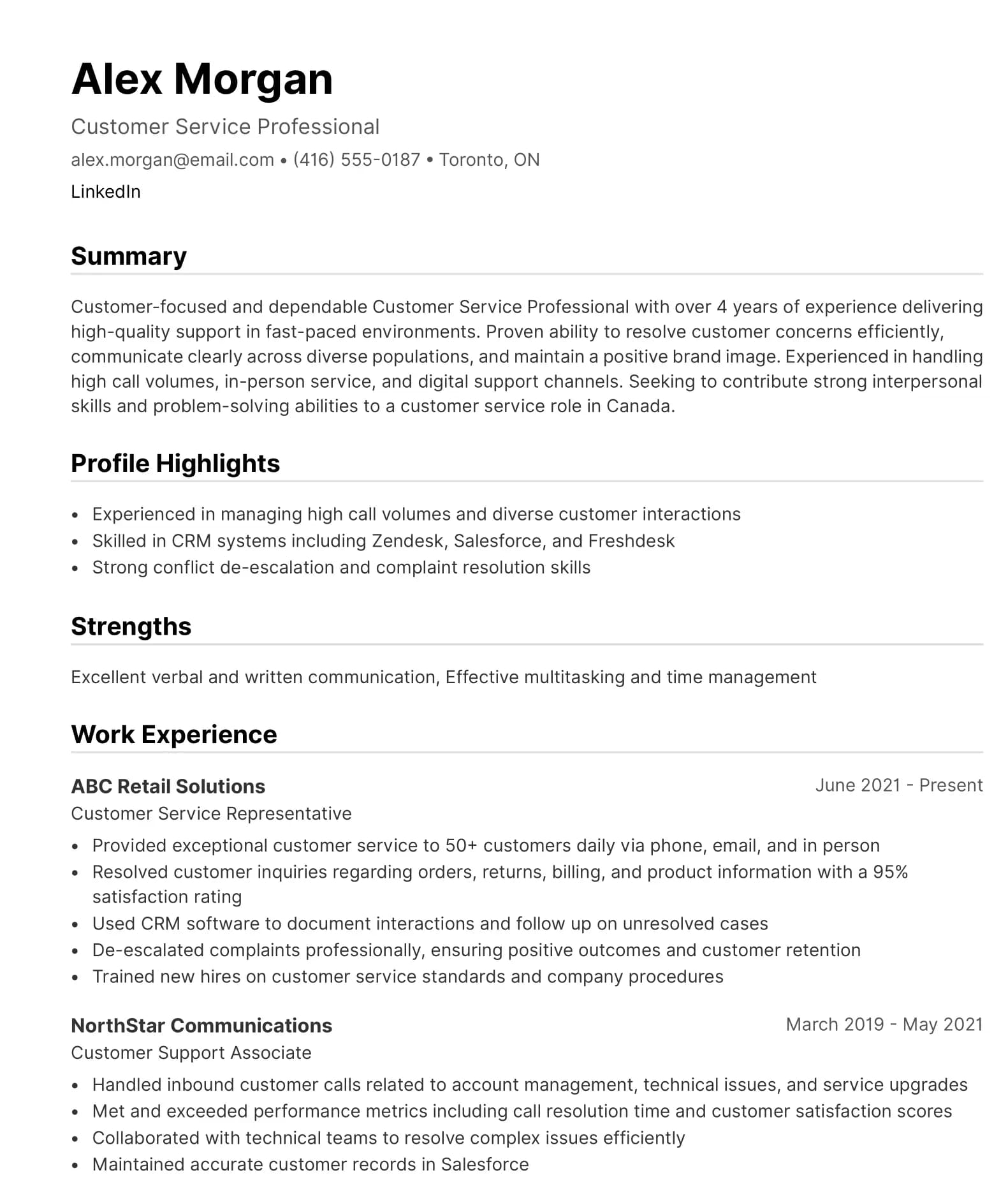
Many displaced CAMI workers struggle not because they lack skills, but because their experience is presented too narrowly for new employers.
Yotru has worked with the Unifor Local 88 Action Centre to support CAMI workers through resume workshops focused on manufacturing and skilled-trade transitions. Some job seekers also use tools like Yotru to clearly structure their experience across different roles without rewriting their resume each time.
Resume Check for CAMI Workers (ATS-Ready)
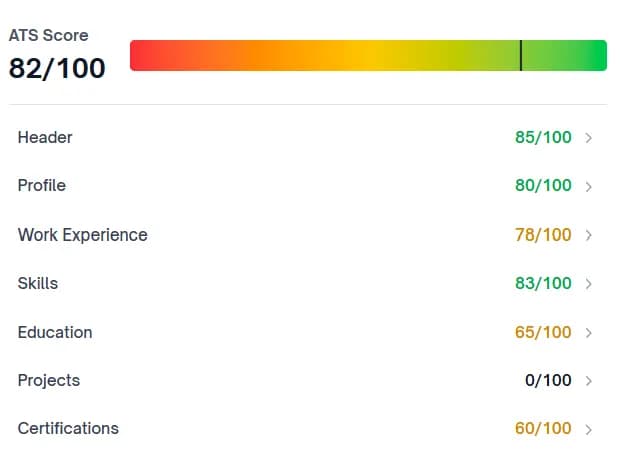
If you want a quick, private check, you can upload your resume to see how clearly it presents your skills and experience to employers. The check focuses on structure and clarity, not gaming ATS systems, and is meant to catch issues before you apply.
ATS-Optimized resumes That Meet Employer Standards
Our AI-powered scoring system helps organizations assess and standardize resume quality at scale. ATS-compliant templates support consistent formatting, keyword alignment, and interview readiness across cohorts.
Realistic Pay Expectations After CAMI Wages
CAMI wages were at the higher end of the regional market.
The closest matches are typically found at Toyota Woodstock, in skilled trades roles in London or Hamilton, or in automation and CNC positions after retraining. Most Ingersoll-based roles pay less.
Your Action Plan (Start Today)
Week 1
- Apply for EI
- Contact Service Canada
- Ask about retraining eligibility
Week 2
- Apply to Toyota Woodstock
- Set job alerts within 50 km
- Visit Employment Ontario in Ingersoll
Week 3
- Expand to London and Kitchener
- Compare commute costs vs wages
- Shortlist retraining options
Week 4
- Decide: local role, commute, or retrain
- Act quickly on strong offers
Final Note
The CAMI closure is disruptive, but not career-ending. You have severance, extended EI, retraining options, and in-demand skills — and time in early 2026 to make informed decisions.
The strongest near-term option for many workers is Toyota Woodstock. The strongest long-term option is flexibility.
Plan calmly. Act deliberately.
About the Author

Team Yotru
Employability Systems
Team Yotru
Employability Systems
We build practical career tools for training providers and workforce programs, combining labor market insights with real employment outcomes. Follow us on LinkedIn.
Frequently Asked Questions
Yes, there are still Ingersoll jobs available after CAMI closes, but options are limited compared to pre-closure levels. Most roles are in manufacturing suppliers, food processing, healthcare, and local services, and wages are generally lower than CAMI rates. Many CAMI workers will need to look beyond town limits to maintain similar income levels.

Audience Context
This article is for workers affected by the closure of CAMI Assembly in Ingersoll, Ontario. It is designed to support manufacturing and skilled-trade workers navigating job loss, employment transitions, retraining, and regional job opportunities.
Research Methodology
This guide draws on Canadian employment data, Service Canada guidance, regional employer hiring patterns, and workforce transition practices following large manufacturing layoffs. It reflects realistic outcomes observed across Ontario manufacturing communities.
Disclaimer
This article provides general employment information for educational purposes only. It is not legal, financial, or benefits advice. Readers should consult Service Canada, Employment Ontario, or qualified professionals for guidance specific to their situation.
Further Insights
Job Search & Career Transitions
- Hiring Trends in Canada for 2026 — Understand where hiring is strongest across provinces and what sectors are expanding in 2026
- Hiring Trends in Ontario — See which Ontario regions and industries have the most job openings for manufacturing and skilled trades workers
- Hiring Trends in the United States — Explore cross-border opportunities if you're considering work in Michigan or nearby U.S. manufacturing hubs
- Ontario Job Posting Law 2026 — Know your rights under new salary transparency and AI disclosure rules when applying for Ontario jobs
Resume & Application Readiness
- What Goes in a Trades Resume? — A simple guide for skilled workers on building a clear, job-ready resume
- Why Am I Not Getting Calls? Mistakes on Trades Resumes — Identify the 10 most common resume mistakes that prevent callbacks in skilled trades and manufacturing
- Make Your Resume ATS-Friendly in 5 Minutes — Format your CV so it passes screening systems used by Toyota, GM, Ford, and large manufacturers
- Resume Columns and ATS: Single vs Double Column — Choose the layout that works best for automotive and manufacturing ATS systems
- Simple, Clean, and Effective: The Power of a Minimalist Resume — Learn why clean, straightforward resumes work better than fancy designs for trades and manufacturing roles
Retraining & Skills Development
- How Training Providers Can Improve Learner Job Outcomes With AI Resume Tools — Relevant for workers exploring government-funded retraining programs through Employment Ontario
- Best AI Resume Builders 2026 — Compare tools that help you update your resume quickly as you apply for new roles or complete retraining
Local Job Boards for Ingersoll, Woodstock, London, and Hamilton
- Ingersoll and Oxford County jobs: Current postings across manufacturing, trades, healthcare, and services in Ingersoll and surrounding Oxford County via Work in Oxford.
- City of Woodstock careers: Municipal and city-related roles including public works, administration, and community services in nearby Woodstock.
- London job listings (Indeed): Aggregated job postings across manufacturing, logistics, healthcare, construction, and office roles in London, Ontario.
- Kitchener–Waterloo/Cambridge Job Bank: Federal job board with filtered results for Cambridge, Kitchener and Waterloo.
- Hamilton job listings (Glassdoor): Reviews and postings for industrial, trades, and professional roles in Hamilton and the broader steel and manufacturing corridor.
CAMI Worker Support & Local Resources
- Supporting CAMI Workers: Yotru + Unifor Local 88 Collaboration — Read about the resume workshops and job-search support already provided to CAMI workers through Unifor Local 88 Action Centre
References
Employment Insurance (EI)
- Service Canada – Employment Insurance — Apply for EI, check eligibility, and understand benefit amounts and duration
- Service Canada – EI Regular Benefits — Detailed information on standard EI claims for displaced workers
- Service Canada – Training While on EI — Learn how to access retraining programs without losing EI benefits
Ontario Employment & Retraining Support
- Employment Ontario — Find local employment services, job search support, and funded training programs
- Employment Ontario – Skills Training — Access government-funded training for skilled trades, manufacturing, and in-demand occupations
- Ontario Second Career Program — Financial support for workers who have been laid off and need retraining for a new career
- Apprenticeship Ontario — Explore apprenticeship opportunities in skilled trades if you're considering a new trade pathway
Local Job Resources
- Job Bank Canada – Ingersoll — Search government-run job postings in Ingersoll, Woodstock, London, and surrounding areas
- Ontario Job Creation Partnership — Programs connecting unemployed workers with temporary work experience and training
- WorkinTech – Ontario Manufacturing Jobs — Job board focused on manufacturing, skilled trades, and technical roles across Ontario
Worker Support & Adjustment Programs
- Canada-Ontario Job Grant — Employer-driven training funding that can support your retraining while employed or as part of a new hire
- Workforce Planning Ontario — Local labor market information and planning resources for job seekers and employers
- Oxford County – Community Support — Local resources, social services, and community support programs in Oxford County (Ingersoll area)
Union & Worker Assistance
- Unifor Local 88 – CAMI Action Centre — Direct support for CAMI workers including EI workshops, job fairs, and transition assistance
- Workers Action Centre Ontario — Know your rights, access workplace support, and get help with employment issues
Maintained by: Labor Intelligence Group at Yotru
Review cycle: Regularly reviewed to reflect real-world practice
Last updated: January 3, 2026
Questions or Need Support?
If you are working on employability programs, hiring strategy, career education, or workforce outcomes and want practical guidance, you are in the right place.
Yotru supports individuals and organizations navigating real hiring systems. That includes resumes and ATS screening, career readiness, program design, evidence collection, and alignment with employer expectations. We work across education, training, public sector, and industry to turn guidance into outcomes that actually hold up in practice.