
Market
16 min read
Hiring Trends in the Philippines for 2026: Low Unemployment, Underemployment Risk
Synopsis
The Philippines enters 2026 with low unemployment and a young workforce, but underemployment, informality, and job quality risks threaten its demographic dividend.
The Philippines' 2026 labour market features historically low headline unemployment, record labour force participation, and robust services sector growth, but faces persistent underemployment, substantial informality, and urgent questions about converting favourable demographics into genuine economic opportunity before the window closes.
Disclaimer: This article provides a qualitative overview of hiring trends based on publicly available labour market statistics, economic forecasts, and institutional analysis. It is intended to support understanding and workforce planning rather than formal forecasting or statistical prediction. This assessment reflects conditions and projections as of late 2025; labour market outcomes may vary by region and evolve with economic or policy changes.
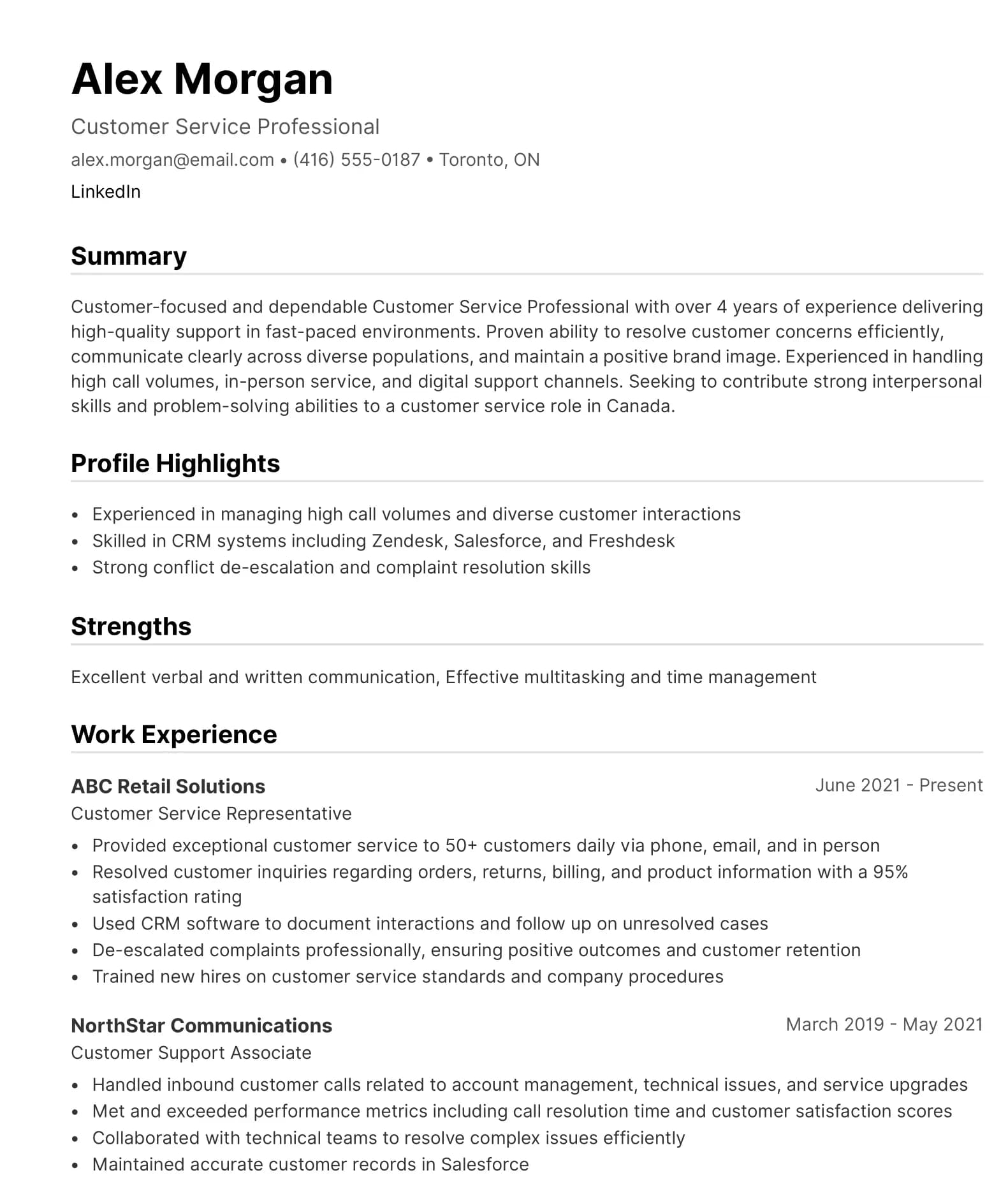
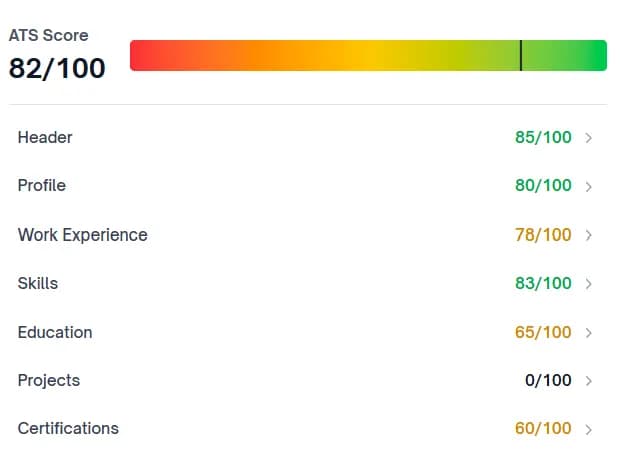
ATS-Optimized resumes That Meet Employer Standards
Our AI-powered scoring system helps organizations assess and standardize resume quality at scale. ATS-compliant templates support consistent formatting, keyword alignment, and interview readiness across cohorts.
A labour market where low unemployment masks underemployment and quality challenges
The Philippines' labour market in 2026 shows headline unemployment at historically low levels while fundamental employment quality issues persist. Unemployment fluctuated between 3.7% and 5% during 2025: reaching 3.7% in June (approximately 1.9 million people unemployed), then rising to 5.0% in October (approximately 2.6 million), remaining low by both historical Filipino standards and global comparison.
Labour force participation climbed to around 65-66% in mid-2025, with all-time high of approximately 52.4 million people in the labour force and roughly 50-51 million employed. This implies employment rate near 95-96% of labour force, indicating nearly everyone actively seeking work finds some economic activity.
However, underemployment remains significant at approximately 11-13% of employed workers, indicating many Filipinos want more hours or better-quality jobs than currently available. This represents approximately 5.5-6.5 million underemployed workers who have jobs but seek additional work or different employment.
The working-age population (15+) stands at approximately 77-78 million people, with employment rate near 95-96% within labour force and median age only around 25-26 years, making Philippines one of Asia's younger economies with substantial demographic potential.
Average monthly wages show wide variation depending on source and methodology. Official Philippine Statistics Authority (PSA) estimates put average monthly wage around PHP 19,400 in 2025 (up from PHP 18,423 in 2022), while some private surveys suggest higher figures (up to PHP 44,800), highlighting sectoral and sampling differences. A comprehensive 2025 pay study estimates average annual income near PHP 537,000 (approximately PHP 44,800 monthly) but median monthly salary around PHP 20,500, indicating typical workers earn far less than high-paid specialists.
Sectoral wage ranges are wide: construction and retail often pay PHP 10,000-18,000 monthly, BPO/call centres PHP 18,000-30,000, while experienced professionals in IT, engineering, and finance can reach PHP 50,000-100,000 monthly or more.
This analysis is most relevant to employers, HR professionals, job seekers, training providers, policymakers, and institutions supporting workforce development in the Philippines' services-driven, demographically young, quality-challenged labour market.
1. Underemployment crisis: 11-13% want better work despite employment
The Philippines' defining labour market challenge is not unemployment but underemployment, where millions have work but inadequate hours, income, or utilization of skills.
11-13% underemployed: Approximately 11-13% of employed workers (roughly 5.5-6.5 million people) are underemployed, defined as working fewer hours than desired, earning inadequate income, or being employed below skill level. This substantially exceeds unemployment rate, indicating primary challenge is job quality, not job availability.
Types of underemployment:
- Time-related: Workers employed fewer hours than willing and able to work
- Income inadequacy: Full-time employment but wages insufficient for basic needs
- Skills mismatch: Educated workers in jobs not utilizing qualifications
- Seasonal volatility: Agricultural and tourism workers with irregular employment
Sectoral concentration: Underemployment particularly prevalent in agriculture (seasonal work, smallholder farming), construction (project-based casual labour), retail (part-time sales positions), and informal services (street vending, personal services with irregular income).
Geographic patterns: Higher underemployment rates in rural areas, agricultural regions, and provinces with limited industrial or services development compared to Metro Manila and major urban centres.
Youth disproportionately affected: Young workers often accept underemployment as entry into labour market, taking part-time or casual positions while seeking full-time opportunities.
Informal economy overlap: Many underemployed workers operate in informal sector where income irregular, hours variable, and employment security non-existent.
Policy vs reality gap: Low official unemployment statistics suggest strong labour market, but high underemployment reveals millions struggle with inadequate work despite being technically employed.
So what
For candidates: Securing adequate, stable, formal employment with full hours and benefits represents genuine challenge despite low unemployment statistics; skills development and targeting growth sectors essential.
For employers: Abundant workers seeking additional hours or better positions provides recruitment opportunities; offering stability, full-time hours, and advancement can attract talent from underemployed pool.
For policymakers: Moving beyond celebrating low unemployment to addressing underemployment requires focus on job quality, productivity improvement, formalization, and sector development creating adequate work.
2. Informality substantial: 36% of non-agricultural employment
Despite services sector growth and modernization, substantial share of Philippine employment remains informal with associated vulnerabilities.
36% informal non-agricultural employment: Labour market profiles estimate approximately 36% of non-agricultural employment operates informally, representing millions of workers outside formal tax, labour law, and social protection systems. Including agriculture (where informality likely higher), overall informal employment share potentially exceeds 40%.
Sectoral concentration: Informal employment dominates construction (casual day labour), retail (sari-sari stores, street vendors, small shops), personal services (domestic work, beauty services, repair), transport (tricycle and jeepney drivers), and small-scale manufacturing.
Characteristics of informal work:
- No employment contracts or legal protections
- No social security, health insurance, or retirement benefits
- Cash payments avoiding tax withholding
- Irregular hours and income
- Limited recourse for disputes or unsafe conditions
- Excluded from minimum wage protections
Urban vs rural patterns: Both urban and rural areas feature substantial informality, though forms differ. Urban informality includes street vending, informal transport, unlicensed services, and casual labour. Rural informality concentrates in agriculture, fishing, and small-scale trade.
Survival entrepreneurship: Many informal workers are own-account workers or micro-entrepreneurs running survival businesses with minimal capital, low productivity, and precarious income.
Youth entry path: Informal employment often represents youth labour market entry point, creating early-career precarity and limiting skill development and career progression.
Gender dimensions: Women disproportionately represented in domestic work, home-based production, and informal services, often invisible in official statistics.
So what
For candidates: Formal employment with contracts, benefits, and protections provides dramatically better long-term security and advancement prospects than informal alternatives despite both counting as employed in statistics.
For employers: Formalization provides access to better talent, legal protections, ability to scale, access to credit and formal contracts; however, compliance costs and regulatory complexity create barriers.
For policymakers: Facilitating informal-to-formal transitions through simplified procedures, reduced costs, improved enforcement, and demonstrated value proposition expands formal employment and fiscal base.
3. Services sector dominates: 61% of employment, BPO star performer
The Philippines' economic structure shifted decisively towards services, with Business Process Outsourcing representing major success story.
61% services employment: As of mid-2025, services account for approximately 61% of total employment, making Philippines a services-dominated economy. This represents continued shift from agriculture and manufacturing towards services activities.
BPO/call centre prominence: Business Process Outsourcing sector, particularly voice-based customer service and back-office support for international companies, represents crown jewel of Philippine services. Sector employs over 1 million workers directly with millions more in supporting industries.
BPO advantages:
- English proficiency: Philippines ranks among world's largest English-speaking populations
- Cultural affinity: Particularly for US market due to historical ties
- Competitive wages: Lower than Western countries but offering decent middle-class income by Philippine standards (PHP 18,000-30,000 monthly entry to mid-level)
- Time zone coverage: Geographic location enables 24/7 operations serving Western markets
- Young, educated workforce: Large pool of university graduates seeking employment
Tourism and hospitality: Hotels, restaurants, tourism services, and related activities provide substantial employment, though vulnerable to global economic cycles and health crises.
Retail and commerce: Shopping malls, retail chains, small shops, and commercial activities employ millions, though many in informal or part-time arrangements.
Logistics and transport: E-commerce growth, domestic consumption, and international trade drive logistics, warehousing, delivery, and transport employment.
Financial services: Banking, insurance, and fintech sectors provide formal employment particularly in urban centres.
Professional services: Accounting, legal, consulting, and other professional services serve domestic and some international markets.
Agriculture declining but still 21%: Agricultural employment fallen from historical majority to approximately 21%, but still represents millions of workers, predominantly in smallholder farming, fishing, and agricultural labour with low productivity and income.
Industry at 18%: Manufacturing, construction, and utilities represent approximately 18% of employment, including electronics manufacturing, garment production, food processing, and construction.
So what
For candidates: BPO sector offers accessible entry to formal middle-class employment for English-speaking graduates; however, career progression and long-term prospects require skill development beyond call centre roles.
For employers: Services sector growth creates opportunities but faces challenges around productivity, wage inflation in competitive roles, and need for continuous workforce upgrading as automation and AI affect routine tasks.
For policymakers: Diversifying beyond BPO to higher-value services (IT, engineering services, creative industries), supporting agriculture productivity, and expanding manufacturing represents balanced growth strategy.
4. Youth represent opportunity and challenge
With median age 25-26 and 40%+ of unemployed being young people, youth employment represents both demographic dividend potential and pressing challenge.
Young workforce: Median age around 25-26 makes Philippines among Asia's youngest major economies, with large cohorts of young people entering labour market annually.
Youth overrepresented in unemployment: 2024 data shows approximately 1.0 million young people (ages 15-24) comprise over 40% of unemployed despite being smaller share of labour force, indicating youth face disproportionate difficulty securing employment.
New graduate challenges: Fresh university graduates represent substantial portion of unemployed job seekers, facing experience requirements, skills mismatches, and competition for limited formal sector positions.
Youth underemployment: Young workers often accept part-time, casual, or underemployment positions as entry into labour market, creating early-career instability.
Skills-employment disconnect: Educational system produces large numbers of graduates, but alignment between academic programmes and employer needs remains imperfect. Employers report graduates lack practical skills, work-readiness, critical thinking, and communication abilities.
NEET concern: While specific 2025 NEET (Not in Employment, Education, or Training) rates not provided in sources, youth disengagement represents concern as some young people neither work, study, nor train.
Youth potential: Young, tech-savvy, English-speaking workforce represents competitive advantage for Philippines in digital services, BPO, technology, and modern sectors. Successfully channeling youth energy into productive employment critical for demographic dividend realization.
Migration option: Many young Filipinos pursue overseas employment (OFW - Overseas Filipino Workers) seeking higher wages abroad, representing both brain drain and remittance opportunity.
So what
For candidates: Young job seekers must differentiate through practical skills, internships, English proficiency, digital capabilities, and work-readiness beyond academic credentials alone.
For employers: Structured youth programmes, internships, trainee positions, and development pathways tap abundant talent while addressing skills gaps; investing in youth development provides long-term workforce benefits.
For policymakers: Youth employment represents demographic dividend fulcrum; improving education quality, strengthening work-integrated learning, and expanding quality job creation determines whether youth become asset or challenge.
5. Demographic dividend window closing faster than expected
Recent analyses warn Philippines' demographic advantage may be more time-limited than previously thought, creating urgency around employment and productivity improvements.
Traditional view: Working-age population of 77-78 million with median age 25-26 and large youth cohorts suggested decades of demographic dividend as these cohorts enter productive employment.
Revised concerns: Recent reports suggest labour pool may age faster than expected due to declining fertility rates and rising female labour force participation, meaning demographic window could close earlier than previously projected, potentially within 10-20 years rather than 30-40.
Fertility decline: Birth rates falling faster than earlier projections, meaning smaller subsequent cohorts will replace current large young generations, shifting demographic structure towards ageing sooner.
Female participation increases: Rising female labour force participation (contributing to record 65-66% overall participation rate) expands current labour force but means less additional growth potential from this source in future.
"Use it or lose it" urgency: Demographic dividend requires productive employment of working-age population while dependency ratios (workers vs dependents) remain favourable. Window for maximizing advantage narrowing, creating urgency around job quality, productivity, and formalization.
Productivity imperative: Converting demographic numbers to economic growth requires moving workers from low-productivity informal and agricultural activities to higher-productivity formal sector, manufacturing, and modern services.
Risk of "missed dividend": Analysts warn without faster quality job creation, productivity improvements, and skills development, Philippines may "miss out" on demographic dividend despite favourable age structure, similar to some Latin American and Middle Eastern countries.
So what
For candidates: Developing high-productivity skills and securing formal sector employment becomes more urgent as demographic advantage time-limited; maximizing earning years during demographic window critical.
For employers: Access to large young workforce represents current advantage but cannot be assumed permanent; investing in productivity, automation where appropriate, and workforce development prepares for shifting demographics.
For policymakers: 10-20 year window for demographic dividend realization demands accelerated action on education reform, infrastructure investment, business environment improvement, and formal sector expansion, not incremental adjustments.
6. Wide wage dispersion reflects dual economy
Philippine wage structure shows enormous variation reflecting formal-informal divide, sectoral differences, and skills premiums.
Official average PHP 19,400 vs survey PHP 44,800: Official Philippine Statistics Authority average around PHP 19,400 monthly contrasts with private survey PHP 44,800, reflecting different sampling (PSA may capture more informal/lower-wage workers, surveys may oversample formal sector) and indicating substantial wage dispersion.
Median PHP 20,500: Median monthly salary around PHP 20,500 substantially below average PHP 44,800 in comprehensive surveys, confirming right-skewed distribution where high earners pull average upward while typical worker earns much less.
Sectoral variation enormous:
- Construction and retail: PHP 10,000-18,000 monthly
- BPO/call centres: PHP 18,000-30,000 monthly
- Mid-level professionals: PHP 30,000-50,000 monthly
- Experienced IT, engineering, finance: PHP 50,000-100,000+ monthly
- Senior executives and specialists: PHP 100,000-300,000+ monthly
Formal vs informal gap: Formal sector employment typically offers 30-50% wage premiums over comparable informal work, plus benefits (social security, health insurance, leave) creating total compensation gap even larger.
Urban-rural differentials: Metro Manila and major urban centres (Cebu, Davao) offer wages 30-50%+ above provincial rates for comparable work, though cost of living differentials partially offset.
Gender pay gaps: While narrowing, women typically earn less than men for comparable roles and are overrepresented in lower-wage sectors and informal employment.
Minimum wage regional: Minimum wages set by region with Metro Manila highest (approximately PHP 610 daily or PHP 13,000-15,000 monthly full-time), provincial rates 20-40% lower. Enforcement variable, particularly in informal sector.
So what
For candidates: Targeting formal sector, BPO, IT, finance, and professional services provides access to middle and upper wage bands; informal and low-skill roles offer limited income potential.
For employers: Wage structures must navigate regional differences, formal-informal gaps, and competitive pressures in tight markets for skilled workers; transparency and equity improve retention.
For policymakers: Addressing wage dispersion requires formalization, productivity improvement, minimum wage enforcement, and sector development creating higher-value employment opportunities.
7. Skills mismatches persist despite education expansion
Despite substantial university enrollment and graduation, alignment between educational outputs and employer needs remains imperfect.
High educational attainment: Philippines features high secondary completion rates and substantial university enrollment, with many young Filipinos obtaining bachelor's degrees.
Quality variation enormous: Educational quality varies dramatically between elite universities (University of the Philippines, Ateneo, La Salle) producing highly employable graduates and mass higher education producing graduates with limited practical skills.
Employer complaints:
- Graduates lack practical experience and work-readiness
- Soft skills deficits (communication, teamwork, problem-solving)
- Critical thinking and analytical abilities limited
- Digital skills below employer needs despite youth tech familiarity
- English proficiency variable despite Philippines' reputation
Oversupply in some fields: Business administration, education, and general arts/humanities produce many graduates relative to formal sector opportunities in these fields.
Undersupply in technical fields: Engineering, IT, healthcare, technical trades face shortages as fewer students pursue these programmes despite employer demand and wage premiums.
Vocational training underdeveloped: Technical and vocational education and training (TVET) systems less developed than university track, creating skilled trades and technician shortages.
Work-integrated learning limited: Internships, apprenticeships, and work placements variable in quality and coverage, leaving many graduates without practical experience employers demand.
OJT requirements: On-the-job training requirements in many programmes provide some exposure but quality and relevance depend heavily on placement and supervision.
So what
For candidates: Supplementing formal education with internships, certifications, practical projects, English proficiency development, and soft skills training dramatically improves employability beyond degree alone.
For employers: Cannot assume degree guarantees work-readiness; investing in training, structured onboarding, and development programmes necessary to make graduates productive.
For training providers: Opportunity exists for specialized training filling gaps formal education leaves; practical skills, English, digital capabilities, and soft skills development particularly valuable.
For policymakers: Education reform strengthening practical skills, work-integrated learning, technical education, and employer-education partnerships critical for labour market outcomes.
8. Overseas employment major labour market factor
Overseas Filipino Workers (OFWs) represent both brain drain and economic lifeline through remittances.
Millions overseas: Approximately 2-3 million Filipinos work abroad officially (potentially more unofficially), in Middle East, East Asia, North America, Europe, and cruise ships. This represents substantial portion of labour force working outside Philippines.
Remittances massive: OFW remittances (approximately USD 30+ billion annually) represent major economic factor, supporting millions of Filipino families and contributing significantly to GDP and foreign exchange.
Skills and sectors:
- Domestic workers (particularly women in Middle East, Hong Kong, Singapore)
- Nurses and healthcare workers (US, UK, Middle East)
- Seafarers and cruise ship workers
- Construction workers (Middle East)
- Engineers and technical specialists
- IT professionals and knowledge workers
- Entertainers and hospitality workers
Brain drain concerns: Emigration of nurses, doctors, engineers, IT professionals, and other skilled workers creates domestic shortages while benefiting destination countries.
Family impact: OFW parents separated from children for years, creating social costs despite economic benefits.
Skills development paradox: Philippines invests in training healthcare workers, technical specialists, and professionals who then emigrate, creating "training for export" dynamic.
Regulatory framework: Philippine Overseas Employment Administration (POEA) regulates overseas recruitment and aims to protect worker rights, though abuses occur.
COVID-19 impact: Pandemic demonstrated vulnerability of OFW-dependent model as many workers returned home during crisis, though flows have since resumed.
So what
For candidates: Overseas employment offers wage multiples of domestic opportunities (nurses earning 5-10x abroad vs Philippines); however, family separation, working conditions, and vulnerability create trade-offs.
For employers: Domestic employers compete with international opportunity pull for skilled workers; offering competitive packages, career development, and quality work environment helps retain talent.
For policymakers: Balancing benefits of remittances with costs of brain drain, family separation, and dependency on overseas employment requires creating quality domestic opportunities reducing push factors driving emigration.
What this means in practice
For job seekers
- Target formal sector aggressively: BPO, IT, finance, professional services, and multinational companies offer formal employment with benefits and advancement vastly superior to informal alternatives.
- Develop practical skills beyond degree: Internships, projects, certifications, English proficiency, and soft skills differentiate candidates in competitive graduate market.
- Pursue technical and digital capabilities: IT, data analytics, digital marketing, engineering, and technical skills command wage premiums and offer better employment security.
- Build English communication skills: Philippines' English advantage is competitive edge for BPO and international-facing roles; exceptional communication ability provides significant differentiation.
- Consider strategic overseas employment: For skills in demand abroad (nursing, IT, engineering), overseas employment offers wage multiples but requires weighing family and social costs.
- Seek full-time, stable positions: Avoiding underemployment trap requires targeting positions offering adequate hours, stability, and career progression from outset.
For employers
- Invest in graduate development programmes: Fresh graduates need training, mentorship, and structured development; investing in comprehensive programmes builds capable workforce while addressing skills gaps.
- Compete beyond wages: Offering career development, positive culture, work-life balance, and advancement opportunities helps retain talent against both domestic competition and overseas pull.
- Partner with educational institutions: Collaborating with universities on curricula, providing internships, and developing recruitment pipelines improves access to job-ready graduates.
- Address underemployment proactively: Offering full-time positions with adequate hours and responsibilities attracts workers from underemployed pool seeking better opportunities.
- Support formalization: For businesses operating informally, transitioning to formal status provides access to better talent, credit, contracts, and growth opportunities despite compliance costs.
For training providers and educational institutions
- Strengthen work-integrated learning: Internships, apprenticeships, projects, and industry partnerships provide practical experience employers demand.
- Focus on employability skills: Beyond academic content, developing communication, teamwork, problem-solving, digital literacy, and work-readiness improves graduate outcomes.
- Expand technical and vocational programmes: Skilled trades, technical roles, and vocational careers face shortages; expanding quality TVET addresses labour market gaps.
- Align programmes with growth sectors: BPO, IT, healthcare, logistics, and professional services represent employment growth; programmes should orient towards these opportunities.
- Develop English systematically: Business English, professional communication, and presentation skills essential for formal sector and international-facing employment.
For policymakers
- Move beyond headline unemployment: Celebrating low unemployment while ignoring 11-13% underemployment and 36%+ informality misses fundamental challenges; focus must shift to job quality.
- Accelerate demographic dividend capture: 10-20 year window demands urgent action on education reform, infrastructure investment, business environment improvement, and formal sector expansion.
- Support formalization actively: Simplifying procedures, reducing costs, improving enforcement, and demonstrating benefits accelerates informal-to-formal transitions.
- Diversify beyond BPO: While BPO success impressive, economy needs manufacturing, higher-value services, technology, and agriculture productivity improvements for balanced growth.
- Address skills mismatches comprehensively: Education reform, strengthened work-integrated learning, expanded technical education, and employer-education partnerships critical for labour market outcomes.
For all stakeholders
Platforms like Yotru can support these strategies by making skills visible, standardising employer-ready CVs at scale, helping institutions measure learner job readiness, and enabling employers to identify candidates with the right applied experience for Philippines' services-driven economy and demographic dividend realization.
Looking ahead: Demographic dividend or missed opportunity
The Philippines' 2026 labour market stands at critical juncture. Unemployment at 3.7-5%, record labour force participation of 65-66%, 52.4 million in labour force, and median age 25-26 suggest strong position. However, 11-13% underemployment, 36% informality in non-agricultural employment, wide wage dispersion, and skills mismatches reveal fundamental quality challenges.
Most critically, demographic dividend window may close faster than expected—within 10-20 years rather than several decades—due to declining fertility and rising female participation. This creates urgent imperative to convert demographic potential to genuine prosperity before demographic structure shifts towards ageing.
Future outcomes depend on addressing fundamental constraints:
Job quality over quantity: Moving beyond low unemployment celebration to tackle underemployment, informality, and inadequate wages requires productivity improvements, formalization, and sector development.
Skills system transformation: Mismatches between educational outputs and employer needs perpetuate graduate unemployment amid employer skills shortages; comprehensive education reform, expanded technical education, strengthened work-integrated learning essential.
Formal sector expansion: Creating millions of formal, adequately-paid, stable positions requires manufacturing competitiveness, services diversification beyond BPO, infrastructure enabling investment, and business environment improvements.
Productivity breakthrough: Low productivity in agriculture (21% of employment) and informal services constrains growth; modernizing agriculture, formalizing services, and shifting workers to higher-productivity sectors critical.
Female participation leverage: Rising female participation (contributing to record rates) represents progress but also means this source of labour force expansion more limited going forward; productivity must increasingly drive growth.
Youth integration urgency: With 40%+ of unemployed being youth and new graduates flooding market, creating quality entry-level opportunities determines whether demographic advantage realized or youth cohorts join underemployed and informal ranks.
Overseas employment balance: While OFW remittances vital, creating domestic opportunities reducing push factors (wage differentials, lack of opportunities, quality of life) would retain skilled workers contributing to domestic economy.
Infrastructure and business environment: Power reliability, transport, internet connectivity, regulatory efficiency, and corruption reduction enable private sector job creation at required scale.
Regional development: Deconcentrating opportunities from Metro Manila to provinces through infrastructure, investment incentives, and sector development distributes prosperity and reduces migration pressures.
Organisations and individuals who recognize Philippines' distinctive reality (low unemployment masking underemployment, services dominance with BPO success, young workforce representing opportunity with time limit, substantial informality despite modernization, and critical 10-20 year window for demographic dividend capture) will position themselves most effectively. Success requires moving beyond celebrating headline employment statistics to transforming job quality, accelerating formalization, improving productivity, and developing skills at pace matching demographic opportunity. The next decade will determine whether Philippines captures demographic dividend or joins countries that missed the window despite favourable demographics.
About the Author

Team Yotru
Employability Systems
Team Yotru
Employability Systems
We build practical career tools for training providers and workforce programs, combining labor market insights with real employment outcomes. Follow us on LinkedIn.
Frequently Asked Questions
Top in-demand roles include customer service, IT and software development, healthcare, digital marketing, and business process outsourcing (BPO).

Audience Context
This content is designed for job seekers, career changers, and workforce professionals navigating the Philippine labor market. It focuses on how economic conditions, hiring demand, and skills alignment shape employment outcomes across industries.
Research Methodology
This analysis draws on publicly available data from the Philippine Statistics Authority (PSA), Department of Labor and Employment (DOLE), Bangko Sentral ng Pilipinas (BSP), and international labor organizations. It incorporates labor force surveys, wage reports, and sector-specific employment data to reflect current and emerging workforce trends across the Philippines.
Salary Data Normalization
Salary figures represent estimated gross monthly or annual earnings in Philippine pesos (PHP) before taxes and statutory deductions. Data is normalized across regions, industries, and experience levels to account for variations in cost of living, seniority, and employer type. Actual compensation may differ based on location, role complexity, and market demand.
Further Insights
Philippines Labour Market
- ATS Resume Guide — Pass BPO employer screening.
- Keyword Targeting — Match call center keywords.
- Minimalist Resume — Clean formats for outsourcing.
- Summary Writing Tips — Highlight bilingual skills.
- Template Secrets — BPO-optimized designs.
BPO & Outsourcing
- AI Resume Tools — Upskill for customer service.
- Gen Z Resume Tips — Entry-level BPO strategies.
- Builders Review — Outsourcing resume tools.
- Delinquency Samples — Collections job examples.
- One Tweak Impact — Fast BPO interview wins.
Skills Development
- Reentry Global Lessons — Youth employment models.
- AI Prompt Warnings — Authentic resume practices.
- Employability Metrics — Track training outcomes.
- Ultimate Builders Guide — Skills gap solutions.
- Resume Colors Guide — Professional formatting.
Global Comparisons
- US Hiring Trends — Outsourcing destination data.
- Canada Market Insights — Immigration job patterns.
- UK Employment Forecast — Wage comparison lessons.
- Germany Job Trends — Manufacturing parallels.
- Netherlands Overview — Skills shortage strategies.
Platform Tools
- Reentry Program — Scale cohort resume building.
- Yotru Platform — Branded BPO training tools.
- Affiliate Program — Partner revenue sharing.
- Public Resumes — Philippines job examples.
- Yotru Updates — Latest feature releases.
References
- Trading Economics. (2025). Philippines Unemployment Rate and Labour Statistics [Economic indicators]. https://tradingeconomics.com/philippines/unemployment-rate
- Philippine Statistics Authority (PSA). (2025). Labour Force Survey and Employment Statistics [Official statistics]. https://www.data.pssc.org.ph/docs/labor-force-survey/
- Statista. (2025). Philippines Employment and Labour Force Statistics [Employment data]. https://www.statista.com/statistics/1337397/philippines-employment-rate/
- Department of Finance (DOF), Philippines. (2025). DOF HEARTS Series: Labour Market Reports. https://www.dof.gov.ph/dof-hearts-seriesrecto-more-filipinos-in-formal-stable-private-sector-jobs-highlight-ph-economys-strength/
- GMA Network. (2025). Unemployed Filipinos Reports [News coverage]. https://www.gmanetwork.com/news/money/economy/958628/unemployed-filipinos-july-2025/story/
- PhilStar. (2025). Salary in the Philippines by Age [Economic reporting]. https://philstarlife.com/news-and-views/576743-salary-in-the-philippines-by-age
- World Economics. (2025). Philippines Demographics and Labour Force [Population data]. https://www.theglobaleconomy.com/Philippines/population_growth/
- Supporting Sources:
- Playroll. (2025). Philippines Salary Guide and Employment Overview. https://playroll.com/global-hiring-guide/philippines
- People Matters Global SEA. (2025). Philippines Labour Market Trends [HR analysis]. https://www.peoplemattersglobal.com/article/employer-practices/philippines-labour-market-trends-2025
Maintained by: Labor Intelligence Group at Yotru
Review cycle: Regularly reviewed for accuracy and relevance
Last updated: December 31, 2025
Questions or Need Support?
If you are working on employability programs, hiring strategy, career education, or workforce outcomes and want practical guidance, you are in the right place.
Yotru supports individuals and organizations navigating real hiring systems. That includes resumes and ATS screening, career readiness, program design, evidence collection, and alignment with employer expectations. We work across education, training, public sector, and industry to turn guidance into outcomes that actually hold up in practice.