Market
6 min read
Jobs in Germany 2026: Hiring Trends + Salaries
Synopsis
Germany's 2026 labor market shows cooler hiring overall, but strong demand persists in healthcare, skilled trades, and IT. Find where jobs are growing and how to stand out.
Germany enters 2026 with slower economic growth and fewer vacancies overall, but according to Bundesagentur für Arbeit's latest analysis, 163 occupations still face qualified worker shortages. Healthcare, skilled trades, and technical roles account for a large share of unfilled positions.
Key Insight
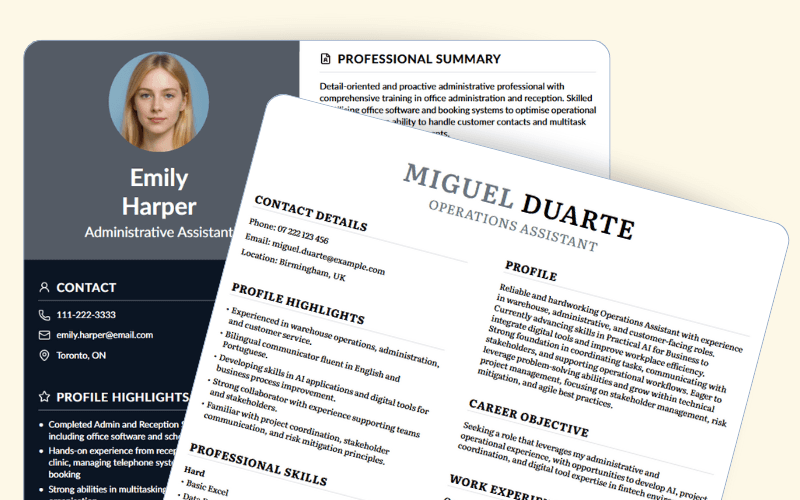
German resumes typically include more personal detail than North American ones. A professional photo, date of birth, and sometimes nationality are common. The design should be clean and structured, emphasizing clarity and completeness rather than marketing style or self-promotion.
This makes 2026 better for targeted job seekers than headlines suggest. Whether you're already working in Germany, a recent graduate, or an international professional considering relocation, understanding which fields are hiring and what employers expect matters. This guide explains where hiring is strongest, which skills matter most, and how to tailor your resume with Yotru's resume builder to stand out.
| 2026 Germany labor market snapshot | ||
|---|---|---|
| Indicator | 2026 estimate | Job Outlook |
| Unemployment rate | 5.8–6.2% (modest increase from 2024–2025) | Medium |
| Job vacancy level | Declining from peak but ~750,000+ openings remain | Medium |
| Top shortage sectors | Healthcare, skilled trades, IT/engineering, education | High |
| Real wage trend | Stabilizing as inflation eases; premiums in shortage roles | Medium |
| Strongest profiles | Mid-career with technical skills, German B2+, recognized credentials | High |
Sources: Bundesagentur für Arbeit, IAB, Destatis, OECD
Hint
If you're applying from abroad, ~750,000 job openings in Germany doesn't mean 750,000 chances for international workers. Focus on shortage occupations (nursing, electricians, software development) with B2+ German and start credential recognition early. Budget 6–12 months.
Key takeaways for job seekers in Germany
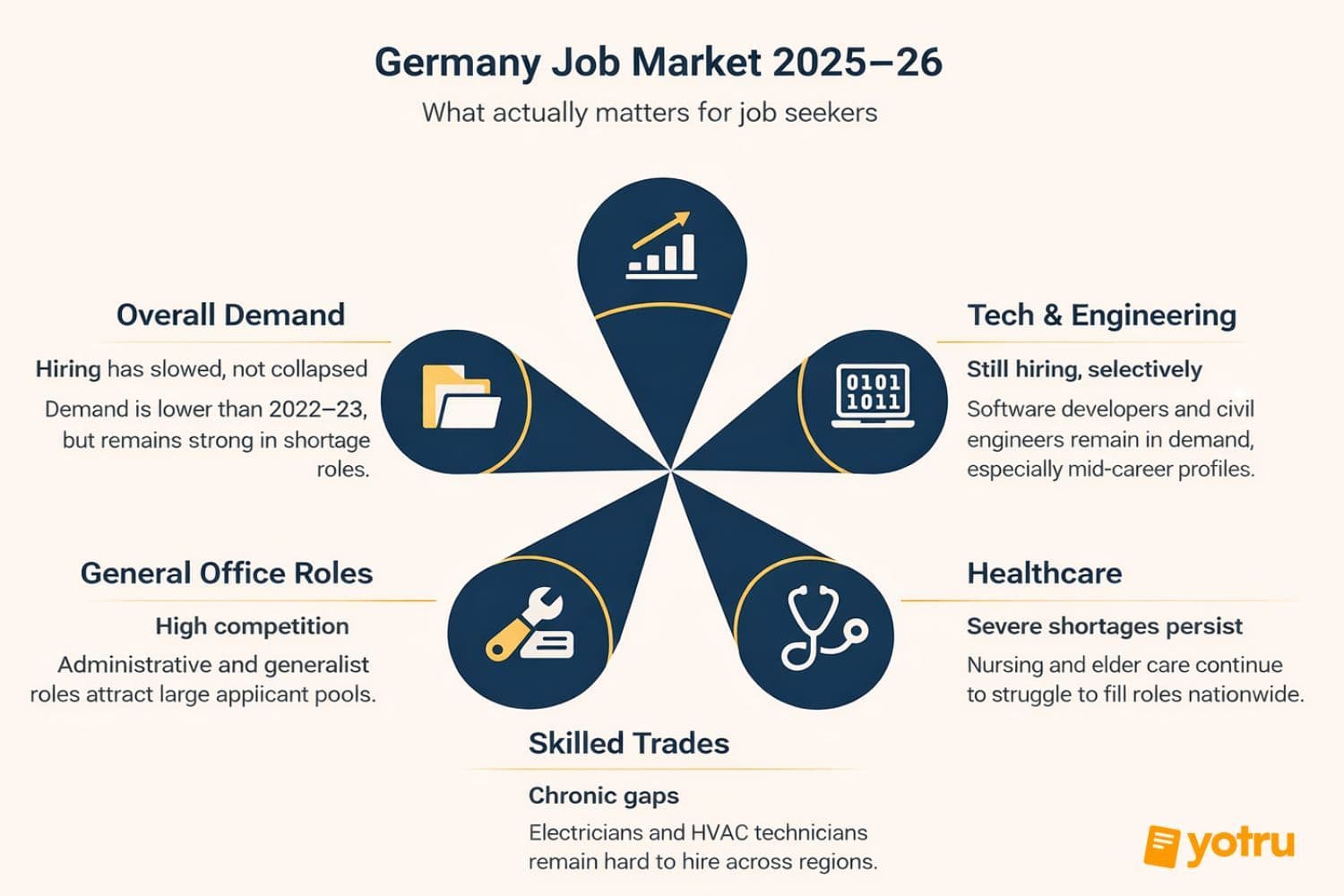
- Overall demand: Hiring in Germany has slowed from 2022–2023 peaks but stays elevated in shortage fields
- Competition: Generalist office roles see larger applicant pools; shortage occupations struggle to fill positions
- Top shortage fields: Nursing, elder care, teaching, electricians, HVAC technicians, software developers, civil engineers
- Under pressure: Automotive manufacturing faces restructuring; retail and hospitality remain soft
- Wages in Germany: Premiums persist in shortage roles; real wages stabilizing as inflation eases
- Best chances: Mid-career professionals with proven technical skills, German B2+, recognized credentials
Jobs in Germany by sector
Healthcare jobs in Germany
Market reality: Hospitals, nursing homes, and outpatient facilities can't fill positions. IAB projections show sustained shortage through 2030+.
Salary in Germany:
- Registered nurses: €35,000–€48,000
- Care assistants: €28,000–€35,000
- Strongest demand: Bavaria, Baden-Württemberg, rural areas
Who's hiring:
- Registered nurses (Gesundheits- und Krankenpfleger/in) – Multiple openings, permanent contracts (unbefristet)
- Elderly care specialists (Altenpfleger/in) – High demand, competitive wages
- Physical therapists – Good prospects in smaller cities
- Care assistants – Entry-level, more competition but reasonable prospects
What you need:
- German language: B2 minimum, C1 preferred
- Credential recognition: Required for international qualifications (Anerkennung)
- Shift flexibility: Nights and weekends expected
- Digital systems: ORBIS, Cerner, iMedOne
Job posting signals: "Unbefristeter Vertrag" (permanent), "Schichtzulage" (shift premium), "Anerkennungsverfahren unterstützen" (credential support)
Pro Tip
Start credential recognition (Anerkennungsverfahren) before job searching in Germany. Many German hospitals hire provisionally if you've begun the process. Waiting until after you get interest means 6–12 month delays and missed opportunities.
If you're applying from abroad:
- Hospitals prefer candidates who started recognition and have B2+ German
- Target rural areas: Bavaria, Saarland, Rhineland-Palatinate
- Document shift flexibility prominently on resume
- Include German certification level in resume header
- Quantify clinical experience (patient caseloads, outcomes)
How Yotru helps: Converts nursing titles to German equivalents, formats credentials clearly, places language certification prominently, converts experience to German employer metrics.
Skilled trades and technical jobs in Germany
Market reality: Electricians, HVAC technicians, industrial mechanics stay in high demand. Meister credential valued but not always required.
Salary in Germany:
- €35,000–€55,000 depending on specialization
- Strongest demand: Bavaria, Baden-Württemberg, North Rhine-Westphalia
Who's hiring:
- Electricians – Residential, commercial, industrial
- HVAC technicians – Installation, maintenance, service
- Industrial mechanics – CNC, automation, robotics
- Construction specialists – Infrastructure projects
What you need:
- German language: B1–B2 minimum for safety
- Credentials: Meister or equivalent trade certification
- Technical certifications: PV installation, refrigeration, CNC
- Driver's license: Class B for mobile service roles
- Safety standards: DGUV, VDE familiarity
Job posting signals: "Meister gewünscht aber nicht Bedingung" (Meister desired but not required), "Montagetätigkeit" (installation with travel), company vehicle
Hint
Create a portfolio with project photos, technical specs, and outcomes. This supports credential recognition and differentiates your application, especially if you don't have German credentials. Focus on hands-on results over formal qualifications.
If you're applying from abroad:
- Start credential recognition through IHK or HWK (3–12 months)
- Be open to smaller companies and eastern states
- Emphasize German equipment experience (Siemens, Bosch)
- Document safety training and certifications
- Consider less competitive regions for faster placement
IT and engineering jobs in Germany
Market reality: Software developers, data analysts, cybersecurity specialists, civil engineers still find opportunities. Hiring pickier than 2022–2023.
Salary in Germany:
- Software developers: €50,000–€75,000
- Civil engineers: €45,000–€65,000
- Locations: Berlin, Munich, Frankfurt, Hamburg, Leipzig, Dresden
Who's hiring:
- Full-stack developers – React, Node.js, Python, Java
- DevOps engineers – Cloud platforms, automation
- Cybersecurity specialists – Growing demand
- Civil engineers – Infrastructure, sustainable construction
What you need:
- Tech stack: Modern frameworks matching job requirements
- Cloud platforms: AWS (most common), Azure, Google Cloud
- Methodologies: Agile, Scrum, collaborative tools (Jira, Git)
- German language: B1–B2 helpful; English-only possible at some companies
Job posting signals: "Agile Arbeitsweise," "Cloud-Erfahrung," "DevOps-Kultur," remote/hybrid options
If you're applying from abroad:
- Build portfolio: GitHub repos, case studies, deployed projects
- Target roles matching exact tech stack
- Research tech hubs beyond Berlin (lower competition)
- German B1+ opens significantly more opportunities
- Document experience with German enterprise systems
Office, admin, and customer service jobs in Germany
Market reality: Competition has jumped for general office and customer service roles. Employers get bigger applicant pools and are pickier.
Who's hiring:
- Executive assistants – 3–5+ years experience
- Project coordinators – Specialized skills
- Bilingual customer service – German + other languages
- Entry-level positions – Toughest conditions
What you need:
- German language: C1 for most roles; B2 for some bilingual positions
- Software: SAP, DATEV, Microsoft Office (especially Excel)
- Skills: Professional communication, customer service
Important
These roles rarely sponsor work visas unless you bring specialized language combinations (German + Mandarin, German + Arabic). Focus on shortage occupations instead.
Education and manufacturing snapshot
Education jobs in Germany:
- Teaching positions stay in demand (vocational, special education, early childhood)
- Permanent contracts, public sector benefits
- German C1 minimum required
- Career changers (Quereinsteiger) welcome in STEM
- Credential recognition: 6–12 months, state-specific
Manufacturing jobs in Germany:
- Automotive sector faces restructuring
- Selective hiring: renewable energy, medical devices, automation
- Quality control, forklift operators (Staplerschein), automation technicians have better prospects
- Target companies with renewable energy or medical device lines

What's changing in the German job market
Skills matter more than credentials
The shift: Employers care more about what you can actually do. This shows up most in technical roles, skilled trades, and operational positions.
What this means:
- Document projects – Specific outcomes and measurable results
- Create portfolios – Work samples demonstrating capability
- Pursue certifications – Role-specific, industry-recognized
- Emphasize experience – Hands-on, practical work
Digital baseline with uneven AI adoption
The reality: Digital literacy is baseline. Advanced AI adoption is patchy.
What this means:
- List software prominently – Collaboration platforms, role-specific tools
- Emphasize German systems – SAP, DATEV
- Document remote work – Digital collaboration capabilities
- Focus on practical skills – Not advanced AI for most roles
Wages and benefits in Germany
The trend: Nominal wage growth slowing, real wages stabilizing. Premiums stick in shortage occupations.
What this means:
- Research salary ranges – Know typical pay before negotiations
- Consider total compensation – Benefits, flexibility, job security
- Look at smaller cities – Lower living costs offset modest salary differences
- Value non-wage benefits – Remote work, development budgets, permanent contracts
Getting started: what you need to know
Reality check for working in Germany
Credential recognition takes time
- Budget 3–12 months depending on occupation and origin country
- Start before job searching
- Healthcare, teaching, regulated trades must complete through state authorities
- Some employers hire provisionally if process substantially complete
Language matters more than you think
- Even B1 roles prefer B2+ for advancement
- English-only limits opportunities significantly
- Most employers conduct interviews in German
Hiring timelines in Germany
- Typical: 4–8 weeks from application to offer
- Public sector and large corporations: 3–6 months
- Smaller companies and shortage roles: sometimes faster
Contract types vary
- Temporary agency work (Zeitarbeit) common as entry pathway
- Permanent status (unbefristet) not guaranteed
- Ask about contract type before accepting
Important
Many international workers accept temporary agency contracts (Zeitarbeit) expecting conversion to permanent positions. Before signing, ask: "What is the typical timeline to permanent status?" and "What percentage convert to direct employment?" If the employer won't answer clearly, this is a red flag signaling they may cycle workers indefinitely.
Cost of living varies dramatically
- Munich, Frankfurt, Stuttgart: 10–20% higher salaries, significantly higher housing costs
- Smaller cities in Bavaria, Saxony, eastern states: better cost-to-salary ratios
Full visa and recognition details: Make it in Germany and Anerkennung in Deutschland
Your job search game plan for Germany
If you're outside Germany:
- Pick target field – Focus on shortage occupations in Germany (nursing, electricians, HVAC, IT)
- Start language and credentials – Begin German study (B2 minimum), initiate credential recognition (6–12 months)
- Build Germany-ready resume – Use Yotru to format following German conventions
- Target realistic employers – Apply to companies actively sponsoring visas (hospitals in rural areas, tech companies, trades in eastern states)
- Follow up systematically – German hiring takes 4–8 weeks; keep multiple applications active
If you're already in Germany:
- Identify strongest regions – Consider smaller cities for faster placement
- Optimize resume locally – Use Yotru to incorporate German job posting keywords
- Apply strategically – Use StepStone, Indeed.de, Bundesagentur für Arbeit (BA) job portal
Pro Tip
When applying for jobs in Germany, tailor each resume to specific posting requirements. German employers expect customization showing you understand the role. Use Yotru to quickly adapt your resume to each job's exact keywords and requirements without starting from scratch.
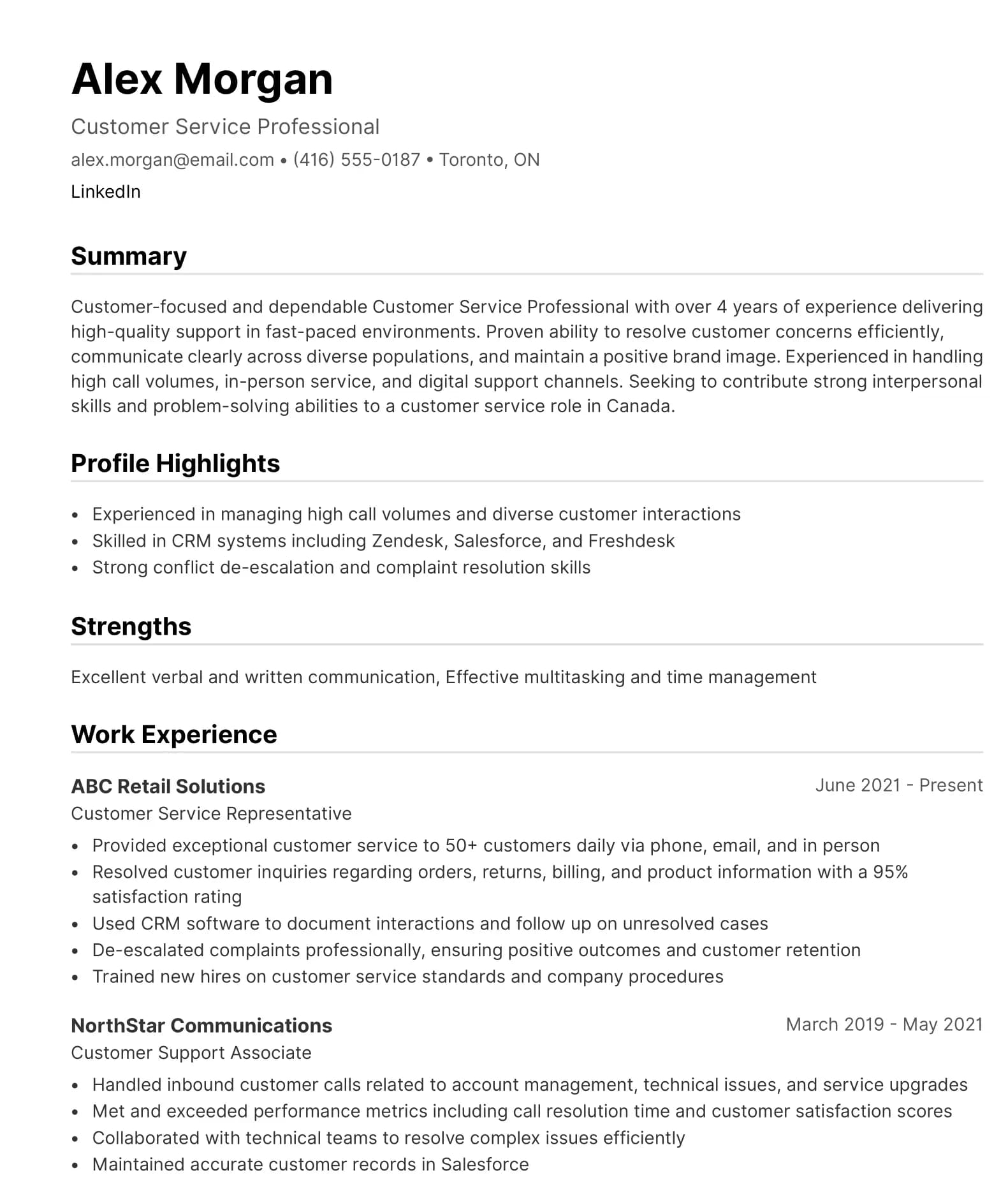
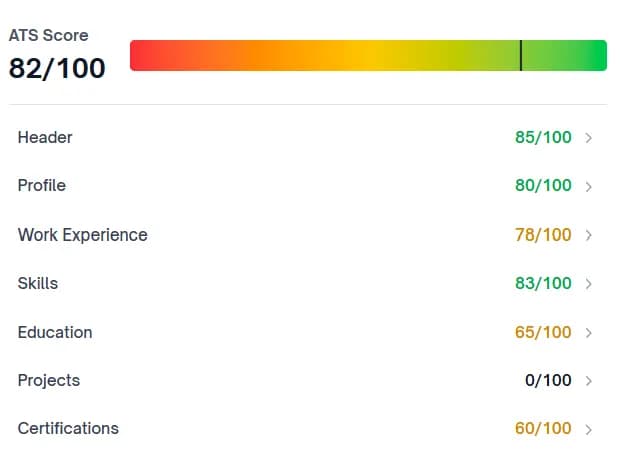
ATS-Optimized resumes That Meet Employer Standards
Our AI-powered scoring system helps organizations assess and standardize resume quality at scale. ATS-compliant templates support consistent formatting, keyword alignment, and interview readiness across cohorts.
Frequently asked questions
Yes, it can still be a good time to find a job in Germany in 2026 if you work in shortage occupations like healthcare, skilled trades, or specialized IT. If you've got in-demand skills, German B2+, and flexibility on location, you'll find reasonable opportunities. Generalist office roles and automotive manufacturing face stiffer competition.
About the Author
Team Yotru
Employability Systems
Team Yotru
Employability Systems
We build practical career tools for training providers and workforce programs, combining labor market insights with real employment outcomes. Follow us on LinkedIn.
Related Resources
Continue exploring related perspectives on career development, hiring trends, and workforce change.
Market and Research
- Hiring Trends in the Netherlands— Dutch job market outlook examining sectors hiring international workers, language requirements, and skilled migration pathways.
- Hiring Trends in Ireland— Ireland job market guide for international professionals, including tech sector demand and English-language opportunities.
- Hiring Trends in the United States— U.S. labor market conditions showing easing demand and persistent sectoral shortages.
- Hiring Trends in Canada — Canadian labor market outlook examining regional variations and skill requirements.
- Why It Feels So Hard to Get a Job Right Now— Research-backed explanation of current hiring dynamics and employer selectivity.
Resume Building and Optimization
- Make Your Resume ATS-Friendly in 5 Minutes— Simple, fast changes that help your resume pass applicant tracking systems without keyword stuffing.
- The Power of a Minimalist Resume— Why clean, simple resumes perform better and how to avoid design mistakes that hurt readability.
- How to Target Job Keywords in Your Resume— A practical guide to matching your resume to job postings using the right keywords, naturally.
Example Resume Profiles
- Data Scientist (AI/ML High Demand) — Machine learning and predictive analytics skills match German automotive and industrial AI transformation initiatives.
- Full-Stack Developer (Tech High Demand)— Startup-focused scalable systems experience perfect for Berlin, Munich, Hamburg tech hubs seeking EU Blue Card talent.
- HVAC Technician (Building Services Shortage) — Energy efficiency and commercial systems expertise aligns with German climate retrofit targets and building codes.
- Pharmacy Technician (Healthcare Shortage)— Sterile compounding expertise matches German hospital pharmacy BfArM standards and EU qualification recognition pathway.
Audience Context
This content is designed for job seekers, career changers, and workforce professionals navigating the German labor market. It explains where demand exists, how hiring decisions are made, and how individuals can align their skills, qualifications, and experience with employer expectations across Germany.
References
- Federal Employment Agency (Bundesagentur für Arbeit)—Labor market statistics and shortage occupations; 2.885 million unemployed (6.1% rate) in Nov 2025.
- Federal Statistical Office (Destatis)—Employment, wage, and economic data; employment rate at 77.6% in Q1 2025.
- Federal Ministry of Labour and Social Affairs (BMAS)—Labor policy and workforce development, including EU Youth Guarantee implementation.
- Institute for Employment Research (IAB)—Labor market forecasts and skills demand; 1.06 million job vacancies in Q2 2025.
- German Economic Institute (IW Köln)—Industry and workforce trend analysis amid demographic change.
- EU Blue Card Germany—Immigration and skilled worker pathways; expanded shortage occupations list for 2025.
- StepStone Salary Report—Median gross salary €45,800; regional breakdowns (Hamburg €52,000).
- OECD Employment Outlook Germany—Unemployment to 3.6% by Q4 2025, rising employment rate.
- European Commission Germany Forecast—Labor market stagnation, unemployment rising to 3.6% in 2025.
- Germany Shortage Occupations List—High-demand roles in healthcare, engineering, IT, trades for 2025 visas.
Research Methodology
This analysis draws on publicly available German labor market data, government workforce reports, and economic research. It integrates employment statistics, sector demand forecasts, and regional labor indicators to reflect current and emerging trends across Germany’s economy.
Salary Data Normalization
Salary figures represent estimated annual gross earnings in euros (EUR) before taxes. Data is normalized using aggregated job postings, official wage statistics, and employer-reported compensation ranges. Actual earnings may vary by region, industry, experience level, and collective bargaining agreements.
Editorial Standards
All content is developed using verified public data and reviewed for clarity, accuracy, and neutrality. Insights are based on observable labor market conditions rather than promotional claims. Information is updated regularly to reflect policy changes, economic shifts, and hiring trends.
Disclaimer
This content is provided for informational purposes only and does not constitute legal, immigration, or employment advice. Readers should consult official German authorities or qualified professionals before making career or relocation decisions.
Maintained by: Labor Intelligence Group at Yotru
Review cycle: Monitored as market conditions evolve
Last updated: January 5, 2026
Questions or Need Support?
If you are working on employability programs, hiring strategy, career education, or workforce outcomes and want practical guidance, you are in the right place.
Yotru supports individuals and organizations navigating real hiring systems. That includes resumes and ATS screening, career readiness, program design, evidence collection, and alignment with employer expectations. We work across education, training, public sector, and industry to turn guidance into outcomes that actually hold up in practice.