
Market
3 min read
Why Canva and Word Fail at Scale for Learner CVs
Synopsis
For training providers managing many learners, common CV tools create inconsistency, review bottlenecks, and risk. This article explains why Canva and Word struggle at scale and what breaks first.
Introduction
CV tools used by training providers are usually inherited from individual job search workflows, not designed for education programs. Familiar tools like Canva and Microsoft Word work well for small groups or one-off workshops.
Problems appear at scale. When dozens of CVs must be reviewed and assessed, formatting issues multiply, review consistency drops, and instructors spend more time fixing layouts than evaluating employability. This article is a reality check, not a product pitch. It explains why these tools struggle once scale and accountability enter the picture.
Key Insight
Most CV tools are designed for individuals. Training providers need systems that work across dozens or hundreds of learners without creating review chaos or inconsistency.
Why Canva and Word Are Popular in Education
Canva and Word are popular in education because they are familiar, low cost, and easy to use. Most learners already know Word, and Canva feels intuitive with little onboarding. Institutions often already license Microsoft, and free Canva plans appear sufficient.
Their design flexibility also feels empowering for learners and engaging for instructors. These strengths explain why both tools are adopted quickly and why their limitations only become clear after a full cohort submits CVs.
Where Canva Resumes Break in Education Programs
Canva’s design-first approach becomes a liability in structured training programs. Visual freedom creates uncontrolled variation, making resumes hard to review and compare, while instructors need predictable structure for fair assessment.
ATS risk adds to the problem. PDFs may look correct but fail to parse due to text boxes and layered layouts, and there is no reliable way to lock sections or enforce required fields. These issues usually surface only after the first full cohort submits CVs. As explained in our ATS guide, multi‑column and design‑heavy layouts often fail parsing.
- Inconsistent layouts across learners
- Decorative elements breaking parsing
- Manual cleanup before review
- No shared structural standard
Word Resume Templates and Student CV Drift
Word templates feel more structured than Canva, but they break down over time. Small edits quickly alter spacing, fonts, and alignment, and copy-pasted content introduces hidden styles that erode consistency.
Version control also becomes difficult as drafts spread across emails and shared systems. As a result, staff spend time fixing formatting issues instead of focusing on resume quality and learner outcomes.
| Why Common CV Tools Fail at Cohort Scale | ||
|---|---|---|
| Tool | Word | Canva |
| Works for Individuals | Yes | Yes |
| Scales for Cohorts | No | No |
| Review Friendly | Medium | Low |
| Consistency Control | Low | Low |

Resume Consistency Problems in Training Programs
Consistency is not an aesthetic preference. It directly affects assessment, outcomes, and credibility. Standardized structure allows fair comparison, reduces instructor review time, and scales more effectively.
Inconsistent resumes also weaken employer confidence and can distort learner capability, hiding strong skills or overstating weaker ones based on design rather than substance.
Important
Inconsistent CVs often penalize capable learners by making their experience harder to read, parse, or assess accurately.
What Training Providers Actually Need from CV Tools
Training programs need CV tools built around structure, not design freedom. Clear section order and required fields create a shared baseline for assessment, and critical sections must be enforced rather than optional.
Outputs should be predictable so instructors know where to find information on every resume, and feedback workflows must scale across cohorts without manual rework.
- Standardized resume structure
- Controlled formatting rules
- Easy cohort review
- Reliable export formats
When to Reevaluate Your CV Tooling
Most programs do not realize their CV tools are failing until friction becomes unavoidable. Common signs include rising admin workload, longer review cycles, repeated formatting fixes, and employer feedback about inconsistent resume quality. Audits may also expose gaps in tracking and documentation.
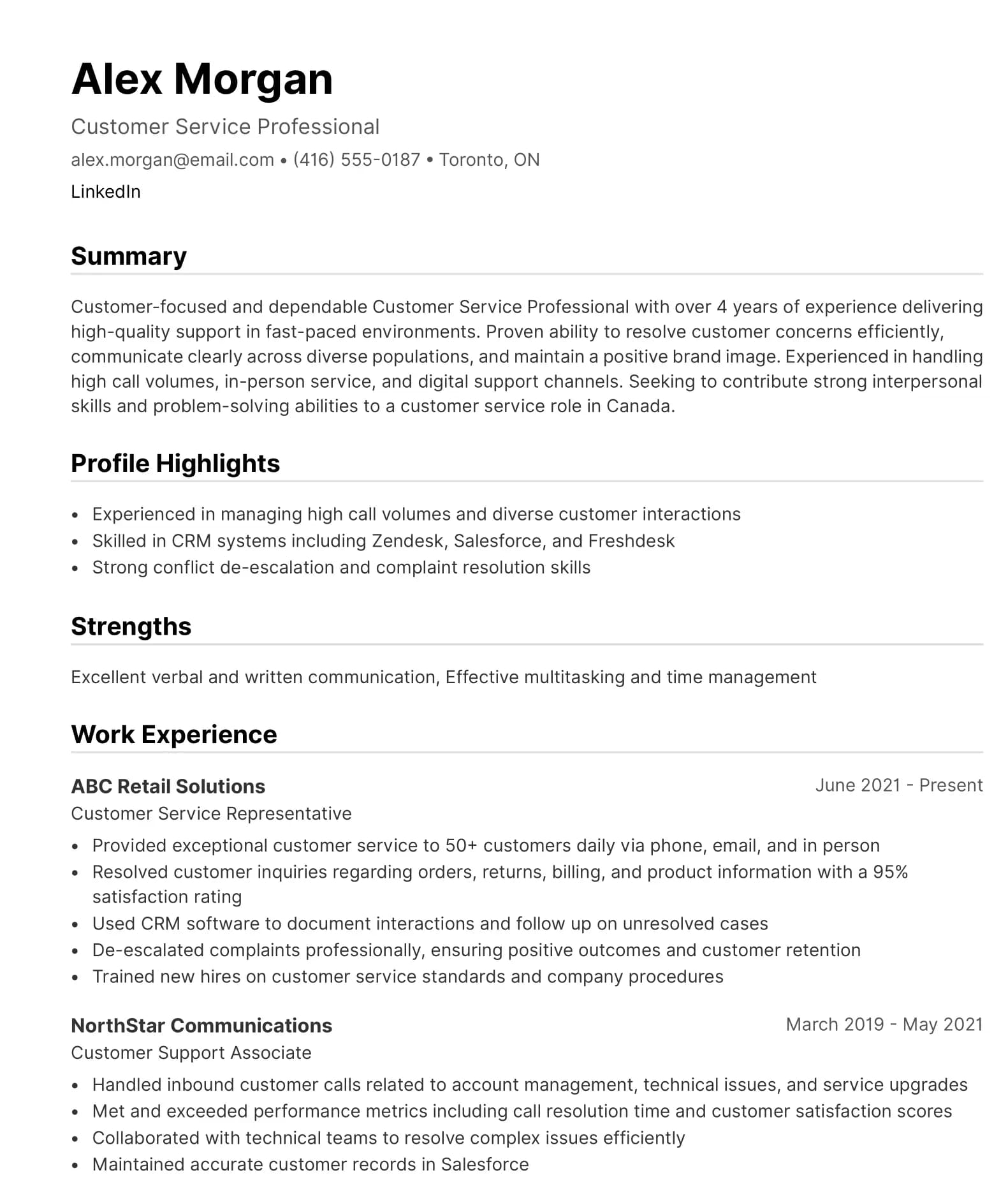
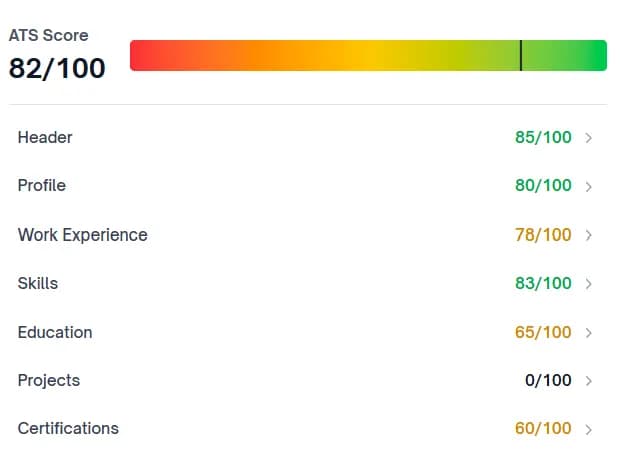
Reevaluation does not mean immediate replacement. It starts by identifying where breakdowns occur and whether current tools support cohort-based delivery. Use the ATS evaluation tool below to assess consistency, reviewability, and ATS compatibility without switching tools immediately.
ATS-Optimized resumes That Meet Employer Standards
Our AI-powered scoring system helps organizations assess and standardize resume quality at scale. ATS-compliant templates support consistent formatting, keyword alignment, and interview readiness across cohorts.
About the Author

Team Yotru
Employability Systems
Team Yotru
Employability Systems
We build practical career tools for training providers and workforce programs, combining labor market insights with real employment outcomes. Follow us on LinkedIn.
Frequently Asked Questions
Resume outcomes for training providers refer to how effectively learner resumes lead to interviews, placements, and employment. They are increasingly used as indicators of program quality and employability impact rather than individual effort alone.
Related Resources
Continue exploring related perspectives on career development, hiring trends, and workforce change.
Market and Research
- Hiring Trends in the UK— UK job market outlook examining sectors hiring international workers, language requirements, and skilled migration pathways.
- Hiring Trends in Ireland— Ireland job market guide for international professionals, including tech sector demand and English-language opportunities.
- Hiring Trends in the United States— U.S. labor market conditions showing easing demand and persistent sectoral shortages.
- Hiring Trends in Canada — Canadian labor market outlook examining regional variations and skill requirements.
- Why It Feels So Hard to Get a Job Right Now— Research-backed explanation of current hiring dynamics and employer selectivity.
Resume Building and Optimization
- 7 of the best Resume Traits— Make a resume stand out to both hiring managers and ATS
Audience Context
This article is written for training providers, colleges, and adult education leaders responsible for learner employability outcomes. Many are under pressure to demonstrate job results and employer confidence while managing large cohorts with limited staff time.
Research Methodology
Insights are based on analysis of hiring trends, applicant tracking system behavior, recruiter screening patterns, and employability reporting practices observed across education and workforce programs. The approach prioritizes real world outcomes over theory and reflects how resumes are evaluated in practice.
Editorial Policy
This content follows an evidence-based editorial process focused on accuracy, neutrality, and clarity. Claims are grounded in observed hiring behavior and labor market research, with human review applied to ensure balanced and practical guidance.
Disclaimer
This article is for informational and educational purposes only. It does not guarantee employment outcomes or funding results. Hiring practices and employability metrics vary by employer, program, and jurisdiction.
Further Insights
Employability Systems and Outcomes
- How ATS Screening Affects Education Programs – Explains how automated screening impacts learner progression and reported outcomes.
- Why Resume Standardization Improves Employer Trust – Shows how consistent CV quality influences recruiter confidence.
Resume Quality and Structure
- Minimalist Resume Design for Education Programs – Explores why simple formatting scales better across cohorts.
- Skills Based Resumes in Modern Hiring – Connects curriculum outcomes to employer expectations.
References
- National Association of Colleges and Employers. (2024). Job Outlook 2024. https://www.naceweb.org
- Society for Human Resource Management. (2023). Applicant Tracking Systems Overview. https://www.shrm.org
- OECD. (2023). Education and Employment Outcomes. https://www.oecd.org
- UK Department for Education. (2024). Post‑16 Skills and Outcomes Framework. https://www.gov.uk
- Office for National Statistics. (2025). Labour market overview, UK. https://www.ons.gov.uk
- Gatsby Charitable Foundation. (2014). Good career guidance. https://www.gatsby.org.uk
- Quality Assurance Agency for Higher Education. (2022). Enterprise and entrepreneurship education: Guidance for UK higher education providers. https://www.qaa.ac.uk
- Careers & Enterprise Company. (2022). Achieving Gatsby Benchmarks: Employer engagement and careers outcomes. https://www.careersandenterprise.co.uk
- Office for Students. (2023). Graduate employment and skills: Outcomes and measures. https://www.officeforstudents.org.uk
Maintained by: Labor Intelligence Group at Yotru
Review cycle: Monitored as market conditions evolve
Last updated: March 6, 2026
Questions or Need Support?
If you are working on employability programs, hiring strategy, career education, or workforce outcomes and want practical guidance, you are in the right place.
Yotru supports individuals and organizations navigating real hiring systems. That includes resumes and ATS screening, career readiness, program design, evidence collection, and alignment with employer expectations. We work across education, training, public sector, and industry to turn guidance into outcomes that actually hold up in practice.