Canada Salary Guide · 2026

Heavy Equipment Operator Salary in Toronto, ON (2026)

Last updated:

This page covers what Heavy Equipment Operators earn across experience levels in Toronto, ON, drawing on data from Job Bank, Glassdoor, PayScale, and SalaryExpert updated through early 2026. It is intended for tradespeople benchmarking their pay, newcomers navigating Canadian credential and union requirements, and out-of-province applicants weighing a move to the GTA. Ranges vary because of unionization status, equipment class, employer type (municipal vs. private vs. infrastructure contractor), and whether overtime and shift premiums are included.

Entry Level
$46K - $62K CAD
0-2 yrs, single equipment class, no Red Seal
Mid-Career
$62K - $78K CAD
3-7 yrs, multi-equipment certified, safety tickets current
Senior
$78K - $92K CAD
8-14 yrs, crew lead capacity, union scale or project-rate work
Lead / Foreman
$92K - $103K+ CAD
15+ yrs, supervisory scope, specialized equipment or infrastructure projects

HEAVY EQUIPMENT OPERATOR SALARY RANGES IN TORONTO, ON - 2026

Entry Level
$46K - $62K CAD
Mid-Career
$62K - $78K CAD
Senior
$78K - $92K CAD
Lead / Foreman
$92K - $103K+ CAD
Source: Job Bank Canada (NOC 73400, Nov 2025), Glassdoor Toronto (Feb 2026), SalaryExpert Toronto (2026), PayScale Toronto (2025). Base salary only; excludes overtime, bonuses, union benefits, and shift premiums.

What does a Heavy Equipment Operator earn at each level in Toronto?

Pay climbs steadily with equipment certifications, union affiliation, and the complexity of projects you can take on.

Entry Level

$46K - $62K CAD

New operators typically handle a single equipment class (excavator or skid-steer) on residential or light civil sites, with pay near the provincial minimum union scale.

How to move up

  • Complete a second equipment endorsement - loader or grader certification adds immediate value
  • Obtain Working at Heights and Confined Space tickets required by most GTA general contractors
  • Join IUOE Local 793 apprenticeship program to access union wage progressions
Rewrite your resume around production impact →

Mid-Career

$62K - $78K CAD

Operators at this tier handle multiple machine types across municipal, transit, or commercial construction sites and often work project-rate or shift-premium schedules.

How to move up

  • Pursue Red Seal endorsement (Construction Craft Worker or Operating Engineer trade) to qualify for inter-provincial and federal projects
  • Log documented crane or specialty equipment hours to qualify for higher-rated equipment classes
  • Target infrastructure or transit contractors (Metrolinx, municipal utilities) where union scale and overtime push total compensation higher
Rewrite your resume around production impact →

Senior

$78K - $92K CAD

Senior operators bring crew-lead capacity, site safety accountability, and the ability to operate high-value equipment such as cranes, pile drivers, or tunnel boring support machinery.

How to move up

  • Obtain a crane operator certification (Ontario College of Trades - now TSSA) to access the highest equipment class rates
  • Build estimating or scheduling exposure to move into a foreman or site supervisor track
  • Negotiate project-rate contracts on large infrastructure jobs where daily rates exceed union scale
Rewrite your resume around production impact →

Lead / Foreman

$92K - $103K+ CAD

Leads and foremen combine hands-on operation with scheduling, safety sign-off, and subcontractor coordination on large civil or transit infrastructure projects.

How to move up

  • Pursue a construction management diploma or PMP credential to transition into project management compensation bands
  • Negotiate annual salary contracts rather than hourly rates to capture planning and off-site work time
  • Target federal infrastructure programs where prevailing-wage schedules and project bonuses apply
Rewrite your resume around production impact →

Stuck below the mid-market rate?

Many experienced operators plateau because their resume lists job duties rather than equipment classes, tonnage handled, and project values - the exact signals hiring managers and union halls use to slot candidates. A single equipment upgrade or safety credential can shift your positioning by one full pay band.

  • List every equipment class and rated capacity you are certified on - not just job titles
  • Quantify project scale: total contract value, cubic metres moved, or timeline delivered
  • Confirm all safety tickets are current - WHMIS, Working at Heights, First Aid, and any site-specific requirements
  • If non-union, research the IUOE Local 793 or Laborers International Union scale for your equipment class and use it as a floor in negotiations
  • Get your resume reviewed against ATS filters before applying to large general contractors and municipal employers
  • Request a formal wage review if you have not had one in 18 months and have added certifications since hiring

Turn your certifications and project history into top-of-band language

Operators who clearly document equipment classes, safety credentials, and project scale on their resume consistently land interviews at the higher end of the pay range. Yotru's resume optimizer aligns your experience to the signals that ATS systems and hiring managers prioritize.

What drives Heavy Equipment Operator salaries higher in Toronto

Higher-paying candidates typically show:

  • Equipment class and rated capacity: crane, pile driver, and tunnel support operators command significantly higher rates than standard excavator or loader roles - often $10-$15/hr more
  • Union affiliation: IUOE Local 793 collective agreements set progressive wage scales with benefit packages that non-union offers rarely match at entry and mid levels
  • Red Seal endorsement: inter-provincial credential recognition opens federal project bids and out-of-province postings that carry prevailing-wage premiums
  • Safety ticket portfolio: sites governed by Ontario Regulation 213/91 require specific tickets (Working at Heights, Confined Space, Elevated Work Platform); gaps in tickets cost operators shift opportunities
  • Employer type: municipal and transit infrastructure employers (City of Toronto, Metrolinx, utility contractors) pay higher base rates than residential or small commercial contractors
  • Project complexity and scale: large civil infrastructure jobs (tunnels, expressways, transit lines) carry project-rate supplements and overtime that can add 20-35% to annual base
  • Shift and premium work: night shift, weekend, and remote-site premiums on utility and transit projects materially increase total annual earnings

Heavy Equipment Operator salaries by Canadian city

Toronto, ON

$56K - $103K CAD

The largest construction market in Canada, driven by transit expansion (Eglinton Crosstown, Ontario Line), highrise residential, and municipal infrastructure; IUOE Local 793 sets the union floor.

Vancouver, BC

$62K - $94K CAD

Glassdoor data (Dec 2025) shows a median near $72K with a top-decile of $94K; the Broadway SkyTrain extension and port infrastructure projects sustain strong demand, though high housing costs compress real wages.

Calgary, AB

$65K - $110K CAD

Alberta's oil-sands and pipeline sector pulls experienced operators toward Fort McMurray-adjacent projects at $112K-$157K, while urban Calgary roles sit in the $65K-$85K range with lower union density.

Ottawa, ON

$58K - $90K CAD

Federal government infrastructure programs and the Trillium LRT expansion support steady demand; IUOE Local 793 coverage extends here, and federal prevailing-wage rules apply on qualifying projects.

Montreal, QC

$59K - $97K CAD

Glassdoor (Sep 2025) places the Montreal median at ~$70K with a 90th percentile near $97K; French-language requirements (Bill 101 for site communication) are a practical barrier for anglophone or newcomer applicants.

Halifax, NS

$52K - $80K CAD

A smaller market with fewer mega-projects; demand is tied to port expansion, federal shipbuilding contracts, and municipal road work, with pay generally 10-15% below Ontario urban centres.

Toronto offers the highest volume of posted roles and the most active union infrastructure for Heavy Equipment Operators in Canada, making it the strongest market for building a career with progressive wage steps. Operators considering Vancouver or Calgary should weigh Alberta's higher top-end rates against lower housing costs outside the city core, while noting that interprovincial Red Seal recognition makes lateral moves feasible. Newcomers and out-of-province applicants targeting Toronto should confirm that foreign or U.S. credentials are assessed through the Ontario College of Trades (now administered under TSSA for certain trades) before accepting a non-union offer, as starting in a lower pay band without a pathway to union scale is a common wage stagnation trap. Montreal is a viable market for bilingual operators but presents a meaningful language barrier for those without functional French. For operators open to short-term project work, Fort McMurray-adjacent Alberta sites pay the highest all-in rates in Canada and typically provide camp accommodation, partially offsetting the high cost of remote living.

Overtime, shift premiums, and benefits

Base salary figures on this page exclude overtime, shift differentials, and union benefit packages. On active construction sites in the GTA, overtime and weekend premiums can add $10,000-$20,000 to annual base pay. Union members also receive pension, extended health, and tool allowances not captured in posted salary data.

Red Seal and Ontario trades licensing

Heavy Equipment Operator is not a compulsory Red Seal trade in Ontario, but holding the endorsement signals cross-provincial competency and is increasingly required on federally funded infrastructure projects. Operators holding U.S. or international credentials should contact the Ontario College of Trades (TSSA) for prior learning assessment before applying to union positions. Processing times and fees vary; budget 60-90 days.

Newcomers and workers without Canadian experience

Employers and union halls in Ontario generally require documented Canadian work history or a credential assessment for foreign-trained operators. Newcomers should contact the Centre for Immigrant and Community Services or IUOE Local 793's apprenticeship intake for guidance on bridging programs. Language barriers and unfamiliarity with Ontario-specific safety regulations (Ontario Regulation 213/91) are the most commonly cited obstacles to initial placement.

Before your next Heavy Equipment Operator negotiation in Toronto

Run through this list before submitting an application or walking into a wage review.

  • List every equipment class you operate with rated tonnage or capacity - excavator size class, crane type, loader model
  • Confirm all mandatory safety tickets are current: WHMIS 2015, Working at Heights (Ontario), First Aid Level C
  • Research the current IUOE Local 793 collective agreement wage schedule for your equipment class and experience tier
  • Document project scale on your resume: contract value, cubic metres moved, crew size supervised, or project duration
  • If applying non-union, obtain two or three union-scale job postings and use them as your salary floor reference in negotiation
  • Ask specifically whether the posted rate is base only or includes shift premiums, and request the all-in range in writing
  • For newcomers: obtain a credential assessment letter from TSSA or the relevant Ontario authority before the interview
  • Request a written offer that itemizes base rate, overtime structure, and benefit package separately so you can compare total compensation accurately

How Yotru helps you reach top-of-band offers

  • Rewrites your experience around deployment, systems, and measurable outcomes — the signals hiring managers actually pay for.
  • Formats your resume to pass ATS filters at top-paying companies in Toronto, Vancouver, and remote-first teams.
  • Turns "trained a model" into "reduced inference latency 40%" — the language that puts you in the upper band, not the lower one.
  • Takes 5 minutes. No blank-page anxiety, no guessing what to cut.

Turn Your resume Into Top-of-Band Evidence

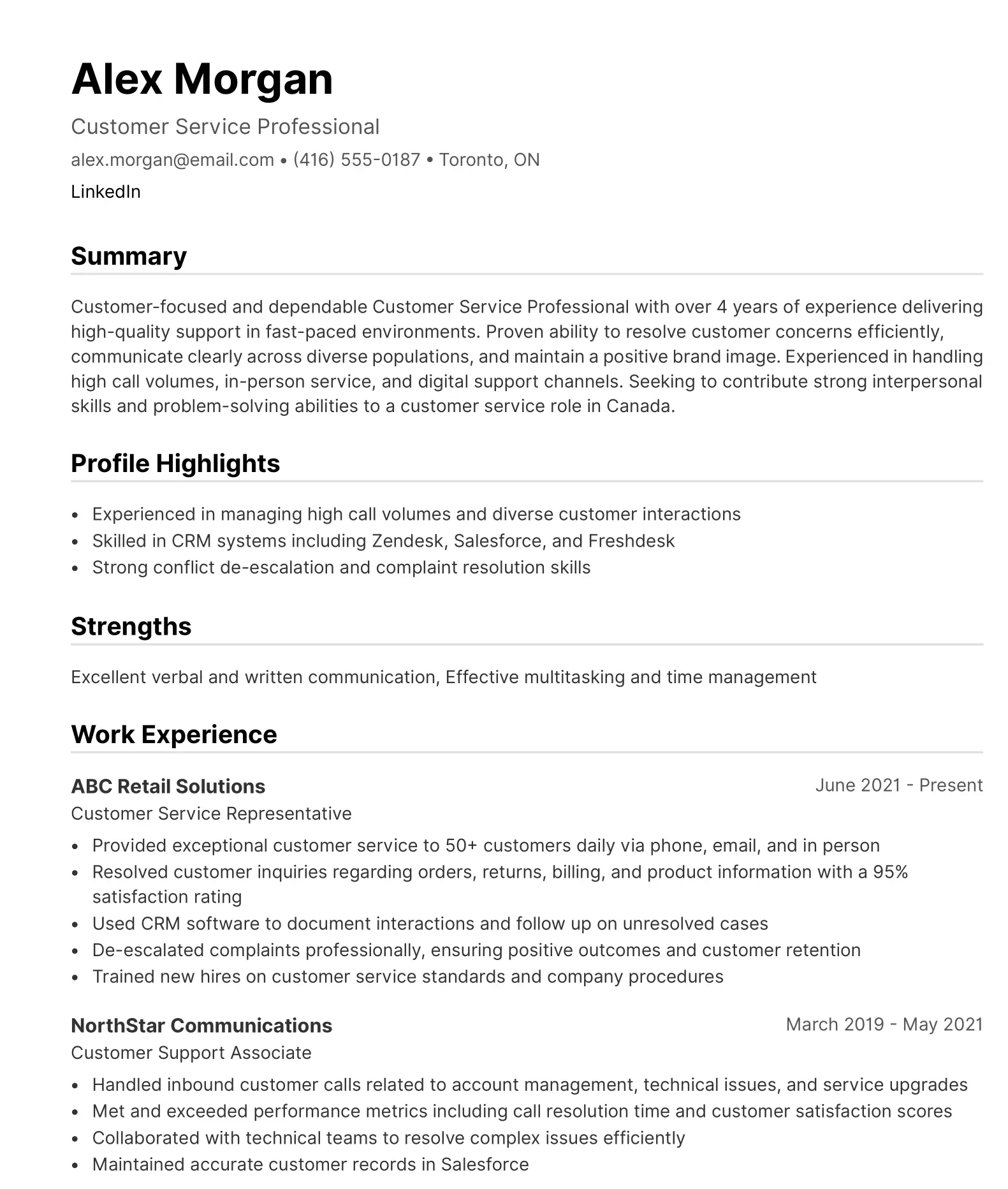
Get ATS-optimized feedback and role-specific language upgrades that map your experience to salary-driving outcomes: ownership, impact, and delivery at scale.

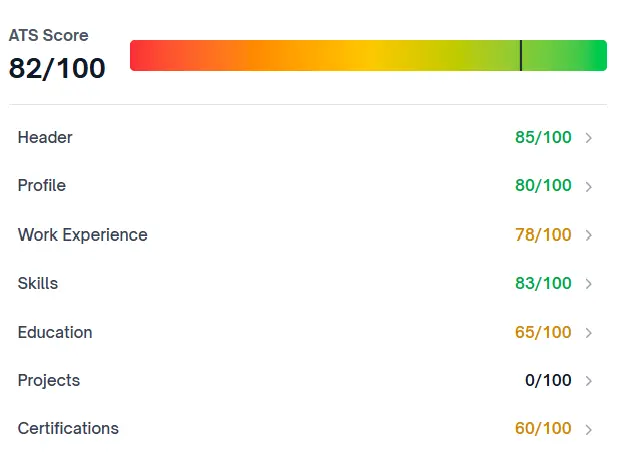
resume templateATS score overlay

Common Questions

Answers to the most common questions about Heavy Equipment Operator compensation in Toronto, ON.

How much does a Heavy Equipment Operator make in Toronto in 2026?

Based on data from Glassdoor (Feb 2026), the typical range in Toronto is approximately $56,000 to $103,000 CAD per year, with a median near $69,000-$76,000 CAD. Figures reflect base salary only and exclude overtime, shift premiums, and union benefit packages. Actual pay varies significantly by equipment class, union status, and employer type.

What is the hourly rate for a Heavy Equipment Operator in Ontario?

Job Bank Canada (NOC 73400, updated November 2025) reports an Ontario hourly range of $23.63 to $47.70 per hour. PayScale data from 2025 places the Toronto average near $34.82/hr. Higher rates typically reflect union scale, crane or specialty equipment certification, and night or weekend shift premiums.

Do Heavy Equipment Operators need a Red Seal in Ontario?

Heavy Equipment Operator is not a compulsory Red Seal trade in Ontario, meaning you can legally work without it. However, the Red Seal endorsement is increasingly required on federally funded infrastructure projects and signals interprovincial competency, which can improve wage negotiating position. Operators should confirm current requirements with TSSA and the Ontario College of Trades successor body.

How does union membership affect Heavy Equipment Operator pay in Toronto?

IUOE Local 793 collective agreements set progressive wage scales by equipment class and experience tier, typically with benefit packages (pension, extended health, tool allowances) that non-union offers rarely replicate. Non-union roles may post similar base rates but often lack the overtime guarantee, benefit value, and wage escalation structure of a union contract.

Can newcomers or internationally trained operators work as Heavy Equipment Operators in Toronto?

Yes, but foreign credentials generally require assessment before union placement. Operators trained outside Canada should contact TSSA (for regulated equipment such as cranes) and IUOE Local 793's apprenticeship intake to understand bridging options. Language barriers and unfamiliarity with Ontario-specific safety regulations (Ontario Regulation 213/91) are commonly cited challenges during the initial placement process.

Which Canadian city pays Heavy Equipment Operators the most?

Alberta, particularly Fort McMurray and surrounding oil-sands and pipeline sites, consistently reports the highest all-in compensation, with some experienced operators earning $112,000 to $157,000 CAD annually including shift and camp premiums. For urban roles without remote-site supplements, Calgary, Vancouver, and Toronto are broadly comparable at the senior level, though Alberta's lower income tax rate increases net take-home pay.

What certifications increase Heavy Equipment Operator pay in Toronto?

Crane operator certification (administered by TSSA in Ontario), Red Seal endorsement, and a complete safety ticket portfolio (Working at Heights, Confined Space, First Aid) are the credentials most associated with higher pay bands. Multi-equipment certification - qualifying on excavator, loader, grader, and paving equipment - broadens project eligibility and strengthens the case for top-of-band rates.

Is the job market for Heavy Equipment Operators in Toronto good in 2026?

Transit expansion programs (Ontario Line, Eglinton Crosstown extensions) and ongoing municipal infrastructure renewal sustain demand in the GTA. We cannot make firm claims about individual hiring outcomes, but Job Bank Canada classifies the national outlook for NOC 73400 as balanced to moderate demand. Applicants should consult the Job Bank and Ontario Ministry of Labour resources for the most current occupational projections.

Explore salary benchmarks for other skilled trades and transportation roles in the GTA to compare compensation across the construction and logistics sectors.

Job titleEntry LevelMid-CareerExperiencedSenior / Specialized
Construction Labourer$36K - $46K CAD$46K - $62K CAD$62K - $74K CAD$74K - $85K CAD
Truck Driver$44K - $57K CAD$57K - $78K CAD$78K - $95K CAD$95K - $115K+ CAD
Welder$42K - $55K CAD$55K - $72K CAD$72K - $83K CAD$83K - $90K+ CAD
Electrician$42K - $68K CAD$68K - $90K CAD$85K - $105K CAD$95K - $110K+ CAD
Plumber$36K - $52K CAD$60K - $80K CAD$78K - $95K CAD$88K - $105K CAD
HVAC Technician$45,000 - $58,000 CAD$58,000 - $78,000 CAD$78,000 - $95,000 CAD$95,000 - $107,000 CAD
Warehouse Worker$33,000 - $40,000 CAD$40,000 - $48,000 CAD$48,000 - $57,000 CAD$57,000 - $66,000 CAD

Sources and methodology

Salary ranges on this page were compiled from Canadian federal wage data (Job Bank NOC 73400), employer-reported and employee-submitted survey aggregates (Glassdoor, PayScale, SalaryExpert), and supplementary market data. Where sources diverged, ranges were cross-referenced and conservative midpoints were used; outliers from platforms reporting U.S.-market data were excluded.

What Heavy Equipment Operators in Toronto are actually saying

Themes drawn from operator discussions on Reddit, Glassdoor reviews, and LinkedIn community posts, reflecting sentiment from late 2024 through early 2026.

Reddit · r/OperatingEngineers
Local 793 scale is the floor - anything below that and you are leaving serious money on the table

Reflects the strong view among union-side operators that collective agreement rates set the true market floor in Ontario, and that non-union comparisons often undercount total compensation.

Glassdoor · Toronto employer reviews
The overtime on transit projects more than makes up for the base rate looking low on paper

Points to a consistent theme in Toronto reviews: infrastructure and transit projects add substantial overtime and premium pay that published base-salary averages do not capture.

Reddit · r/ImmigrationCanada
Got my foreign operator experience assessed but still needed WHMIS and Working at Heights before anyone would put me on site

Highlights the practical credential gap newcomers face even after formal assessment - Ontario site-specific safety tickets are non-negotiable for most GTA general contractors regardless of international experience.

LinkedIn · Trades and construction community
Red Seal opened the door to the federal contract side - the prevailing wage bump was immediate

Illustrates how Red Seal endorsement can shift an operator from provincial to federal project eligibility, where prevailing-wage schedules often exceed standard union scale.

Reddit · r/PersonalFinanceCanada
Running a crane versus an excavator is literally a different pay grade - same site, different cheque

Captures the equipment-class pay differential that many salary surveys flatten into a single average, reinforcing why listing specific equipment certifications on a resume matters for negotiation.

Companies actively hiring Heavy Equipment Operators in Toronto right now

EllisDon · PCL Constructors · Graham Construction · Aecon Group · Kiewit Infrastructure · Miller Group · Bird Construction · City of Toronto · Metrolinx (contract roles) · Dufferin Construction · Maple Reinders · McAsphalt Industries

Data note: All salary figures on this page are approximate estimates expressed in Canadian dollars (CAD) and reflect publicly available aggregate data from Job Bank Canada, Glassdoor, PayScale, and SalaryExpert collected between late 2024 and early 2026. Figures represent base salary only and exclude overtime pay, shift premiums, union benefit packages, pension contributions, tool allowances, and other non-wage compensation. Individual compensation depends on employer, equipment class, union status, certifications, geographic location within the GTA, and prevailing project conditions. Data recency varies by source; Job Bank figures were last updated November 19, 2025. This page does not constitute employment, legal, or financial advice. Salary ranges should be used for general benchmarking only, and readers are encouraged to consult official provincial and federal sources for current wage guidance.