

Market
7 min read
X Layoffs Explained: Which Employees Were Affected, Why They Were Fired, and What to Do Next
Synopsis
X (formerly Twitter) cut nearly 80% of its workforce after Elon Musk's acquisition. Here's a full breakdown of who was affected, why, and how to rebuild your career.
What Happened at X (Formerly Twitter)?
When Elon Musk completed his $44 billion acquisition of Twitter in late 2022 and rebranded it as X, the company underwent one of the most dramatic corporate restructurings in modern tech history. After the acquisition, nearly 80% of X's workforce was laid off. The platform went from roughly 7,500 employees to a skeleton crew almost overnight, and the fallout from those decisions is still reverberating in courtrooms and careers years later.
Musk's vision for X required significant cost-cutting measures due to a reported $3 billion negative cash flow at the time of his takeover, and the layoffs were swift and extensive, with Musk reducing the workforce from around 8,000 employees to approximately 1,500 by April 2023.
More recently, X conducted another round of layoffs in February 2026, affecting 1,500 employees, with moderation and admin staff among those impacted.
Key Insight
Being laid off from X or any major tech company is not a reflection of your ability. It is a reflection of a company restructuring around cost-cutting, automation, or a complete change in business strategy.
Which Employees Were Affected by X Layoffs?
The cuts were neither random nor uniform. Specific teams, demographics, and roles bore the brunt far more heavily than others.
By Department
Employees from departments including ethical AI, marketing and communications, search, public policy, wellness, and curation teams were among those let go in the initial waves. The curation team, which helped surface reliable information about elections and breaking news, was eliminated. Trust and safety was not spared either: overall headcount was cut by roughly 50%, and the layoffs eliminated 15% of the company's trust and safety team.
By Gender
The layoffs disproportionately affected women, with 57% of female employees being let go compared to 47% of male employees. This gender gap was particularly evident in engineering roles, where 63% of women lost their jobs, compared to 48% of men in similar positions.
By Age
According to a lawsuit filed by a former employee, 60% of those laid off were aged 50 or older, and nearly three-quarters of employees over 60 were affected, compared to 54% of employees under the age of 50. This raised significant concerns about age discrimination.
By Geography
The majority of X's laid-off employees, about 74%, remain in North America. Meanwhile, 14% of former employees are based across Europe and Africa, and 11% of the laid-off workforce is currently located in Asia.
| X Layoff Breakdown by Group | ||
|---|---|---|
| Group | % Affected | Notes |
| Female employees | 57% | Higher rate than 47% for male workers |
| Women in engineering | 63% | Vs. 48% for men in similar roles |
| Workers aged 50+ | 60% | Per lawsuit data |
| Workers aged 60+ | 75% | Highest impact group |
| North America-based | 74% | Of all laid-off workers |
Why Were They Fired? The Official and Unofficial Reasons
Musk justified the layoffs by arguing that many roles at Twitter were redundant, with "a lot of people doing things that didn't seem to have a lot of value," and pushed forward claiming that the layoffs were necessary to rightsize and save the company from financial ruin.
The stated reasons broke down into a few clear categories:
- 1Cost reduction: X needed to service massive debt taken on through the $44 billion acquisition, and cutting payroll was the fastest path to reducing burn.
- 2Redundancy elimination: Musk argued that many teams duplicated work or performed low-value tasks.
- 3Platform consolidation: The most recent 2026 round of cuts specifically cited platform consolidation as the driver.
- 4Revenue pressure: Musk framed the sweeping layoffs as necessary for a company experiencing "revenue challenges," noting that a number of major advertisers had stopped spending on Twitter in the days since the acquisition was completed.
Important
X (Twitter) also cut much of its public relations department in the initial layoffs, which meant affected employees often had no official point of contact for questions about their severance or final payments.
The Legal Fallout: Severance, Lawsuits, and Settlements
The layoffs did not end with the termination notices. A wave of legal action followed almost immediately.
Former employees alleged the company targeted them based on race, sex, age, or disability, or withheld their severance payments. Other suits claimed X skipped legally required advance notice of their firings.
Attorney Shannon Liss-Riordan filed four proposed class action lawsuits against Twitter on behalf of employees affected by layoffs, with claims including that Twitter backtracked on promises to allow remote work and consistent severance benefits, as well as allegations related to disability and gender-based discrimination.
In late 2022, X Corp, previously known as Twitter, conducted a mass layoff of thousands of employees after Musk acquired the company, and in doing so, Musk attempted to deprive thousands of employees of the severance packages they were entitled to, which led to X being sued by thousands of former employees.
In August 2025, a tentative settlement of $500 million was offered to former employees. Separately, X tentatively settled a lawsuit with 70 former Twitter employees who alleged the company broke severance and remote work promises following Elon Musk's acquisition and rebranding of the platform.
Pro Tip
If you were laid off from X or any company and believe your severance or contractual rights were not honored, consult an employment attorney. Many offer free initial consultations and work on contingency for wrongful termination or unpaid severance claims.
Where Did Former X Employees Go?
For all the disruption, many former Twitter and X employees landed on their feet. Former Twitter employees transitioned to leading tech companies like TikTok, Reddit, and Google, with many moving into senior and executive roles.
The aftermath of the Twitter layoffs left a lasting impact on the tech industry. While Musk's drastic measures may have saved the company from its financial woes, they also redistributed a wealth of talent across other tech companies. Companies like TikTok, Reddit, and Google benefited significantly from acquiring experienced professionals who bring valuable insights and skills from their time at Twitter.
This is an important lesson for anyone facing a layoff right now: your skills and experience have value that travels with you, regardless of what happens to the company you worked for.
X Layoffs in Context: A Broader Tech Reckoning
X is not a unique story. The layoffs there helped set the tone for a wider wave of workforce reductions across the technology sector.
The tech industry shed 55,775 jobs across 166 companies in the first 74 days of 2026. If the current pace holds, total cuts could reach 264,730 by December, surpassing 2025's 245,000 layoffs and making this the worst year for tech employment since the dot-com bust.
A major factor driving 2026 layoffs is the rapid adoption of artificial intelligence. Companies across every sector are experimenting with where AI fits into their workflows, often replacing roles in content creation, customer support, data entry, and basic coding tasks.
The roles disappearing fastest in 2026 paint a clear picture:
- Middle management layers being flattened across companies
- QA and manual testing roles replaced by AI-generated test suites
- Tier-1 customer support absorbed by chatbots and AI agents
- Content and marketing functions automated by AI tools
- Internal IT operations being outsourced or eliminated
While earlier rounds of layoffs tended to focus on operational and support roles, more recent cuts indicate that the shift is affecting a broader range of positions, including specialized and senior roles as organizations reorganize around AI-first strategies.
What's Being Cut
- Trust and safety teams
- Editorial and curation roles
- Public policy and comms
- Human recruiters
- Middle management layers
- Manual QA testers
What's Still Hiring
- AI and machine learning engineers
- Cybersecurity specialists
- Core product development
- Data scientists
- AI infrastructure roles
- Security researchers
What To Do If You've Been Laid Off From X or Any Tech Company
A layoff, especially an unexpected one, can feel destabilizing. Here is a practical sequence to follow in the days and weeks after you receive notice.
Step 1: Understand Your Rights and Severance
Before signing anything, know what you are entitled to. The WARN Act requires employers with over 100 employees to provide 60 days' advance written notice before a mass layoff affecting 50 or more employees at a single site. If you did not receive that notice, you may have legal standing. Review your severance agreement carefully and consider having an attorney look at it before signing, especially if it includes a release of claims.
Step 2: File for Unemployment Benefits
Apply for unemployment benefits as soon as possible. In most U.S. states, you can file online within a few days of separation. Benefits typically kick in after a short waiting period and can provide meaningful financial runway while you search.
Step 3: Update Your Resume for ATS
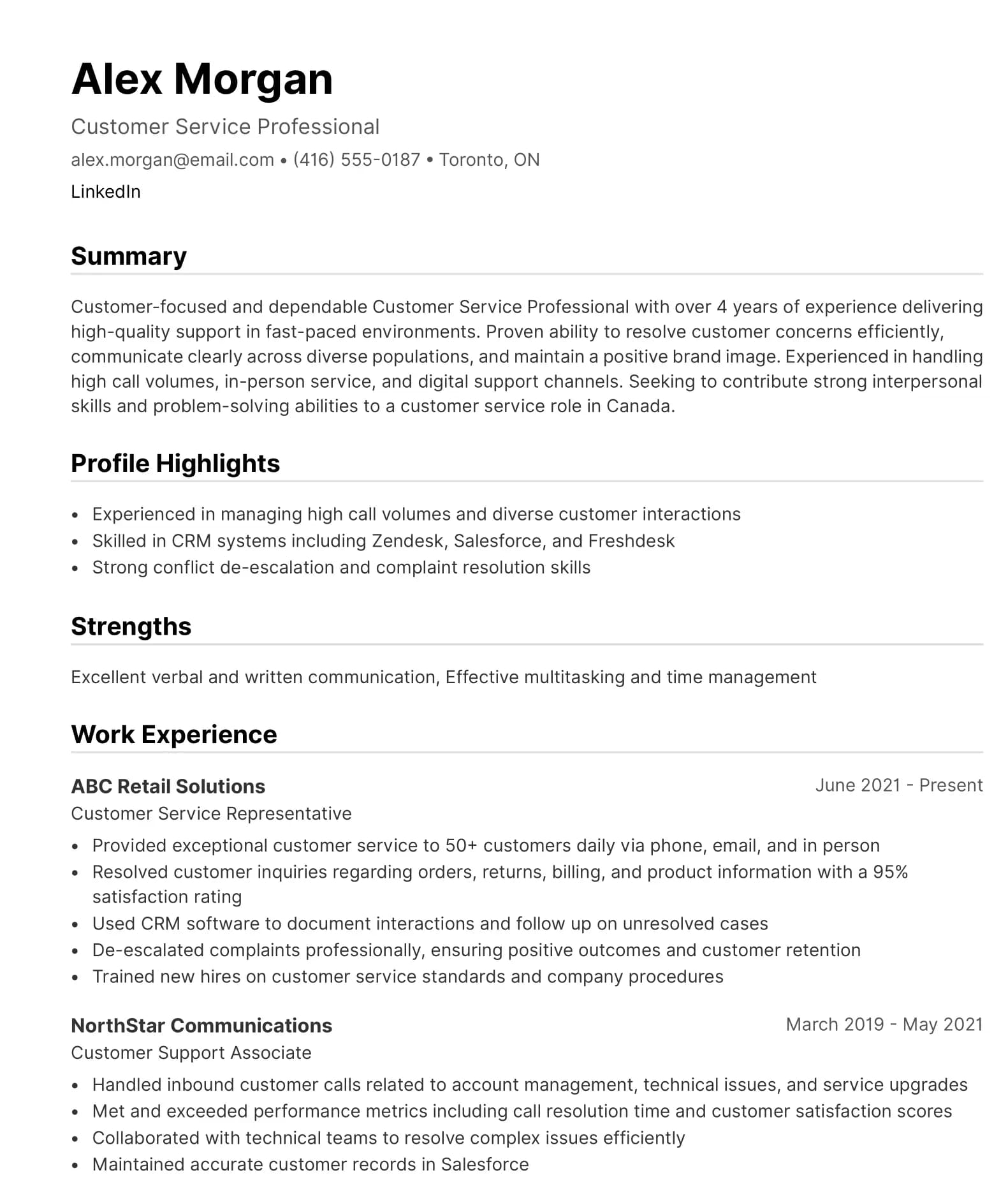
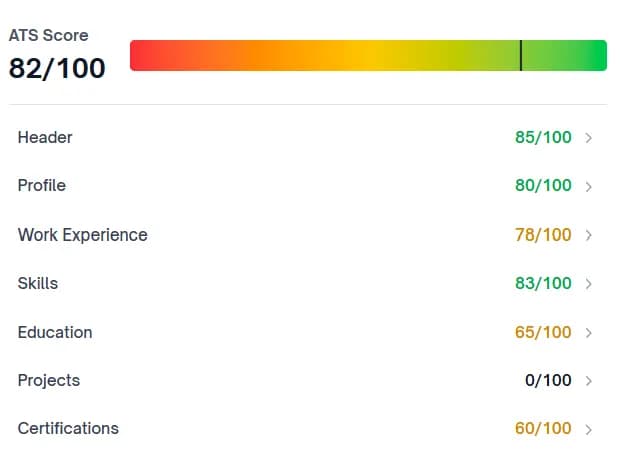
Job search timelines vary significantly based on role, seniority, location, and market conditions. On average, tech professionals report 2 to 4 months to land a new role, though senior positions may take longer. That time can be shortened significantly with a well-optimized resume. Most large employers now screen resumes through Applicant Tracking Systems (ATS) before a human ever sees them. A resume that is not formatted and keyworded correctly will be filtered out automatically.
ATS-Optimized resumes That Meet Employer Standards
Our AI-powered scoring system helps organizations assess and standardize resume quality at scale. ATS-compliant templates support consistent formatting, keyword alignment, and interview readiness across cohorts.
Step 4: Strengthen Your LinkedIn Profile
Recruiter outreach on LinkedIn spikes after high-profile layoffs. Update your headline, add your most recent accomplishments with quantified results, and set your profile to "Open to Work" (you can limit visibility to recruiters only if preferred).
Step 5: Tap Into the Laid-Off Community
Former Twitter and X employees formed active communities after the initial layoffs. Many organized job referral threads, skill-sharing groups, and peer networks. Seek out industry-specific Slack groups, LinkedIn communities, and Discord servers where laid-off professionals share leads and support.
Hint
Many companies actively recruit from high-profile layoff events. Reach out directly to hiring managers at companies you admire. A warm introduction or direct message explaining your background often works far better than an application in a system.
Building a Resume That Survives the Filter
One consistent finding from the X and broader tech layoffs: the professionals who landed new roles fastest were those who had a strong, targeted resume ready to go. Here is what that looks like in practice.
- 1Lead with impact, not duties. Instead of "Managed social media policy," write "Developed and enforced content policy framework reducing moderation escalations by 32%."
- 2Include role-specific keywords. Study job descriptions for roles you want and mirror the exact language used for skills and responsibilities.
- 3Quantify wherever possible. Numbers stand out in ATS scans and in human review: team sizes managed, budgets owned, growth metrics achieved.
- 4Keep formatting clean. Avoid tables, columns, headers/footers, and images inside the resume file itself. ATS systems often cannot parse these correctly.
- 5Tailor for each application. A generic resume will lose to a targeted one every time. Spend 15 minutes customizing the top third of your resume for each job.
The Bigger Picture: What X's Layoffs Taught the Tech Industry
Musk's drastic cost-cutting at X set a precedent for widespread layoffs across the tech industry, reshaping talent dynamics and organizational strategies. The model of running a major platform with a fraction of the previously assumed headcount has since been adopted, or at least cited, by executives across the sector.
In 2026, 55% of 1,000 U.S. hiring managers surveyed said they expect layoffs, and 44% anticipate that AI will be a top driver of layoffs.
For workers, that means the most durable career strategy is one built around adaptability: keeping skills current, maintaining an active professional network even when employed, and having your professional materials ready to deploy at any time.
Key Insight
The professionals who fare best in volatile job markets are not those who avoid layoffs. They are those who treat career readiness as an ongoing practice rather than a crisis response.
Many companies are simultaneously laying off workers in some departments while hiring in others, often cutting roles in areas like recruiting, marketing, or experimental projects while expanding teams in AI, security, and core product development. Even companies announcing layoffs frequently have open positions, so do not automatically exclude them from your job search.
SM
★★★★★
"After being laid off from a tech company, I was overwhelmed. Yotru helped me build an ATS-optimized resume in under an hour. I landed three interviews in my first week of applying."
Sarah M.
Former Trust & Safety Analyst, Tech Industry
Ready to Bounce Back From a Layoff?
Build a resume that gets past ATS filters and in front of real hiring managers.
Used by career services teams, training providers, and job seekers worldwide.
Final Word
The X layoffs were dramatic, legally contested, and in many cases deeply unfair to the individuals caught up in them. But they also produced a generation of experienced tech professionals who, by most accounts, went on to contribute meaningfully at companies across the industry. A layoff is a disruption, not a destination. The faster you move from processing to action, the better your outcome is likely to be.
About the Author

Zaki Usman
Co-Founder of Yotru
Zaki Usman
Co-Founder of Yotru
Zaki is co-founder of Yotru, working at the intersection of workforce development, education, and technology to build systems that deliver job-ready career support at scale.
Frequently Asked Questions
Common questions about X layoffs and what to do if you've been affected
After Elon Musk's acquisition of Twitter in late 2022 and the subsequent rebranding to X, nearly 80% of the workforce was laid off. The company went from approximately 7,500–8,000 employees to around 1,500–2,000. A further round of layoffs in February 2026 affected an additional 1,500 employees, primarily in moderation and administrative roles.
Related Resources
Authoritative external reading on X layoffs, tech workforce trends, and employment rights
News and Investigative Coverage
- Twitter Layoffs: Severance Pay and Employee Rights – CNN Business— CNN's in-depth reporting on how laid-off Twitter employees waited months for severance offers and the legal actions that followed.
- X Corp. Resists Twitter Layoff Battles as Legal Risks Spread – Bloomberg Law— Bloomberg Law's analysis of the multiple legal fronts X faces from former employees over alleged discrimination, severance, and WARN Act violations.
Industry Research and Workforce Data
- Tech Layoffs 2026: Full Tracker With Data – Medha Cloud— A live-updated tracker of every major tech layoff in 2026, including patterns by role, seniority, and the AI adoption drivers behind cuts.
- 2026 Tech Layoffs Tracker – InformationWeek— InformationWeek's ongoing coverage of 2026 tech layoffs, including Amazon, Meta, Block, and the macroeconomic and AI factors driving headcount reductions.
- X (Twitter) Employee Count: Salary and Trends 2026 – DemandSage— Comprehensive data on X's workforce before and after layoffs, including demographic breakdowns by age, gender, and geography.
About This Article
Context and editorial standards for this coverage of X layoffs and career transition guidance
Audience Context
This article is written for technology professionals, social media and content workers, and anyone currently navigating a layoff or concerned about job security in the tech sector. It directly addresses the documented waves of layoffs at X (formerly Twitter) while situating those events within the wider 2025–2026 tech workforce contraction. Readers range from recently displaced workers seeking immediate practical guidance to employed professionals monitoring industry trends and preparing contingency career plans. The article is especially relevant for those in roles that have historically been targeted in tech restructurings: trust and safety, editorial, customer support, marketing, and middle management.
Editorial Standards
All claims about workforce numbers, demographic impacts, and legal proceedings are sourced from published reporting by Bloomberg Law, CNN Business, Reuters, and employment analytics firms including DemandSage and Aura. No figures are presented without attribution to verifiable sources. The article avoids speculation about individual performance or character, presenting layoffs as organizational decisions shaped by financial, strategic, and technological factors rather than individual failings. Career advice sections are grounded in documented recruiter and hiring manager behavior rather than motivational generalizations.
Methodology
Insights in this article were developed through analysis of multiple layoff tracking datasets covering 2022 through 2026, cross-referenced with court filings, WARN Act notices, and investigative journalism from major outlets covering X Corp.'s legal battles. The career guidance sections draw on observed patterns from prior high-profile tech layoff cycles, including the broader post-pandemic correction and the 2023 mass tech restructurings. The demographic breakdown data reflects lawsuit filings and workforce analytics reported in the immediate aftermath of the layoffs, providing a data-grounded view of who was most affected and why.
Disclaimer
This article is for informational purposes only and does not constitute legal or financial advice. Employment law varies significantly by country, state, and individual employment contract. Settlement amounts, severance entitlements, and legal outcomes described reflect reported information at the time of writing and may have changed. Readers with specific concerns about their termination, severance, or legal rights should consult a qualified employment attorney in their jurisdiction. Job search timelines and outcomes cited reflect industry averages and individual results will vary based on role, location, experience, and market conditions.
Yotru Resume Examples
Yotru provides ATS-optimized resume templates and examples tailored for technology professionals, including those transitioning out of roles in content moderation, trust and safety, product management, software engineering, and marketing. Examples cover both individual contributor and management-level positions across major tech platforms.
References
This article draws on reporting from Bloomberg Law, CNN Business, Reuters, DemandSage workforce analytics, the Aura talent intelligence platform, InformationWeek's 2026 tech layoff tracker, California WARN Act filings analyzed by WARNTracker, and court documents related to X Corp. litigation. Layoff count data is sourced from Medha Cloud and SkillSyncer's live 2026 trackers, which aggregate publicly reported workforce reduction announcements across the technology sector.
Maintained by: Yotru Career Research and Development Team
Review cycle: Reviewed regularly to reflect market changes
Last updated: March 30, 2026
Questions or Need Support?
If you are working on employability programs, hiring strategy, career education, or workforce outcomes and want practical guidance, you are in the right place.
Yotru supports individuals and organizations navigating real hiring systems. That includes resumes and ATS screening, career readiness, program design, evidence collection, and alignment with employer expectations. We work across education, training, public sector, and industry to turn guidance into outcomes that actually hold up in practice.