
Market
14 min read
Hiring Trends in Bahrain for 2026: Low Unemployment, High Wages, Nationalisation Pressures
Synopsis
Bahrain’s 2026 labour market pairs low unemployment and high wages with heavy reliance on expatriate labour and a strong push to increase Bahraini participation.
Bahrain's 2026 labour market combines relatively low unemployment with high average wages by regional standards, a small but expanding workforce, and ambitious localisation efforts to raise Bahraini participation in a labour market where expatriates comprise roughly 80% of employment. Strong youth engagement in technology sectors coexists with persistent reliance on foreign workers across skill levels.
Disclaimer: This article provides a qualitative overview of hiring trends based on publicly available labour market statistics, economic forecasts, and institutional analysis. It is intended to support understanding and workforce planning rather than formal forecasting or statistical prediction. This assessment reflects conditions and projections as of late 2025; labour market outcomes may vary by region and evolve with economic or policy changes.
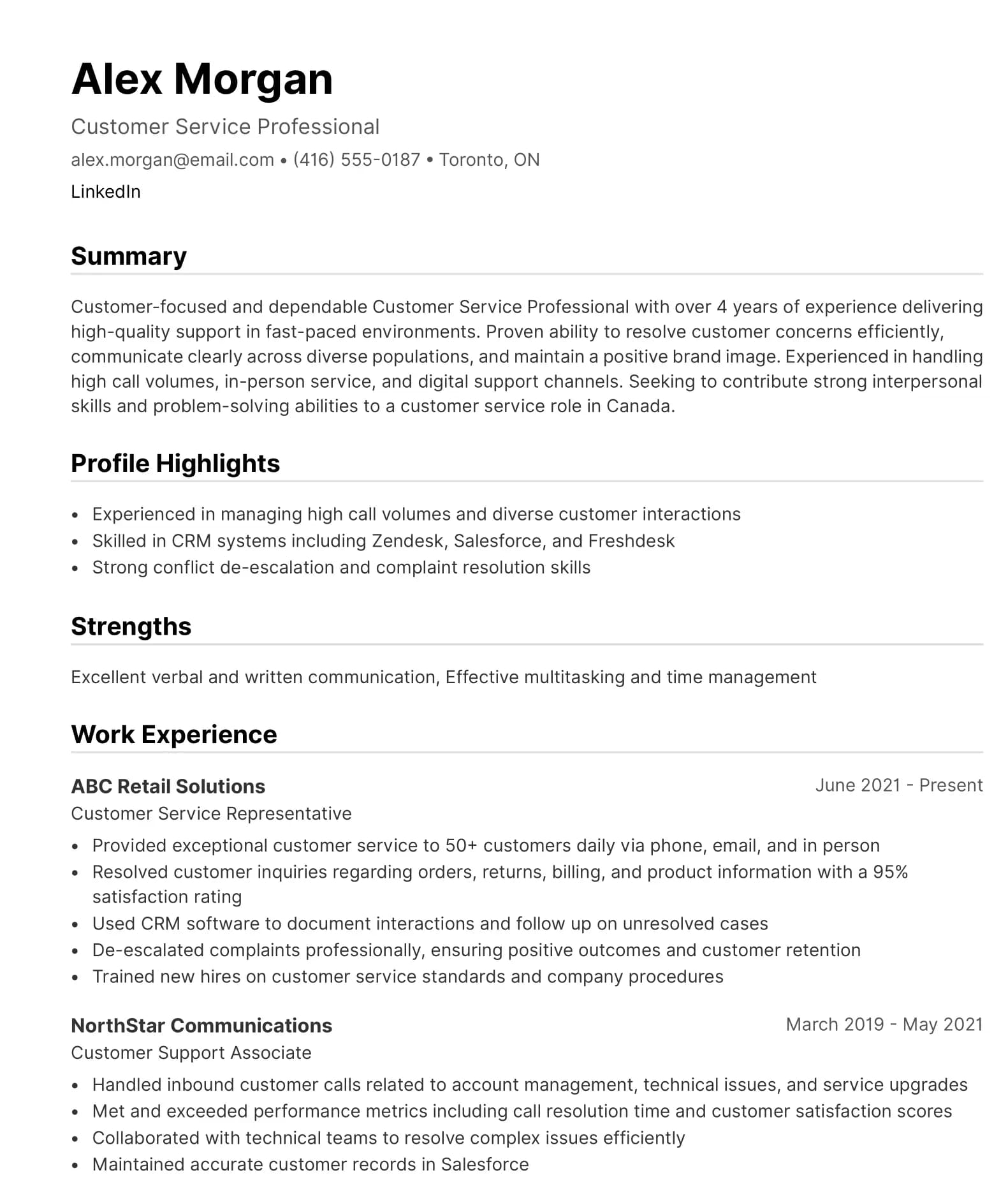
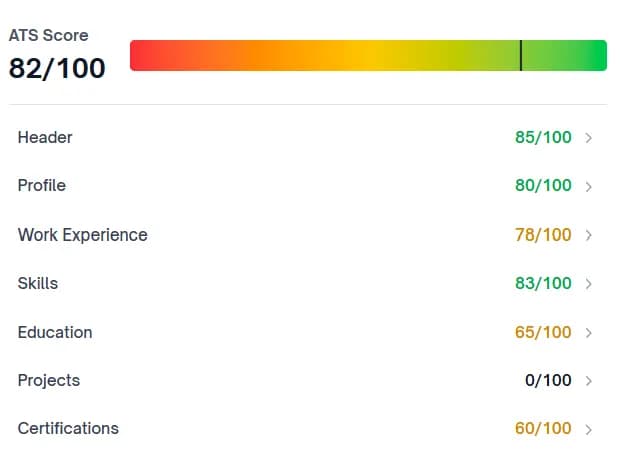
ATS-Optimized resumes That Meet Employer Standards
Our AI-powered scoring system helps organizations assess and standardize resume quality at scale. ATS-compliant templates support consistent formatting, keyword alignment, and interview readiness across cohorts.
A small, high-wage market balancing nationals and expatriates
Bahrain's labour market in 2026 operates with characteristics distinct from both advanced economies and larger developing markets. Official unemployment stands at approximately 6.1-6.3% based on 2023-2024 data, with projections suggesting potential decline towards 6.0% in 2025 and approximately 5.8% by 2026, representing roughly 70-72 thousand unemployed people in Bahrain's small labour force.
The employment-to-population ratio for ages 15+ stands at approximately 70%, reflecting high overall labour force engagement relative to many countries, though this figure includes substantial expatriate population. Bahrain's total population stands at around 1.6 million, with working-age population (15-64) representing the bulk of residents. Projections suggest population could exceed 2 million by 2030, supporting continued labour force growth.
Critically, expatriates comprise roughly half to two-thirds of total residents and approximately four-fifths (80%) of the employed population, particularly dominant in private sector and domestic work. Bahrainis show higher representation in government employment and higher-skill professional roles, creating dual labour market structure where nationality significantly influences employment patterns.
Average monthly wages stand at approximately BHD 866-921 per month, with Trading Economics data showing BHD 921 monthly in Q2 2025 (an all-time high), equating to roughly USD 2,100-2,300 monthly at current exchange rates. Employer guides estimate slightly lower economy-wide average around BHD 791 monthly (approximately USD 2,100), noting professionals in finance, oil and gas, healthcare, and IT typically earn well above average while low-skill service and labour roles earn substantially less.
Notably, no universal statutory minimum wage covers all workers; public sector and some Bahraini workers have guaranteed wage floors, but expatriate pay and private sector wages vary widely by contract, creating substantial wage dispersion.
This analysis is most relevant to employers, HR professionals, job seekers, training providers, policymakers, and institutions supporting workforce development in Bahrain's small, expatriate-dependent, high-wage labour market.
1. Expatriates dominate employment: 80% of workforce foreign
Bahrain's labour market fundamentally shaped by extraordinary reliance on expatriate workers across all skill levels and sectors.
80% expatriate workforce: Approximately four-fifths of employed population comprises foreign workers, predominantly from South Asia (India, Pakistan, Bangladesh, Philippines), with smaller numbers from other Asian countries, Arab states, and Western nations. This represents among highest expatriate workforce shares globally.
Sectoral concentration patterns:
- Construction and manual labour: Overwhelmingly expatriate, particularly South Asian workers in physically demanding, lower-wage positions
- Domestic work: Almost entirely expatriate, primarily female workers from Philippines, Indonesia, Sri Lanka, and other Asian countries
- Retail and hospitality: Majority expatriate staffing, though some Bahraini participation especially in management
- Private sector professional roles: Mixed, with expatriates filling substantial share of professional, technical, and managerial positions alongside Bahrainis
- Oil and gas: Combination of Bahraini nationals in senior and technical roles with expatriate technical specialists and support staff
- Financial services: Mixed Bahraini and expatriate professionals, with growing Bahraini representation
- ICT sector: Notably over 70% local employees according to national statistics, representing sector where Bahrainis achieve majority
Government vs private sector divide: Bahraini nationals concentrate in public sector employment offering security, benefits, and relatively compressed wage structures. Private sector historically relied heavily on expatriates due to wage expectations differentials, flexibility in hiring/dismissal, and employer preferences.
Sponsorship system: Expatriate employment operates through kafala (sponsorship) system where employers sponsor work visas. This creates dependencies where workers tied to specific employers, affecting mobility and bargaining power, though reforms have introduced some flexibility.
Demographic implications: With expatriates representing half to two-thirds of total population and 80% of employment, Bahrain's demographic and labour market structures fundamentally shaped by migration policy and expatriate presence.
So what
For candidates: Bahraini nationals benefit from localisation policies creating preferences and quotas; expatriates find opportunities but face visa dependencies, wage variation, and potential displacement as localisation intensifies.
For employers: Flexibility to recruit globally provides access to skills and wage structures but creates localisation compliance requirements; balancing expatriate expertise with Bahraini hiring mandates represents ongoing challenge.
2. Localisation push: 20,000 Bahrainis targeted annually
Government actively pursues Bahrainisation to increase national participation in private sector and reduce unemployment among citizens.
National Plan for Labour Market Regulation 2023-2026: Ambitious targets include employment of 20,000 Bahrainis and training of 10,000 job seekers annually. This represents substantial intervention given Bahrain's small national population and labour force.
Policy mechanisms:
- Employment quotas: Certain sectors and company sizes face requirements for minimum Bahraini employee percentages
- Wage support: Government subsidies partially offset Bahraini employee costs for private sector employers
- Training programmes: Extensive skills development, technical training, and work placement programmes prepare nationals for private sector roles
- Education alignment: Efforts to align educational outputs with labour market needs, particularly in technical fields and growth sectors
- Unemployment insurance fund: Supports unemployed Bahrainis while encouraging private sector employment over government job waiting
Youth focus: Approximately 60% of ICT workforce aged 18-24 according to Bahrain Economic Development Board data, indicating successful youth engagement in knowledge economy sectors. Government prioritizes youth employment and skills development.
Sectoral priorities: Particular focus on moving Bahrainis into ICT, financial services, healthcare, manufacturing, and other higher-value private sector roles rather than traditional concentration in government employment.
Challenges: Wage expectation gaps between Bahraini job seekers and private sector entry-level positions, preference for public sector security over private sector dynamism, and skills mismatches in some fields create implementation obstacles.
So what
For candidates: Bahraini nationals benefit from government support, training, wage subsidies, and employment preferences; however, must develop market-relevant skills and realistic wage expectations for private sector success.
For employers: Localisation requirements create compliance obligations but government wage support and training programmes offset costs; building Bahraini talent pipelines represents both regulatory requirement and strategic opportunity.
3. High wages by regional standards but significant dispersion
Bahrain offers relatively high compensation compared to regional peers but substantial variation by nationality, sector, and skill level.
Average wages BHD 866-921 monthly: Official statistics showing average monthly wages around BHD 866-921 (USD 2,100-2,300) place Bahrain among higher-wage markets regionally, though below UAE and Qatar. The Q2 2025 figure of BHD 921 monthly represents all-time high.
Wage dispersion enormous: Economy-wide averages mask massive variation. Finance, oil and gas, healthcare, and IT professionals earn well above average (potentially BHD 1,500-3,000+ monthly or USD 4,000-8,000+), while low-skill service workers, construction labourers, and domestic workers earn substantially below (perhaps BHD 150-400 monthly or USD 400-1,000).
Nationality wage gaps: Bahraini nationals typically command higher wages than expatriates for comparable roles due to citizenship premium, government wage support, and market dynamics. Expatriate wages vary by origin country, with Western expatriates generally earning more than Asian expatriates for similar roles.
No universal minimum wage: Unlike most countries, Bahrain lacks comprehensive minimum wage covering all workers. Public sector and some Bahraini workers have wage floors, but expatriate private sector wages determined by individual contracts, enabling very low wages for some foreign workers.
Sectoral variation: Financial services, oil and gas, and specialized professional services offer highest compensation. Construction, retail, hospitality, and domestic work provide lowest wages. Manufacturing and logistics fall between.
Cost of living considerations: While wages appear high by some regional standards, housing costs, schooling for families, healthcare, and living expenses in Bahrain consume substantial income shares, particularly for middle-income workers.
So what
For candidates: Bahraini nationals access higher wage floors through policy support and citizenship premium; expatriates experience wide wage variation depending on skills, origin, and negotiating leverage; skills in high-value sectors essential for premium compensation.
For employers: Wage structures must navigate Bahraini-expatriate differentials, sector norms, and skill scarcity premiums while managing costs; transparency around compensation philosophy important for retention and compliance.
4. Technology sector shows strong local participation
ICT represents notable success story for Bahraini workforce development and localisation, contrasting with expatriate dominance elsewhere.
70%+ local ICT employment: National statistics highlight over 70% of ICT employees are Bahraini locals, representing reversal of expatriate dominance seen in most other sectors. This demonstrates successful skills development and employment matching in knowledge economy sector.
Young ICT workforce: Approximately 60% of ICT workforce aged 18-24 according to Bahrain Economic Development Board, indicating successful youth engagement and suggesting recent graduates find ready employment in technology sector.
Sector growth trajectory: Bahrain positioning itself as regional digital hub, with growing fintech, cybersecurity, software development, and digital services sectors. Government support through regulatory frameworks, infrastructure investment, and skills development accelerates growth.
Skills development: Technical education, university IT programmes, coding bootcamps, and professional certifications create pipeline of qualified Bahraini technology workers. Alignment between educational outputs and employer needs stronger in ICT than many other fields.
Entrepreneurship ecosystem: Growing startup ecosystem in fintech, e-commerce, digital services, and technology ventures creates opportunities for young Bahrainis to build companies and pursue innovation.
Regional competition: While successful relative to Bahrain's baseline, faces competition from larger tech hubs in UAE (Dubai, Abu Dhabi), Saudi Arabia (Riyadh), and globally for top talent. Retaining best Bahraini tech talent against international opportunity pull remains challenge.
So what
For candidates: Technology skills provide strongest path to formal employment, competitive wages, and career advancement for young Bahrainis; sector demonstrates viable alternative to traditional government employment.
For employers: Technology sector offers access to young, educated, motivated Bahraini workforce; however, competition for best talent requires competitive compensation, career development, and engaging work.
For policymakers: ICT success provides model for other sector localisation efforts; replicating approach in healthcare, finance, manufacturing could accelerate overall Bahrainisation.
5. Small population creates tight networks and opportunities
Bahrain's small size (1.6 million population, potentially 2 million by 2030) creates distinctive labour market dynamics unavailable in larger countries.
Network effects: Small population means professional networks overlap extensively. Connections, reputation, and referrals carry enormous weight in recruitment and career advancement. Who you know matters substantially.
Limited domestic market: Small population base constrains consumer market size, limiting opportunities in retail, domestic services, and local-market-focused businesses. Success often requires regional or international orientation.
Niche specialization advantages: Small scale enables rapid coordination and niche positioning. Bahrain successfully developed financial services, Islamic finance, aluminum production, ship repair, and logistics specializations serving regional markets.
Tight talent pools: For specialized skills, entire national talent pool may be dozens or hundreds rather than thousands. Recruiting senior professionals in niche fields often requires international search.
Agility and policy responsiveness: Small size enables relatively rapid policy implementation and economic restructuring compared to larger economies. Labour market interventions, regulatory changes, and strategic pivots can happen faster.
Proximity to larger markets: Location near Saudi Arabia (connected by causeway) and proximity to UAE, Qatar, Kuwait provides access to larger regional markets, talent pools, and economic opportunities.
So what
For candidates: Building strong professional networks essential in small market; reputation matters enormously; specialized skills valuable but may require regional or international career mobility.
For employers: Recruiting specialized talent often requires looking beyond Bahrain to region or internationally; however, small size enables close industry-government coordination and policy advocacy.
6. Dual labour market: Public sector security vs private sector dynamism
Employment divided between public sector offering security and private sector offering wages and growth, with different characteristics and appeal.
Public sector characteristics:
- Bahraini majority: Government employment predominantly Bahraini nationals
- Job security: Permanent contracts, strong employment protections, rare dismissals
- Benefits: Generous leave, pensions, health coverage, housing allowances
- Compressed wages: Relatively narrow wage differentials, bureaucratic salary structures
- Career progression: Seniority and credentials matter, advancement slower
- Work culture: More traditional, hierarchical, stable
Private sector characteristics:
- Expatriate majority: Particularly in lower-skill and many professional roles
- Performance focus: Results-oriented, potentially higher turnover
- Wage variation: Much wider wage dispersion based on skills, performance, negotiation
- Limited job security: More flexible hiring and dismissal (especially for expatriates)
- Career mobility: Faster advancement possible based on performance
- International exposure: More interaction with global standards and practices
Bahraini career choices: Many Bahraini nationals historically preferred public sector security, predictability, and cultural comfort over private sector uncertainty. Government actively trying to make private sector more attractive through wage support, training, and cultural shift.
Skills implications: Public sector roles sometimes permit generalist backgrounds; private sector increasingly demands specific technical skills, productivity, and continuous learning.
So what
For candidates: Bahrainis face choice between public sector security and private sector opportunities; increasingly competitive public sector positions push more towards private employment; developing private-sector-relevant skills essential.
For employers: Private sector must compete with public sector appeal for Bahraini talent; offering career development, competitive total compensation, and positive culture helps attract nationals.
7. Strategic sectors positioning Bahrain as regional hub
Despite small size, Bahrain pursues deliberate positioning in specific high-value sectors serving regional markets.
Financial services: Bahrain established as regional financial centre, particularly for Islamic finance. Banking, insurance, asset management, and fintech companies operate serving Gulf and wider region.
Oil and gas: While smaller producer than neighbors, oil refining, petrochemicals, and energy services remain economically significant and high-wage employment sources.
Logistics: Strategic location and port facilities support warehousing, distribution, and logistics operations serving Saudi Arabia and wider Gulf.
Manufacturing: Aluminum production (Aluminium Bahrain - Alba), ship repair, and specialized manufacturing create industrial employment.
Tourism and hospitality: Hotels, restaurants, cultural tourism, and business tourism serve regional and international visitors.
ICT and digital services: Growing fintech, cybersecurity, software development, and digital services positioning Bahrain as technology hub.
Healthcare: Regional medical tourism, specialized hospitals, and healthcare services attract patients from wider region.
So what
For candidates: Opportunities concentrate in these strategic sectors; skills development aligned with financial services, technology, healthcare, logistics, or energy provides best prospects.
For employers: Strategic sectors receive government support through regulation, infrastructure, and skills development; positioning within these areas provides advantages.
8. Education-employment alignment improving but gaps remain
Bahrain invests heavily in education but alignment with labour market needs requires ongoing attention.
Strong basic education: Bahrain maintains relatively high education standards regionally, with good literacy, numeracy, and secondary completion rates.
Higher education expansion: Universities, polytechnics, and specialized institutes produce growing numbers of graduates in business, engineering, IT, healthcare, and other fields.
Technical and vocational training: Government emphasizes vocational training, apprenticeships, and technical certifications aligned with private sector needs, particularly in manufacturing, logistics, and technical services.
Skills gaps persist: Employers report challenges finding Bahrainis with specific technical skills, practical experience, soft skills (communication, problem-solving, teamwork), and work-readiness despite educational qualifications.
English proficiency: Strong English capability essential for international business, finance, technology, and professional services; quality varies among graduates.
Training programmes: Government supports extensive training through Tamkeen (Labour Fund) providing skills development, entrepreneurship support, and training subsidies.
Work-integrated learning: Efforts to strengthen internships, co-op programmes, and work placements improve graduate employability but require ongoing employer-education institution partnerships.
So what
For candidates: Supplementing formal education with technical certifications, internships, English proficiency, and practical projects improves private sector employment prospects substantially.
For employers: Investing in training and development necessary as educational system doesn't produce all work-ready capabilities; partnerships with institutions and participation in training programmes helps develop talent pipelines.
For training providers: Opportunity exists for specialized training filling gaps formal education leaves; market-relevant technical skills, soft skills development, and English instruction particularly valuable.
What this means in practice
For job seekers
Bahraini nationals:
- Develop private sector relevant skills: Technology, finance, engineering, healthcare, and technical capabilities open private sector opportunities beyond traditional government employment
- Embrace training opportunities: Government-supported programmes provide skills development at low or no cost; actively pursuing training enhances employability
- Build professional networks: In small market, connections and reputation matter enormously; professional associations, industry events, and relationship building essential
- Consider entrepreneurship: Startup support, fintech opportunities, and small market agility create viable entrepreneurship paths
Expatriate workers:
- Understand visa dependencies: Sponsorship system creates employer relationship; knowing rights and responsibilities important
- Develop specialized skills: Niche expertise provides negotiating leverage and employment security amid localisation pressures
- Build regional career: Bahrain offers regional hub access; positioning career to serve wider Gulf market increases value
- Adapt to localisation: Understanding Bahrainisation policies and working effectively with Bahraini colleagues essential for career sustainability
For employers
- Navigate localisation requirements: Understanding quotas, wage support schemes, and training programmes enables compliance while managing costs
- Invest in Bahraini talent development: Building local capability through training, mentorship, and career paths addresses both regulatory requirements and long-term talent needs
- Balance national-expatriate mix strategically: Leveraging expatriate expertise while developing Bahraini capacity provides optimal combination
- Offer competitive total rewards: For Bahrainis, must compete with public sector; for expatriates, must compete regionally; comprehensive benefits and development opportunities differentiate beyond base wages
- Partner with Tamkeen and training institutions: Government programmes provide subsidies and support reducing costs of Bahraini employment and development
For training providers and educational institutions
- Align programmes with strategic sectors: Finance, technology, healthcare, logistics, manufacturing represent growth areas requiring skilled workforce
- Emphasize practical skills: Work-integrated learning, internships, projects, and applied training address employer work-readiness concerns
- Develop technical and vocational pathways: Not all students suited for university; quality technical training addresses artisan and technician needs
- Strengthen English instruction: Business English essential for international sectors; systematic development improves graduate employability
- Partner with employers: Understanding needs, providing customized training, and facilitating recruitment creates value for all stakeholders
For policymakers
- Continue localisation with realism: Ambitious targets necessary but must account for skills development timelines, wage adjustment processes, and economic competitiveness
- Address wage expectation gaps: Bahraini nationals and private sector wage structures must converge through both cultural shift and policy support
- Expand successful models: ICT sector success in achieving 70%+ local employment provides template for other sectors
- Strengthen social safety nets: Supporting Bahrainis willing to pursue private sector careers requires adequate unemployment insurance, retraining support, and career transition assistance
- Manage expatriate policies carefully: Balancing localisation goals with economic competitiveness requiring expatriate skills demands nuanced approach
For all stakeholders
Platforms like Yotru can support these strategies by making skills visible, standardising employer-ready CVs at scale, helping institutions measure learner job readiness, and enabling employers to identify candidates with the right applied experience for Bahrain's strategic sectors and localisation priorities.
Looking ahead: Small market, regional ambitions, localisation imperative
Bahrain's 2026 labour market combines advantages and constraints of small size, high wages, expatriate dependence, and ambitious localisation. With unemployment around 6%, wages averaging USD 2,100-2,300 monthly, 80% expatriate workforce, and population potentially reaching 2 million by 2030, Bahrain operates differently from both large developing economies and major advanced markets.
Future trajectory depends on balancing multiple priorities:
Localisation progress: Meeting targets of 20,000 Bahraini employment annually while maintaining economic competitiveness requires ongoing skills development, wage expectation management, and private sector engagement. ICT sector success (70%+ local) provides model for other sectors.
Regional positioning: Continued specialization in financial services, logistics, aluminum, and emerging sectors (fintech, digital services, healthcare) essential for small economy competing with larger Gulf neighbors. Success requires maintaining competitive advantage through regulation, infrastructure, and talent.
Skills development: Improving education-employment alignment, expanding vocational training, strengthening work-integrated learning, and developing technical capabilities converts human capital investment to labour market outcomes.
Expatriate workforce management: Balancing dependence on foreign workers (currently 80% of employment) with localisation goals requires nuanced policies that maintain access to needed skills while creating pathways for Bahraini advancement.
Economic diversification: Reducing oil revenue dependence through tourism, financial services, manufacturing, technology, and logistics provides employment diversity and resilience.
Wage structures: Navigating Bahraini-expatriate wage differentials, sector variations, and international competitiveness while ensuring adequate compensation for all workers represents ongoing challenge.
Youth engagement: With 60% of ICT workforce aged 18-24, successfully channeling youth energy into productive employment in strategic sectors demonstrates path forward. Expanding this success to other fields accelerates development.
Organisations and individuals who recognize Bahrain's distinctive reality (small population enabling agility but limiting scale, high wages by regional standards with enormous dispersion, 80% expatriate workforce creating dependencies, strong technology sector localisation providing model, and active government intervention reshaping labour market) will position themselves most effectively. Success requires embracing Bahrain's small-market advantages (networks, agility, niche specialization) while navigating constraints (limited talent pools, expatriate dependence, regional competition) and capitalizing on strategic sector opportunities in finance, technology, logistics, and specialized services.
About the Author

Team Yotru
Employability Systems
Team Yotru
Employability Systems
We build practical career tools for training providers and workforce programs, combining labor market insights with real employment outcomes. Follow us on LinkedIn.
Frequently Asked Questions
Finance, banking, IT, engineering, healthcare, and hospitality roles are in high demand, supported by Bahrain’s growing digital and financial services sectors.

Audience Context
This content is designed for job seekers, professionals, and workforce planners navigating Bahrain’s evolving labor market. It addresses how nationalization policies, private sector demand, and economic diversification shape hiring across key industries such as finance, energy, construction, and technology.
Research Methodology
This analysis draws on publicly available data from Bahrain’s Labour Market Regulatory Authority (LMRA), Ministry of Labour and Social Development, Central Bank of Bahrain, and regional labor reports. It incorporates employment statistics, sector growth data, and workforce policy updates to reflect current labor market dynamics in Bahrain.
Salary Data Normalization
Salary figures represent estimated gross monthly earnings in Bahraini dinars (BHD) before taxes or deductions. Figures are normalized across sectors and job levels, accounting for differences between public and private employment, expatriate and national hiring, and industry-specific compensation structures.
Editorial Standards
All content is developed using verified public data and reviewed for accuracy, neutrality, and clarity. Analysis focuses on observable labor market patterns and policy frameworks rather than promotional or speculative claims.
Disclaimer
This content is provided for informational purposes only and does not constitute legal, immigration, or employment advice. Readers should consult official government sources or licensed professionals before making career or relocation decisions.
References
- Trading Economics. (2025). Bahrain Unemployment Rate and Wages [Economic indicators]. https://tradingeconomics.com/bahrain/unemployment-rate
- Statista. (2025). Bahrain Labour Market Statistics [Employment analysis]. https://www.statista.com/statistics/525459/unemployment-rate-in-bahrain/
- CEIC Data. (2025). Bahrain Employment Data [Labour force statistics]. https://www.ceicdata.com/en/indicator/bahrain/unemployment-rate
- Bahrain Economic Development Board. (2025). ICT Sector Statistics and Strategic Sectors Overview. https://www.bahrainedb.com/
- Gulf Migration. (2025). Bahrain Labour Market and Migration Patterns. https://gulfmigration.grc.net/
- Bahrain Ministry of Labour and Social Development. (2025). National Plan for Labour Market Regulation 2023-2026. https://www.newsofbahrain.com/bahrain/91492.html
- Tamkeen (Bahrain Labour Fund). (2025). Training and Employment Support Programmes. https://www.fccib.net/news/n/news/tamkeen-kicks-off-leadership-skills-programme-for-bahrainis.html
Further Insights
Bahrain Labour Market
- ATS Screening Guide — Pass Gulf employer screening
- Keyword Optimization — Target ICT sector keywords
- Minimalist Resume — Clean formats for oil & gas
- Summary Writing — Highlight bilingual capabilities
- Template Secrets — Finance shortage showcase
Skills Shortages
- AI Upskilling Tools — Digital economy training
- Gen Z Entry Guide — Youth Bahraini roles
- Vocational Samples — Construction trades formats
- Builders Review — Hospitality gap tools
- Colors Best Practices — Professional GCC look
Wage & Migration
- US Hiring Trends — Expat compensation insights
- Canada Market Data — Talent retention strategies
- UK Employment — Migration policy lessons
- Germany Forecast — Engineering parallels
- Netherlands Overview — Demographic planning
Tamkeen Programs
- Global Reentry Models — Training cohort strategies
- AI Prompt Risks — Authentic applications
- Employability Metrics — Program outcomes tracking
- Ultimate Builders Guide — National plan alignment
- One Tweak Impact — Quick certification wins
Last updated: December 31, 2025
Questions or Need Support?
If you are working on employability programs, hiring strategy, career education, or workforce outcomes and want practical guidance, you are in the right place.
Yotru supports individuals and organizations navigating real hiring systems. That includes resumes and ATS screening, career readiness, program design, evidence collection, and alignment with employer expectations. We work across education, training, public sector, and industry to turn guidance into outcomes that actually hold up in practice.