Texas Salary Guide - 2026

Heavy Equipment Operator Salary in Texas (2026)

Last updated:

$61,000 USD is the average salary for a Heavy Equipment Operator in Texas. The full range spans from roughly $40,000 for entry-level roles to over $90,000 for senior operators in high-demand energy and infrastructure sectors. This page breaks down pay by experience level, city, equipment type, and key negotiation levers to help operators benchmark their rate and move up.

Entry Level
$40K - $52K USD
0-2 yrs, limited machine type exposure, no specialized certifications
Mid-Career
$53K - $68K USD
3-7 yrs, multi-equipment proficiency, safety record established
Senior
$69K - $80K USD
8-14 yrs, lead operator or site-level responsibility
Master / Specialist
$81K - $92K USD
15+ yrs, crane or specialized rig certification, oilfield or mega-project experience

HEAVY EQUIPMENT OPERATOR SALARY RANGES IN TEXAS - 2026

Entry Level
$40K - $52K USD
Mid-Career
$53K - $68K USD
Senior
$69K - $80K USD
Master / Specialist
$81K - $92K USD
Source: Glassdoor, ZipRecruiter, ERI SalaryExpert, Salary.com, PayScale (2025-2026). Base salary only; excludes overtime, hazmat pay, per diem, and union supplements.

What does a Heavy Equipment Operator earn at each level in Texas?

Pay scales vary significantly based on equipment type, industry sector, and the scale of projects an operator has logged on their record.

Entry Level

$40K - $52K USD

Operators new to the trade typically run a single equipment type - skid steer, excavator, or dozer - on residential or light commercial sites under direct supervision.

How to move up

  • Earn your OSHA 10 card before your first year is out
  • Log hours on at least two machine classes and note them on your resume
  • Apply to IUOE Local 450 or a union apprenticeship for structured wage progression
Rewrite your resume around production impact →

Mid-Career

$53K - $68K USD

Operators at this tier handle multiple machine types across commercial, highway, or utility projects and are expected to read grade stakes and manage daily pre-trip inspections independently.

How to move up

  • Pursue CDL-A to qualify for combination haul-and-operate contracts paying 15-20% more
  • Add crane or rigging certification to access energy sector lift work
  • Document project scale in tons moved or linear feet graded - quantify scope on your resume
Rewrite your resume around production impact →

Senior

$69K - $80K USD

Senior operators lead equipment crews on highway, pipeline, or industrial site work, often coordinating with grade checkers and project engineers on multi-million-dollar contracts.

How to move up

  • Obtain NCCCO mobile crane certification to unlock the top oilfield and port pay bands
  • Seek out prevailing-wage public infrastructure contracts where Davis-Bacon rates apply
  • Rewrite your resume to lead with project dollar value and tons of material moved
Rewrite your resume around production impact →

Master / Specialist

$81K - $92K USD

Top-band operators hold crane, drill rig, or specialized heavy lift credentials and work on LNG terminals, offshore support facilities, highway mega-projects, or Permian Basin oilfield sites.

How to move up

  • Pursue NCCER Level 4 or NCCCO certification if not already held
  • Target Kinder Morgan, Zachry Group, or Fluor for large capital project premiums
  • Frame your resume around safety record, zero-incident hours, and project completion milestones
Rewrite your resume around production impact →

Stuck below mid-market rate in Texas?

Many operators plateau at the lower end of their tier because their resume lists machine names but not project scope, safety record, or tons of material moved - the exact signals contractors and energy companies use to justify top-of-band offers.

  • List every machine class you are certified on and the approximate project value or scale
  • Include your OSHA card number and expiration date - many job posts filter by this before a human reads
  • Quantify output: cubic yards moved, linear feet graded, or lift tonnage completed
  • Highlight any prevailing-wage, Davis-Bacon, or union-scale projects you have worked
  • Run your resume through an ATS keyword check against active Texas job postings before applying

Turn your equipment hours into top-of-band language

Operators with equivalent experience routinely see a $8,000-$15,000 gap between their current pay and market rate because their resume undersells project scale and certifications. A targeted resume rewrite closes that gap before your next application.

What drives Heavy Equipment Operator salaries higher in Texas

Higher-paying candidates typically show:

  • Equipment specialization - crane, drill rig, and longwall operators earn 20-35% above general dozer or excavator operators
  • Industry sector - petrochemical, LNG, and oilfield work in the Permian Basin and Gulf Coast consistently pays above highway and residential construction
  • Certifications - NCCCO mobile crane, NCCER Level 3-4, and OSHA 30 credentials each add measurable leverage in salary negotiations
  • Union membership - IUOE Local 450 and Local 564 set scale rates that typically exceed non-union offers by 10-25% in the Houston and Gulf Coast corridor
  • Project scale - Davis-Bacon prevailing wage rates on federally funded highway or infrastructure projects push base rates above open-market contractor wages
  • Overtime and per diem on remote sites - Permian Basin and pipeline corridor projects often include daily per diem and guaranteed overtime that can add $10,000-$20,000 annually to base pay

Heavy Equipment Operator salaries by Texas city

Houston

$53K - $90K USD

The Houston market leads the state thanks to active LNG terminal expansion, petrochemical plant turnarounds, and Port of Houston dredging work - top payers include Kinder Morgan, Zachry Group, and Fluor.

Midland / Permian Basin

$58K - $92K USD

Oilfield site prep, pipeline, and drilling pad grading work drives above-average base pay, and per diem supplements push total compensation well above statewide averages in this region.

Dallas - Fort Worth

$48K - $80K USD

DFW's massive highway expansion, data center campus construction, and suburban development pipeline sustains strong demand, with TxDOT prevailing-wage projects offering the highest base rates in the metro.

Austin

$47K - $78K USD

Rapid semiconductor fab, transit, and mixed-use development activity keeps demand elevated, though the Austin market trails Houston on peak rates due to a smaller industrial and energy footprint.

San Antonio

$44K - $72K USD

Military base infrastructure, Toyota manufacturing corridor work, and steady residential growth support consistent demand, though top-band rates are lower than energy-heavy markets.

Fort Worth

$46K - $77K USD

Alliance corridor logistics and warehouse development, plus TxDOT projects on I-35W, keep the Fort Worth market competitive, especially for operators skilled in site prep and underground utility work.

Houston and Midland represent the two highest-ceiling markets in Texas, and operators who can relocate - even temporarily for turnaround or pipeline work - will access the largest pay premium. Dallas-Fort Worth and Austin are strong alternatives for operators who prefer urban infrastructure projects with predictable schedules. San Antonio and Fort Worth offer stable volume but lower peaks. If relocation is not an option, targeting federally funded TxDOT or municipal projects in any city unlocks prevailing-wage rates that can close the gap with energy-sector offers.

Overtime and per diem

Many Texas Heavy Equipment Operator roles - especially in the Permian Basin, pipeline corridors, and Gulf Coast refineries - include structured overtime and daily per diem that can add $10,000-$20,000 per year on top of base salary. Base salary figures on this page do not include these components; always confirm total compensation when comparing offers.

Union vs. non-union rates

IUOE Local 450 (Houston area) and Local 564 set published scale rates that typically exceed open-market non-union wages by 10-25%. Union operators also receive defined benefit pension contributions and employer-paid health coverage, which further widen the total compensation gap. If you are in the Houston corridor, checking current IUOE scale rates before negotiating is worth the 20 minutes.

Equipment type and certification premium

A general excavator or dozer operator and a certified crane operator can share the same job title but sit $20,000-$30,000 apart on the pay scale. Specifying equipment classes, NCCCO certification status, and lift tonnage experience directly on your resume is the single highest-leverage formatting change most operators can make.

Texas Heavy Equipment Operator salary negotiation checklist

Complete these steps before you accept an offer or ask for a raise.

  • Look up the current IUOE Local 450 or Local 564 scale rate for your equipment class as your floor benchmark
  • Confirm whether the role qualifies for Davis-Bacon prevailing wages on any federal or state-funded project
  • List every machine class you are certified on and note approximate project scale or tonnage for each
  • Include your OSHA card type (10 or 30), expiration date, and any NCCCO or NCCER credentials prominently
  • Calculate total compensation including overtime, per diem, and any travel or housing allowance before comparing offers
  • Ask specifically whether the position includes union pension contributions or employer health coverage
  • Request the job description in writing so you can reference scope during negotiation if a rate increase is denied
  • Document your zero-incident hours or safety record - many energy-sector contractors pay a retention bonus tied to safety milestones

How Yotru helps you reach top-of-band offers

  • Rewrites your experience around deployment, systems, and measurable outcomes — the signals hiring managers actually pay for.
  • Formats your resume to pass ATS filters at top-paying companies in Toronto, Vancouver, and remote-first teams.
  • Turns "trained a model" into "reduced inference latency 40%" — the language that puts you in the upper band, not the lower one.
  • Takes 5 minutes. No blank-page anxiety, no guessing what to cut.

Turn Your resume Into Top-of-Band Evidence

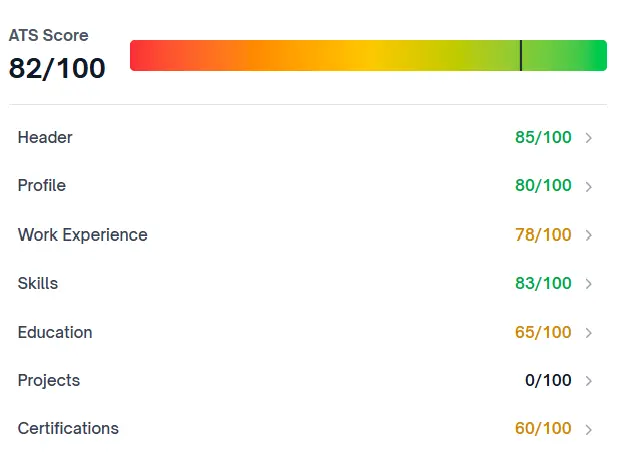
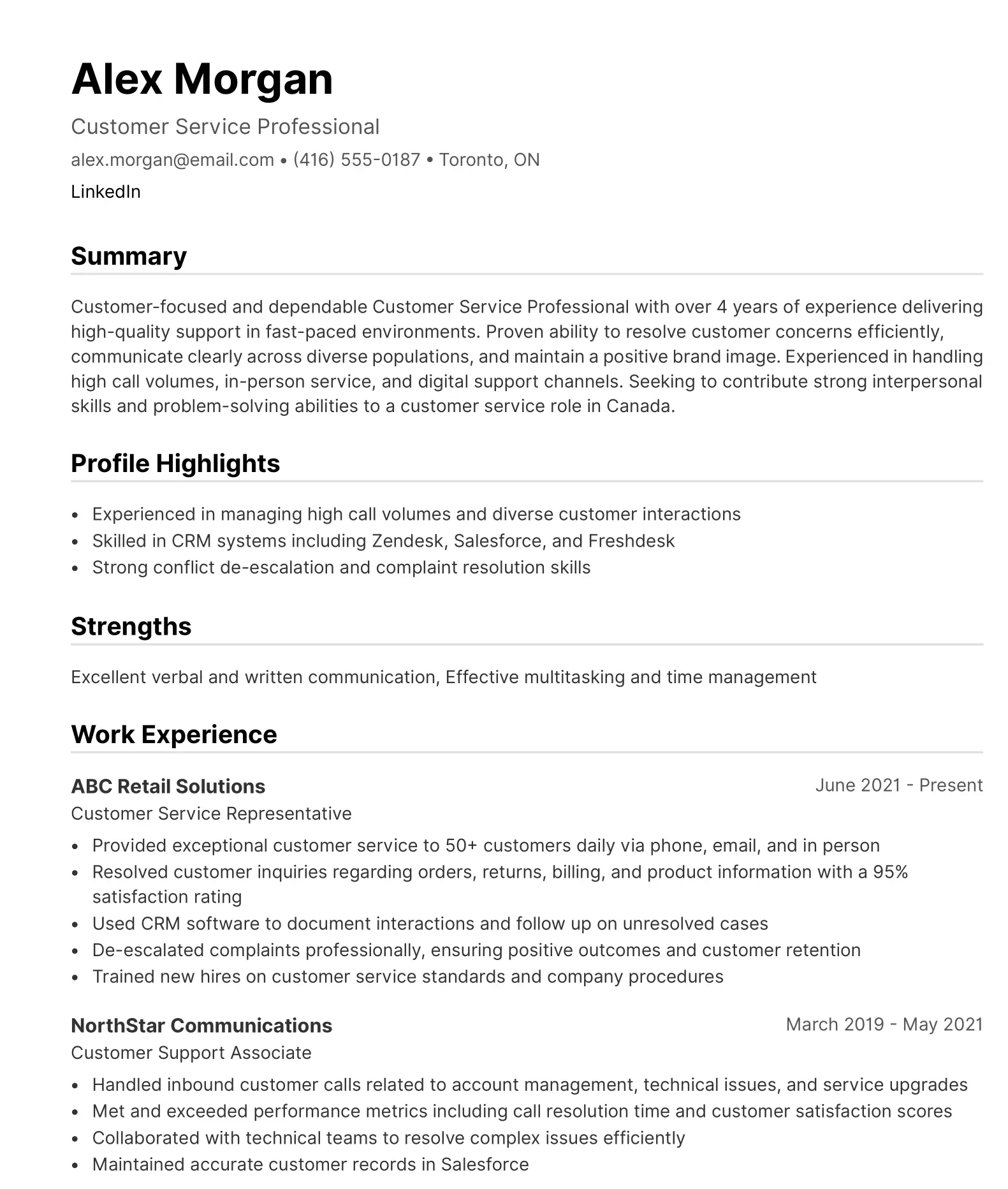
Get ATS-optimized feedback and role-specific language upgrades that map your experience to salary-driving outcomes: ownership, impact, and delivery at scale.

resume templateATS score overlay

Common Questions

Answers to the most common questions about Heavy Equipment Operator compensation in Texas.

How much does a Heavy Equipment Operator make in Texas?

The statewide average for a Heavy Equipment Operator in Texas is approximately $60,000-$63,000 USD per year based on aggregated data from Glassdoor, ERI, and ZipRecruiter as of early 2026. The full range runs from around $40,000 for entry-level roles to over $90,000 for senior or crane-certified operators in the energy sector. Base pay figures exclude overtime, per diem, and union scale supplements.

What is the highest-paying city in Texas for Heavy Equipment Operators?

Houston and the Midland-Permian Basin area consistently rank as the highest-paying markets in Texas for Heavy Equipment Operators. Houston's petrochemical and LNG sector and Midland's oilfield site prep demand push peak rates to $88,000-$92,000 USD before overtime and per diem. Dallas-Fort Worth and Austin follow as strong secondary markets driven by infrastructure and development activity.

Do Heavy Equipment Operators need a license in Texas?

Texas does not require a state-issued license specifically for heavy equipment operation, but many employers and project owners require documented certifications such as OSHA 10 or 30, NCCCO for crane operation, and NCCER credentials. CDL-A is required if the operator will drive equipment on public roads. Union apprenticeship programs through IUOE provide structured certification pathways.

What certifications increase pay for Heavy Equipment Operators in Texas?

The highest-impact certifications are NCCCO mobile crane operator certification, NCCER Heavy Equipment Operations Levels 3-4, OSHA 30, and CDL-A. Operators with NCCCO certification can access crane work on LNG terminals, refineries, and port projects that pay substantially above general construction rates. OSHA 30 is increasingly required as a site-entry credential on large capital projects.

How much do Heavy Equipment Operators earn in the Permian Basin or oilfield?

Oilfield site prep and pipeline operators in the Permian Basin and Gulf Coast energy corridor typically earn $65,000-$92,000 USD in base pay, with total compensation higher after per diem, overtime, and hazmat supplements. Operators willing to work 14-on/7-off or similar rotation schedules often see total annual earnings well above statewide averages.

What equipment types pay the most for operators in Texas?

Crane operators, drill rig operators, and paver/screed operators consistently earn the most in Texas, followed by multi-machine operators who hold CDL-A and can work both haul and grade functions on the same project. General dozer, excavator, and skid steer operators sit at the lower-to-mid range of the pay scale without additional certifications.

Is union membership worth it for Heavy Equipment Operators in Texas?

For operators in the Houston metropolitan area and Gulf Coast industrial corridor, IUOE union membership typically results in 10-25% higher base wages, employer-paid health insurance, and defined benefit pension contributions compared to non-union positions. Outside those areas, union density is lower and the wage premium may be smaller, though apprenticeship programs still provide valuable certification pathways.

How do I negotiate a higher salary as a Heavy Equipment Operator in Texas?

The most effective approach is to document equipment class breadth, project scale in quantifiable terms (tons moved, cubic yards graded, project dollar value), and certifications prominently on your resume and in the negotiation conversation. Benchmarking against IUOE published scale rates and Davis-Bacon prevailing wage tables gives you a defensible floor number. Timing a request after completing a major project or earning a new certification strengthens your position.

Compare Heavy Equipment Operator pay with other skilled trades and equipment operator roles in Texas and beyond.

Job titleEntry LevelMid-CareerExperiencedSenior / Craft Specialist
Construction Labourer$29,000 - $36,000 USD$36,000 - $44,000 USD$44,000 - $51,000 USD$51,000 - $57,000 USD
Forklift Operator$36,000 - $44,000 CAD$44,000 - $55,000 CAD$55,000 - $63,000 CAD$63,000 - $68,000 CAD
Truck Driver$42,000 - $58,000 USD$58,000 - $80,000 USD$80,000 - $100,000 USD$100,000 - $120,000 USD
Welder$31K - $45K USD$45K - $65K USD$65K - $78K USD$78K - $83K+ USD
Electrician$38K - $50K USD$50K - $65K USD$65K - $90K USD$83K - $105K+ USD
Heavy Equipment Operator$46K - $62K CAD$62K - $78K CAD$78K - $92K CAD$92K - $103K+ CAD
Warehouse Worker$28K - $34K USD$34K - $44K USD$44K - $55K USD$55K - $65K USD
Plumber$42,000 - $58,000 USD$58,000 - $80,000 USD$78,000 - $95,000 USD$88,000 - $115,000 USD

Sources and methodology

Salary ranges were compiled by cross-referencing employer-reported and self-reported data from multiple public compensation platforms covering the Texas labor market for 2025-2026, supplemented by IUOE wage scale publications and BLS occupational employment data for construction equipment operators.

What Heavy Equipment Operators in Texas are actually saying

Quotes reflect sentiment gathered from trades forums, job review platforms, and operator communities as of 2025-2026; they represent individual perspectives and not platform-verified salary data.

Reddit · r/ConstructionManagers
If you are running a crane in Houston you are not getting paid the same as someone pushing dirt in San Antonio - the gap is real

Reinforces the wide intra-state pay gap driven by equipment type and sector, consistent with the $40K-$92K range found across aggregated sources.

Glassdoor · Texas reviews
Per diem alone on the pipeline job adds more than my neighbor makes running a dozer in the city

Highlights how total compensation on pipeline and remote energy-sector assignments significantly exceeds base salary figures cited in standard surveys.

Reddit · r/Welding and trades community
Got my NCCCO last year and jumped almost $15 an hour - best investment I ever made in this trade

Confirms that crane certification is the single highest-leverage credential for pay increases in Texas, especially on Gulf Coast energy projects.

Indeed · Texas employer reviews
The big contractors pay better but you have to document your hours on specific machines or they lowball you at intake

Underscores the importance of detailed resume documentation of equipment type and project scale when applying to larger contractors who use structured pay bands.

Glassdoor · Houston, TX reviews
IUOE scale is the benchmark I use every time someone offers me a job - if it is below that I walk

Illustrates how union-published scale rates function as a real-world salary floor benchmark for experienced operators negotiating in the Houston market.

Companies actively hiring Heavy Equipment Operators in Texas

Zachry Group · Kinder Morgan · Fluor Corporation · Webber LLC · Martin Marietta Materials · North American Coal · Granite Construction · AECOM · Williams Industrial Services · BO-MAC Contractors · Milestone Environmental Services · Triple-S Steel

Salary.com - Heavy Equipment Operator IV Salary in Texas (February 2026), percentile breakdown by city Salary.com Texas HEO IV

PayScale - Heavy Equipment Operator Hourly Pay in Dallas and Houston, TX (2025-2026) PayScale Dallas HEO

Data note: Salary figures on this page are drawn from publicly available aggregate sources including Glassdoor, ZipRecruiter, ERI SalaryExpert, Salary.com, and PayScale, covering data collection periods between mid-2024 and April 2026. All figures represent base salary only and exclude overtime pay, per diem, hazmat pay, union scale supplements, bonuses, and benefits. Data reflects general market conditions and individual results will vary based on employer, project type, certifications, equipment class, union status, and negotiation. Yotru makes no guarantee that any individual will earn within these ranges. Currency is USD.