Layoff size
~400 positions (approx. 3% of workforce)
Last updated:
The Ottawa Hospital announced on April 9, 2026 that it plans to reduce its workforce by approximately 3%, which reportedly equates to around 400 positions across management, non-union, support, executive, nursing, and other health-care roles. The hospital has stated it will work with unions and attempt to limit involuntary departures through vacancy management and early-retirement options, though specific timelines and final position counts had not been publicly confirmed as of this writing. This guide covers what is currently known, your likely rights as an Ontario health-care worker, and cautious next steps you can consider taking right now.
Updated as new information becomes available
Layoff size
~400 positions (approx. 3% of workforce)
Announced
Announced April 9, 2026; cuts expected in coming months
Affected groups
Management, non-union, support, executive, nursing, other health-care roles
Reason cited
Budget pressures and financial challenges facing Ontario health-care sector
April 11, 2026
CBC News updated its reporting to note that health advocates and union representatives were publicly calling on the provincial government to reverse the cuts. CUPE 4000 president Robert Gauthier stated the union expected more than 100 front-line staff, mainly nurses and personal support workers, to be affected based on talks with the hospital.
Source: CBC News
April 9, 2026
A Ministry of Health spokesperson said the province has asked hospitals to plan for their long-term stability and stated that changes hospitals are making will not impact patient access to care or services. The Ministry also pointed to a record provincial health-care investment this year, including a four per cent increase in hospital funding.
Source: CBC News / Ministry of Health statement
April 9, 2026
The Ottawa Hospital confirmed it is preparing to cut approximately 400 positions, representing 3% of its workforce of roughly 13,281 employees. The hospital said it is working with unions to finalize details and will attempt to limit involuntary departures through vacancy management and early-retirement options.
Source: Yahoo News Canada / The Ottawa Hospital statement
April 9, 2026
Hospital president and CEO Cameron Love and chief of staff Virginia Roth sent an email to all employees informing them that the hospital will be reducing management, non-union, support, executive, nursing, and other health-care positions. A specific timeline for individual position reductions was not provided.
Source: Yahoo News Canada / CBC News
February 2026
Ahead of the April announcement, CUPE's Ontario Council of Hospital Unions released a report projecting that Ottawa could lose funding for roughly 725 frontline health-care staff and nearly 200 hospital beds by 2027-28 across the system, citing provincial underfunding as the driver.
Source: OCHU-CUPE (February 13, 2026)
As of April 11, 2026, CBC News reported that opposition to the cuts was growing, with health advocates and CUPE 4000 publicly pushing back. Final details on which specific positions will be affected and the exact timeline remain subject to ongoing union consultations.
The Ottawa Hospital's April 2026 workforce reduction may affect you differently depending on whether you are unionized, your seniority, and the outcome of ongoing union negotiations - none of which are fully resolved at the time of this writing. The hospital has indicated it hopes to minimize involuntary departures through attrition and early retirement, but CUPE 4000 expects over 100 front-line workers to be directly impacted. If you have received or anticipate a layoff notice, it may be worth understanding your rights under Ontario's Employment Standards Act as a starting point, keeping in mind that your individual entitlements can vary considerably and a qualified employment advisor may be able to provide guidance specific to your situation.

Yotru AI
Layoff guidance summary
Receiving a layoff notice - or anticipating one - in a health-care setting can be especially disorienting when you are also responsible for patient care. Before moving into job-search mode, it may help to pause and take a few immediate protective steps to ensure you are not missing something time-sensitive. Your situation is likely to feel clearer once you have the basics documented.
A significant portion of The Ottawa Hospital's workforce is represented by CUPE 4000 and potentially other unions. If you are a unionized employee, your rights and process for challenging or navigating a layoff are governed primarily by your collective agreement and union grievance procedures, not solely by the ESA. Contact your union representative as an early priority step.
A clear read on the situation helps you plan next steps with less guesswork.
On April 9, 2026, The Ottawa Hospital's president and CEO Cameron Love and chief of staff Virginia Roth sent an all-staff email announcing plans to reduce the workforce by approximately 3%, which multiple news outlets reported could equate to around 400 positions. The hospital cited ongoing financial challenges facing the Ontario health-care sector as the driver, stating it had already attempted a range of cost-reduction measures before arriving at workforce reductions. These prior measures reportedly included offering early retirement, freezing and eliminating vacant positions, implementing more efficient care models, returning to pre-COVID funded staffing levels, freezing travel, and moving to a more economical provincial group benefits plan. Ontario's Ministry of Health has acknowledged asking hospitals to plan for long-term financial stability, and the provincial government committed to a roughly $1.1-billion increase in hospital funding in its recent budget, though the Ontario Hospital Association has cautioned this may be insufficient to cover inflationary and other pressures.
According to the hospital's internal communication and public statements, the reductions are expected to span management, non-union, support, executive, nursing, and other health-care positions. The hospital currently employs approximately 13,281 staff, with nurses making up more than one-third of the total workforce. CUPE 4000, the union representing approximately 4,300 health-care workers at the hospital, has stated it expects more than 100 front-line staff - mainly nurses and personal support workers - to be affected based on early discussions with hospital administration. The hospital operates across three main campuses: the General, Civic, and Riverside sites. The specific distribution of cuts across campuses, departments, and employment categories had not been publicly finalized as of the last update to this profile.
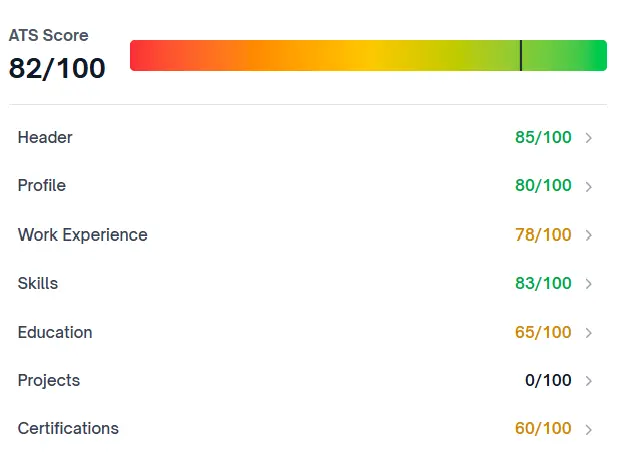
Get ATS-optimized feedback and role-specific language upgrades that map your experience to salary-driving outcomes: ownership, impact, and delivery at scale.

The Ottawa Hospital is a publicly funded, non-profit academic health-care institution and does not offer employee stock options or equity compensation. Equity-related considerations are not applicable to this layoff profile.
OFFICIAL
These reductions amount to three per cent of our overall workforce, however through vacancy management and early-retirement options we will work to limit any involuntary departures.
OFFICIAL
TOH has implemented a series of measures to reduce budget pressures, find savings and preserve health-care positions.
OFFICIAL
To be clear, the changes hospitals are making to execute their long-term plan will not impact patient access to care or services at any hospital.
GOVERNMENT
Asked hospitals to plan for their long-term stability.
EMPLOYEES / PUBLIC
These cuts will hurt patient care at TOH, which is already overwhelmed by high patient volumes and long wait-times due to staffing and capacity shortages.
EMPLOYEES / PUBLIC
We have a hospital system in crisis.
The days immediately after a layoff notice are when your recent accomplishments, patient-care metrics, project outcomes, and specific clinical or administrative skills are most vivid. Waiting even a few weeks can mean losing detail that makes a health-care resume stand out in a competitive Ottawa job market. Uploading your resume now lets you capture that specificity and get structured, actionable feedback before you begin applying.
General guidance only. Based on typical cases and not independently verified. Your situation may differ.
If your position is permanently eliminated, you may be entitled to termination pay and, in some circumstances, statutory severance under Ontario's Employment Standards Act (ESA) - these are minimums only. Non-unionized employees may also have common law entitlements that often exceed ESA minimums by a significant margin; factors such as age, seniority, and role typically apply. Unionized employees should expect their collective agreement to govern notice and severance terms rather than the ESA alone.
Non-unionized employees often have room to negotiate beyond the initial severance offer, particularly if they have long tenure, a specialized role, or are in a difficult-to-replace position. Consider having any offer reviewed by an employment lawyer before signing, as signing a release typically extinguishes your right to seek more. Unionized employees should work through their union representative rather than negotiating individually.
Regional rules differ. Use these as starting points and verify against official sources for your situation.
Skills developed in an academic health-sciences environment - patient care coordination, clinical documentation, interdisciplinary team leadership, and specialized nursing or allied health competencies - are generally in demand across Ottawa-area hospitals, community health centres, and long-term care facilities, as well as in federally employed health-care roles. The depth of your transferable experience may vary considerably depending on your specific role and years of service.
A 3% workforce reduction at a major academic hospital is broadly consistent with the scale of budget-driven cuts seen at other Ontario health-care institutions in 2025-2026. Ottawa's Bruyere Health announced 55 front-line position cuts earlier in 2026, and CUPE estimates that at least 1,000 positions are being eliminated across Ontario hospitals and long-term care homes in this cycle. The Ontario Hospital Association has stated that the provincial funding increase - while meaningful - may not fully offset inflation, population growth, and complexity pressures, suggesting further restructuring across the sector cannot be ruled out.
The Ottawa Hospital has faced workforce pressures in previous cycles; a notable earlier example involved layoffs of medical transcriptionists who were displaced by voice-dictation software, where CUPE 4000 members had options for reassignment under their collective agreement. The April 2026 cuts are broader in scope, spanning multiple employee categories including nursing, management, and support roles rather than a single occupational group. The hospital's stated preference for attrition and early retirement over forced layoffs follows a similar pattern to past restructurings in the Ontario public-hospital sector, though whether that approach will fully absorb the 3% target remains unconfirmed.
Answers to the most common questions about the The Ottawa Hospital layoffs and what to do next.
Yes, The Ottawa Hospital publicly confirmed on April 9, 2026 that it plans to reduce its workforce by approximately 3%, which multiple news outlets reported could represent around 400 positions. The hospital issued an official statement and CEO Cameron Love sent an all-staff email. However, the specific positions affected and the exact timeline remain subject to ongoing union consultations and have not been fully finalized publicly.
The hospital has stated the reductions will amount to approximately 3% of its overall workforce. Based on a reported total workforce of roughly 13,281 employees, multiple news outlets estimated this as approximately 400 positions. The hospital itself did not publicly confirm an exact headcount as of this writing, and the final number may be affected by how many departures occur through attrition or early retirement.
Nursing positions are among the categories identified in the hospital's internal communications as subject to reduction, alongside management, non-union, support, executive, and other health-care roles. CUPE 4000, which represents approximately 4,300 health-care workers at the hospital, stated it expects more than 100 front-line staff - mainly nurses and personal support workers - to be affected. The exact number of nursing positions to be eliminated had not been publicly confirmed as of April 10, 2026.
Severance entitlements can vary significantly depending on whether you are unionized, your years of service, your role, and the terms of any applicable collective agreement. Unionized employees should review their collective agreement and contact CUPE 4000 or their relevant union representative. Non-unionized employees may be entitled to ESA minimums as a floor, and potentially more under common law depending on individual circumstances. It is generally advisable to consult an employment lawyer before signing any release, as initial offers often reflect only statutory minimums.
If you are a non-unionized employee, there may be room to negotiate beyond the initial offer depending on your tenure, role, and circumstances; many employment lawyers in Ontario report that initial offers often reflect only ESA minimums. If you are a unionized employee, any negotiation typically occurs through your union and collective agreement process rather than individually. Do not sign a severance release without first understanding what you may be entitled to, as signing generally ends your right to seek additional compensation.
You can apply for Employment Insurance (EI) through Service Canada online at canada.ca. You will need your Record of Employment (ROE) from The Ottawa Hospital; if it is not provided automatically, request it from HR promptly. There is a standard one-week waiting period before benefits begin, so applying as soon as possible after your last insured day is generally recommended. The amount you receive is typically approximately 55% of your insurable earnings up to an annual maximum, though individual amounts vary.
As of the April 9, 2026 announcement, the hospital stated reductions would occur 'in the coming months' but did not provide a specific timeline for when individual employees would be notified. The hospital indicated it is still working with unions to finalize the details. Affected employees should monitor communications from their manager or HR department and, if unionized, from their union representative.
As a CUPE 4000 member, your primary rights are governed by your collective agreement rather than solely by Ontario's Employment Standards Act. Your agreement likely contains provisions on notice of layoff, bumping rights (the ability to displace a less senior employee in another role), recall rights, and any negotiated severance or bridge benefits. Grievance deadlines under collective agreements tend to be short, so contacting your CUPE 4000 shop steward or representative promptly is strongly advisable. Employment lawyers cannot represent you in grievance matters - your union is your primary advocate.
Yotru sources layoff intelligence from verified news reporting, official employer communications, government statements, and union announcements. Information is labelled as confirmed, estimated, or unconfirmed, and this profile is updated as new verified details become available. Yotru separates editorial commentary from verbatim source quotes and does not present speculation as fact.
CBC News (April 9-11, 2026) · Yahoo News Canada / The Ottawa Hospital official statement (April 9, 2026) · CTV News Ottawa (April 9, 2026) · CUPE 4000 public statement - Robert Gauthier (April 9, 2026) · Ottawa Health Coalition public statement - Kevin Skerrett (April 2026) · OCHU-CUPE report 'Driven to the brink' (February 13, 2026) · Ontario Ministry of Health statement to CBC (April 10, 2026) · The Ottawan (April 2026)
The approximate figure of 400 positions is a calculation derived from the reported 3% reduction applied to the hospital's publicly stated workforce size; The Ottawa Hospital has not officially confirmed a specific headcount figure for the cuts. The exact timeline for individual layoff notices has not been publicly disclosed. The distribution of cuts across campuses, departments, and seniority levels is based on partial union and media reporting and had not been officially confirmed as of April 10, 2026. Employee and advocate quotes included here are drawn from verified media reporting but do not represent the official position of The Ottawa Hospital.
This profile is for general informational purposes only and does not constitute legal, financial, employment, or professional advice. All figures, timelines, and descriptions are based on publicly available information and are approximate. Individual circumstances, employment contracts, collective agreements, and applicable law can vary significantly and will affect your specific entitlements and options. Nothing on this page should be relied upon as a substitute for advice from a qualified Ontario employment lawyer, your union representative, or other relevant professional advisor. Yotru makes no guarantee regarding the accuracy, completeness, or currency of the information presented. Always verify key details directly with The Ottawa Hospital's HR department, your union, and official government sources.
April 2026 · Updated Apr 10, 2026