Layoff size
~310 jobs projected across GTA agencies (68% of surveyed organizations anticipating cuts by 2028)
Last updated:
Federal funding cuts to Immigration, Refugees and Citizenship Canada are forcing dozens of Ontario settlement agencies to reduce staff, cut programs, and in some cases shut down services entirely. A sector-wide survey found that 68 percent of GTA newcomer agencies anticipate layoffs by 2028, with a collective loss of roughly 310 jobs already projected. This guide covers your employment rights, severance entitlements, and practical next steps if you work at - or rely on - an affected Ontario settlement agency.
Updated as new information becomes available
Layoff size
~310 jobs projected across GTA agencies (68% of surveyed organizations anticipating cuts by 2028)
Announced
Ongoing from 2024; accelerating April 2026
Affected groups
Language trainers, settlement counsellors, employment support staff, program coordinators
Reason cited
Federal IRCC budget reduction of $317.3 million over three years; government-wide 15% savings directive
April 10, 2026
Canadian Immigrant covers the cumulative impact of federal funding reductions on Ontario-based settlement agencies, including program closures, reduced hours, and active layoffs across multiple organizations. The report notes that job losses and service disruptions are accelerating as the 2026 fiscal year begins.
Source: Canadian Immigrant
April 1, 2026
New IRCC rules capping settlement service access for economic class permanent residents at six years came into force. Agencies that depended on steady client volumes - and the per-client funding that follows - are now projecting lower intake and smaller federal allocations.
Source: IRCC / Canada.ca
March 10, 2026
Immigration, Refugees and Citizenship Canada published official notice of time-limited access to federally funded settlement services for economic class permanent residents, effective April 1, 2026. The change applies retroactively and immediately cuts off access for economic PRs who have held that status for more than six years.
Source: IRCC / Canada.ca
February 25, 2026
A survey of 48 GTA newcomer service agencies found that 44 percent expect program closures and 56 percent expect program disruptions. The survey, released by the United Way Greater Toronto, OCASI, and the City of Toronto, also flagged that 68 percent of agencies anticipate layoffs, projecting a collective loss of approximately 310 jobs.
Source: Canadian Press / National Observer / Global News
2024 (fiscal year start)
The federal government began implementing a three-year reduction to the overall IRCC budget, with all federal departments directed to identify 15 percent savings over the same period. Settlement agencies in Ontario began adjusting staffing and program delivery in response.
Source: United Way Greater Toronto report / CP24
As of April 10, 2026, layoffs across Ontario settlement agencies are ongoing and unevenly distributed. Individual agencies have not all issued public statements; the precise number of positions already eliminated sector-wide remains unconfirmed.
Ontario settlement agencies are in the middle of a funding-driven workforce reduction that has been building since 2024 and is now accelerating under new IRCC eligibility rules and a multi-year federal budget cut. If you work at one of these agencies, the risk of layoff or reduced hours is real and sector-wide - not isolated to one employer. Your first priority is to confirm your employment status in writing, understand your Ontario ESA entitlements, and begin networking within the broader social services and newcomer support sector, where transferable skills remain in demand. Do not sign any severance release without reading it carefully and, if possible, consulting an employment lawyer first.

Yotru AI
Layoff guidance summary
A layoff from a settlement agency - where the work is mission-driven and the community relationships are deep - can feel both professionally and personally destabilizing. Before you update your resume or send a single application, take stock of your immediate situation so you are making decisions from solid ground rather than panic.
Layoffs across Ontario settlement agencies are not happening uniformly. Some agencies have issued formal notices; others have reduced hours, frozen hiring, or eliminated contracts for part-time and term employees. Your specific rights depend on your agency, your employment category (full-time, part-time, term, contract), and your years of service. Verify your individual situation before assuming any sector-wide figure applies to you.
A clear read on the situation helps you plan next steps with less guesswork.
A three-year, $317.3 million reduction to the overall IRCC budget - which began in the 2024 fiscal year - has progressively cut the funding that flows from Ottawa to Ontario settlement agencies. Separately, all federal departments were directed to find 15 percent in savings over three years, compounding pressure on immigration and settlement budgets. A February 2026 survey of 48 GTA newcomer service agencies found that 44 percent expect program closures and 56 percent expect program disruptions. The situation intensified on April 1, 2026, when new IRCC rules capped settlement service access for economic class permanent residents at six years, reducing the eligible client pool and the per-client funding allocations that agencies rely on. As of the date of this profile, layoffs across Ontario are ongoing.
Staff most at risk are frontline settlement workers: language instructors (particularly for higher-level LINC and PBLA programs), employment counsellors, settlement counsellors, and program coordinators. Part-time and term employees have historically been the first to lose positions in prior funding cut cycles affecting this sector. Organizations across the Greater Toronto Area - including agencies in Mississauga, Scarborough, Brampton, and other high-newcomer-population communities - are all reporting strain. Contractors and project-funded roles attached to now-closed programs are also vulnerable. Refugees and refugee-serving roles are not automatically protected; OCASI and sector advocates have flagged that cuts are landing across the board.
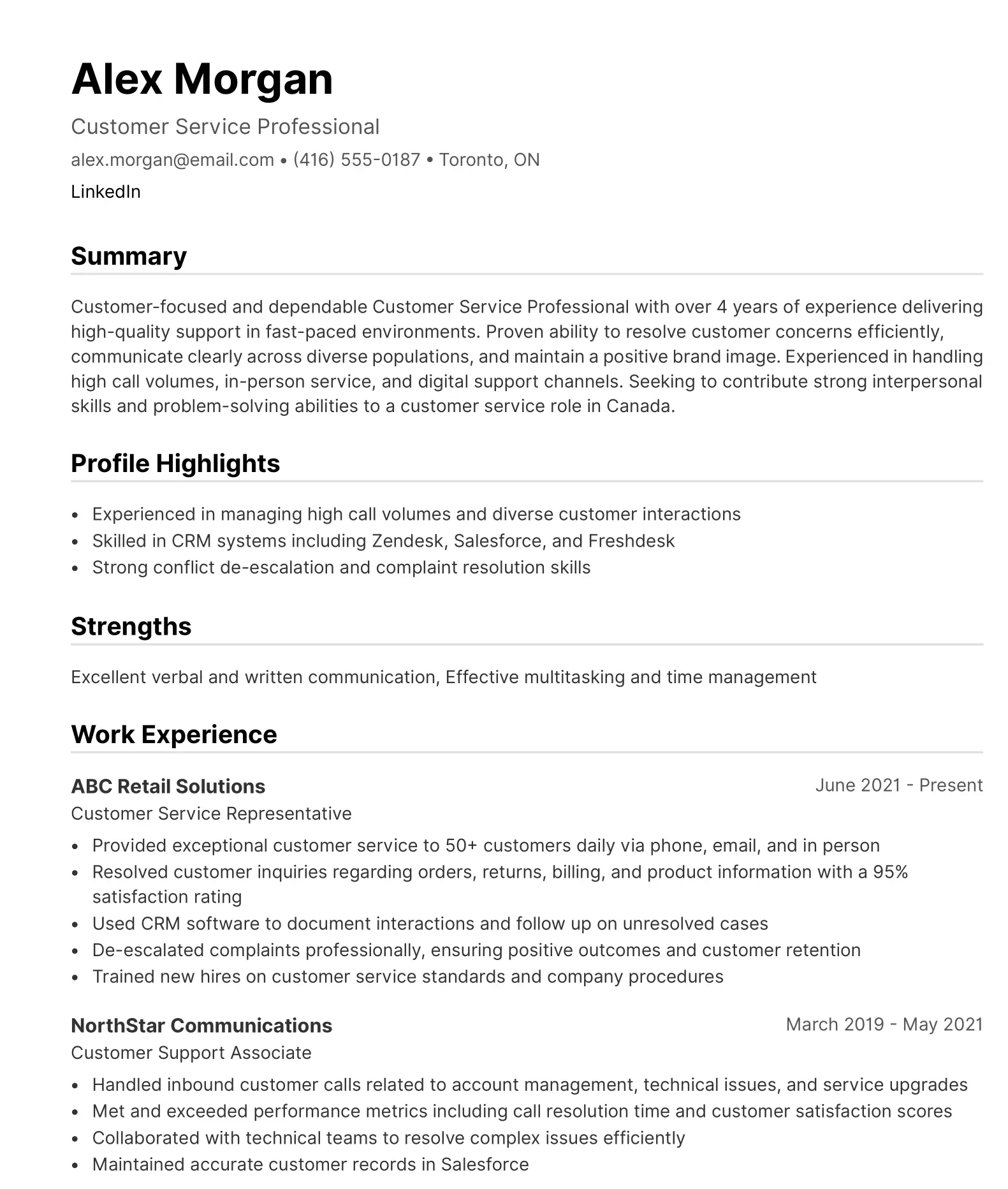
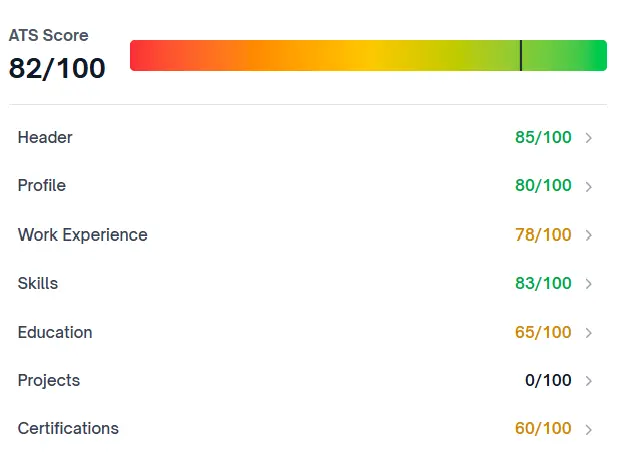
Get ATS-optimized feedback and role-specific language upgrades that map your experience to salary-driving outcomes: ownership, impact, and delivery at scale.
Most Ontario settlement agencies are non-profit organizations and do not issue equity or stock options. If your agency has a defined-benefit or group RRSP pension plan, confirm vesting status and whether employer contributions are forfeited on termination; plan terms vary by organization.
OFFICIAL
These staffing changes are necessary to align with reduced immigration levels and permanent funding.
OFFICIAL
Starting April 1, 2026, economic class permanent residents can only access newcomer services for a limited time.
Settlement sector experience - language instruction, case management, community outreach, cross-cultural communication - is genuinely transferable, but hiring managers outside the sector need to see it translated into clear outcomes. The best time to capture that is now, before the day-to-day of your job fades. Upload your resume to Yotru for structured feedback while the work is still top of mind.
General guidance only. Based on typical cases and not independently verified. Your situation may differ.
Ontario settlement agencies are provincially incorporated non-profits and most employees are covered by the Ontario Employment Standards Act (ESA). Minimum ESA severance for employees with five or more years of service at agencies with a payroll of $2.5 million or more is one week per year of service, up to 26 weeks - on top of termination notice or pay in lieu. Common law entitlements (if your contract does not cap them) can be significantly higher.
You can negotiate severance even at a non-profit. Ask for extended benefit coverage, outplacement support, and a neutral or positive reference as part of the package. If your letter includes a release of all claims, consider having an employment lawyer review it before signing - many offer a free or flat-fee initial review.
Regional rules differ. Use these as starting points and verify against official sources for your situation.
Skills built in Ontario settlement agencies - multilingual client intake, needs assessment, language instruction, employment coaching, community outreach, and grant reporting - are directly transferable to roles in workforce development organizations, adult education, public libraries, community health centres, municipal governments, and federally funded employment service providers. Reframe outcomes in numbers (clients served, referrals made, language levels advanced) and your resume will resonate well outside the sector.
Funding-driven non-profit layoffs differ from corporate restructuring: there is typically no severance pool beyond ESA minimums unless the organization has a formal policy, and affected employees often face a compressed local job market because peer agencies are cutting at the same time. The settlement sector in Ontario has experienced two prior waves of significant cuts - after the 2012-13 IRCC funding formula change and again in 2015-16 - and sector recovery in both cases took two to four years. The current cut, tied to a $317.3 million IRCC reduction plus a 15 percent government-wide savings target, is larger in dollar terms than either prior episode.
The OCASI-documented 2015-16 funding cut cycle saw more than half of affected Ontario agencies lay off employees, with part-time staff disproportionately impacted and caseloads rising sharply for those who remained. The current situation tracks a similar pattern but at a broader scale: 68 percent of surveyed GTA agencies now anticipate layoffs versus a smaller cohort in 2015-16. A notable difference is the simultaneous change to IRCC eligibility rules, which compresses both client demand and per-client revenue at the same moment that the base budget is shrinking - a double pressure that prior cycles did not include.
Answers to the most common questions about the Ontario Settlement Agencies layoffs and what to do next.
The broader funding pressure is confirmed by a United Way Greater Toronto, OCASI, and City of Toronto survey released in February 2026. Individual agency layoffs are occurring and ongoing but are not all publicly announced. Check directly with your employer and monitor OCASI communications for updates specific to your organization.
At minimum, Ontario ESA entitles you to one week of termination notice per year of service (up to 8 weeks), plus ESA severance pay if you have 5 or more years of service and your employer has a payroll of $2.5 million or more. Common law entitlements can be higher if your contract does not cap them. Consult an employment lawyer before signing any release to ensure the offer meets or exceeds your legal minimum.
Yes. Non-profit status does not remove your right to negotiate. Common negotiating points include extended benefit coverage, a written reference letter, outplacement support, and additional weeks of pay. An employment lawyer can help you assess whether the package offered is reasonable given your tenure and role.
Most settlement agency employees in Ontario qualify for regular EI benefits if they have accumulated the required insurable hours (typically 420 to 700 hours depending on local unemployment rates). Apply through Service Canada as soon as your last day is known - do not wait for your Record of Employment to arrive before applying.
The cuts are linked to a three-year, $317.3 million reduction to the overall IRCC budget that began in 2024, combined with a government-wide directive to find 15 percent in savings. New IRCC eligibility rules effective April 1, 2026 also reduce the pool of clients agencies can serve and the per-client funding they receive, compressing revenues further.
Language training staff - particularly higher-level LINC and PBLA instructors - are among the hardest hit, along with employment counsellors and program coordinators. Part-time and term employees have historically faced the earliest and deepest cuts in prior Ontario settlement funding cycles. Specific departments vary by agency.
Under Ontario ESA, employers must provide written notice or pay in lieu based on years of service (1 week per year, up to 8 weeks). If 50 or more employees are terminated within 4 weeks, the employer must also notify the Ontario Ministry of Labour. Check your contract for any additional notice provisions, and consult an employment lawyer if notice seems short.
Settlement sector experience transfers well to roles in Employment Ontario service providers, adult education, community health centres, public libraries, workforce development organizations, municipal newcomer offices, and federally funded employment programs. Quantify your outcomes (clients served, referrals made, language levels taught) to make your resume competitive outside the sector.
Yotru builds layoff intelligence profiles from verified public sources including government notices, sector surveys, and established news outlets. Confirmed data is clearly distinguished from reported or projected data throughout this profile. Where information is uncertain or unconfirmed, we say so directly. This profile will be updated as additional verified information becomes available.
Canadian Immigrant (April 2026) · Canadian Press / National Observer (February 25, 2026) · Global News / CP24 / Lethbridge Herald (February 25, 2026) · United Way Greater Toronto - OCASI - City of Toronto sector survey (February 2026) · IRCC / Canada.ca official eligibility notice (March 10, 2026) · OCASI Frontline report on prior funding cuts (ocasi.org) · PSAC affected notice data (January 2026)
The total number of layoffs already completed at individual Ontario settlement agencies as of April 2026 is not publicly confirmed. The Canadian Immigrant article cited as the primary source for this profile had not been independently retrieved in full; summary details are drawn from corroborating reporting by the Canadian Press, Global News, National Observer, CP24, and OCASI. Specific agency-by-agency layoff counts, termination dates, and severance terms are not publicly available and should be verified directly with the relevant employer. Any reference to individual organizations in public reporting should be treated as indicative of sector trends rather than confirmed facts about a specific employer.
This profile is for general informational purposes only and does not constitute legal, immigration, or financial advice. Layoff figures and funding details are approximate and based on publicly available reports as of the date shown. Individual circumstances - including your employment contract, agency size, years of service, and union status - will affect your specific entitlements. Consult a licensed Ontario employment lawyer or a qualified settlement sector professional for advice tailored to your situation. Nothing in this guide should be read as implying misconduct by any organization mentioned.
April 2026 · Updated Apr 10, 2026