
Market
4 min read
Hiring Trends in Switzerland for 2026: Tight Labour and Skills Pressure
Synopsis
Switzerland’s 2026 hiring outlook features very low unemployment, persistent skills shortages, selective hiring, and continued demand across healthcare, engineering, finance, and tech.
This article provides a qualitative overview of hiring trends in Switzerland based on publicly available labour market statistics, economic forecasts, and institutional analysis. It is intended to support understanding and workforce planning rather than formal forecasting or statistical prediction. This assessment reflects conditions and projections as of late 2025; labour market outcomes may vary by canton, sector, and evolving economic or policy conditions.
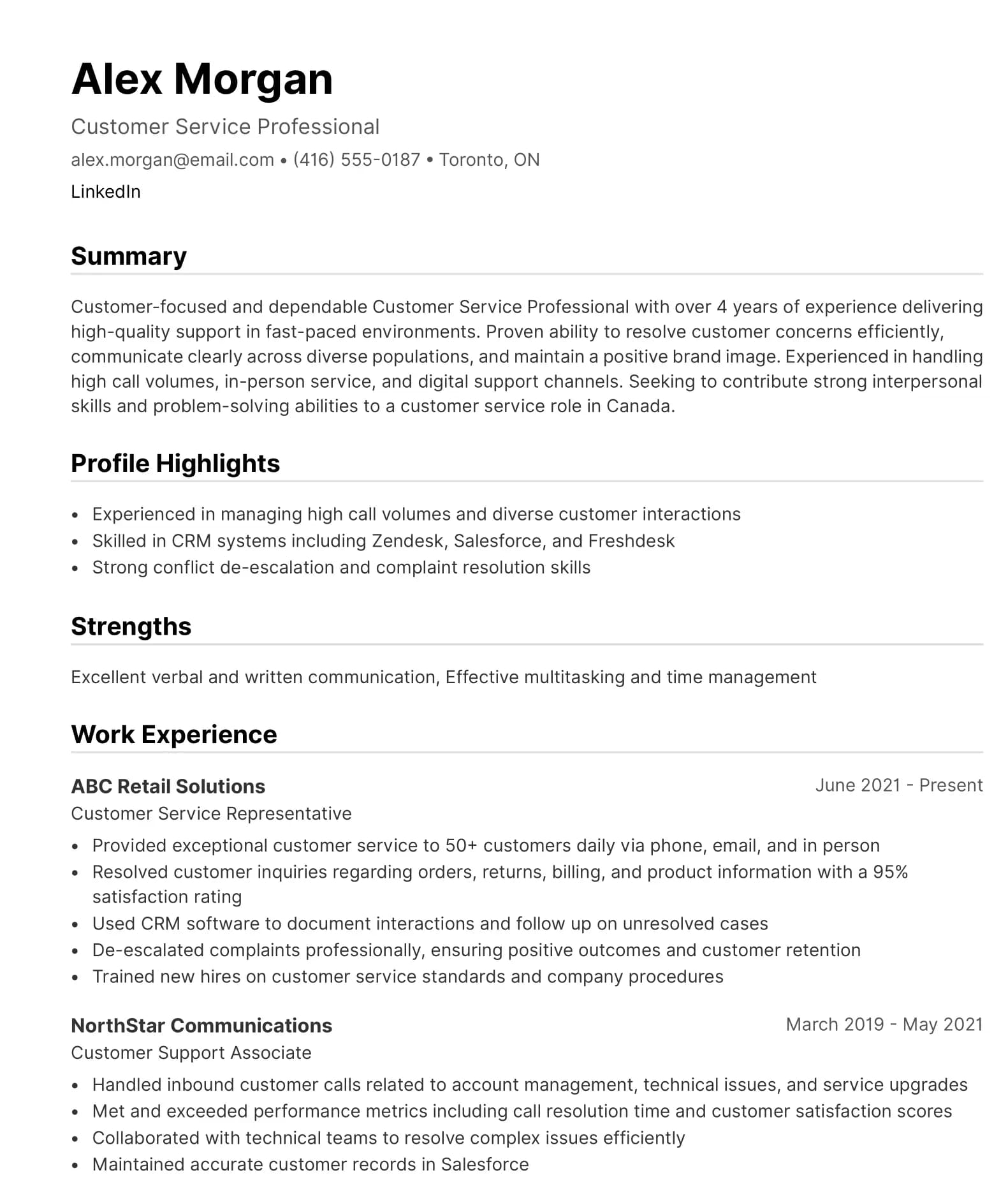
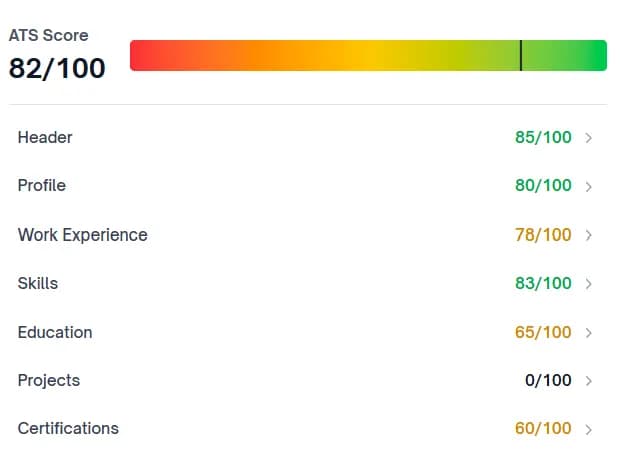
ATS-Optimized resumes That Meet Employer Standards
Our AI-powered scoring system helps organizations assess and standardize resume quality at scale. ATS-compliant templates support consistent formatting, keyword alignment, and interview readiness across cohorts.
Switzerland enters 2026 with one of the tightest labour markets in Europe. Unemployment stood at approximately 2.9% on a non-seasonally adjusted basis in late 2025, vacancies remain elevated, and labour-force participation is high. Economic growth is expected to be modest, around 1.1–1.2% in 2026, below Switzerland’s long-term average, supporting continued hiring, though decisions are increasingly selective, cost-aware, and tied to immediate operational need rather than expansion.
This analysis is most relevant to mid-career professionals, employers, HR leaders, and training providers planning for Switzerland’s 2026 labour market. It reflects official data and policy settings as of late 2025 and published 2026 outlooks.
1. Labour scarcity remains the dominant constraint
Switzerland’s primary hiring challenge is not weak demand but limited labour supply. Ageing demographics, high participation rates, and strong cross-border competition for talent continue to constrain recruitment.
Persistent hiring pressure is concentrated in:
- Healthcare, nursing, and eldercare
- Engineering and advanced manufacturing
- Construction and skilled trades
- IT, cybersecurity, data, and digital infrastructure
- Financial services, risk, and compliance
- Life sciences and pharmaceuticals
Employers continue to recruit actively but are increasingly cautious about adding headcount unless roles are clearly linked to productivity, compliance, or revenue protection.
So what
- For candidates: Scarce, regulated, or technical skills face sustained demand.
- For employers: Retention, automation, and role redesign matter as much as recruitment.
2. Wage growth remains positive but normalises
Wage growth in Switzerland remained solid through 2024–2025, supported by tight labour supply and collective agreements. Heading into 2026, wage increases are expected to continue but at a moderate pace of roughly 1.3–1.6% nominal, with real wages expected to rise modestly as inflation remains low.
Stronger wage pressure persists in:
- Healthcare and care services
- IT, cybersecurity, and data roles
- Engineering and skilled manufacturing
- Financial services and regulatory functions
In other sectors, employers increasingly rely on benefits, work-life balance, and long-term stability rather than aggressive base-pay increases.
So what
- For candidates: Wage upside is strongest where skills are scarce or certified.
- For employers: Compensation strategies increasingly balance pay, flexibility, and predictability.
3. Hiring is selective and productivity-driven
Despite very low unemployment, Swiss employers remain disciplined in 2026. Hiring is focused on:
- Replacement and succession hiring
- Critical technical or regulatory roles
- Productivity-justified headcount increases
Cautious investment sentiment and high labour costs reinforce selectivity, particularly for mid-level and generalist roles.
So what
- For candidates: Immediate readiness and domain expertise matter more than potential.
- For employers: Mis-hires carry high cost in a high-wage, low-slack market.
4. Skills mismatches persist alongside low unemployment
Switzerland’s labour market remains frictional: unemployment is low, yet employers struggle to fill roles requiring specialised training, certification, or experience.
Key shortage areas include:
- Registered nurses, carers, and medical specialists
- Electricians, mechanics, and construction supervisors
- Software engineers, cloud specialists, and cybersecurity professionals
- Technicians in advanced manufacturing and precision engineering
Education, apprenticeships, and reskilling pathways are strong by international standards but struggle to fully offset demographic pressures and rapid technological change.
So what
- For candidates: Apprenticeships, certifications, and applied experience materially improve prospects.
- For employers: Training and internal mobility are structural necessities.
5. Cross-border labour remains essential
Foreign workers and cross-border commuters continue to play a critical role in Switzerland’s workforce, particularly in healthcare, construction, hospitality, manufacturing, and technical roles.
While immigration policy remains broadly stable, employers face increasing scrutiny around integration, wage parity, and compliance with collective labour agreements and posted-worker rules.
So what
- For candidates: Language skills, certification recognition, and residency status matter.
- For employers: Cross-border labour supplements, but does not eliminate, domestic shortages.
6. Flexible work stabilises across white-collar roles
Hybrid and flexible work arrangements remain common in professional services, finance, and technology roles but have largely stabilised rather than expanded.
On-site work continues to dominate healthcare, construction, manufacturing, and hospitality, where operational presence is essential.
So what
- For candidates: Flexibility expectations should be aligned with sector realities.
- For employers: Flexibility supports retention but is no longer a decisive differentiator.
7. Governance, compliance, and sustainability gain importance
Regulatory compliance, data protection, sustainability reporting, and workforce transparency increasingly influence hiring and employer branding. In a high-trust, high-regulation environment, governance standards play a growing role in attraction and retention.
So what
- For candidates: Reliability, accountability, and communication are highly valued.
- For employers: Workforce governance is a competitive and reputational factor.
What this means in practice
For job seekers
- Target roles linked to structural shortages rather than cyclical demand
- Emphasise certifications, licences, and applied experience
- Signal reliability, language proficiency, and long-term commitment
For employers
- Expect continued competition for healthcare, technical, and skilled talent
- Plan for moderated but persistent wage pressure
- Invest in training, automation, and retention strategies
Platforms like Yotru can support these strategies by making skills visible, standardising employer‑ready CVs at scale, and helping employers, institutions, and workforce programmes align candidate experience with real job requirements in Switzerland’s high‑demand roles.”
Looking ahead
Switzerland’s 2026 labour market remains defined by scarcity rather than slowdown. With unemployment around 2.9%, GDP growth near 1.1–1.2%, and persistent skills gaps, hiring continues but under tight productivity and cost discipline. Organisations and professionals aligned with scarce skills, compliance requirements, and operational readiness are best positioned to succeed.
About the Author

Team Yotru
Employability Systems
Team Yotru
Employability Systems
We build practical career tools for training providers and workforce programs, combining labor market insights with real employment outcomes. Follow us on LinkedIn.
About This Article
This analysis is designed for job seekers, employers, educators, and workforce planners seeking clear, practical insights into current and emerging hiring trends across industries and regions.
Research Methodology
This analysis draws on publicly available labour market data, government workforce reports, and economic research. It integrates employment statistics, sector demand forecasts, and regional labour indicators to reflect current and emerging trends across the relevant national economy.
Salary Data Normalization
Salary figures represent estimated annual gross earnings in local currency before taxes. Data is derived from aggregated job postings, official wage statistics, and employer-reported compensation ranges. Actual earnings may vary based on region, industry, experience level, contractual terms, and applicable collective bargaining agreements.
Editorial Standards
All content is developed using verified public data and reviewed for clarity, accuracy, and neutrality. Insights are based on observable labor market conditions rather than promotional claims. Information is updated regularly to reflect policy changes, economic shifts, and hiring trends.
Disclaimer
This content is provided for informational purposes only and does not constitute legal, immigration, employment, or professional advice. Readers should consult relevant government authorities or qualified professionals in their jurisdiction before making career, relocation, or employment-related decisions.
Related Regions
References
- State Secretariat for Economic Affairs. (2025). Economic forecasts, December 2025. https://www.seco.admin.ch (see “Economic forecasts” section)
- Federal Statistical Office. (2025). Swiss Labour Force Survey: Labour market indicators 2025. https://www.bfs.admin.ch (see Labour Force Survey and labour market indicators)
- KOF Swiss Economic Institute. (2025). KOF economic forecast: Winter 2025. https://kof.ethz.ch/en/news-and-events/media/press-releases/2025/12/kof-economic-forecast-winter-2025.html
- Organisation for Economic Co‑operation and Development. (2025). OECD economic outlook, volume 2025 issue 1: Switzerland. https://www.oecd.org/en/publications/oecd-economic-outlook-volume-2025-issue-1_83363382-en/full-report/switzerland_1aa299af.html
- Adecco Group Switzerland & KOF Swiss Economic Institute. (2025). Swiss job market index Q3 2025. https://www.adeccogroup.com/en-ch/future-of-work/job-index/job-index-q3-2025
Maintained by: Labor Intelligence Group at Yotru
Review cycle: Monitored as market conditions evolve
Last updated: April 7, 2026
Continue Reading
More insights from our research team

GTA Trades & Blue-Collar Salary Guide 2026
A practical salary reference for blue-collar and skilled trade workers across the Greater Toronto Area. Covers electricians, welders, plumbers, HVAC technicians, construction workers, forklift operators, and warehouse staff.
6 min read

What Blue Collar Jobs Pay in Canada: The 10 Roles
Truck drivers, electricians, welders, HVAC techs, and more -- here's what blue collar jobs actually pay in Toronto and across Canada in 2026, with context for newcomers, Red Seal holders, and Gen Z entrants.
12 min read

Canadian College and University Layoffs 2024–2026: What Affected Employees Should Know
Ontario colleges alone face close to 10,000 layoffs. Here's what affected faculty and staff need to know about their rights, severance, and next steps.
6 min read

Ontario 2026 Job Posting Checklist for HR and Recruiters
Print-ready compliance checklist and copy-paste templates for Ontario's 2026 job posting rules. Salary disclosure, AI statements, and candidate notification wording included.
5 min read