Market
8 min read
France Jobs 2026: Hiring Trends + Salary Guide
Synopsis
Frenc unemployment at 7.7% and modest economic growth of 0.9%, creating a selective job market with strong opportunities in healthcare, IT, and skilled trades despite cautious employer hiring.
France enters 2026 with unemployment at 7.7%, slightly above its historic low but still well below the 2015 peak. According to OECD Employment Outlook 2025, labor market tightness remains 22% above pre-COVID levels, indicating persistent shortages in key sectors despite economic headwinds. The employment rate stands at 69.4%, near record highs, while GDP growth is projected at just 0.9% for 2026.
Key Insight
France's 7.7% unemployment and 22% above-normal labor tightness signal acute shortages in healthcare, IT (EU needs 10M more tech workers by 2030), hospitality (336,000 jobs unfilled), and construction. Yields strong opportunities for skilled professionals despite selective hiring.
This creates a paradox: acute shortages in healthcare, IT, construction, and hospitality coexist with cautious, selective hiring driven by productivity pressures and economic uncertainty. This guide explains where hiring is strongest in France, which skills matter most, and how to tailor your resume with Yotru's resume builder to stand out in this unique market.
| France 2026: labor market at a glance | ||
|---|---|---|
| Indicator | 2026 estimate | Job Outlook |
| Unemployment rate | 7.7% (Q3 2025); employment rate 69.4% near record high | Medium |
| Job vacancy level | Labor tightness 22% above pre-crisis; 95 shortage occupations listed | High |
| Top shortage sectors | Healthcare (aging population), IT/cybersecurity (EU-wide shortage), hospitality (336K jobs), construction | High |
| Real wage trend | SMIC +1.18% (January 2026); average wages +2% nominal, real wages recovering | Medium |
| Strongest profiles | IT specialists (AI, cybersecurity, cloud), registered nurses, skilled construction workers, hospitality workers | High |
Sources: INSEE, OECD Employment Outlook 2025, EURES Labour Market Information, European Commission Economic Forecast
Key takeaways for job seekers in France
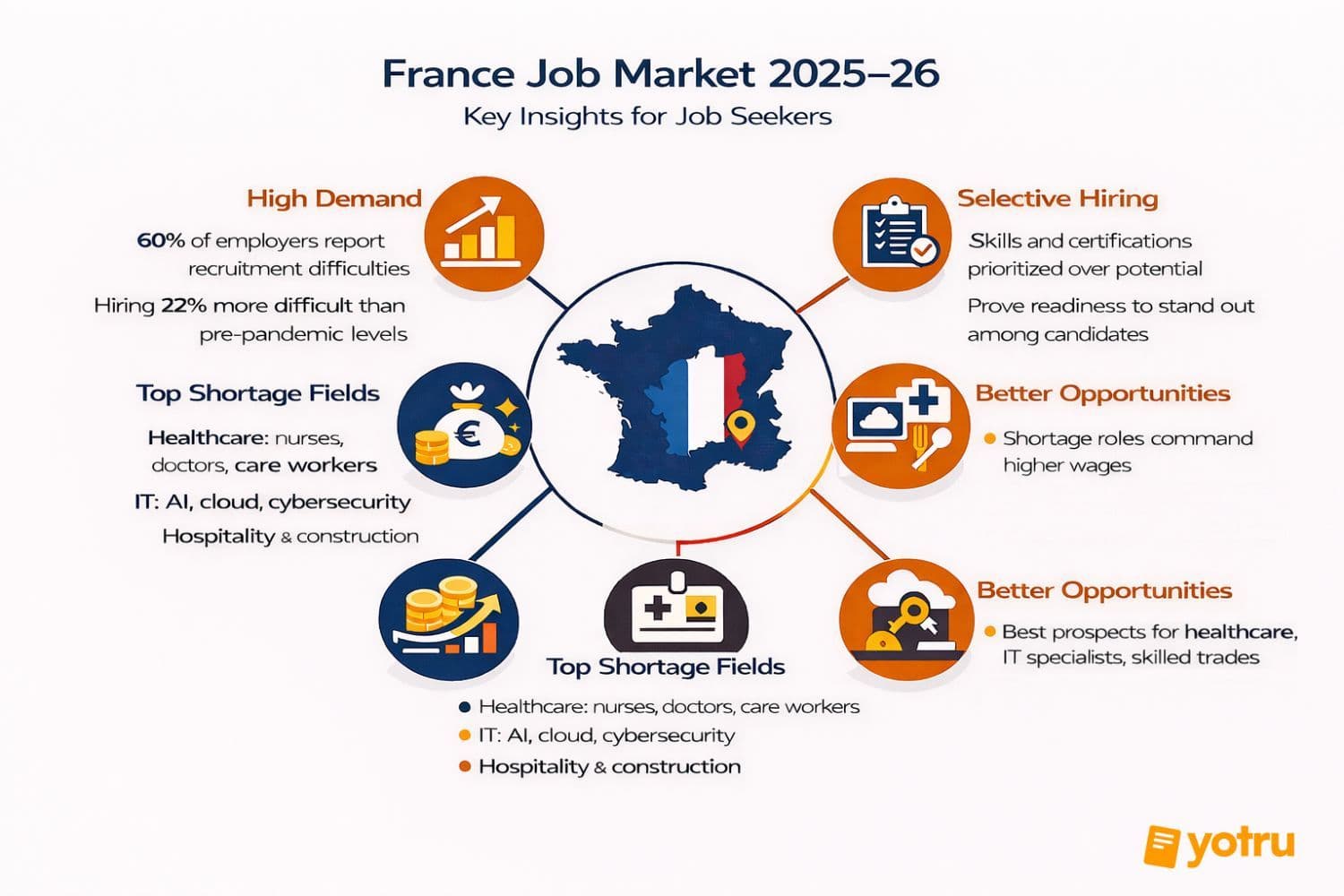
- Overall demand: 60% of employers report recruitment difficulties; labor tightness 22% above pre-COVID despite modest GDP growth
- Competition: Despite shortages, hiring highly selective; demonstrated readiness and skills certification matter more than potential
- Top shortage fields: Healthcare (nurses, doctors, care workers), IT (AI, cloud, cybersecurity), hospitality (336,000 jobs), construction
- Under pressure: Administrative/clerical roles face automation; traditional credentials matter less than demonstrable skills
- Wages in France: SMIC +1.18% to €1,823 gross monthly (2026); shortage roles command premiums above average +2% wage growth
- Best chances: Licensed healthcare professionals, IT specialists with emerging tech skills, hospitality workers, skilled trades
Jobs in France by sector
Healthcare and nursing jobs in France
France faces acute healthcare shortages driven by an aging population (20% over 65) and retiring professionals. Nursing shortages particularly severe in rural areas and public hospitals.
Salary in France:
- Registered nurses (public sector): €24,000–€43,000 gross annually (entry to experienced)
- Registered nurses (private sector): Up to €85,000 gross annually
- Specialized nurses (ICU, surgical): €40,000–€60,000 gross annually
- General practitioners: €60,000–€120,000 annually
- Care workers/aides-soignants: €22,000–€32,000 annually
- Strongest demand: Rural areas, Île-de-France, public hospitals with staffing pressure
Who's hiring:
- Public hospitals (AP-HP, CHU systems) — Largest employers; structured salary scales; job security
- Private clinics and hospitals — Higher earning potential; performance-based pay
- Elder care facilities (EHPAD) — Critical shortages; growing demand as population ages
- Home healthcare agencies — Flexible arrangements; expanding rapidly
- Rural healthcare facilities — Highest need; relocation support sometimes available
What you need:
- French nursing license (diplôme d'État): Required; international credentials must be recognized by Ministry of Health
- French language: B2 level minimum for patient safety; essential for licensure
- Specialized certifications: ICU, geriatrics, emergency care highly valued
- Cultural competence: Understanding French healthcare system and patient rights essential
Job posting signals: "infirmier/infirmière diplômé(e) d'État" (state-registered nurse), "CDI" (permanent contract), "métier en tension" (shortage occupation)
Hint
Public hospitals offer structured career progression and strong benefits (13th month salary, generous leave) but lower base pay than private sector. Private practice can earn significantly more (up to €85,000) but requires building patient base. Rural placements often include housing support and installation bonuses up to €50,000.
If you're applying from abroad:
- Non-EU nurses must obtain credential recognition from Ministry of Health
- French language proficiency (B2-C1) required for license and patient safety
- Process typically 6-12 months from credential evaluation to authorization
- Some hospitals offer integration programs for foreign-trained nurses
- Focus resume on specialized skills and patient outcomes to differentiate
How Yotru helps: [Yotru's resume builder(https://yotru.com/onboarding) helps healthcare professionals highlight specialized certifications, clinical experience, and French language proficiency in formats that match French employer expectations and pass ATS systems.

Technology and IT jobs in France
Europe faces massive tech talent shortage: EU needs 10 million more digital experts by 2030. France experiencing particularly acute demand in AI, cybersecurity, cloud computing, and data science.
Salary in France:
- Software developers: €40,000–€70,000 annually
- AI/machine learning specialists: €55,000–€95,000+ annually
- Cybersecurity professionals: €50,000–€85,000 annually
- Data scientists: €45,000–€80,000 annually
- Cloud engineers (AWS/Azure/GCP): €48,000–€75,000 annually
- DevOps engineers: €45,000–€75,000 annually
- Strongest demand: Paris/Île-de-France, Lyon, Toulouse, remote-friendly companies
Who's hiring:
- Tech giants and scale-ups — Google, Microsoft, Amazon, Criteo, BlaBlaCar, Doctolib
- Financial services — BNP Paribas, Société Générale, AXA digitalizing operations
- Consulting firms — Capgemini, Accenture, Sopra Steria facing chronic talent shortages
- Startups (French Tech) — Station F ecosystem; Paris, Lyon, Lille hubs
- Public sector — Government cybersecurity initiatives; stable but lower compensation
What you need:
- Specialized technical skills: AI/ML, cybersecurity, cloud architecture most in-demand
- Portfolio and GitHub: Demonstrable projects critical; credentials less important
- English proficiency: Increasingly valued; many roles English-primary in international companies
- French language: Helpful but not always required; B1-B2 opens more opportunities
Job posting signals: "télétravail possible" (remote possible), "compétences techniques" (technical skills), "startup dynamique" (dynamic startup), "cybersécurité" (cybersecurity)
Pro Tip
France increasingly embraces skills-based hiring in tech. 57% of EU firms can't find qualified tech staff, creating opportunities for career changers who can demonstrate capability through portfolios and projects. Focus resume on specific technologies (Python, Kubernetes, React) and measurable outcomes rather than traditional credentials. Remote work common (60%+ in tech sector).
If you're applying from abroad:
- EU Blue Card and Talent Passport ("Passeport Talent") facilitate entry for skilled IT professionals
- English-speaking roles concentrated in Paris, Lyon, remote-first companies
- Emphasize international collaboration experience and multicultural team work
- Tech sector offers highest visa sponsorship rates and salary thresholds
- Many companies sponsor during remote probation then relocate
How Yotru helps: [Yotru(https://yotru.com/onboarding) helps tech professionals present specialized skills clearly, create portfolios showcasing practical capabilities, and format resumes for both French ATS systems and international hiring managers.
Construction and skilled trades jobs in France
Construction sector faces persistent shortages of skilled workers. Demand driven by infrastructure renewal, energy transition projects (retrofitting buildings), and housing development.
Salary in France:
- Construction workers: €24,000–€38,000 annually
- Skilled electricians: €30,000–€48,000 annually
- Plumbers/pipefitters: €28,000–€45,000 annually
- Construction supervisors/site managers: €35,000–€55,000 annually
- Masons/carpenters: €26,000–€42,000 annually
- Strongest demand: Île-de-France, major urban centers, renewable energy projects
Market reality: Construction listed on official shortage occupations list across all French regions. Industry struggling with aging workforce and insufficient new entrants. Government retrofitting programs (energy efficiency) creating sustained demand.
What you need:
- French trade qualifications or recognized equivalents: CAP, BEP, Bac Pro in relevant trades
- Safety certifications: Mandatory construction site safety training (CACES for machinery)
- French language: Essential for site communication and safety protocols; B1 minimum
- Physical fitness: Demanding work environment; health assessments common
How Yotru helps: Construction professionals can use [Yotru's resume builder(https://yotru.com/onboarding) to translate trade certifications, safety training, and hands-on experience into formats that pass French ATS systems and highlight compliance with safety requirements.

Hospitality and tourism jobs in France
France is world's most visited country. Hospitality sector facing critical shortages: 336,000 jobs unfilled in 2025. Particularly acute need for roles requiring shift work and seasonal flexibility.
Salary in France:
- Restaurant servers: €1,823–€2,200 gross monthly (SMIC to experienced)
- Chefs/cooks: €1,900–€3,500 gross monthly (varies widely by establishment)
- Hotel reception: €1,900–€2,800 gross monthly
- Hotel managers: €2,800–€5,000+ gross monthly
- Housekeeping staff: €1,823–€2,000 gross monthly
- Strongest demand: Paris/Île-de-France (up to 50% foreign workers), Provence-Alpes-Côte d'Azur, ski resorts
Market reality: 8,000 restaurants closed in past 18 months due to staffing shortages. Hospitality on official shortage list nationwide. Regularization pathway for undocumented workers in hospitality extended through end of 2026.
What you need:
- Service experience: Demonstrated track record more important than formal credentials
- Language skills: French essential; English highly valued in tourist areas; other languages bonus
- Flexibility: Willingness to work evenings, weekends, seasonal variations
- Professional certifications: CAP cuisine, service qualifications valued but not always required
Pro Tip
In France, the strongest career leverage sits at the intersection of skills + sector shortages. Education professionals with STEM or language expertise and finance professionals who combine technical, digital, or risk skills are seeing the fastest salary growth and hiring demand. If you can bridge traditional roles with modern tech or international capability, your market value rises sharply.
Education and finance snapshot
Education jobs in France:
- Teacher shortages in STEM subjects and foreign languages
- Teachers: €30,000–€50,000 gross annually (depending on grade, experience)
- University lecturers: €35,000–€65,000 gross annually
- Private international schools: Higher salaries; English language instruction
- FLE (French as foreign language) instructors: Growing demand for teaching French to immigrants
Finance jobs in France:
- Financial analysts (Paris): €40,000–€75,000 annually
- Risk management specialists: €50,000–€80,000 annually
- FinTech roles: Growing rapidly; competitive salaries
- Paris maintains position as major EU financial center post-Brexit
- Banks digitalizing: driving demand for tech-savvy finance professionals
What's changing in the France job market
Slow growth meets persistent shortages
France's 2026 economy faces 0.9% GDP growth—modest by historical standards—yet labor shortages persist in key sectors. Unemployment at 7.7% masks acute mismatches between available workers and employer needs.
What this means:
- Selective hiring intensifies: Cost of mis-hire high; employers prioritize demonstrated readiness over potential
- Skills-based hiring gains ground: Portfolios and certifications matter more than traditional degrees, especially in tech
- Regional variations significant: Paris commands salary premiums (20-30%) but faces highest competition
- Contract types matter: CDI (permanent contracts) harder to obtain; many start with CDD (fixed-term) or interim
Shortage occupations list expanded
May 2025 update to official shortage occupations list ("métiers en tension") added roles in catering, cleaning, healthcare, agriculture, and industrial work while removing most engineering positions except in Île-de-France.
What this means:
- Visa sponsorship easier for shortage roles: Non-EU workers have streamlined work permit process
- Regularization pathway for undocumented workers: Extended through December 2026 for shortage occupations
- Labor market test exemptions: Employers can hire without proving unavailability of local candidates
- 95 occupations currently listed: Updated annually to reflect market realities

Wages rising modestly with inflation stabilizing
SMIC increased 1.18% to €1,823.03 gross monthly (January 2026). Average wages grew 2% nominally while inflation stabilized around 1.3%, allowing modest real wage gains.
What this means:
- Purchasing power recovering: Real wages catching up after inflation surge
- Shortage roles command premiums: IT, healthcare specialists earn above-average increases
- Benefits crucial: 13th month salary, meal vouchers (titres restaurant), transport subsidies add 20-30% to base pay
- Regional cost variations: Living costs in Paris significantly exceed provincial cities
Pro Tip
Remote work is now mainstream in France, but only in the right sectors. If you’re in tech or corporate roles, you can leverage hybrid or fully remote work to live outside major cities while earning Paris-level pay. For hands-on fields, flexibility is limited, but strong labor laws still protect work–life balance.
Remote work embedded but unevenly adopted
60% of professional roles now offer hybrid arrangements, up from 10% pre-pandemic. However, adoption varies dramatically by sector.
What this means:
- Tech and corporate roles: Hybrid standard; many offer full remote options
- Healthcare, hospitality, construction: On-site presence essential
- Geographic arbitrage possible: Live in lower-cost regions while earning Paris salaries (if remote)
- Work-life balance emphasis: French labor code protects right to disconnect
Getting started: what you need to know
Visa requirements vary by occupation and origin
- EU/EEA/Swiss citizens: No visa required; free movement within EU
- Talent Passport ("Passeport Talent"): For skilled workers; salary threshold €39,582 gross annually (approximately)
- EU Blue Card: High-skilled workers; similar requirements to Talent Passport
- Shortage occupation workers: Streamlined work permit process; labor market test exempted
- Regularization pathway: For undocumented workers in shortage roles (through December 2026)
Language requirements are sector-dependent
- Healthcare: French essential (B2-C1) for patient safety and licensure
- Hospitality: French essential for customer-facing roles; English valuable in tourist areas
- Tech sector: English often sufficient in international companies; French opens more opportunities
- Construction/trades: French essential for safety communication and team coordination
Contract types shape job security and benefits
- CDI (Contrat à Durée Indéterminée): Permanent contract; strongest protections and benefits
- CDD (Contrat à Durée Déterminée): Fixed-term contract; limited renewal; can transition to CDI
- Intérim (temporary/contract): Through staffing agencies; flexible but less security
- Freelance/auto-entrepreneur: Growing; requires business registration
Hiring timelines in France
- Tech startups: 2-4 weeks for strong candidates with skills-match
- Large corporations: 6-12 weeks with multiple interview rounds, cultural fit assessment
- Healthcare: Longer due to credential verification and licensure requirements
- Public sector: Competitive exams ("concours") required; lengthy process
Important
French hiring culture emphasizes cultural fit, long-term commitment, and integration into team dynamics. Labor protections make termination difficult, so employers assess carefully. Demonstrate understanding of French workplace culture—work-life balance, collaborative decision-making, attention to process—even when applying from abroad. References and recommendations ("recommandations") carry significant weight.
Cost of living varies dramatically
- Paris: Highest costs in France; salaries 20-30% above national average partially offset expenses
- Lyon, Marseille, Toulouse: Moderate costs with strong job markets; good balance
- Regional cities (Nantes, Bordeaux, Lille): 30-40% lower costs than Paris; growing opportunities
- Rural areas: Lowest costs; healthcare and education shortages create opportunities
Full visa details: France Visas Official Portal

Your job search game plan for France
If you're outside France:
- Target shortage occupations — Healthcare, IT, hospitality, construction have clearest pathways
- Assess language requirements — French essential for most; tech sector more flexible
- Build skills-focused resume — Use [Yotru's resume builder(https://yotru.com/onboarding) to emphasize demonstrable capabilities
- Research visa pathways — Talent Passport for skilled workers; shortage occupation fast-track
- Consider English-speaking companies — International firms in Paris, Lyon offer easier entry
If you're in France:
- Leverage training programs — France Travail (formerly Pôle Emploi) offers sector-specific training
- Emphasize transferable skills — Career changers increasingly accepted in shortage fields
- Network strategically — Professional networks ("réseaux professionnels") crucial; LinkedIn active
- Understand contract progressions — Many permanent positions start as CDD or interim
Pro Tip
France's traditional emphasis on credentials and grandes écoles is weakening in high-demand sectors. Tech companies increasingly hire based on portfolios and demonstrable skills. Healthcare accepts equivalency for foreign-trained professionals. Focus resume on how your experience solves employer problems rather than apologizing for non-traditional paths. Certifications (AWS, Cisco, nursing specialties) carry significant weight.
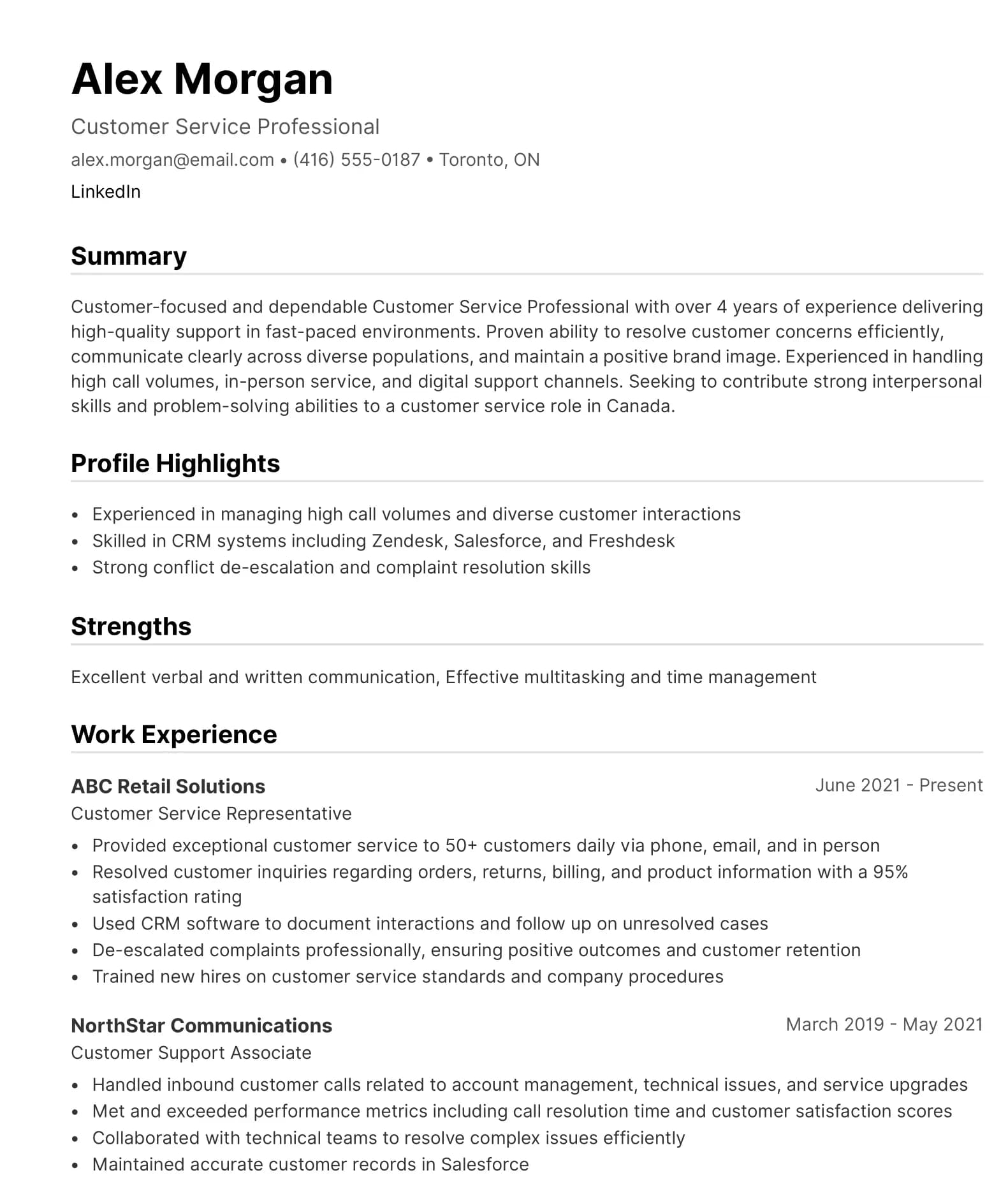
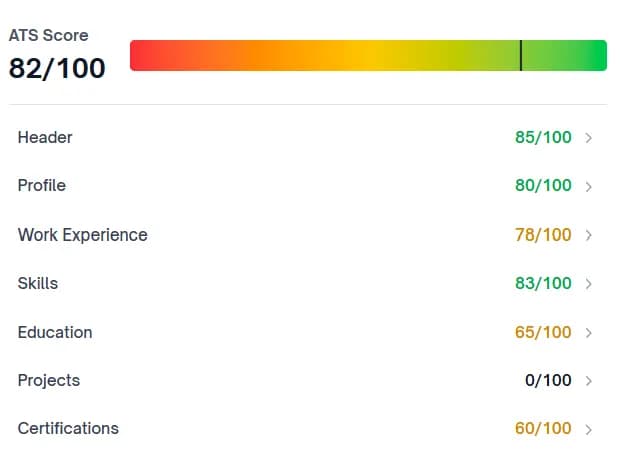
ATS-Optimized resumes That Meet Employer Standards
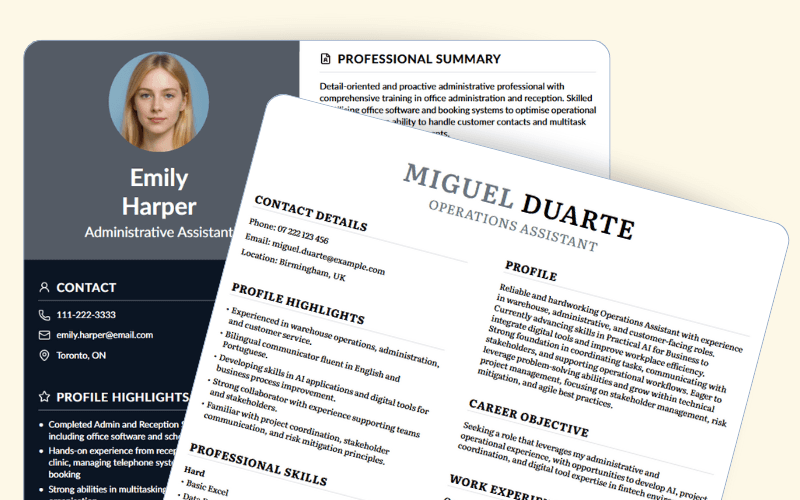
Our AI-powered scoring system helps organizations assess and standardize resume quality at scale. ATS-compliant templates support consistent formatting, keyword alignment, and interview readiness across cohorts.
Frequently asked questions
Yes, particularly if you work in shortage occupations. With unemployment at 7.7% and labor tightness 22% above pre-COVID levels, France faces persistent shortages in healthcare (aging population driving demand), IT (EU-wide shortage of 10 million tech workers by 2030), hospitality (336,000 jobs unfilled), and construction. However, hiring remains selective—employers prioritize candidates with demonstrated skills, relevant certifications, and language proficiency. Economic uncertainty makes employers cautious, but shortage sectors offer strong opportunities for qualified candidates.
About the Author

Team Yotru
Employability Systems
Team Yotru
Employability Systems
We build practical career tools for training providers and workforce programs, combining labor market insights with real employment outcomes. Follow us on LinkedIn.
Related Resources
Continue exploring related perspectives on career development, hiring trends, and workforce change.
Market and Research
- Hiring Trends in UK— UK job market outlook examining sectors hiring international workers, language requirements, and skilled migration pathways.
- Hiring Trends in Ireland— Ireland job market guide for international professionals, including tech sector demand and English-language opportunities.
- Hiring Trends in the United States— U.S. labor market conditions showing easing demand and persistent sectoral shortages.
- Hiring Trends in Canada — Canadian labor market outlook examining regional variations and skill requirements.
- Professional Networking Strategies— How to Build Connections That Lead to Career Opportunities
Resume Building and Optimization
- Make Your Resume ATS-Friendly in 5 Minutes— Simple, fast changes that help your resume pass applicant tracking systems without keyword stuffing.
- Single vs Double Column Resumes— ATS parsing works with both; keyword matching matters more than layout
- How to Target Job Keywords in Your Resume— A practical guide to matching your resume to job postings using the right keywords, naturally.
- AI Resume Builders vs Traditional— AI tools act as coaches and optimizers; traditional stops at formatting
- EMT Resume Job Description Guide— Patient assessment, CPR, trauma care keywords for emergency medical roles
- Executive Assistant Resume Keywords— ATS skills list for EA roles; organizational skills and efficiency critical
Example Resume Profiles
- Experienced Welder – Industrial Projects (France)— Skilled welder supporting industrial and infrastructure projects, meeting safety standards and labor shortages in skilled trades.
- Nurse – International Clinical Experience (France)— Qualified nurse with global clinical experience, supporting French healthcare teams amid staffing shortages and rising care demand.
- Nurse – Patient Care & Clinical Safety (France)— Patient-focused nurse delivering safe, compliant care in hospitals and care facilities across France’s strained health system.
- Cloud Engineer – Security & Automation (France)— Cloud engineer specializing in secure infrastructure, automation, and scalable systems for France’s growing tech sector.
- Hospitality Lead – Guest Experience (France)— Hospitality professional driving service quality, staff coordination, and guest satisfaction in high-demand tourism environments.
- Certified Electrician – Site Safety (France)— Certified electrician supporting construction and renovation projects with strong safety compliance and technical expertise.
Audience Context
This content is designed for job seekers, career changers, and workforce professionals navigating the French labor market. It explains where demand exists, how economic constraints and labor shortages shape hiring, and how individuals can align their skills with employer expectations in France's regulated yet opportunity-rich employment environment.
References
- INSEE Labour Force Survey Q3 2025 — Unemployment rate 7.7%, up 0.3 points YoY, employment trends, activity rates.
- INSEE Economic Dashboard 2025 — Payroll employment 21,030 thousand, unemployment 7.7%, consumer prices +0.9% November 2025.
- European Commission France Economic Forecast — Unemployment to 8.2% by 2027, employment decline 0.1% 2025, activity rate 75.3%.
- Banque de France Negotiated Wage Increases 2025 — Wage growth ~2% above inflation, SMIC adjustments, industry/firm level agreements.
- France 2025 Shortage Occupation List (EIG Law) — Construction workers, farmers, home helpers, hotel staff; regional variations, immigration law updates.
- Jobbatical France Shortage Occupations 2025 — Hiring guide for construction, agriculture, hospitality, logistics; bypasses labour market tests.
- Trading Economics France Wage Growth — 2.1% YoY Q2 2025, projections to 2.3% end-2025, historical trends excluding agriculture.
- OECD Employment Outlook 2025: France — Unemployment stable 7.1-7.4%, employment rate record 69.3%, below OECD average.
- INSEE Unemployment Rate Q2 2025 — Stable at 7.5%, quarterly revisions, labour force survey details.
- Arletti Partners French Minimum Wage 2026 — SMIC +1.18% from Jan 2026, driven by 2% wage growth and 0.8% inflation.
- CEIC France Labour Force Participation — 75.2% Sep 2025, down from 75.3%, historical highs/lows since 2003.
- Trading Economics France Unemployment Rate — 7.7% Q3 2025, up from 7.6%, aligned with expectations.
Research Methodology
This analysis draws on publicly available data from French government agencies (INSEE, Ministry of Labour), European Union labor market authorities (EURES, Eurostat), international economic institutions (OECD, European Commission), and sector-specific sources. It integrates employment statistics, sector-level demand indicators, wage data, and regulatory frameworks to reflect current and emerging trends in France.
Salary Data Normalization
Salary figures reflect estimated annual or monthly gross earnings in euros (€) before taxes and social contributions. Data is normalized using aggregated job postings, government labor statistics, industry salary surveys, and employer-reported ranges to account for regional variation (particularly Paris vs. provincial), role seniority, sector differences, and market conditions. Actual compensation may vary based on experience, employer, location, and negotiated terms. French compensation typically includes substantial non-wage benefits (13th month salary, meal vouchers, transport subsidies, comprehensive health coverage) adding 20-30% to stated base figures.
Editorial Standards
All content is developed using verified public data and reviewed for clarity, accuracy, and neutrality. Insights are grounded in observable labor market trends rather than promotional claims. Information is updated periodically to reflect changes in economic conditions, policy, and hiring demand.
Disclaimer
This content is provided for informational purposes only and does not constitute legal, immigration, or career advice. Readers should consult official government sources or qualified professionals before making employment or relocation decisions.
Maintained by: Labor Intelligence Group at Yotru
Review cycle: Monitored as market conditions evolve
Last updated: December 31, 2025
Questions or Need Support?
If you are working on employability programs, hiring strategy, career education, or workforce outcomes and want practical guidance, you are in the right place.
Yotru supports individuals and organizations navigating real hiring systems. That includes resumes and ATS screening, career readiness, program design, evidence collection, and alignment with employer expectations. We work across education, training, public sector, and industry to turn guidance into outcomes that actually hold up in practice.