Market
6 min read
Japan Jobs 2026: Hiring Trends + Salaries
Synopsis
Japan enters 2026 with unemployment at 2.6% and labor shortages reaching levels not seen in three decades, creating strong opportunities for workers with healthcare, technology, and skilled trades.
Japan enters 2026 with unemployment at 2.6%, the lowest among major economies, yet according to the Bank of Japan's Tankan survey, the diffusion index for employment conditions fell to -35—one of the lowest points in three decades, indicating widespread labor shortages. The job-to-applicant ratio stands at 1.18, meaning 118 openings for every 100 job seekers. Despite tight supply, hiring decisions remain selective, shaped by cost control and productivity expectations.
This guide explains where hiring is strongest in Japan, which skills matter most, and how to tailor your resume with Yotru's resume builder to stand out in this unique market.
Key Insight
Japan's 2.6% unemployment and 1.25 job-to-applicant ratio signal acute shortages in IT (220K gap), nursing, construction. Yields strong opportunities for skilled professionals despite selective hiring.
Whether you're a Japanese worker, a recent graduate, or an international professional considering opportunities in Japan, understanding the structural labor constraints is essential for making informed career decisions.
| Japan 2026: labor market at a glance | ||
|---|---|---|
| Indicator | 2026 estimate | Job Outlook |
| Unemployment rate | 2.6% (among lowest globally); employment rate 62.3% | High |
| Job vacancy level | 1.18 jobs per applicant; acute shortages in IT, nursing, construction | High |
| Top shortage sectors | IT/cybersecurity (220,000 shortage), nursing, and construction | High |
| Real wage trend | Nominal wages up 5.3%. Real wages stabilizing after inflation pressure | High |
| Strongest profiles | IT specialists, registered nurses, skilled construction workers, care workers | High |
Sources: Statistics Bureau of Japan, Ministry of Health, Labour and Welfare, OECD Employment Outlook 2025
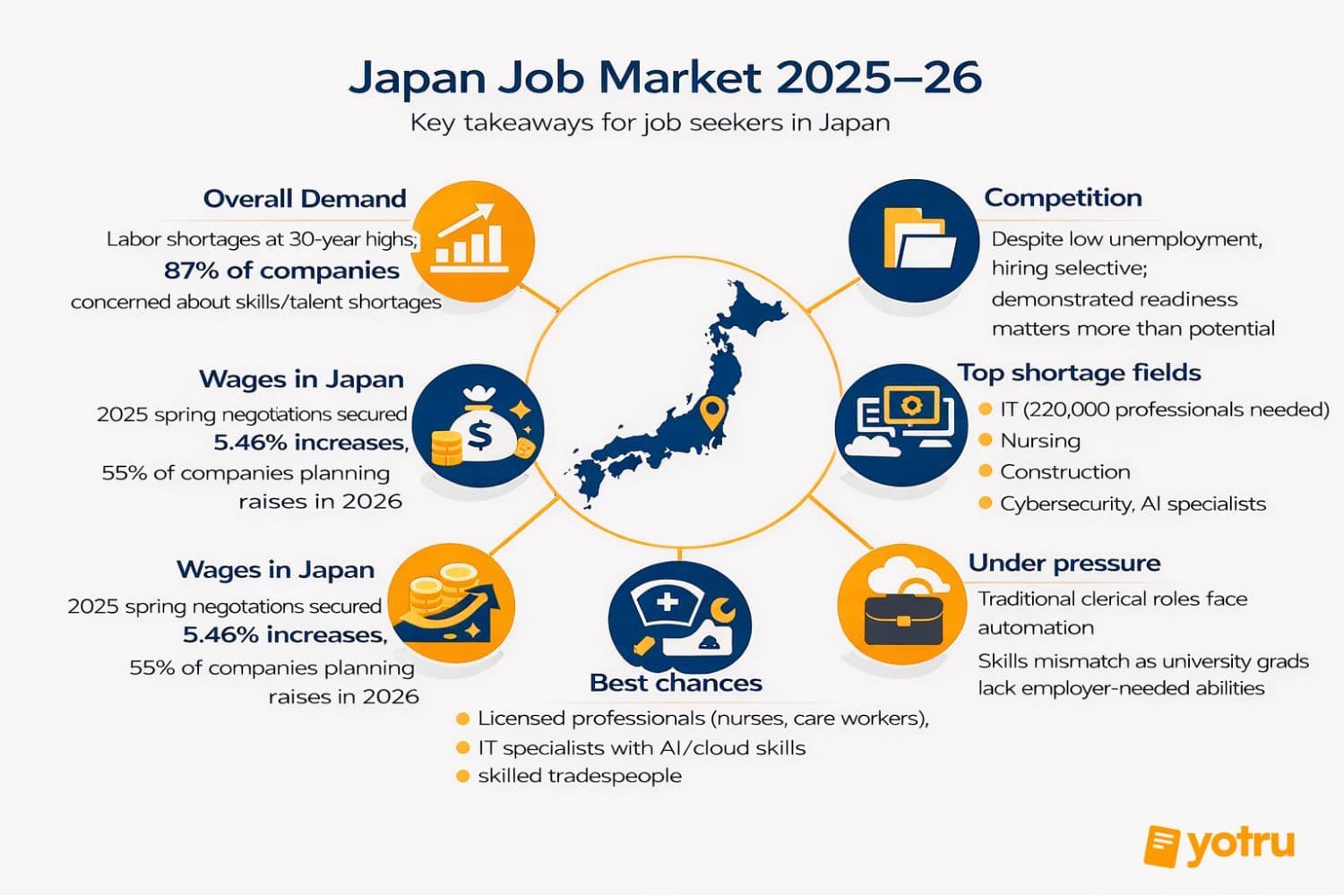
Key takeaways for job seekers in Japan
- Overall demand: Labor shortages at 30-year highs; 87% of companies concerned about skills/talent shortages
- Competition: Despite low unemployment, hiring selective; demonstrated readiness matters more than potential
- Top shortage fields: IT (220,000 professionals needed), nursing, construction, cybersecurity, AI specialists
- Under pressure: Traditional clerical roles face automation; skills mismatch as university grads lack employer-needed abilities
- Wages in Japan: 2025 spring negotiations secured 5.46% increases; 55% of companies planning raises in 2026
- Best chances: Licensed professionals (nurses, care workers), IT specialists with AI/cloud skills, skilled tradespeople. For details, read the entire guide on Jobs in Japan for foreigners.
Jobs in Japan by sector
Healthcare and nursing jobs in Japan
Japan faces nursing shortages with a job-to-applicant ratio of 3.7, meaning 3.7 openings for every applicant. Particularly acute in rural areas where aging demographics intensify demand.
Salary in Japan:
- Registered nurses: 5,650,000–9,900,000 JPY (entry to experienced)
- Specialized nurses (ICU, surgical): 9,400,000–13,600,000 JPY
- Care workers: 3,000,000–4,500,000 JPY
- Nurse practitioners: 10,000,000+ JPY
- Strongest demand: Rural areas, Tokyo, Osaka; public hospitals offer stability
Who's hiring:
- Public and private hospitals — Higher income, job stability; largest employers
- Rural healthcare facilities — Critical shortages; relocation support sometimes available
- Elder care facilities — Growing demand as 29.3% of population now 65+
- Specialized nursing roles — ICU, surgical, trauma command premium salaries
What you need:
- RN license: Required for all nursing positions; credential recognition for international nurses
- Japanese language: N3 level minimum for patient communication; N2 preferred
- Specialized certifications: ICU, emergency care, gerontology valued
- Cultural adaptation: Understanding Japanese healthcare protocols essential
Job posting signals: "看護師" (kango-shi/nurse), "正社員" (seishain/permanent employee), "経験者優遇" (experienced preferred)
Hint
Public hospitals typically offer 10-20% higher salaries than private clinics but may have stricter requirements. Consider rural placements—relocation allowances and housing support can significantly offset lower base pay
If you're applying from abroad:
- Foreign nurses must pass Japanese nursing examination after credential evaluation
- Language barrier significant—N2 Japanese proficiency typically required
- Some hospitals offer language training programs during probation period
- Focus resume on specialized skills (ICU, trauma, pediatrics) to stand out
- Process typically 12-18 months from application to licensure
How Yotru helps: Yotru's resume builder helps healthcare professionals highlight specialized certifications and clinical experience in formats that match Japanese employer expectations and pass ATS systems.

Technology and IT jobs in Japan
Japan projects a shortage of 220,000 IT professionals by 2025-2026, with demand especially strong in AI, cybersecurity, and cloud computing. 85% of employers struggle to fill tech roles—highest globally.
Salary in Japan:
- Software developers: 5,000,000–10,000,000 JPY
- AI/machine learning specialists: 8,000,000–15,000,000 JPY+
- Cybersecurity professionals: 7,000,000–13,000,000 JPY
- Data scientists: 6,000,000–12,000,000 JPY
- Cloud engineers (AWS/Azure): 6,500,000–11,000,000 JPY
- Strongest demand: Tokyo, Osaka, remote-friendly companies
Who's hiring:
- Large corporations — Toyota, Sony, Rakuten adapting to digital transformation
- Tech startups — Growing ecosystem in Tokyo, Fukuoka; equity compensation common
- Financial services — Banks and insurance companies digitalizing operations
- Government agencies — Cybersecurity initiatives; stable but lower salaries
What you need:
- Specialized skills: AI, cybersecurity, cloud computing most in-demand
- English proficiency: Increasingly valued; some roles English-primary
- Practical experience: Portfolio projects, GitHub contributions critical
- Japanese language: N2 helpful but not always required in international companies
Job posting signals: "リモート可" (remote possible), "英語使用" (English used), "AI開発" (AI development)
Pro Tip
Pro Tip: Japan is shifting from credential-based to skills-based hiring due to labor shortages. Career changers from finance, manufacturing, or education welcomed if demonstrable tech skills exist. Focus resume on specific technologies (Python, React, Kubernetes) rather than job titles.
If you're applying from abroad:
- "Highly skilled professional" visa fast-tracks entry for IT workers
- Some companies sponsor visa during remote probation period
- English-speaking roles concentrated in Tokyo tech hubs
- Emphasize international project experience and collaboration in multicultural teams
- Remote work adoption at 60% in tech sector; hybrid common
How Yotru helps: Yotru helps tech professionals present specialized skills clearly, highlight English proficiency, and create portfolios that demonstrate practical capabilities Japanese employers prioritize.
Construction and skilled trades jobs in Japan
Construction faces a job-to-applicant ratio of 4.6, the highest among all sectors. Aging workforce and infrastructure renewal driving sustained demand.
Salary in Japan:
- Construction workers: 3,200,000–5,200,000 JPY
- Skilled electricians: 4,500,000–7,000,000 JPY
- Plumbers/pipefitters: 4,000,000–6,500,000 JPY
- Construction supervisors: 5,000,000–8,000,000 JPY
- Strongest demand: Tokyo, Osaka, Fukuoka; Olympic infrastructure legacy projects
Market reality: 260 corporate bankruptcies in 2023 attributed solely to inability to secure workers. Government extending mandatory retirement age to 65 (effective April 2025) to retain experienced workers.
What you need:
- Trade certifications: Japanese qualifications required; some international credentials recognized
- Safety training: Mandatory construction site safety certifications
- Japanese language: Essential for site communication and safety protocols
- Physical stamina: Demanding work environment; health screenings common
How Yotru helps: Construction professionals can use Yotru's resume builder to translate trade certifications and hands-on experience into formats that pass Japanese ATS systems and highlight safety compliance.

Education and finance snapshot
Education jobs in Japan:
- Teacher shortage: 2,397 positions unfilled as of September 2025
- University professors: 5,000,000–8,000,000 JPY annually
- ALT (Assistant Language Teachers): 2,500,000–3,500,000 JPY
- International schools: Higher salaries; English proficiency valued
- Demand concentrated in elementary, junior high, special needs schools
Finance jobs in Japan:
- Finance professionals (Tokyo): 6,000,000–12,000,000 JPY
- Data analysts in finance: 5,500,000–10,000,000 JPY
- Risk management specialists: 6,500,000–11,000,000 JPY
- Surge in private equity deals creating investment manager roles
- Digital banking transformation driving fintech hiring
Please read the entire guide on Jobs in Japan for foreigners.
What's changing in the Japan job market
Demographic crisis shapes everything
Japan's population 65+ reached 36.25 million (29.3% of total population), creating severe workforce constraints. Working-age population continues shrinking.
What this means:
- Retention prioritized over recruitment: Cost of mis-hire extremely high in tight market
- Career changers welcomed: Construction, nursing, IT opening doors to mid-career transitions
- Mandatory retirement extended: Age 65 now standard; 83% of retirees want to continue working
- Foreign worker expansion: 2.3 million foreign workers as of October 2024; government targeting more
Skills-based hiring replacing credentials
Traditional lifetime employment and credential-based hiring giving way to skills focus. AI projected to replace clerical jobs while demand for tech skills soars.
What this means:
- Portfolio matters more than degrees: Demonstrate capability through projects, not just diplomas
- Reskilling emphasized: Government expanding training programs for AI, digital skills
- Mid-career hiring normalized: Professionals from finance, education pivoting into IT successfully
- Job posting transparency improving: Skills and experience requirements becoming clearer
Wage growth moderating but elevated
2025 spring negotiations secured 5.46% increases—highest since 1990-91. 2026 projected at 3.5-4.5% as momentum moderates.
What this means:
- Compensation remains competitive: 55% of companies planning salary increases
- Bonuses common: Large corporations include substantial bonus components
- Benefits expanding: Housing allowances, transportation, health insurance standard
- Skills premium: Shortage occupations command above-average increases

Getting started: what you need to know
Reality check for working in Japan
Visa requirements vary by occupation
- Highly skilled professional visa fast-tracks IT, engineering, research roles
- Work permits tied to specific employers; changing jobs requires new sponsorship
- 2.3 million foreign workers currently employed; pathways expanding
- Japanese language proficiency often required for visa applications
Language barriers are real
- N2 Japanese proficiency standard for most roles
- Tech sector increasingly English-friendly; some roles English-primary
- Patient-facing healthcare roles require N3 minimum for safety
- Investment in language training yields career advancement
Hiring timelines in Japan
- Tech startups: 2-4 weeks for strong candidates
- Large corporations: 4-8 weeks with multiple interview rounds
- Healthcare/licensed roles: Longer due to credential verification
- Construction: Can move quickly due to acute shortages
Important
Japan's hiring culture emphasizes cultural fit and long-term commitment. Employers assess whether candidates will integrate into team dynamics. Demonstrate understanding of Japanese workplace practices—punctuality, respect for hierarchy, attention to detail—even if applying from abroad.
Cost of living varies dramatically
- Tokyo: Highest costs; salaries 20-30% above national average offset partially
- Osaka, Nagoya: Moderate costs with strong job markets
- Regional cities: 30-40% lower costs but fewer opportunities in tech
- Rural areas: Lowest costs; healthcare and education shortages create opportunities
Full visa details: Ministry of Foreign Affairs - Visa Information

Your job search game plan for Japan
If you're outside Japan:
- Target shortage occupations — IT, nursing, construction have clearest pathways and visa support
- Assess language requirements — N2 proficiency expected for most; tech sector more flexible
- Build skills-focused resume — Use Yotru's resume builder to emphasize practical capabilities, not just credentials
- Research visa pathways — Highly skilled professional visa if qualified; sponsored work permits for others
- Consider English-speaking companies — Large multinationals, tech startups offer easier entry
If you're in Japan:
- Leverage reskilling programs — Government and private sector offer training in AI, digital, care sectors
- Emphasize transferable skills — Mid-career transitions increasingly accepted
- Network strategically — Referrals carry significant weight in Japanese hiring culture
Pro Tip
Japan's traditional reluctance to hire mid-career is breaking down due to labor shortages. Professionals at 40-50 successfully transitioning industries. Focus on how your experience solves employer problems rather than apologizing for non-traditional path.
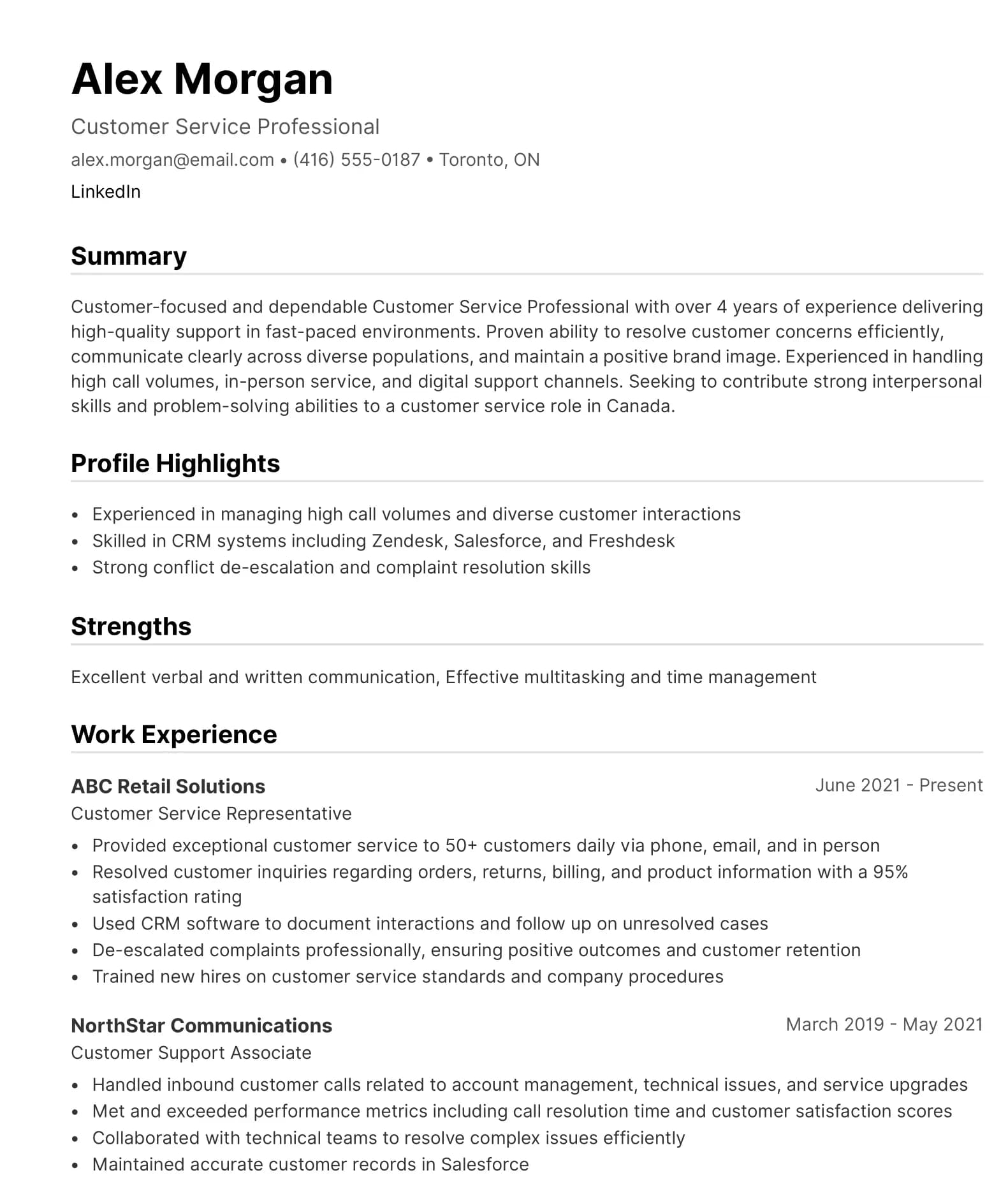
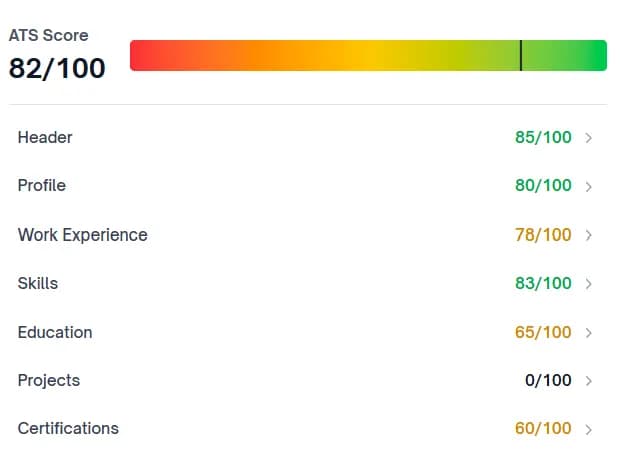
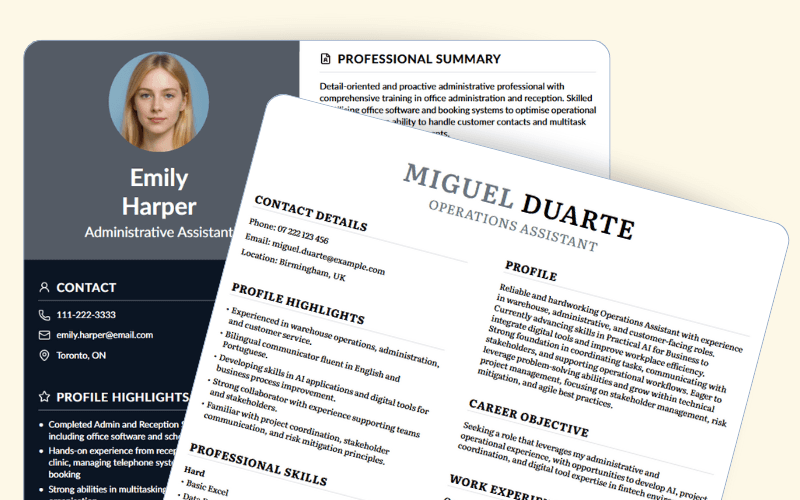
ATS-Optimized resumes That Meet Employer Standards
Our AI-powered scoring system helps organizations assess and standardize resume quality at scale. ATS-compliant templates support consistent formatting, keyword alignment, and interview readiness across cohorts.
Frequently asked questions
Yes, particularly if you work in shortage occupations. With unemployment at 2.6% and a job-to-applicant ratio of 1.18, Japan faces labor shortages not seen in 30 years. IT professionals (220,000 shortage), nurses (ratio 3.7), and construction workers (ratio 4.6) have strongest opportunities. However, hiring remains selective—employers prioritize candidates with demonstrated readiness and low ramp-up time. Foreign workers welcomed in shortage fields but language proficiency often required.
About the Author

Team Yotru
Employability Systems
Team Yotru
Employability Systems
We build practical career tools for training providers and workforce programs, combining labor market insights with real employment outcomes. Follow us on LinkedIn.
Related Resources
Continue exploring related perspectives on career development, hiring trends, and workforce change.
Market and Research
- Hiring Trends in UK— UK job market outlook examining sectors hiring international workers, language requirements, and skilled migration pathways.
- Hiring Trends in Ireland— Ireland job market guide for international professionals, including tech sector demand and English-language opportunities.
- Hiring Trends in the United States— U.S. labor market conditions showing easing demand and persistent sectoral shortages.
- Hiring Trends in Canada — Canadian labor market outlook examining regional variations and skill requirements.
- ChatGPT Resume Builder Guide— AI writing assistant creates polished, ATS-ready content in minutes
Resume Building and Optimization
- Make Your Resume ATS-Friendly in 5 Minutes— Simple, fast changes that help your resume pass applicant tracking systems without keyword stuffing.
- Single vs Double Column Resumes— ATS parsing works with both; keyword matching matters more than layout
- How to Target Job Keywords in Your Resume— A practical guide to matching your resume to job postings using the right keywords, naturally.
- Cover letter styles— What type of cover letter is the most useful and why
- EMT Resume Job Description Guide— Patient assessment, CPR, trauma care keywords for emergency medical roles
- Executive Assistant Resume Keywords— ATS skills list for EA roles; organizational skills and efficiency critical
- AI Resume Builders vs Traditional— AI tools act as coaches and optimizers; traditional stops at formatting
Example Resume Profiles
- Accounting Assistant — Accountants in demand at all levels
- Emergency & ICU Physician (Critical)— Healthcare professionals are always in demand
- Machine Learning Engineer (AI Focus)— AI/ML specialists earn 8M-15M+ JPY; critical 220,000 IT shortage
- IT Infrastructure Technician— IT support roles stable; cloud/infrastructure skills in demand
- AI/ML Engineer (NLP Specialist)— Government targeting 5% GDP in AI; English-speaking talent prioritized
- Industrial Electrician (Manufacturing)— Manufacturing exports up 32.5%; Industry 4.0 skills in high demand
Audience Context
This content is designed for job seekers, career changers, and workforce professionals navigating the Japanese labor market. It explains where demand exists, how demographic constraints shape hiring, and how individuals can align their skills with employer expectations in Japan's unique employment environment.
References
- Statistics Bureau of Japan — Unemployment 2.5%, employment rate 62.3% record high.
- Ministry of Health, Labour and Welfare — Job-to-applicant ratio 1.25, nursing 3.7, construction 4.6.
- OECD Employment Outlook 2025 — Labour tightness, gender gap 22%, ageing workforce analysis.
- Bank of Japan Tankan Survey — Employment DI -38 all industries (Q4 2025).
- Robert Walters Japan Salary Survey — 91% firms face skills shortage, wage rise expectations.
- Mitsubishi Research Institute — 1.7M tech shortage by 2030, skills-based hiring trends.
- Immigration Services Agency — 2.3M foreign workers, Specified Skilled Worker visas.
- JETRO Economic Outlook — FDI trends, labour market and growth forecasts 2025.
- Japan Institute for Labour Policy — Job openings ratio 1.25, regular staff 1.03 (Oct 2025).
- Recruit Works Institute — Shunto wage negotiations, career changer trends 2026.
- Japan Productivity Center — Labour productivity, skills mismatch analysis.
- Tokyo Stock Exchange Labor Reports — Corporate employment conditions, overtime trends.
Research Methodology
This analysis draws on publicly available data from Japanese government agencies, labor market institutions, international economic sources, and industry analysis. It integrates employment statistics, sector-level demand indicators, and demographic projections to reflect current and emerging trends in Japan.
Salary Data Normalization
Salary figures reflect estimated annual gross earnings in Japanese Yen (JPY) before taxes. Data is normalized using aggregated job postings, government labor statistics, industry salary surveys, and employer-reported ranges to account for regional variation, role seniority, and market conditions. Actual compensation may vary based on experience, employer, location, and negotiated terms. Large corporations typically include substantial bonuses (3-4 months annually) not reflected in base figures.
Editorial Standards
All content is developed using verified public data and reviewed for clarity, accuracy, and neutrality. Insights are grounded in observable labor market trends rather than promotional claims. Information is updated periodically to reflect changes in economic conditions, policy, and hiring demand.
Disclaimer
This content is provided for informational purposes only and does not constitute legal, immigration, or career advice. Readers should consult official government sources or qualified professionals before making employment or relocation decisions.
Maintained by: Labor Intelligence Group at Yotru
Review cycle: Monitored as market conditions evolve
Last updated: February 13, 2026
Questions or Need Support?
If you are working on employability programs, hiring strategy, career education, or workforce outcomes and want practical guidance, you are in the right place.
Yotru supports individuals and organizations navigating real hiring systems. That includes resumes and ATS screening, career readiness, program design, evidence collection, and alignment with employer expectations. We work across education, training, public sector, and industry to turn guidance into outcomes that actually hold up in practice.