Employability
5 min read
How to Use a Networking Resume to Build Stronger Professional Connections
Synopsis
A practical guide to using a networking resume to support professional conversations, strengthen relationships, and make it easier for others to understand your experience and career direction.
Key Insight
Many professionals see a resume purely as a document to submit during job applications. However, it can also be a valuable networking tool when used appropriately.
Networking Resume: What It Is and How to Use One
The differentiating factor lies in your purpose for sharing the resume. Networking’s aim is not to immediately secure a job, but rather to form connections. Similarly, a networking resume helps others understand who you are so they can offer advice, perspective, or even introductions. You should not distribute it as a job application. While this does not replace professional conversations, it can certainly enhance them.
What is a Networking Resume (and When to Use It)
A networking resume is similar to a traditional resume, with a few key differences. The main difference is that networking resumes are typically much shorter and focus more on your individual identity rather than being a tailored document for job applications.
Instead of detailing your entire job history, a networking resume highlights the most important aspects of your professional career. Its purpose is to give potential contacts a brief understanding of your background, strengths, and career direction.
Since the goal is to foster conversation, the document should remain concise and easy to read. When used as a professional snapshot, the resume serves as a networking tool rather than a job application document.
What Goes on a Networking Resume?
As mentioned, a networking resume should be concise and focused. Many professionals opt for a one-page “professional profile” or career snapshot instead of a full resume.
This abbreviated version can contain:
- A short professional summary
- Key skills and areas of expertise
- A few notable accomplishments or projects
- The types of roles or industries you are seeking or exploring
The goal is not to document every role you've held but to provide a quick overview of your professional strengths and career direction.
Don’t Lead with the Networking Resume, Use It to Follow Up
Networking is most effective when the focus is on conversation rather than documents.
When meeting someone new, prioritize building a relationship through discussion. Ask questions about their work, their industry, and their experiences.
Your resume should only appear when it helps the conversation. Most often, this is only when someone asks for more details about your background or expresses interest in introducing you to someone else.
Instead of handing out printed resumes during meetings or events, it’s generally better to share digital copies of your resume afterward.
Sending it via email or linking to your professional profile allows the other person to review it at their convenience. This approach keeps the initial interaction centered on ideas and discussion rather than on documents, making it feel more natural and respectful.
Focus on Value
When you do share a resume in a networking context, present it as a reference document rather than a job request.
Your resume should help the other person understand:
- The types of problems you can solve
- Where your experience is the strongest
- What kinds of opportunities you are exploring
Providing this clarity makes it easier for them to offer helpful advice or connect you with relevant contacts.
Why Not to Bring a Traditional Resume
While resumes can be helpful for networking, bringing a printed, traditional resume to every meeting or event can sometimes send the wrong signal.
Interactions Can Appear Transactional
If the first thing someone receives is a resume, it can make the interaction feel like a job request rather than a professional conversation.
Networking is most effective when the focus is on learning, sharing ideas, and building relationships over time.
Traditional Resumes Can Limit the Conversation
A resume naturally emphasizes past roles and responsibilities. When it dominates the conversation, it can shift attention away from future opportunities, industry insights, or shared interests.
Networking conversations are typically more valuable when they explore possibilities rather than simply reviewing career history.
Traditional Resumes Can Become Outdated Quickly
Printed resumes can also become outdated almost immediately.
During conversations, new ideas, opportunities, or goals may emerge, and a static document cannot reflect these evolving insights.
Strike a Balance
The most effective networking tools are often simple:
- A clear elevator pitch that explains your background and goals
- Thoughtful questions about the other person’s work
- Genuine curiosity about the industry or role
These elements create stronger professional connections than any document alone. Again, while a resume can support networking, it works best as a follow-up resource to help you maintain contact, rather than being the starting point of the discussion.
How to Create a Networking Resume (with Examples)
1. Start With a Clear, Professional Header
Include basic contact information so someone can reach you easily. If it takes too much effort to find you, they likely won’t bother.
Example
Name City, State Email | Phone | LinkedIn
You do not need to provide a full street address. A general location is enough.
2. Add a Short Professional Summary
This is the most important part of a networking resume. In 2 to 4 lines, explain:
- What you do
- Your key strengths
- What type of opportunities you are interested in
Example
Marketing professional with five years of experience in digital campaigns and brand growth. Skilled in content strategy, analytics, and social media management. Currently interested in opportunities in tech and SaaS marketing.
This helps the person immediately understand how they can help you.
3. Highlight Key Skills
Instead of long paragraphs, list your most relevant skills.
Example:
Key Skills
- Project Management
- Data Analysis
- Client Communication
- Digital Marketing Strategy
- Campaign Optimization
For networking resumes, skills should reflect how you can add value, not just list previous job tasks.
4. Include Selected Experience (Short Version)
Do not include every job detail. Focus on the roles most relevant to your goals. Use short bullet points and be specific.
Example:
Marketing Specialist | BrightWave Media | 2021–Present
- Managed digital campaigns, generating 40% growth in online engagement
- Collaborated with design and product teams on brand initiatives
- Analyzed campaign performance to improve conversion rates
5. Add Education (Brief)
List your most relevant education or certifications.
Example:
Bachelor of Business Administration University of Texas
6. Optional Sections That Help Networking
Networking resumes can include sections that start conversations.
Examples:
Professional Interests
- Marketing analytics
- Brand storytelling
- Customer experience design
Projects
- Launched personal blog reaching 10k monthly readers
- Developed marketing strategy for local nonprofit
These sections give people easy ways to connect you with opportunities.
Conclusion
A networking resume can be a valuable tool, but it should never replace genuine conversation or relationship-building. When used effectively, a networking resume helps others remember your strengths, share your profile with potential contacts, and connect you with opportunities that align with your goals.
In this way, the document serves not just as a record of your past work but also as a means to communicate your professional direction and to enhance the relationships that shape your career.
About the Author

Hannah Verkler
Media Relations Lead
Hannah Verkler
Media Relations Lead
Hannah leads media relations and external communications at Yotru, helping share the company’s work with journalists, partners, and the workforce community.
Frequently Asked Questions
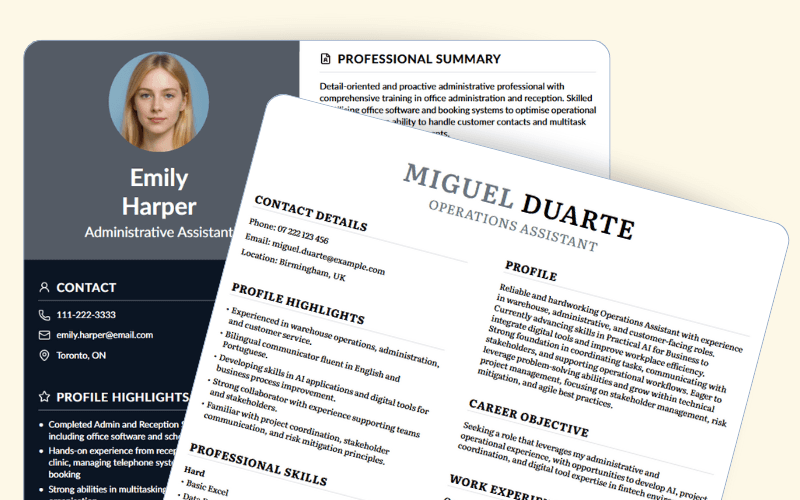
A networking resume is a short, one-page version of a traditional resume designed to support professional conversations rather than job applications. It highlights key skills, accomplishments, and career interests so that others can quickly understand your background and offer advice, guidance, or introductions.
Audience Context
This guide is designed for job seekers, career changers, and early- to mid-career professionals who want to approach networking more intentionally. It is also relevant to career coaches, workforce programs, and educators who help learners build professional connections and navigate career transitions.
Research Methodology
This article synthesizes widely accepted career development practices from workforce educators, hiring managers, and professional networking guidance. It focuses on practical strategies that help individuals communicate their experience clearly while building authentic professional relationships.
Editorial Standards
Yotru publishes research-informed career guidance designed to help readers navigate modern hiring systems. Content is written to prioritize clarity, practical application, and neutrality. Articles avoid promotional claims and focus on actionable insights that support long-term employability.
Disclaimer
This article is intended for informational and educational purposes only. Career outcomes vary based on industry, experience, and individual circumstances. Readers should use professional judgment and seek additional guidance from career advisors or industry professionals when making career decisions.
Yotru Insights
Resume Building & Optimization
- How to Build a Professional Resume in Microsoft Word – Create ATS-friendly resumes using widely available tools
- Make Your Resume ATS-Friendly in 5 Minutes – Quick formatting adjustments that improve screening outcomes
Skills & Career Development
- Interview Preparation Tips: How to Prepare and Impress Employers – Comprehensive guidance on interview readiness beyond background settings
- What Really Matters in Job Interviews: Practical Advice That Actually Works – Evidence-based interview strategies
Yotru Tools & Templates
- Yotru Resume Builder – AI-assisted resume creation with ATS optimization
- Interview Preparation Platform – Practice tools and guidance for virtual and in-person interviews
References
- National Association of Colleges and Employers. (2023). Job outlook 2023: Spring update. NACE. https://www.naceweb.org/research/mediaserver.uaptc+1
- Organisation for Economic Co-operation and Development. (2023). OECD employment outlook 2023. OECD Publishing. https://doi.org/10.1787/08785bba-enoecd+1
- U.S. Bureau of Labor Statistics. (2024). Job openings and labor turnover summary. U.S. Department of Labor. https://www.bls.gov/news.release/jolts.nr0.htmihire
- World Economic Forum. (2023). The future of jobs report 2023. World Economic Forum. https://www.weforum.org/reports/the-future-of-jobs-report-2023/descworld+1
- Society for Human Resource Management. (2023). Talent access: Hiring and recruiting trends report. SHRM. https://www.shrm.org/topics-tools/researchlinkedin
Maintained by: Labor Intelligence Group at Yotru
Review cycle: Reviewed regularly to reflect market changes
Last updated: March 7, 2026
Questions or Need Support?
If you are working on employability programs, hiring strategy, career education, or workforce outcomes and want practical guidance, you are in the right place.
Yotru supports individuals and organizations navigating real hiring systems. That includes resumes and ATS screening, career readiness, program design, evidence collection, and alignment with employer expectations. We work across education, training, public sector, and industry to turn guidance into outcomes that actually hold up in practice.