
Employability
3 min read
How to Write a Resignation Letter in 2026 (Clear, Professional, and Future-Proof)
Synopsis
For professionals planning a career move. Learn how to write a clear, professional resignation letter in 2026 that protects your reputation and keeps future options open.
Resignation letters in 2026 are simple, professional records. They are no longer long, formal, or emotional. A modern resignation letter is short, respectful, and focused on leaving on good terms.
It is not a place for explanations, justifications, or detailed feedback. Once submitted, it becomes part of your HR file and may appear in background checks and ATS records long after you leave.
This guide explains how to write a clear, professional resignation letter that protects your reputation and supports future career moves.
Key Insight
A good resignation letter protects your professional reputation by creating a clear, neutral record of your departure that supports future references, background checks, and ATS-based hiring systems.
What a resignation letter is for in 2026
A resignation letter now serves three main purposes:
- It formally documents your decision to resign
- It confirms your notice period and last working day
- It preserves a positive professional relationship
That’s it. Anything beyond that is optional.
What to include in a modern resignation letter
A strong resignation letter in 2026 includes only the essentials.
You should include:
- A clear statement that you are resigning
- Your intended last working day
- A brief, neutral tone
- A short expression of appreciation (optional but recommended)
Clarity matters more than length.
What to leave out (this matters more than ever)
Do not include:
- Complaints or frustrations
- Reasons for leaving unless required
- Feedback about management or culture
- Emotional language
- Future plans or where you are going next
Even if your experience was difficult, keep the letter clean. Conversations can happen separately if needed.
How formal should a resignation letter be?
The appropriate tone depends on your workplace culture, but in most cases, professional and neutral is better than overly formal or stiff.
A friendly tone is usually acceptable. Casual language, jokes, or emotional phrasing are risky and should be avoided. Resignation letters work best when they are clear, brief, and focused on essentials rather than polished prose.
In Canada, the United States, and the United Kingdom, resignation letters are increasingly concise and practical. One short paragraph is often sufficient.
In parts of Europe, slightly more formal language may still be expected, particularly in traditional industries. However, clarity and brevity remain valued across most professional settings.
Pro Tip
Aim for professional, neutral language that reflects your workplace culture. Avoid emotional, casual, or sarcastic wording. Keep the letter short, factual, and focused on notice dates and transition responsibilities.
A simple resignation letter example (2026-ready)
Here is a format that works across industries and regions:
“Dear [Manager’s Name],
Please accept this email as formal notice of my resignation from my role as [Job Title]. My last working day will be [Date], in line with my notice period.
Thank you for the opportunities and experience during my time here. I appreciate the support and collaboration I’ve had with the team.
Kind regards,
[Your Name]”
This is enough. You do not need more.
If you are resigning from a remote or global role
For remote-first or international teams:
- Email is usually acceptable
- Follow up verbally if possible
- Keep wording extra clear about dates and notice
Avoid messaging platforms like Slack or Teams for the formal resignation itself. Use email for record-keeping.
If you are leaving on bad terms
Even then, keep the letter neutral.
A resignation letter is not the place to “set the record straight.” Protect your reputation. You may need references later, even from people you do not expect.
Should you still write a resignation letter if you already told your manager?
Yes. A verbal resignation and a written resignation serve different purposes.
Your conversation with your manager is about professionalism and respect. It allows you to communicate your decision directly and support a smooth transition.
Your written resignation is about documentation. It creates an official record for HR, confirms your last working day, and ensures your departure is properly processed in company systems.
Most organizations require written notice even if your manager already knows.
Important
A written resignation creates an official HR record, confirms notice dates, supports payroll and benefits processing, protects against disputes, and helps maintain accurate employment history for future background checks and ATS-based applications.
How Yotru fits into career transitions
Yotru supports this transition by helping individuals prepare job-search materials before resignation occurs, reducing gaps, inconsistencies, and last-minute errors. The platform is designed to help users maintain accurate dates, role descriptions, and employment histories that align across resignation letters, resumes, and ATS uploads.
By treating resignation, resume preparation, and job applications as connected stages rather than separate tasks, Yotru helps users move forward with clarity and professionalism.
Yotru helps you:
• Prepare and review your resume before resigning
• Keep employment timelines and dates consistent
• Align resume content with ATS screening requirements
• Transition smoothly into your next role
• Maintain a professional standard throughout the job search
Career moves are connected decisions. Preparing them as a system, rather than in isolation, reduces risk and improves outcomes.
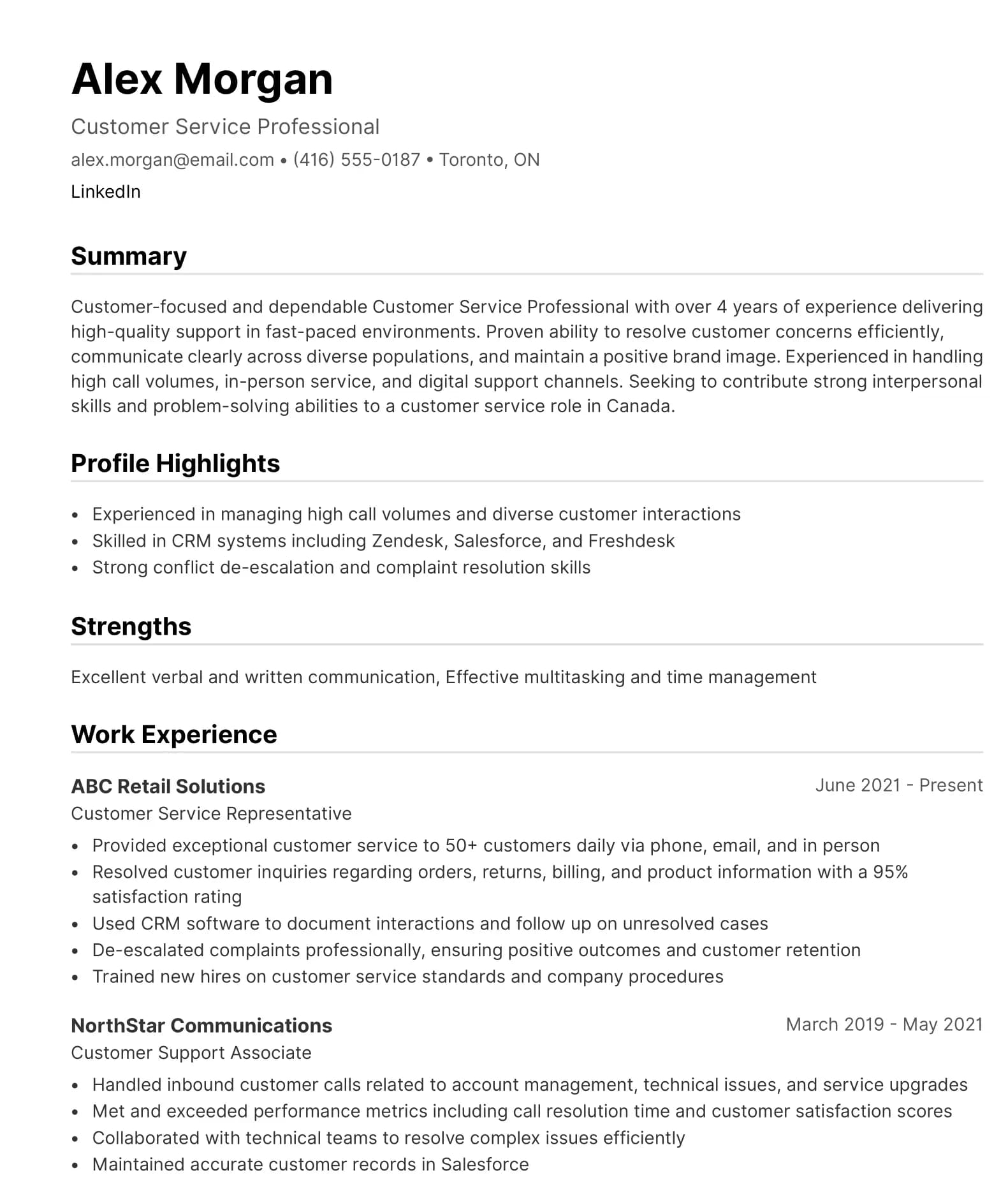
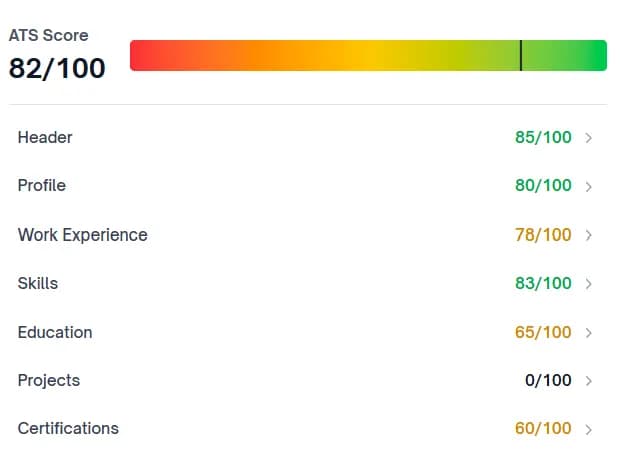
ATS-Optimized resumes That Meet Employer Standards
Our AI-powered scoring system helps organizations assess and standardize resume quality at scale. ATS-compliant templates support consistent formatting, keyword alignment, and interview readiness across cohorts.
About the Author

Team Yotru
Employability Systems
Team Yotru
Employability Systems
We build practical career tools for training providers and workforce programs, combining labor market insights with real employment outcomes. Follow us on LinkedIn.
Frequently Asked Questions
A resignation letter should include your intention to resign, your last working day, a brief expression of appreciation, and a professional closing. It should be clear, concise, and factual.
Audience Context
This resource is designed for employees, job seekers, and early-career professionals seeking practical guidance on workplace communication and career transitions. It is intended to support individuals in writing clear, professional resignation letters that reflect standard employment practices. All content is developed in line with editorial standards that prioritize accuracy, neutrality, and relevance. Information is based on commonly accepted workplace norms, general employment practices, and publicly available guidance. We avoid sensationalism, unsupported claims, and employer-specific assumptions. Examples and recommendations are written to be adaptable across industries, roles, and regions. Readers are encouraged to consider their own contracts, company policies, and local regulations when applying this guidance.
Editorial Standards
This content is produced using a structured review process focused on:
• Clarity and practical usefulness
• Professional tone and workplace appropriateness
• Neutral, non-partisan language
• Consistency with general HR and employment norms
• Regular updates to reflect evolving workplace practices
We do not promote specific employers, legal services, or recruitment platforms within informational guides.
Disclaimer
This guide is provided for general informational purposes only and does not constitute legal, HR, or professional advice. Employment laws, notice requirements, and contractual obligations vary by jurisdiction and employer.
Readers should consult their employment contract, HR department, or a qualified legal professional before making decisions related to resignation or termination.
The publisher assumes no responsibility for actions taken based on this content.
References
- Coppola, P. J. (2022). Making the difficult career transition: Writing the next chapter during the Great Resignation or in the future. Frontiers in Psychology, 13, 905813. https://doi.org/10.3389/fpsyg.2022.905813
- Randstad Hong Kong. (2022, February 10). 8 professional resignation letter samples and templates you can use. Randstad. https://www.randstad.com.hk/career-advice/tips-and-resources/8-resignation-letter-samples-templates
- Michael Page. (2023, December 13). Examples of a good resignation letter. Michael Page. https://www.michaelpage.com/advice/career-advice/making-your-next-career-move/examples-of-good-resignation-letter
- Michael Page. (2025, August 6). 5 resignation letter templates for every situation. Michael Page. https://www.michaelpage.com/advice/career-advice/resignation-letter-templates
- Michael Page Netherlands. (2026, January 12). How to write a resignation letter: Our top templates and tips. Michael Page. https://www.michaelpage.nl/en/advice/career-advice/career-development/resignation-letter-templates-and-tips
Maintained by: Employability & Skills Group at Yotru
Review cycle: Regularly reviewed to reflect real-world practice
Last updated: February 11, 2026
Questions or Need Support?
If you are working on employability programs, hiring strategy, career education, or workforce outcomes and want practical guidance, you are in the right place.
Yotru supports individuals and organizations navigating real hiring systems. That includes resumes and ATS screening, career readiness, program design, evidence collection, and alignment with employer expectations. We work across education, training, public sector, and industry to turn guidance into outcomes that actually hold up in practice.