
Market
5 min read
Hiring Trends in Saudi Arabia for 2026: Scale, Localisation, and Delivery Pressure
Synopsis
Saudi Arabia’s 2026 hiring market is driven by Vision 2030 projects, Saudisation enforcement, tight labour supply, and growing demand for delivery-ready skills.
This article provides a qualitative overview of hiring trends informed by official labour data, Vision 2030 programme signals, and employer hiring patterns. It is intended to support workforce planning rather than formal forecasting. Conditions vary significantly by sector, region, and project phase.
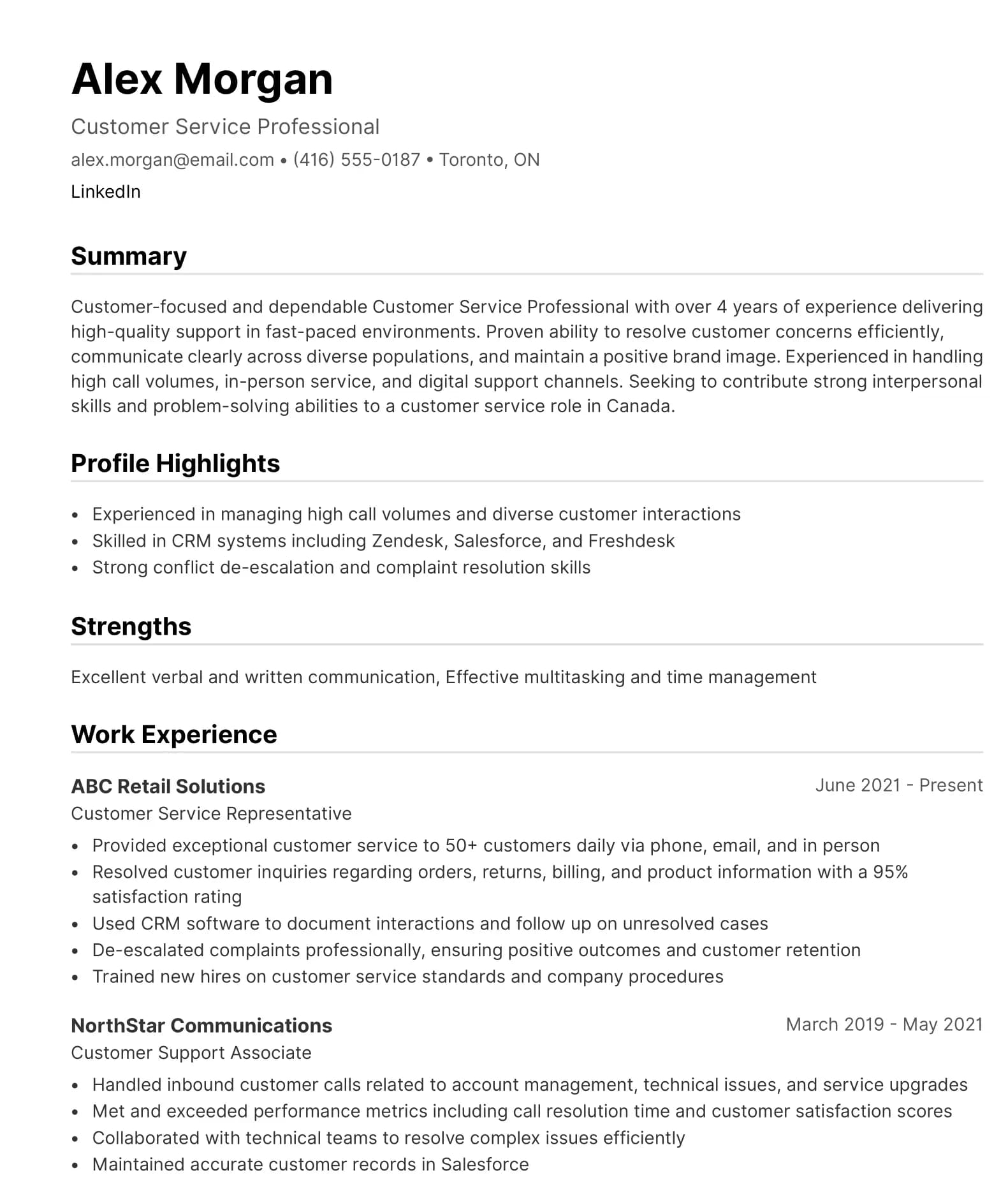
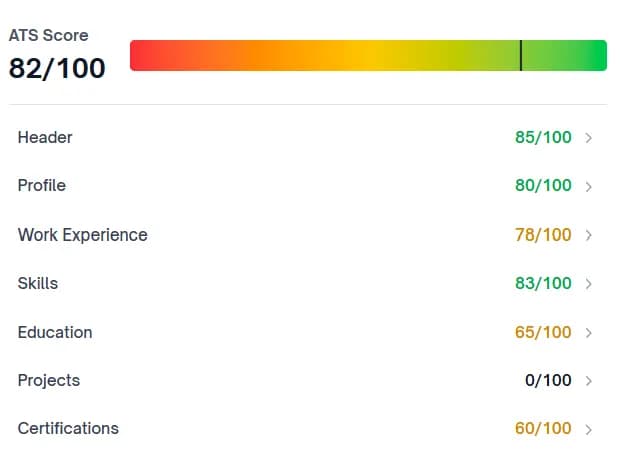
ATS-Optimized resumes That Meet Employer Standards
Our AI-powered scoring system helps organizations assess and standardize resume quality at scale. ATS-compliant templates support consistent formatting, keyword alignment, and interview readiness across cohorts.
Saudi Arabia’s labour market enters 2026 with sustained hiring momentum driven by Vision 2030 programmes, large-scale capital investment, and ongoing labour-market reform. Employment conditions are historically tight by regional standards, with official data from the General Authority for Statistics reporting overall unemployment in the mid-single-digit range in 2024, continuing to trend downward through 2025.
Unlike smaller Gulf markets, Saudi hiring is shaped by scale and execution. Demand remains strong across priority sectors, but expectations around localisation, skills readiness, and delivery capability are rising as programmes move from planning into implementation.
Growth at Scale, With Rising Selectivity
Saudi Arabia continues to expand employment capacity through diversification, industrial development, and giga-project investment. However, recruitment behaviour is becoming more disciplined.
Employers are increasingly linking hiring decisions to funded projects, Saudisation compliance, and delivery milestones. Broad headcount growth is giving way to targeted recruitment focused on execution, productivity, and role clarity.
1. Demand remains strong, driven by Vision 2030 delivery
Hiring demand remains high across Vision 2030 priority sectors.
Construction and real estate, infrastructure, energy transition, manufacturing, logistics, tourism, entertainment, health care, technology, cybersecurity, and financial services continue to generate sustained labour demand. Giga-projects such as NEOM, the Red Sea Project, Qiddiya, Diriyah, and major industrial and logistics zones remain central demand drivers, although project phasing and delivery timelines increasingly shape near-term hiring.
In-demand roles commonly include engineers, project and programme managers, planners, procurement specialists, health care professionals, IT and data specialists, cybersecurity professionals, finance professionals, and experienced supervisors. These role signals synthesise multiple employer and market sources and reflect programme-led demand rather than open-ended growth.
So what
- For candidates: Focus on roles tied to active delivery phases, not just headline project names.
- For employers: Hiring misaligned with funding or timelines increases execution and cost risk.
2. Saudisation is a binding hiring constraint
Saudisation remains a central driver of workforce planning across the private sector.
The Nitaqat system and sector-specific localisation requirements are being enforced more consistently, with expanding coverage across industries and job families. Employers are expected not only to meet quota thresholds but to demonstrate meaningful integration of Saudi nationals through training, role design, and progression pathways.
This has increased demand for Saudi talent across professional, technical, and leadership pipelines, while raising the bar for expatriate hiring, particularly in mid-level roles. Updated enforcement guidance and sector coverage published by the Ministry of Human Resources and Social Development reinforce Saudisation as a structural hiring constraint rather than a background policy consideration.
So what
- For candidates: Saudi nationals benefit from expanded access, especially in regulated and priority sectors.
- For employers: Treating Saudisation as compliance rather than workforce design reduces flexibility and increases retention risk.
3. Digital, technical, and operational capability is now baseline
Saudi Arabia’s digital transformation agenda continues to accelerate across government, industry, and services.
Employers increasingly expect baseline digital capability across roles, including familiarity with enterprise systems, data tools, automation, and AI-enabled workflows. This expectation now extends beyond technology teams into operations, finance, logistics, and project management, reflecting the scale and complexity of national programmes.
Skills gaps in digital execution and systems integration remain a constraint on delivery speed.
So what
- For candidates: Demonstrate applied use of digital tools in real delivery environments.
- For employers: Under-investing in digital capability slows programme execution across portfolios.
4. Skills-based hiring grows, but credential screening remains strong
Skills-based hiring is expanding, particularly in project delivery, engineering, technology, and industrial roles.
However, formal qualifications, recognised institutions, and prior employer credibility remain influential in screening decisions, especially for senior roles, regulated professions, and government-linked entities. Hiring practices remain structured and relatively conservative compared with some other markets.
So what
- For candidates: Pair credentials with evidence of delivery on complex, large-scale programmes.
- For employers: Balancing skills assessment with credential requirements broadens access without increasing risk.
5. Talent mobility is high, flexibility remains limited
Saudi Arabia continues to attract international talent, supported by the scale of opportunity and competitive packages. Labour mobility has improved through visa and sponsorship reforms, but employer leverage remains significant.
Hybrid and remote work arrangements are expanding slowly in corporate, technology, and professional services roles. On-site presence remains the norm for project-based, industrial, and operational roles tied to physical delivery.
So what
- For candidates: Flexibility may be available in corporate roles but remains limited in delivery environments.
- For employers: Rigid work models can restrict access to globally mobile specialists.
6. Wage growth is uneven and role-dependent
Wage growth in Saudi Arabia varies sharply by role and sector.
High-demand specialists, programme leaders, and roles directly tied to Vision 2030 delivery continue to command premiums. Generalist and administrative roles face tighter salary bands, with employers placing greater emphasis on total package value rather than base pay alone.
Benefits, allowances, progression opportunities, and project exposure remain key differentiators.
So what
- For candidates: Align expectations with skill scarcity and delivery impact.
- For employers: Total rewards design matters more than headline salary in constrained bands.
7. Human skills and leadership capability remain differentiators
Alongside technical expertise, employers continue to value leadership, communication, stakeholder management, and the ability to operate under pressure.
Given the pace and complexity of change, candidates who can manage ambiguity, coordinate across organisations, and deliver consistently stand out in selective hiring decisions.
8. Labour reform continues to raise expectations
Ongoing labour-market reforms under Vision 2030 are modernising employment practices and strengthening compliance requirements.
Updates through 2024–2025 have clarified outsourcing arrangements, strengthened training obligations, reinforced equal-treatment principles, and increased penalties for non-compliance. While aimed at modernisation, these reforms raise expectations around reporting, workforce planning, and talent development, particularly for large and government-linked employers.
What this means in practice
For job seekers
- Target roles tied to Vision 2030 delivery phases
- Build demonstrable technical, digital, and execution capability
- Pair qualifications with evidence from large-scale programmes
- Understand Saudisation dynamics and role eligibility early
For employers
- Embed Saudisation into workforce design and talent pipelines
- Invest in skills development aligned with delivery needs
- Balance credential screening with skills-based assessment
- Align hiring tightly with funding and execution timelines
Platforms like Yotru can support these strategies by making skills visible, standardising employer‑ready CVs at scale, and helping employers, institutions, and workforce programmes align candidate experience with real job requirements in Saudi Arabia’s high‑demand roles.
Looking ahead
Hiring in Saudi Arabia in 2026 is defined by scale, localisation, and delivery pressure. Employers are prioritising execution capability, Saudisation compliance, and skills alignment as Vision 2030 programmes move deeper into implementation. Job seekers who understand programme dynamics and demonstrate real delivery impact remain best positioned in a competitive, fast-moving market.
References
Ministry of Human Resources and Social Development. (2021–2024). Nitaqat Mutawar program and Saudisation regulations.
https://www.hrsd.gov.sa/en/knowledge-centre/decisions-and-regulations/regulation-and-procedures/832742
General Authority for Statistics. (2024, June 30). Labor Market Publication, Q1 2024: Unemployment and labour force indicators.
https://www.stats.gov.sa/en/w/gastat-unemployment-rate-for-total-population-in-kingdom-stabilizes-at-3.5-in-q1-2024
Vision 2030. (2024). Vision 2030: Kingdom of Saudi Arabia (giga‑projects and sector priorities).
https://www.vision2030.gov.sa
PwC Middle East. (2024). Saudi Economy Watch 2024 (labour market, wages, and diversification).
https://www.pwc.com/m1/en/publications/saudi-economy-watch-2024.html
Jadwa Investment. (2025). Saudi Labor Market Update 2024 [PDF].
https://www.jadwa.com/sites/default/files/2025-04/Saudi%20labor%20market%20update%20-%202024.pdf
About the Author

Team Yotru
Employability Systems
Team Yotru
Employability Systems
We build practical career tools for training providers and workforce programs, combining labor market insights with real employment outcomes. Follow us on LinkedIn.
Questions or Need Support?
If you are working on employability programs, hiring strategy, career education, or workforce outcomes and want practical guidance, you are in the right place.
Yotru supports individuals and organizations navigating real hiring systems. That includes resumes and ATS screening, career readiness, program design, evidence collection, and alignment with employer expectations. We work across education, training, public sector, and industry to turn guidance into outcomes that actually hold up in practice.
Continue Reading
More insights from our research team

GTA Trades & Blue-Collar Salary Guide 2026
A practical salary reference for blue-collar and skilled trade workers across the Greater Toronto Area. Covers electricians, welders, plumbers, HVAC technicians, construction workers, forklift operators, and warehouse staff.
6 min read

What Blue Collar Jobs Pay in Canada: The 10 Roles
Truck drivers, electricians, welders, HVAC techs, and more -- here's what blue collar jobs actually pay in Toronto and across Canada in 2026, with context for newcomers, Red Seal holders, and Gen Z entrants.
12 min read

Hiring Trends in Switzerland for 2026: Tight Labour and Skills Pressure
Switzerland’s 2026 hiring outlook features very low unemployment, persistent skills shortages, selective hiring, and continued demand across healthcare, engineering, finance, and tech.
4 min read

Canadian College and University Layoffs 2024–2026: What Affected Employees Should Know
Ontario colleges alone face close to 10,000 layoffs. Here's what affected faculty and staff need to know about their rights, severance, and next steps.
6 min read