
Market
4 min read
Hiring Trends in New Zealand for 2026: Softer hiring, skills still scarce
Synopsis
New Zealand’s hiring environment in 2026 is characterised by slower employment growth, easing vacancy pressures, and continued skills shortages in a limited number of priority occupations.
This article provides a qualitative overview of hiring trends based on publicly available labor market statistics, economic forecasts, and institutional analysis. It is intended to support understanding and workforce planning rather than formal forecasting or statistical prediction. This assessment reflects conditions and projections as of late 2025; labor market outcomes may vary by region and evolve with economic or policy changes.
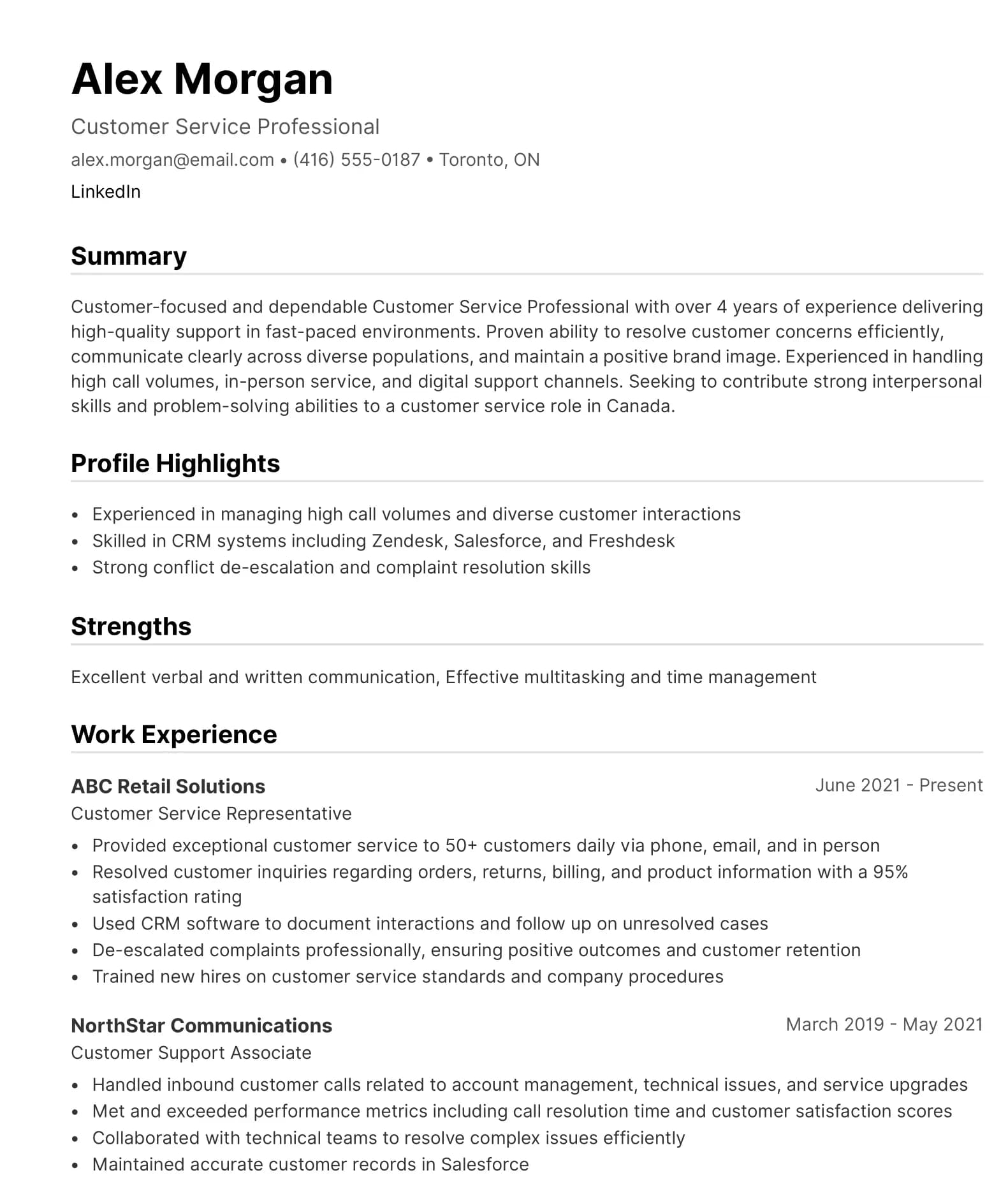
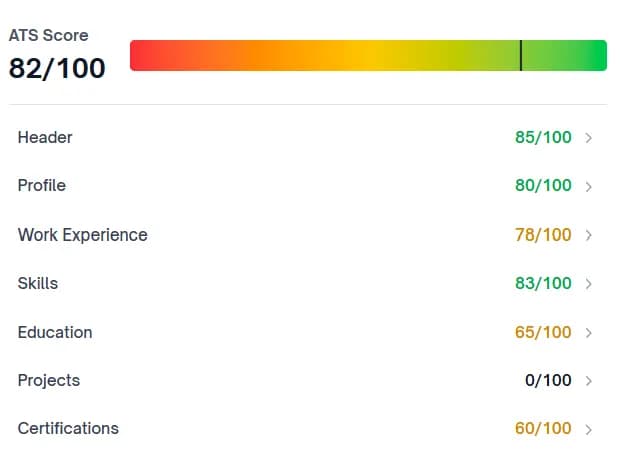
ATS-Optimized resumes That Meet Employer Standards
Our AI-powered scoring system helps organizations assess and standardize resume quality at scale. ATS-compliant templates support consistent formatting, keyword alignment, and interview readiness across cohorts.
A Labour Market That Has Softened Overall
New Zealand enters 2026 with a labour market that has clearly cooled from its post-pandemic peak. Employment growth has slowed, job vacancies have declined, and unemployment has risen from historic lows. Employers are generally more cautious, with fewer openings, longer hiring timelines, and greater scrutiny of role necessity.
While conditions have eased across much of the economy, labour demand remains uneven. Some sectors continue to face structural shortages, while others experience increased competition for roles.
Below is a snapshot of the forces shaping recruitment, workforce planning, and career outcomes across New Zealand in 2026.
1. Skills shortages persist, but are concentrated
Skills shortages remain real, but they are sector-specific rather than economy-wide.
According to the Ministry of Business, Innovation and Employment (MBIE), persistent shortages continue in health care, construction trades, engineering, education, agriculture, and selected technical roles. These shortages are driven primarily by long-term factors such as population ageing, infrastructure demand, and replacement needs rather than short-term economic growth.
Outside these priority occupations, employers generally report wider candidate pools and increased selectivity.
2. Digital skills are valued, but advanced AI adoption is limited
Digital capability continues to matter across many roles, particularly basic digital literacy, data handling, and familiarity with common workplace systems.
Advanced AI adoption remains uneven across the New Zealand economy. While some professional services, finance, and larger organisations are experimenting with automation and AI-supported tools, most roles continue to rely on traditional workflows, with technology playing a supporting role.
Employers tend to value adaptability and willingness to learn more than deep AI expertise for most non-technical roles.
3. Skills and experience matter more alongside qualifications
Employers are placing greater emphasis on practical skills, relevant experience, and job readiness, particularly in trades, technical roles, and service sectors.
This has improved access for career changers, migrants, and mature workers with transferable skills. However, formal qualifications remain essential in regulated professions and many public-sector roles. Skills-based hiring is expanding, but it has not replaced credential requirements across the board.
4. Employers prioritise retention and development over rapid hiring
With hiring budgets under pressure and uncertainty persisting, many employers are focusing more on retaining and developing existing staff rather than expanding headcount.
Upskilling, redeployment, and internal progression are being used to manage capability gaps, particularly in sectors where recruitment remains difficult or costly. Workforce planning increasingly prioritises stability and long-term capability over growth-driven hiring.
5. Wage growth moderates and remains uneven
Wage growth in New Zealand is expected to remain modest through 2026, broadly tracking easing inflation rather than accelerating.
While some shortage occupations continue to attract wage premiums, pay growth is uneven across industries and regions. Non-wage factors such as job security, predictable hours, flexibility, and development opportunities are playing a larger role in employment decisions.
6. Labour-market competition increases for many job seekers
As vacancy rates decline and hiring slows, competition for roles has increased in many parts of the labour market.
For job seekers, this places greater emphasis on relevance, preparation, and evidence of capability. For employers, hiring conditions have improved slightly overall, but shortages persist in specific occupations where labour supply remains constrained.
7. Flexible work remains role-dependent, human skills stay central
Flexible and hybrid work arrangements remain common in professional and knowledge-based roles, but availability varies widely by industry, organisation size, and job type.
Alongside technical capability, employers continue to value communication, teamwork, judgement, and reliability. These human skills remain central to hiring decisions, particularly in care, leadership, and service-focused roles.
8. Migration and participation remain central to labour supply
Migration continues to play a significant role in supporting labour supply, particularly in health care, construction, agriculture, and technical occupations.
At the same time, policymakers and employers are increasingly focused on improving workforce participation through training, reskilling, and engagement of underrepresented groups. Labour supply challenges are being addressed through development and participation rather than recruitment alone.
What this means in practice
For job seekers
- Competition has increased in many roles
- Opportunities remain strongest in persistent shortage occupations
- Clear evidence of skills and experience matters more than volume of applications
- Digital literacy and adaptability remain valuable across roles
For employers
- Hiring conditions have softened overall, but not uniformly
- Shortages persist in priority and service-critical roles
- Retention, training, and internal mobility are increasingly important
- Transparency around pay, expectations, and progression is critical
Platforms like Yotru can support these strategies by making skills visible, standardising employer-ready resumes at scale, and helping workforce programmes, institutions, and employers in New Zealand align candidates’ experience with real job requirements across high-demand roles.
Looking ahead
New Zealand’s hiring landscape in 2026 is defined less by labour scarcity and more by adjustment. Employers are hiring carefully, prioritising relevance and readiness. Job seekers who align skills with demand and present clear evidence of capability remain best positioned.
The labour market has eased overall, but outcomes continue to vary significantly by sector, occupation, and region.
References
Stats NZ.
Labour market statistics, employment, unemployment, wages, and participation.
https://www.stats.govt.nz/indicators/employment-rate
Ministry of Business, Innovation and Employment (MBIE).
Labour market reports, skill shortage lists, and workforce outlooks.
https://www.mbie.govt.nz/business-and-employment/employment-and-skills/labour-market-reports-data-and-analysis/labour-market-statistics-snapshot
Reserve Bank of New Zealand (RBNZ).
Labour market conditions and wage growth analysis.
https://www.rbnz.govt.nz/statistics/series/economic-indicators/labour-market
About the Author

Team Yotru
Employability Systems
Team Yotru
Employability Systems
We build practical career tools for training providers and workforce programs, combining labor market insights with real employment outcomes. Follow us on LinkedIn.

ATS optimized resumes with Yotru
Yotru helps individuals and teams create standout, job-ready resumes at scale
Continue Reading
More insights from our research team

GTA Trades & Blue-Collar Salary Guide 2026
A practical salary reference for blue-collar and skilled trade workers across the Greater Toronto Area. Covers electricians, welders, plumbers, HVAC technicians, construction workers, forklift operators, and warehouse staff.
6 min read

What Blue Collar Jobs Pay in Canada: The 10 Roles
Truck drivers, electricians, welders, HVAC techs, and more -- here's what blue collar jobs actually pay in Toronto and across Canada in 2026, with context for newcomers, Red Seal holders, and Gen Z entrants.
12 min read

Hiring Trends in Switzerland for 2026: Tight Labour and Skills Pressure
Switzerland’s 2026 hiring outlook features very low unemployment, persistent skills shortages, selective hiring, and continued demand across healthcare, engineering, finance, and tech.
4 min read

Canadian College and University Layoffs 2024–2026: What Affected Employees Should Know
Ontario colleges alone face close to 10,000 layoffs. Here's what affected faculty and staff need to know about their rights, severance, and next steps.
6 min read