Market
5 min read
Hiring Trends in Brazil for 2026: Record-Low Unemployment and Moderate Growth
Synopsis
For employers and workforce leaders. This report examines Brazil’s 2026 labour outlook: unemployment ~5.5–5.6%, GDP growth ~1.6–1.8%, informality ~38–39%, and selective hiring.
This article provides a qualitative overview of hiring trends in Brazil based on publicly available labour-market statistics, economic forecasts, and institutional analysis. It is intended to support understanding and workforce planning rather than formal forecasting or statistical prediction. This assessment reflects conditions and projections as of late 2025; labour-market outcomes may vary by region, sector, and evolving economic or policy conditions.
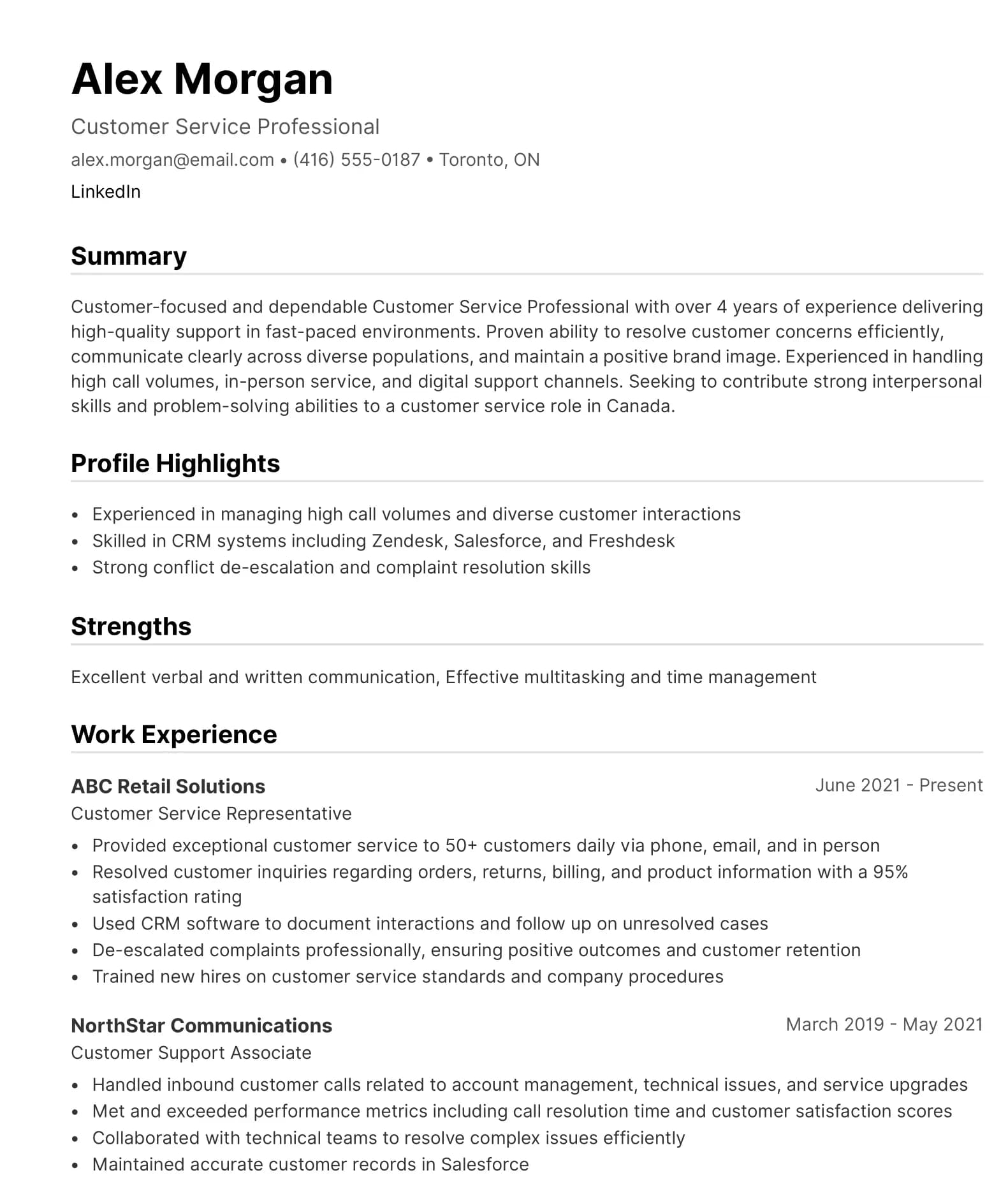
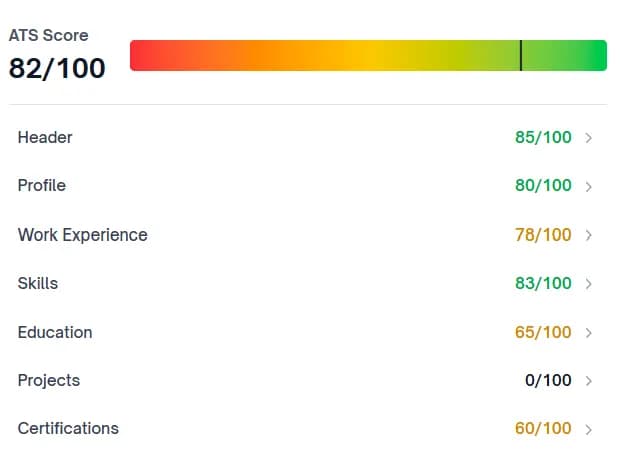
ATS-Optimized resumes That Meet Employer Standards
Our AI-powered scoring system helps organizations assess and standardize resume quality at scale. ATS-compliant templates support consistent formatting, keyword alignment, and interview readiness across cohorts.
Brazil enters 2026 with unemployment at historic lows, supported by services growth, infrastructure activity, and resilient domestic consumption. GDP growth is expected to moderate to approximately 1.6–1.8% in 2026 following stronger performance in 2024–2025. Hiring continues, but employers are increasingly selective, cost-conscious, and focused on formal skills, compliance, and operational readiness.
This analysis is most relevant to mid-career professionals, employers, HR leaders, and training providers planning for Brazil’s 2026 labor market.
1. Record-low unemployment coexists with skills mismatch
Brazil’s headline unemployment rate declined to approximately 5.5–5.6% by late 2025, the lowest level recorded in the PNAD Contínua series since its modern methodology began. Despite a tight headline labor market, employers continue to face persistent skills mismatches and regional inequality.
Demand remains concentrated in:
- Healthcare, nursing, and allied health roles
- Construction, infrastructure, and skilled trades
- Manufacturing, industrial maintenance, and process roles
- IT, software development, data, and cybersecurity
- Agribusiness operations, logistics, and supply-chain roles
Labor availability is high in aggregate, but employers report difficulty finding candidates with formal training, regulated experience, and exposure to structured operational environments.
So what
For candidates: Formal qualifications, certifications, and applied experience materially improve outcomes.
For employers: Hiring difficulty reflects skills mismatch rather than labor scarcity.
2. Growth moderates, but hiring remains active
After a period of resilience, Brazil’s economic growth is expected to moderate to approximately 1.6–1.8% in 2026, reflecting tighter global financial conditions, softer commodity momentum, and fiscal constraints.
Despite slower growth, hiring activity continues, with employers prioritizing:
- Replacement and succession hiring
- Roles tied to infrastructure, healthcare, and essential services
- Productivity-linked and revenue-supporting positions
Broad expansion hiring is less common, reinforcing a disciplined and risk-aware approach to workforce growth.
So what
For candidates: Stability and role relevance matter more than rapid advancement.
For employers: Hiring decisions are increasingly tied to output, margins, and operational necessity.
3. Wage growth cools but remains positive
Nominal wage growth in Brazil is expected to remain positive in 2026, supported by easing inflation and ongoing minimum-wage adjustments. However, real wage gains are likely to remain modest and uneven across sectors.
Stronger wage pressure persists in:
- Healthcare and social services
- Engineering and technical roles
- IT, digital, and cybersecurity occupations
- Infrastructure and energy-related roles
In many sectors, employers rely more on benefits, job security, and progression opportunities than on large base-pay increases.
So what
For candidates: Wage upside is strongest in formal, technical, and regulated roles.
For employers: Retention increasingly depends on stability and career pathways, not pay alone.
4. Formalization continues, but informality remains a constraint
Brazil has made gradual progress in labor formalization through digitalization, enforcement, and policy incentives. However, informality still accounts for roughly 38–39% of total employment, particularly in services, retail, and small enterprises.
This constrains access to candidates with experience in:
- Compliance-driven environments
- Health, safety, and quality standards
- Export-oriented or multinational operations
So what
For candidates: Formal work history and compliance exposure strongly differentiate profiles.
For employers: Training, onboarding, and internal upskilling remain essential.
5. Infrastructure and public services sustain demand
Public and private investment in infrastructure, transportation, energy, and sanitation continues to underpin labor demand. Healthcare and education also remain under pressure due to demographic trends and service backlogs.
Demand is strongest for:
- Engineers, technicians, and project supervisors
- Skilled construction and maintenance workers
- Healthcare professionals and support staff
So what
For candidates: Infrastructure-linked roles offer relative stability.
For employers: Competition for skilled labor spans both public and private sectors.
6. Hiring is selective and productivity-focused
Across industries, hiring in 2026 is characterized by selectivity rather than expansion. Employers prioritize candidates who demonstrate:
- Immediate operational readiness
- Low ramp-up time
- Compliance, safety, and execution discipline
This reflects margin pressure and heightened sensitivity to hiring risk.
So what
For candidates: Evidence of execution outweighs potential alone.
For employers: Mis-hires carry high costs in a lower-growth environment.
7. Governance, compliance, and ESG matter more
Labor compliance, ESG reporting, and workforce governance are increasingly relevant, particularly for employers connected to global supply chains. Formal payroll practices, safety standards, and documentation influence both hiring decisions and employer reputation.
So what
For candidates: Reliability and compliance awareness are valued signals.
For employers: Workforce governance increasingly affects competitiveness and access to global contracts.
What this means in practice
For job seekers
- Target roles in formal, regulated, and infrastructure-linked sectors
- Emphasize certifications, technical skills, and compliance experience
- Signal reliability, stability, and operational readiness
For employers
- Expect continued competition for skilled and technical talent
- Plan hiring around productivity and risk management
- Invest in training to offset skills mismatch and informality
Digital platforms like Yotru can help bridge these gaps by making skills visible, aligning resumes with real job requirements, and supporting career transitions into Brazil’s high‑demand sectors for both individual job seekers and workforce programs.
Looking ahead
Brazil’s 2026 labor market reflects record-low unemployment (around 5.5–5.6%), moderate GDP growth of approximately 1.6–1.8%, and persistent structural frictions driven by skills mismatch and informality. Hiring continues, but under tighter selectivity, productivity scrutiny, and compliance expectations. Organizations and professionals aligned with formal skills, governance, and infrastructure-linked demand are best positioned to succeed.
All figures cited are indicative and based on publicly available data as of late 2025. Final outcomes may differ slightly as official statistics are revised.References
Unemployment 5.6% and underutilization 14.1%
Instituto Brasileiro de Geografia e Estatística. (2025, September 30). Continuous PNAD: Unemployment rate is 5.6%; underutilization rate is 14.1% in quarter ending in August. IBGE. https://agenciadenoticias.ibge.gov.br/en/agencia-press-room/2185-news-agency/releases-en/44613-continuous-pnad-unemployment-rate-is-5-6-underutilization-rate-is-14-1-in-quarter-ending-in-august
Quarterly PNAD and informality 37.8%
Instituto Brasileiro de Geografia e Estatística. (2025, November 13). Quarterly Continuous PNAD: Unemployment drops in two of four major regions; informality rate reaches 37.8%. IBGE. https://agenciadenoticias.ibge.gov.br/en/agencia-press-room/2185-news-agency/releases-en/45156-quarterly-continuous-pnad-unemployment-drops-in-2-out-of-4-major-regions
Annual averages and lowest unemployment/informality by state
Instituto Brasileiro de Geografia e Estatística (IBGE). (2024). PNAD Contínua: Taxa de informalidade por unidade da federação [Data set]. IBGE. https://agenciadenoticias.ibge.gov.br/en/agencia-press-room/2185-news-agency/releases-en/44532-continuous-pnad-annual-average-unemployment-rates-are-the-lowest-in-time-series-in-14-federation-units
OECD Economic Outlook: Brazil
Organisation for Economic Co‑operation and Development. (2025). Brazil. In OECD economic outlook (Vol. 2025/2). OECD Publishing. https://www.oecd.org/en/publications/oecd-economic-outlook-volume-2025-issue-2_9f653ca1-en/full-report/brazil_71db4eb2.html
(If you want to reference both Outlook issues, you can also cite the Volume 2025/1 Brazil chapter in a second line.)
Brazil unemployment rate (data portal)
Trading Economics. (2025). Brazil unemployment rate. Trading Economics. https://tradingeconomics.com/brazil/unemployment-rate
About the Author

Team Yotru
Employability Systems
Team Yotru
Employability Systems
We build practical career tools for training providers and workforce programs, combining labor market insights with real employment outcomes. Follow us on LinkedIn.
Questions or Need Support?
If you are working on employability programs, hiring strategy, career education, or workforce outcomes and want practical guidance, you are in the right place.
Yotru supports individuals and organizations navigating real hiring systems. That includes resumes and ATS screening, career readiness, program design, evidence collection, and alignment with employer expectations. We work across education, training, public sector, and industry to turn guidance into outcomes that actually hold up in practice.
Continue Reading
More insights from our research team

GTA Trades & Blue-Collar Salary Guide 2026
A practical salary reference for blue-collar and skilled trade workers across the Greater Toronto Area. Covers electricians, welders, plumbers, HVAC technicians, construction workers, forklift operators, and warehouse staff.
6 min read

What Blue Collar Jobs Pay in Canada: The 10 Roles
Truck drivers, electricians, welders, HVAC techs, and more -- here's what blue collar jobs actually pay in Toronto and across Canada in 2026, with context for newcomers, Red Seal holders, and Gen Z entrants.
12 min read

Hiring Trends in Switzerland for 2026: Tight Labour and Skills Pressure
Switzerland’s 2026 hiring outlook features very low unemployment, persistent skills shortages, selective hiring, and continued demand across healthcare, engineering, finance, and tech.
4 min read

Canadian College and University Layoffs 2024–2026: What Affected Employees Should Know
Ontario colleges alone face close to 10,000 layoffs. Here's what affected faculty and staff need to know about their rights, severance, and next steps.
6 min read