
Market
4 min read
Hiring Trends Across Africa for 2026: Uneven Growth and Youth Pressure
Synopsis
For employers and workforce leaders. This report analyses Africa’s 2026 labour outlook: growth ~3.8–4.2%, informality ~85%, youth unemployment ~20–30%, and selective hiring.
This article provides a qualitative overview of hiring trends across Africa based on publicly available labour-market statistics, economic forecasts, and institutional analysis. It is intended to support understanding and workforce planning rather than formal forecasting or statistical prediction. Conditions vary widely by country and region; this assessment reflects continent-level patterns and projections as of late 2025.
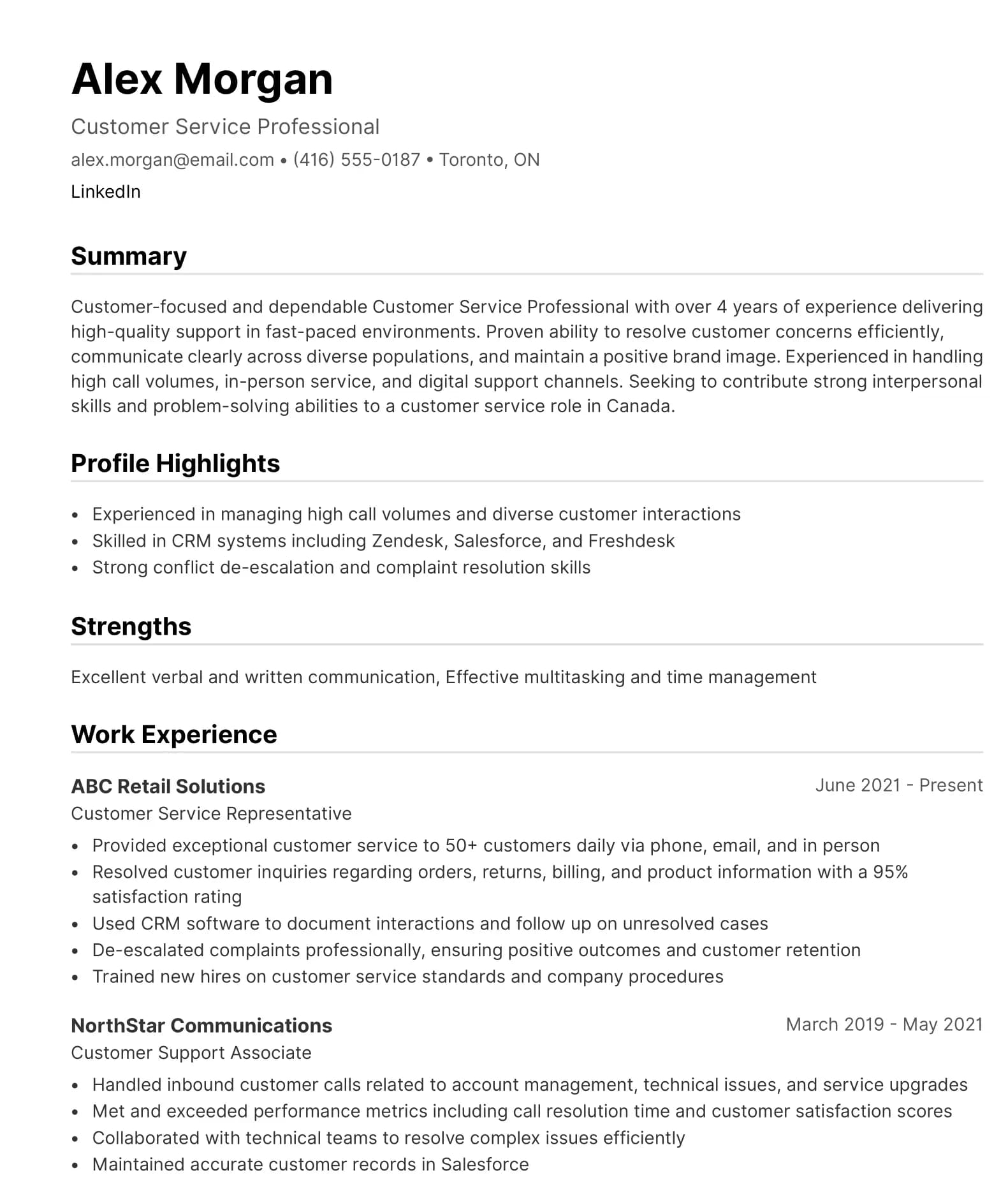
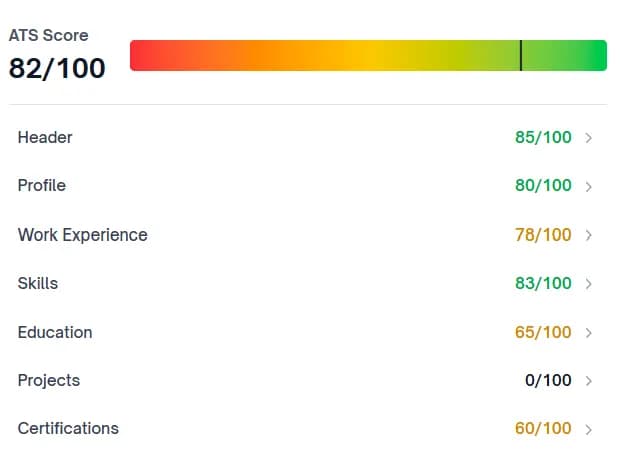
ATS-Optimized resumes That Meet Employer Standards
Our AI-powered scoring system helps organizations assess and standardize resume quality at scale. ATS-compliant templates support consistent formatting, keyword alignment, and interview readiness across cohorts.
Africa enters 2026 with continued population and labour-force growth, adding roughly 12–15 million young people to the labour market each year. While parts of the continent are benefiting from services growth, commodities, tourism recovery, and early gains from continental trade integration, formal job creation remains insufficient to absorb new entrants, particularly young workers.
This analysis is most relevant to employers, HR leaders, development organisations, and training providers planning workforce strategies across Africa in 2026.
1. Growth continues, but job creation lags labour-force expansion
Africa’s GDP growth is expected to average around 3.8–4.2% in 2026, supported by services, commodities, tourism recovery, and expanding intra-African trade. However, this pace remains below what is required to generate sufficient formal employment given population growth of roughly 2.5% per year.
As a result:
- Economic growth does not translate directly into job growth
- Many new entrants move into informal or low-productivity work
- Formal hiring remains concentrated in a limited set of sectors and countries
So what
- For candidates: Employment prospects depend heavily on sector and location.
- For employers: Labour supply is abundant, but job-ready formal talent remains scarce.
2. Youth unemployment and underemployment dominate labour outcomes
Africa has the world’s youngest population. Youth unemployment and underemployment remain structurally high, often 20–30% in urban areas, with extreme cases such as South Africa exceeding 60% in 2025. Rates are substantially higher once discouraged workers and informal employment are included.
Key pressures include:
- Education-to-employment mismatch
- Limited formal private-sector absorption
- Preference for experienced hires even in entry-level roles
So what
- For candidates: Practical skills, work experience, and certifications matter more than credentials alone.
- For employers: Entry-level hiring often requires significant training and supervision investment.
3. Informality remains the dominant employment model
Informal employment continues to account for around 83–85% of total employment in many African economies, particularly in low- and lower-middle-income countries. While informality provides income opportunities and resilience, it limits productivity growth, skills accumulation, and workforce stability.
Formal hiring is most common in:
- Multinational and export-linked firms
- Regulated sectors such as energy, telecoms, and finance
- Public services and state-linked enterprises
So what
- For candidates: Formal work experience strongly differentiates outcomes.
- For employers: Compliance, onboarding, and retention costs remain significant.
4. Hiring demand is concentrated in specific sectors
Despite broad labour pressure, demand persists in several structurally resilient areas:
- Healthcare and allied health services
- Education and training
- Energy, utilities, and renewables
- Infrastructure, construction, and transport
- ICT, fintech, and digital services
- Agribusiness, food processing, and logistics
Trade integration under the African Continental Free Trade Area and the green-energy transition are supporting hiring in logistics, infrastructure, and renewables, even as other sectors lag.
So what
- For candidates: Sector targeting materially improves employability.
- For employers: Competition for skilled technical talent is regionally intense.
5. Wage growth remains constrained and uneven
Wage growth across Africa remains modest and uneven, typically around 3–5% nominal, constrained by inflation, currency volatility, and fiscal pressure. Real wage gains are strongest in:
- Skilled technical roles
- Digital and ICT occupations
- Regulated and multinational environments
In many countries, employers compete more on job stability, benefits, and progression than on base pay.
So what
- For candidates: Wage upside is concentrated in formal and skills-scarce roles.
- For employers: Retention depends on conditions and development, not pay alone.
6. Hiring is selective and productivity-focused
Across the continent, hiring in 2026 is characterised by selectivity rather than expansion. Employers prioritise:
- Immediate operational readiness
- Low training and ramp-up requirements
- Multi-skill capability and adaptability
This reflects margin pressure, financing constraints, and elevated risk sensitivity, including high public-debt burdens in several economies.
So what
- For candidates: Demonstrated execution and reliability outweigh potential alone.
- For employers: Mis-hires are costly in low-margin environments.
7. Skills development and training shape outcomes
Public- and donor-supported skills programmes, TVET expansion, and employer-led training play an increasing role in addressing skills mismatch. Hiring outcomes improve where:
- Training aligns with employer needs
- Certification and standards are recognised
- Employers participate directly in skills pipelines
So what
- For candidates: Accredited training and applied skills matter.
- For employers: Workforce development is a strategic necessity, not a cost centre.
What this means in practice
For job seekers
- Target sectors with structural demand, not general labour markets
- Emphasise practical skills, certifications, and reliability
- Seek exposure to formal or regulated environments
For employers
- Expect abundant labour supply but limited job-ready talent
- Plan hiring around productivity and training capacity
- Partner with training providers where possible
Platforms like Yotru can support these strategies by making skills visible, standardising employer-ready CVs at scale, and helping employers, institutions, and workforce programmes align candidate experience with real job requirements across Africa’s high-demand roles.
Looking ahead
Africa’s 2026 labour market reflects moderate growth (around 3.8–4.2%), rapid labour-force expansion, persistent informality (around 83–85%), and acute youth employment pressure. Hiring continues, but it is uneven, selective, and highly sector-specific. Organisations and professionals aligned with skills development, formalisation, and infrastructure-linked demand are best positioned to succeed.
All figures cited are indicative and based on publicly available data as of late 2025. Outcomes may vary significantly by country and region, and official statistics may be revised.
References
World Bank. (2025, October). Africa’s Pulse, No. 32: Maintaining growth amid uncertainty. World Bank.
https://www.worldbank.org/en/publication/africa-pulse
International Labour Organization. (2025). Informal employment: ILOSTAT database and methodological overview. International Labour Organization.
https://ilostat.ilo.org/topics/informality
International Monetary Fund. (2025, October). World economic outlook: Navigating divergent paths. International Monetary Fund.
https://www.imf.org/en/publications/weo
African Union Commission. (2025). Status of AfCFTA implementation report 2025. African Union Commission.
https://au.int/en/afcfta
International Renewable Energy Agency. (2025). Renewable energy and jobs: Annual review 2025. International Renewable Energy Agency.
https://www.irena.org/publications
About the Author

Team Yotru
Employability Systems
Team Yotru
Employability Systems
We build practical career tools for training providers and workforce programs, combining labor market insights with real employment outcomes. Follow us on LinkedIn.
Questions or Need Support?
If you are working on employability programs, hiring strategy, career education, or workforce outcomes and want practical guidance, you are in the right place.
Yotru supports individuals and organizations navigating real hiring systems. That includes resumes and ATS screening, career readiness, program design, evidence collection, and alignment with employer expectations. We work across education, training, public sector, and industry to turn guidance into outcomes that actually hold up in practice.
Continue Reading
More insights from our research team

GTA Trades & Blue-Collar Salary Guide 2026
A practical salary reference for blue-collar and skilled trade workers across the Greater Toronto Area. Covers electricians, welders, plumbers, HVAC technicians, construction workers, forklift operators, and warehouse staff.
6 min read

What Blue Collar Jobs Pay in Canada: The 10 Roles
Truck drivers, electricians, welders, HVAC techs, and more -- here's what blue collar jobs actually pay in Toronto and across Canada in 2026, with context for newcomers, Red Seal holders, and Gen Z entrants.
12 min read

Hiring Trends in Switzerland for 2026: Tight Labour and Skills Pressure
Switzerland’s 2026 hiring outlook features very low unemployment, persistent skills shortages, selective hiring, and continued demand across healthcare, engineering, finance, and tech.
4 min read

Canadian College and University Layoffs 2024–2026: What Affected Employees Should Know
Ontario colleges alone face close to 10,000 layoffs. Here's what affected faculty and staff need to know about their rights, severance, and next steps.
6 min read