Job seekers face a growing number of AI-powered resume tools, each claiming to streamline the application process. Two popular options are Rezi, a dedicated resume builder with ATS optimization features, and ChatGPT, a general-purpose language model that can assist with resume writing through conversation.
The key difference is specialization versus flexibility. Rezi is purpose-built for resumes with templates, keyword scoring, and formatting tools designed for applicant tracking systems. ChatGPT is a conversational AI that can help write resume content but requires more guidance and lacks built-in formatting or ATS analysis.
Understanding how these tools work and what they offer helps job seekers make informed decisions about which approach fits their needs. This comparison examines both platforms based on functionality, ease of use, output quality, and practical application in the job search process.
What Rezi Offers
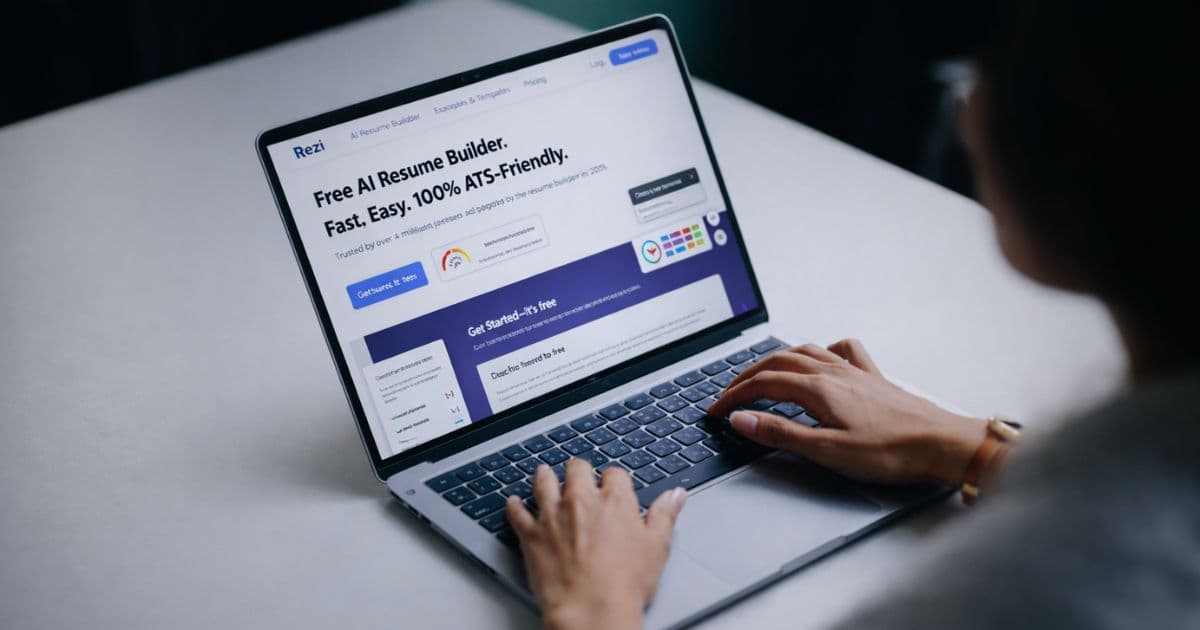
Rezi is a subscription-based resume builder that focuses on ATS compatibility and keyword optimization. The platform provides pre-formatted templates designed to pass automated screening systems used by most employers.
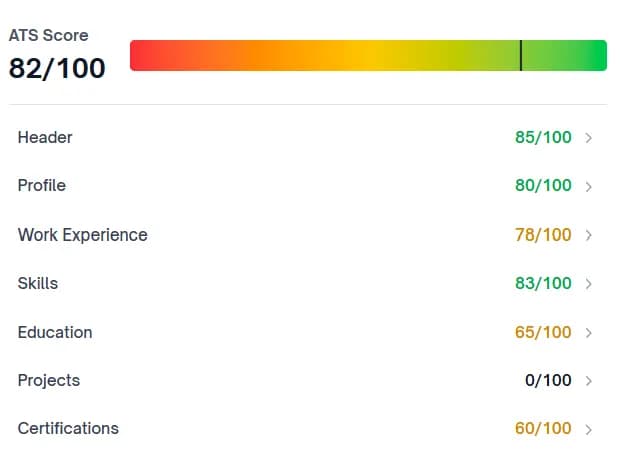
Key features include a real-time ATS score that evaluates resumes based on formatting, keyword density, and section completeness. The platform also offers AI-powered content suggestions for bullet points and summaries tailored to specific job descriptions.
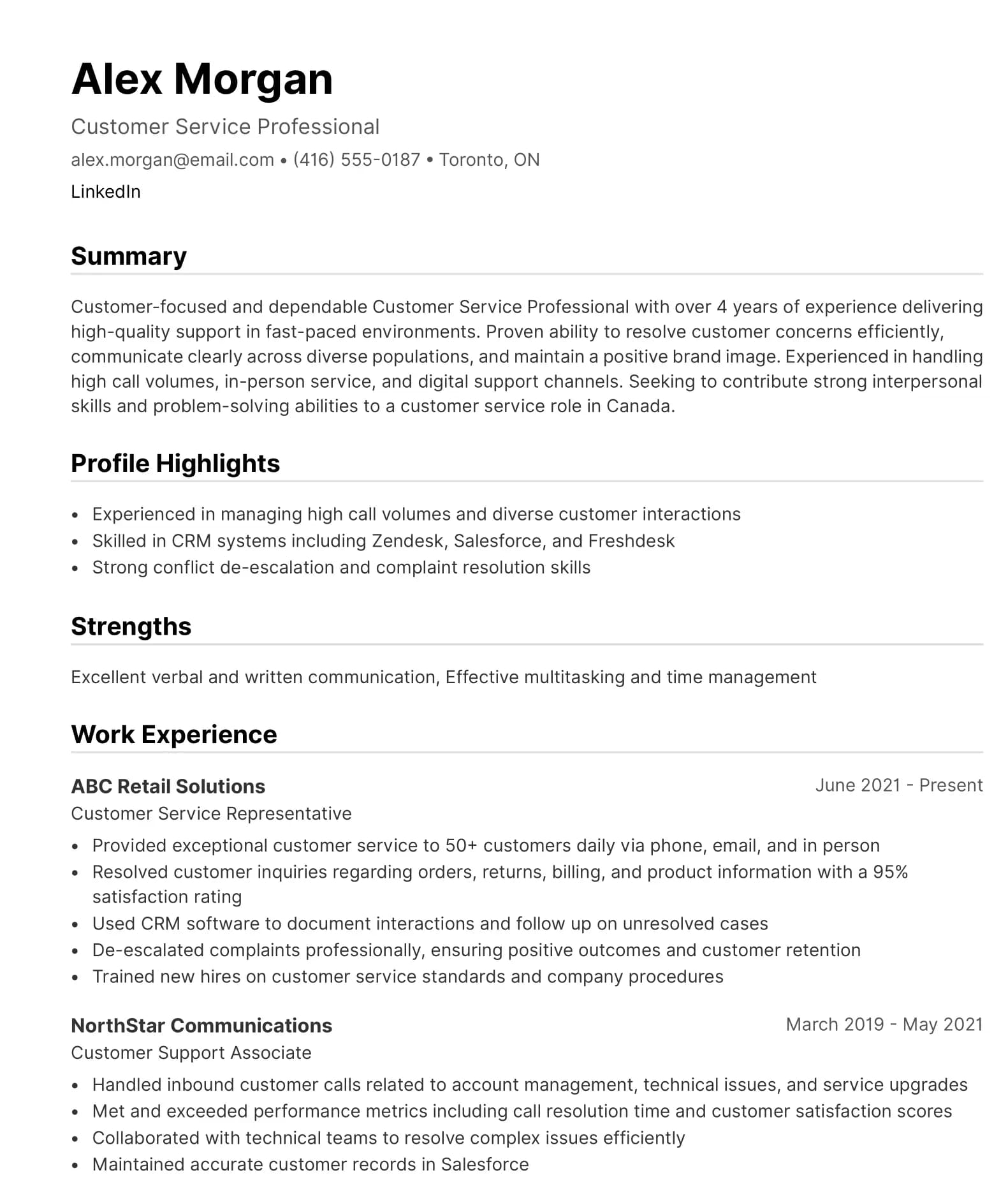
Users select from professionally designed templates, input their work history, and receive immediate feedback on how well their resume aligns with ATS requirements. Rezi handles formatting automatically, removing the need for manual adjustments in word processors.
The platform targets job seekers who want structured guidance and automated optimization without extensive resume writing knowledge. It works best for those applying to corporate positions where ATS screening is standard practice.
What ChatGPT Offers
ChatGPT is a general-purpose AI assistant trained on diverse text data, including professional writing samples. Users can ask it to write resume sections, suggest bullet points, or provide feedback on existing content through conversational prompts.
Unlike dedicated resume builders, ChatGPT does not provide templates, formatting tools, or ATS scoring. Users must handle document creation separately, typically copying AI-generated content into Word, Google Docs, or another program.
The strength of ChatGPT lies in its flexibility. Job seekers can request multiple revisions, ask for content in different tones, or seek advice on specific career situations without being limited to pre-set options.
This approach works well for experienced professionals who understand resume best practices and need help with specific sections or phrasing. It requires more active involvement from the user compared to automated resume builders.
Resume Quality Comparison
Both tools can produce acceptable resume content, but they differ in consistency and accuracy. Rezi's template-based approach ensures formatting remains ATS-friendly but may result in generic-sounding bullet points if users rely too heavily on automated suggestions.
ChatGPT can generate more varied and contextually relevant content when provided with detailed information about a candidate's experience. However, it sometimes produces vague or overly wordy descriptions that require significant editing.
The quality of output from either tool depends heavily on the input quality. Rezi performs better when users provide specific metrics and achievements to work with. ChatGPT delivers stronger results when given clear context about the role, industry, and candidate's unique contributions.
Neither tool replaces human judgment in determining what makes a compelling resume. Both require review and customization to ensure accuracy and relevance to specific job applications.
ATS Optimization Capabilities
Rezi's primary selling point is its built-in ATS optimization. The platform analyzes resumes against common ATS parsing requirements, flagging potential issues with formatting, section headers, or keyword density.
Users receive a numeric score indicating how well their resume will perform in automated screening systems. The tool suggests specific keywords from job postings and highlights sections that may confuse ATS software.
ChatGPT lacks this functionality entirely. While it can incorporate keywords when prompted, it cannot analyze formatting compatibility or predict how an ATS will parse a document. Users must rely on external ATS optimization knowledge or supplementary tools.
For candidates applying to large organizations where ATS usage is guaranteed, Rezi's scoring system provides measurable feedback that ChatGPT cannot match. Job seekers using ChatGPT need separate methods to verify their resumes meet technical requirements.
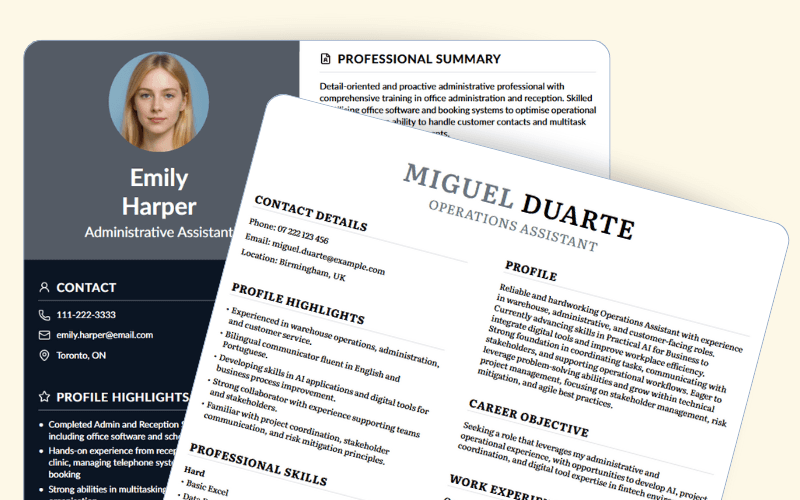
ATS-Optimized resumes That Meet Employer Standards
Our AI-powered scoring system helps organizations assess and standardize resume quality at scale. ATS-compliant templates support consistent formatting, keyword alignment, and interview readiness across cohorts.
Ease of Use and Learning Curve
Rezi follows a straightforward workflow: select a template, fill in sections, review suggestions, and download the finished resume. The interface guides users through each step with clear prompts and immediate visual feedback.
New users can create a complete resume in 20-30 minutes without prior experience. The platform's structure reduces decision paralysis by limiting options to pre-approved templates and content formats.
ChatGPT requires more resume writing knowledge to use effectively. Users must know what questions to ask, how to structure prompts for optimal results, and when AI-generated content needs refinement.
The conversational interface allows for iterative refinement but can become time-consuming if users are unclear about their goals. Experienced professionals who understand resume conventions typically find ChatGPT faster and more flexible. Entry-level candidates often prefer Rezi's guided approach.
Cost and Accessibility
Rezi operates on a subscription model with pricing tiers based on features and usage limits. Free trials are available but with restricted functionality. Full access requires monthly or annual payment.
ChatGPT offers both free and paid versions. The free tier provides basic functionality sufficient for resume writing. Paid subscriptions offer faster response times and access to more advanced models but are not strictly necessary for this use case.
The cost difference becomes significant for job seekers who need assistance with only one or two resumes versus those conducting extended job searches. Rezi's value increases with frequent use, while ChatGPT remains cost-effective for occasional assistance.
Budget-conscious job seekers can use ChatGPT at no cost and handle formatting separately. Those willing to pay for convenience and ATS optimization may find Rezi worth the investment.
When to Use Rezi
Rezi works best for candidates who need fast, structured resume creation with minimal effort. It is particularly useful when applying to corporate roles where ATS compatibility is essential and resume writing experience is limited.
The platform suits entry-level professionals, career changers, and anyone uncomfortable with resume formatting. Its templates eliminate technical concerns about layout, margins, and section organization.
Job seekers who prefer data-driven feedback and want quantifiable assurance that their resume meets ATS standards benefit from Rezi's scoring system. The platform's keyword suggestions help candidates align their resumes with specific job postings.
However, Rezi may feel restrictive for experienced professionals who want more creative control over their presentation or those applying to industries where standard resume formats are less critical.
When to Use ChatGPT
ChatGPT excels at helping experienced professionals refine specific sections or explore different ways to present their experience. It is valuable for generating multiple versions of bullet points, testing different summary statements, or addressing unique career situations.
The tool works well for senior-level candidates who understand resume best practices but need assistance with phrasing or positioning. It can also help with specialized resumes for creative fields, academic positions, or international applications where standard templates may not apply.
Job seekers using custom resume builders or creating CVs from scratch can leverage ChatGPT for content generation while maintaining full control over formatting and structure.
Those comfortable with iterative refinement and willing to handle technical details like ATS compatibility separately will find ChatGPT's flexibility advantageous.
Combining Both Approaches
Some job seekers use both tools strategically. ChatGPT can help brainstorm accomplishments and develop compelling language, while Rezi ensures the final document meets ATS requirements.
This hybrid approach allows candidates to benefit from ChatGPT's content generation capabilities while leveraging Rezi's formatting and optimization features. Users might draft sections in ChatGPT, then import them into Rezi for final formatting and scoring.
The extra step requires more time but can produce resumes that are both well-written and technically optimized. This method works best for candidates with moderate resume writing knowledge who want both quality content and ATS assurance.
Limitations to Consider
Both tools have notable constraints. Rezi's templates, while ATS-friendly, can result in resumes that look similar to those created by other users. Standing out in competitive fields may require customization beyond what the platform easily supports.
ChatGPT cannot verify factual accuracy and may generate plausible-sounding but incorrect content if not carefully prompted. Users must review all output for accuracy and relevance to their actual experience.
Neither tool replaces professional resume writing services for executive-level positions or highly specialized fields. Both work best as aids rather than complete solutions for job search preparation.
Why Yotru Bridges the Gap
Yotru combines the strengths of both approaches by offering AI-assisted content generation within a structured, ATS-optimized framework. The platform provides conversational AI guidance while maintaining formatting standards and keyword optimization.
Job seekers receive smart suggestions based on their industry and experience level without sacrificing control over their final presentation. The system handles technical ATS requirements automatically while allowing customization of tone and content.
This integrated approach eliminates the need to choose between flexible AI writing assistance and reliable technical optimization.
Ready to Build Your ATS-Optimized Resume?
Combine AI-powered content generation with proven formatting and keyword optimization. Use Yotru's resume builder to create resumes that pass ATS screening and impress hiring managers.
Start building your resume | Browse resume examples