Market
4 min read
Jobs in Norway 2026: Where to Apply and What You Actually Need
Synopsis
Jobs in Norway explained for foreigners in 2026. Learn where to apply, which roles sponsor work permits, salary ranges, language rules, and what employers expect.
Key Insight
This guide focuses on jobs in Norway for foreigners, especially English-speaking professionals in IT, engineering, healthcare, and green energy.
We rate Norway's job market based on five factors that matter to international job seekers:
| Norway Job Market Overall Score: 92% | ||
|---|---|---|
| Indicator | Details | Score |
| Job Availability | Critical labor shortages in healthcare, IT, engineering, and green energy sectors. Over 16,000 software developer positions needed by 2027. Nursing roles pay NOK 211,000-729,000 annually with the highest demand. | 90% |
| Salary & Benefits | Average monthly salary NOK 55,000-60,000 (USD 5,100-5,600). Five weeks paid vacation mandatory. Paid parental leave for both parents. Sector-specific collective agreements ensure fair pay (NOK 180-210/hour minimum). | 100% |
| Work-Life Balance | Flat hierarchies, direct communication, strict work hour limits. Norwegian culture prioritizes family time and outdoor activities. Employers cannot contact you outside work hours. | 100% |
| Foreign Worker Integration | English widely spoken in tech, engineering, finance. Many positions don't require Norwegian. However, healthcare, education, and public sector roles require B1-B2 Norwegian proficiency. Free language courses often provided. | 80% |
| Permit Process Efficiency | Clear requirements, online application system. Processing takes 2-3 months for university-educated workers, 4-6 months for vocational trades due to credential verification. Skilled worker permits valid 1-3 years, renewable. Permanent residence after 3 years consecutive work. | 80% |
| Overall | High scores across all factors with strong demand for skilled workers. Main barrier is language requirement in certain sectors. | 92% |
Norway offers high wages, strong worker protections, and real demand for skilled labor. The main barrier for foreigners remains language requirements in regulated professions.
Where to Find Jobs in Norway
General Job Boards (Use These First)
Tech & IT Jobs
Healthcare Jobs
Engineering & Construction
Oil, Gas & Renewable Energy
Seasonal, Hospitality and English‑Speaker Focused
Requirements by Field
- Healthcare roles require authorization from the Norwegian Directorate of Health, with processing typically taking around three months once documents are complete. B1 to B2 Norwegian is required for employment due to patient safety. Salaries range from NOK 211,000 to 729,000 for nurses, NOK 600,000 to 900,000 for general practitioners, and up to NOK 1,200,000 or more for specialists. Due to severe shortages, employers often interview candidates while authorization is still in progress.
- Information technology roles are skills-based and do not require formal certification. English is sufficient for most positions. Employers prioritize demonstrable experience, relevant tech stacks, and an understanding of the skilled worker visa process. Salaries typically range from NOK 450,000 to 550,000 for junior roles, NOK 600,000 to 800,000 for mid-level roles, and NOK 850,000 to 1,100,000 for senior roles.
- Engineering positions may require authorization for public infrastructure or safety-critical work. English is widely accepted in the private sector, while Norwegian is usually required for public projects. Salaries generally range from NOK 550,000 to 750,000 for civil engineers, NOK 600,000 to 800,000 for mechanical engineers, and NOK 750,000 to 1,000,000 or more for petroleum engineers. Multinational firms are typically more experienced with visa sponsorship.
- Skilled trades, including electricians, welders, and HVAC technicians, require formal authorization and often B1-level Norwegian for site safety communication. Salaries typically range from NOK 420,000 to 680,000 depending on trade and experience. Permit processing takes longer than for university-educated roles, and documentation is reviewed strictly.
- Teaching roles require authorization and high Norwegian proficiency, usually B2 to C1, for public schools. International schools and some university STEM roles operate in English. Salaries generally range from NOK 450,000 to 550,000 for primary teachers, NOK 500,000 to 650,000 for secondary teachers, and NOK 550,000 to 800,000 for university lecturers.
- Hospitality and seasonal work does not require formal certification, and English is generally sufficient, particularly in tourism and resort settings. Servers earn around NOK 180 to 210 per hour under collective agreements, while chefs earn approximately NOK 400,000 to 550,000 annually.
- Renewable energy roles operate primarily in English and are among the most open sectors for visa sponsorship. Salaries range from NOK 500,000 to 650,000 for technicians, NOK 650,000 to 900,000 for engineers, and NOK 800,000 to 1,100,000 for project managers. Strong government investment continues to drive international hiring.
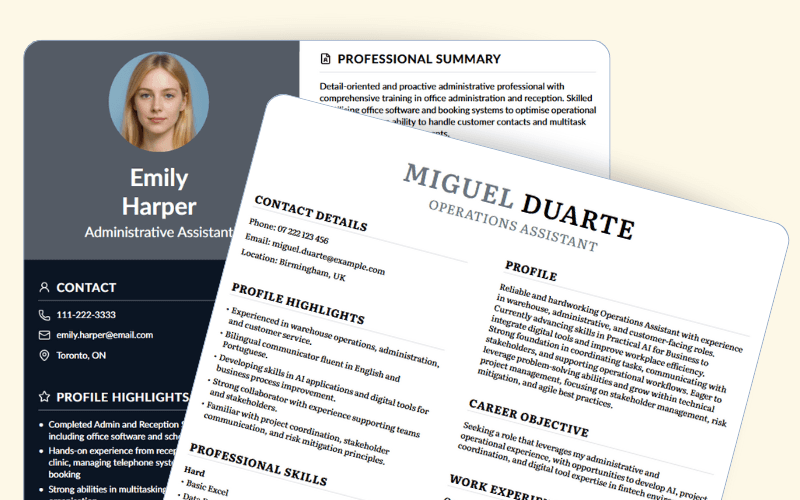
This field-by-field variation is why many candidates use structured CV tools like Yotru to tailor content without rewriting their CV for every role.

ATS in Norway: What Foreigners Should Know
Applicant tracking systems are used in Norway, but not as aggressively as in the US or UK. Larger companies, multinationals, and many tech employers use ATS platforms to manage applications, while smaller businesses and startups often rely on manual screening and referrals.
Norwegian hiring culture places strong emphasis on networking and word of mouth. This works well for locals, but it can disadvantage foreign candidates who lack local connections. In these cases, structured hiring processes can actually level the playing field. Clear, standardized CVs help ensure applications are reviewed on qualifications rather than informal referrals.
Even when ATS is used, Norwegian systems focus more on organization and compliance than keyword filtering. Clean formatting, clear role descriptions, and honest representation matter more than keyword optimization tactics.
CV Format for Norway
Norwegian employers value clarity, accuracy, and restraint. A well-structured CV should focus on facts and results rather than self-promotion.
- Photo not required and often omitted
- No birthdate or marital status
- Clear job titles, responsibilities, and outcomes
- Skills listed with realistic proficiency levels
- English CVs are acceptable in most private-sector roles
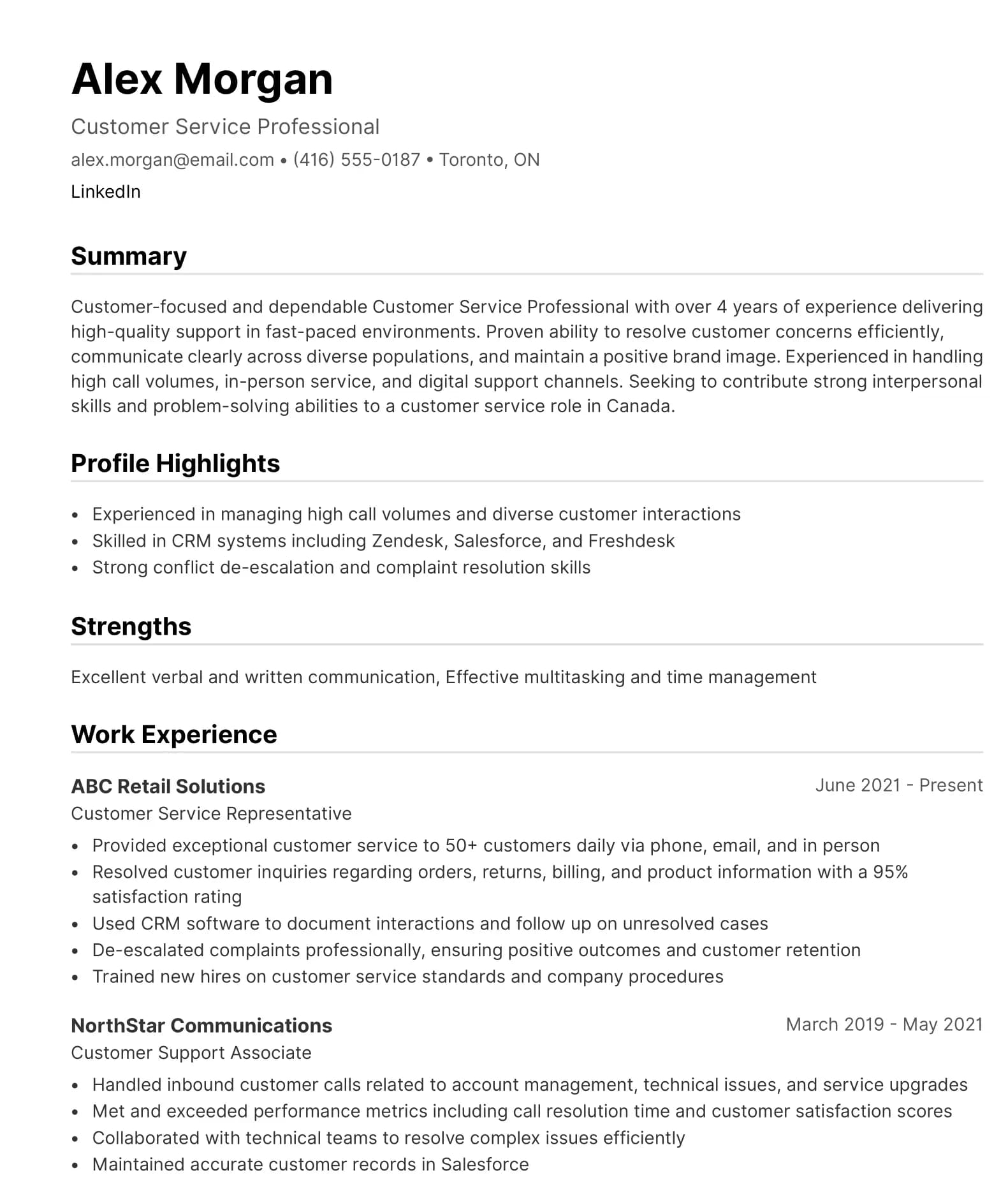
Keep CVs concise. One to two pages is standard for candidates with under seven years of experience.
Optional CV Check (For International Applicants)
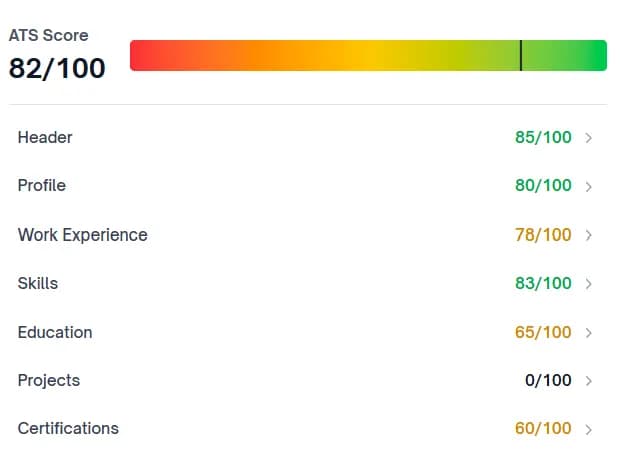
If you want a quick structural check, you can upload your CV to see how clearly it communicates role fit, skills, and requirements across common hiring systems.
ATS-Optimized resumes That Meet Employer Standards
Our AI-powered scoring system helps organizations assess and standardize resume quality at scale. ATS-compliant templates support consistent formatting, keyword alignment, and interview readiness across cohorts.
Work Permit: The Actual Process
EU/EEA citizens can work in Norway without a permit. If staying longer than three months, registration with the police is required.
Non-EU/EEA citizens must obtain a Skilled Worker permit before starting work. The application fee is NOK 6,300. Processing typically takes two to three months for university-educated roles and four to six months for vocational trades. The job offer must meet minimum salary thresholds of NOK 522,600 for bachelor-level roles or NOK 599,200 for master-level roles.
Important
You cannot work while the application is pending.
Red Flags in Job Postings
Avoid:
- “Norwegian fluency required” for non-customer-facing roles
- Salary listed as “negotiable” with no range
- Poor English or obvious spelling errors
- “Must already have Norwegian work permit”
- Recruiters asking candidates to pay fees (illegal in Norway)
Green Flags:
- “English working language”
- Named salary range
- Visa sponsorship mentioned
- Relocation support offered
High-Value Practical Advice
Applying in Norway rewards preparation and directness.
- Apply to 5–10 well-matched roles per week rather than mass applications
- Address work permit needs clearly in your cover letter
- Reference Norwegian salary standards to show market awareness
- Follow up directly with hiring managers when contact details are available
Foreign candidates who are transparent about permits and expectations are generally viewed more favorably than those who leave employers guessing.
Your Action Plan (Start Today)
- Month 1: Research roles, salary standards, begin language learning
- Month 2: Apply, network, interview
- Month 3–4: Secure offer and submit permit application
- Month 5–6: Prepare relocation and continue Norwegian learning
Final Note
Norway’s job market is structured, transparent, and fair, but it rewards preparation. Candidates who understand permits, salaries, and language expectations upfront significantly improve their chances of success.
About the Author

Team Yotru
Employability Systems
Team Yotru
Employability Systems
We build practical career tools for training providers and workforce programs, combining labor market insights with real employment outcomes. Follow us on LinkedIn.
Frequently Asked Questions
Not always. English is sufficient for 80–90% of IT roles, most oil and gas jobs, and many multinational finance positions. Norwegian is mandatory for healthcare, teaching, most public sector roles, and customer-facing jobs. Even basic Norwegian at A2 level improves hiring chances.
Audience Context
This content is for international job seekers exploring jobs in Norway. It is designed to help foreign candidates understand hiring expectations, work permits, language requirements, and practical job search realities in the Norwegian market.
Research Methodology
This guide draws on Norwegian government guidance, official immigration and labor sources, and industry hiring practices. It also reflects insights from recruiters and employers to explain how hiring works in practice for foreign candidates.
Disclaimer
This article provides general information for educational purposes only. It is not legal or immigration advice. Job seekers should consult official Norwegian authorities or qualified professionals to confirm requirements based on their individual circumstances.
Further Insights
Nordic hiring trends and market signals
- Hiring Trends in Norway — Understand sector demand, shortages, and hiring patterns before targeting roles in Norway’s labour market.
- Hiring Trends in Sweden — Compare Sweden’s selective recovery, skills shortages, and unemployment levels with Norway’s outlook.
- Hiring Trends in Denmark — Benchmark Norway against Denmark’s tight labour market, green transition hiring, and remote‑friendly practices.
- Hiring Trends in Finland — Track how Finnish demand in tech, healthcare, and engineering aligns with Norwegian opportunities for cross‑Nordic job searches.
- Hiring Trends in the UK — Compare UK hiring cycles, skills gaps, and employer expectations with Norwegian job offers targeting international candidates.
Resume & ATS readiness for Norway
- Make Your Resume ATS‑Friendly in 5 Minutes (2025 Guide) — Turn your CV into an ATS‑friendly format before applying to Norwegian employers and agencies.
- Resume Columns and ATS: Single vs Double Column FAQ 2026 — Choose a layout that stays readable in European ATS systems used by larger Norwegian companies.
- Best AI Resume Builders 2026: Top 10 Tools With Features Comparison — Pick AI tools that actually support ATS compatibility and international job searches, not just design.
References
Norwegian labor market and skill needs
- Norwegian Computer Society. (2025). Skills shortage in the Norwegian IT sector: Workforce predictions 2025–2027. Retrieved from https://www.dnd.no
- Oslo Business Region. (2025). Skill gap analysis: Norway’s workforce needs in tech, green energy, and health. Retrieved from https://www.oslobusinessregion.no
- Edstellar. (2025). Skills in demand in Norway for 2026: IT, engineering, and healthcare. Retrieved from https://www.edstellar.com/blog/skills-in-demand-in-norway
Immigration policy, work permits, and recognition
- Norwegian Directorate of Immigration (UDI). (2025). Skilled workers: Requirements and application process. Retrieved from https://www.udi.no/en/want-to-apply/work-immigration/skilled-workers/
- Norwegian Directorate for Higher Education and Skills (HK‑dir). (2025). Regulated professions in Norway. Retrieved from https://hkdir.no/en/foreign-education/lists-and-databases/regulated-professions
- NOKUT. (2025). Recognition of foreign higher education. Retrieved from https://www.nokut.no/en
- Playroll. (2025). Norway work permits and visas: Types and sponsorship routes. Retrieved from https://www.playroll.com/work-permit-visas/norway
- Fragomen. (2025). Norway: Work permit processing timelines and delays. Retrieved from https://www.fragomen.com/insights/norway-work-permit-processing-delays.html
Healthcare authorization and professional regulation
- Norwegian Directorate of Health (Helsedirektoratet). (2025). Authorisation and licensing of health personnel in Norway. Retrieved from https://www.helsedirektoratet.no/english/authorisation-and-license-for-health-personnel
- Nordic Cooperation. (2025). Working as a nurse in Norway: Requirements and pathways. Retrieved from https://www.norden.org/en/info-norden/work-nurse-norway
- ECFMG. (2025). EPIC: Special instructions for the Norwegian Directorate of Health. Retrieved from https://www.ecfmg.org/psv/instructions-norway.html
Salary standards, collective agreements, and working conditions
- Confederation of Norwegian Enterprise (NHO). (2025). Collective wage agreements by sector. Retrieved from https://www.nho.no
- Norwegian Confederation of Trade Unions (LO). (2025). Tariff agreements and minimum wage protections. Retrieved from https://www.lo.no
- Statistics Norway (SSB). (2025). Earnings and labour costs – key statistics. Retrieved from https://www.ssb.no/en/arbeid-og-lonn
- Work in Norway. (2025). Living and working in Norway: Official guide for foreign workers. Retrieved from https://www.workinnorway.no/en
- NAV. (2025). Work in Norway: Information for foreign job seekers. Retrieved from https://www.nav.no/en
Job search resources and job boards
- Life in Norway. (2025). Job vacancies in Norway: Where to find English‑speaking jobs. Retrieved from https://www.lifeinnorway.net/job-vacancies/
- Manatal. (2025). 15 leading job sites in Norway used by hiring managers. Retrieved from https://www.manatal.com/blog/job-sites-norway
- Workello. (2025). Top job boards in Norway for international candidates. Retrieved from https://workello.com/job-board-norway/
Maintained by: Labor Intelligence Group at Yotru
Review cycle: Regularly reviewed to reflect real-world practice
Last updated: January 3, 2026
Questions or Need Support?
If you are working on employability programs, hiring strategy, career education, or workforce outcomes and want practical guidance, you are in the right place.
Yotru supports individuals and organizations navigating real hiring systems. That includes resumes and ATS screening, career readiness, program design, evidence collection, and alignment with employer expectations. We work across education, training, public sector, and industry to turn guidance into outcomes that actually hold up in practice.