
Employability
2 min read
Factors Affecting Salary Negotiation in the 2026 Job Market
Synopsis
Job seekers are negotiating in a very different market in 2026. This article explains the factors affecting salary negotiation and how market conditions shape offers.
Salary negotiation in 2026 feels different for many job seekers. Offers are less flexible, hiring managers talk more openly about budget limits, and advice that worked a few years ago often no longer applies.
Key Insight
The factors affecting salary negotiation in the 2026 job market are driven less by individual confidence and more by employer leverage, salary bands, and hiring conditions that directly shape how flexible real-world offers can be.
This has left many candidates wondering whether negotiating salary is still expected, still safe, or even still possible.
The answer depends less on confidence and more on market conditions. External factors shape how much flexibility employers have, helping job seekers judge when negotiation makes sense and when it adds risk.
Job Market Conditions in 2026
The overall job market plays a major role in salary negotiation outcomes. In periods of strong hiring demand, employers compete for talent and are often willing to stretch compensation to secure candidates. In slower or uneven markets, that leverage shifts back toward employers.
In 2026, hiring conditions vary widely by industry and role. Some sectors continue to grow, while others remain cautious due to economic uncertainty, restructuring, or automation. This uneven demand means negotiation power is no longer evenly distributed across the workforce.
Pro Tip
A crowded applicant pool limits negotiation power. When many candidates meet the requirements, employers have less incentive to move on salary.
Employer Leverage and Risk Management
Many employers in 2026 operate with tighter financial controls than in previous years. Hiring decisions are often reviewed by finance teams, approved against fixed budgets, and evaluated for long-term cost impact.
This affects negotiation in two ways. First, hiring managers may have less discretion than candidates expect. Even when a manager supports a higher offer, they may be unable to secure approval. Second, employers are more sensitive to internal consistency. Adjusting one offer can create ripple effects across teams and pay structures.
Important
Negotiation outcomes are often driven by organizational policy rather than individual merit. This is why offers can be non negotiable even when the employer genuinely values the candidate.
Salary Bands and Internal Pay Equity
Salary bands matter more in 2026. Many employers use structured pay ranges to maintain internal equity and manage risk. Once an offer reaches the top of a band, there is often little room to negotiate without changing the role.
For candidates, this means negotiation is frequently limited by constraints that are not visible during hiring. Strong resumes and interviews help secure offers, but they do not automatically create salary flexibility beyond established limits.
Important
If an offer is already at the top of a salary band, focus negotiation on role scope, review timing, or bonuses rather than base pay.
Role Demand and Skill Scarcity
Not all roles face the same negotiation conditions. Salary negotiation power depends largely on how difficult a role is to fill. Positions with genuine skill shortages still allow more flexibility in 2026, while roles with large talent pools or lower barriers to entry offer less room to negotiate.
Automation and AI have also shifted demand in some fields. Tasks that were once highly valued may now be partially automated, reducing employer urgency and limiting salary leverage, even for experienced professionals.
Hint
Role demand directly affects salary negotiation power. Hard-to-fill roles offer more flexibility, while oversupplied or automated roles tend to have tighter salary limits.
Understanding Your Market Value
Salary negotiation in 2026 depends less on confidence and more on context. Market conditions, employer constraints, and role demand shape how flexible offers can be.
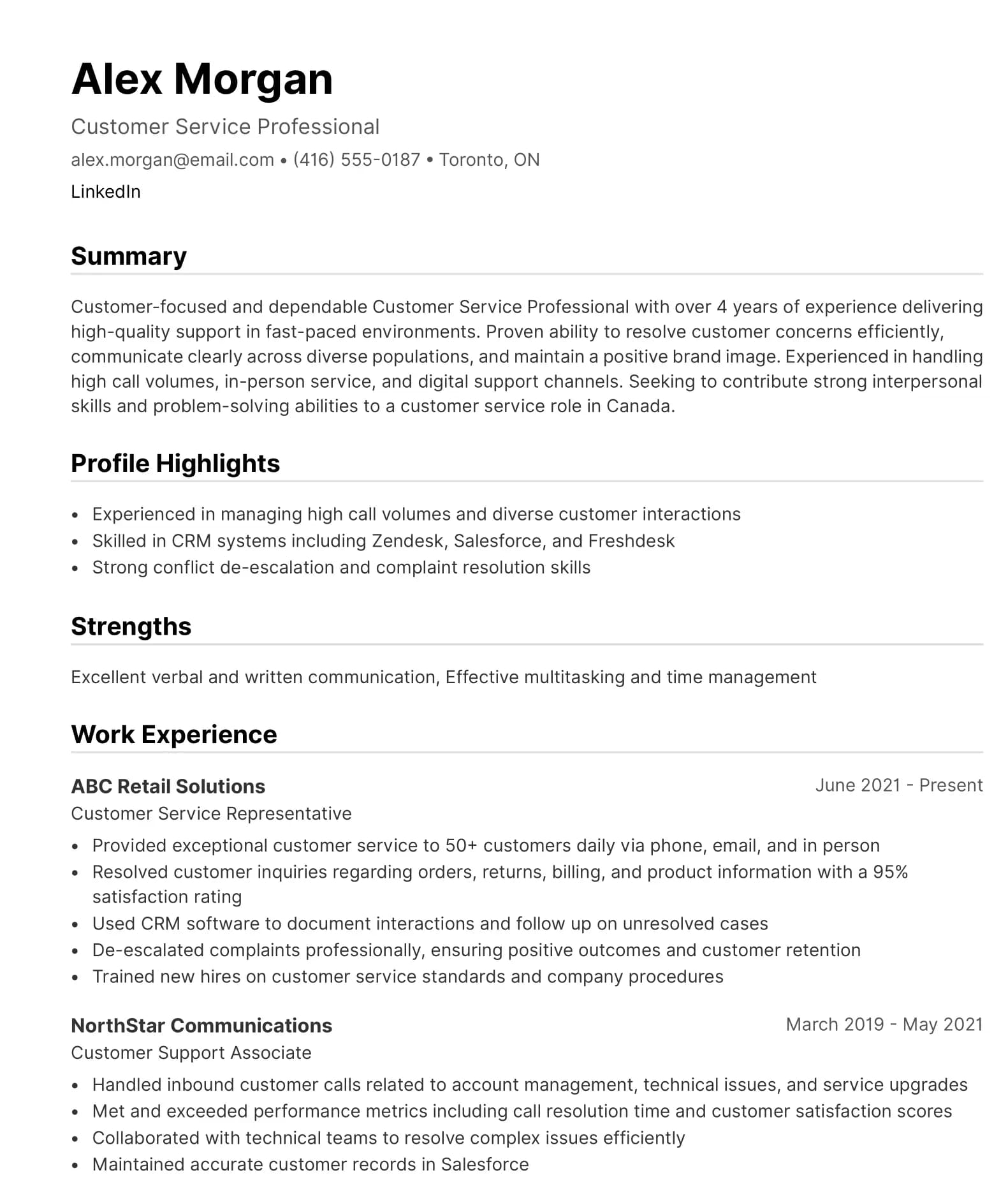
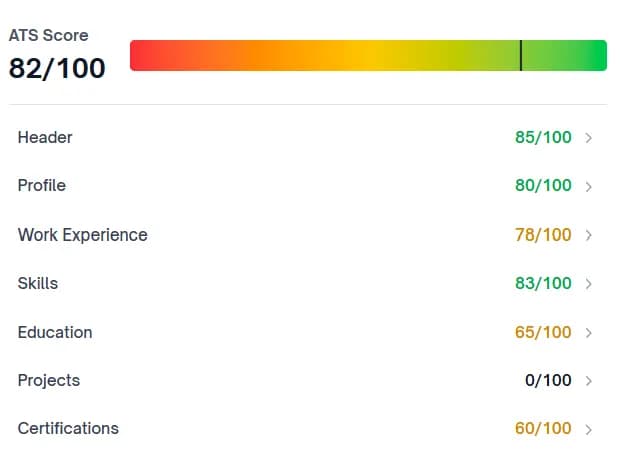
Clear resume positioning and ATS compatibility often influence salary outcomes earlier than negotiation itself. An ATS score check can help reveal whether your resume is aligned with current hiring expectations.
ATS-Optimized resumes That Meet Employer Standards
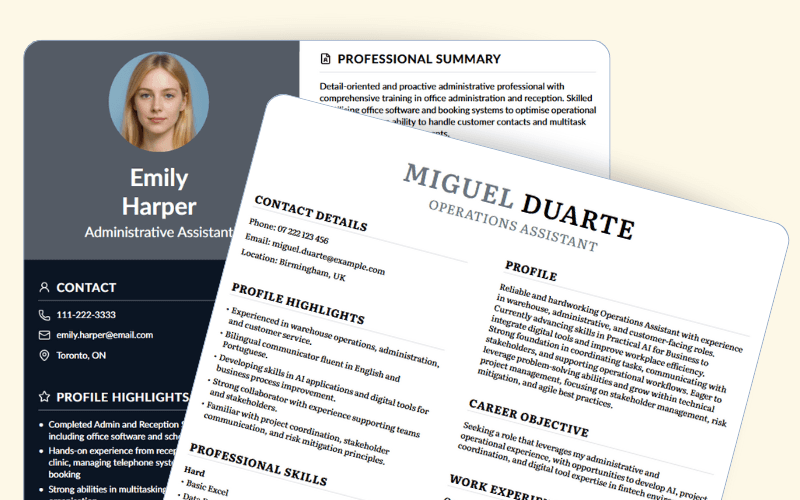
Our AI-powered scoring system helps organizations assess and standardize resume quality at scale. ATS-compliant templates support consistent formatting, keyword alignment, and interview readiness across cohorts.
About the Author

Team Yotru
Employability Systems
Team Yotru
Employability Systems
We build practical career tools for training providers and workforce programs, combining labor market insights with real employment outcomes. Follow us on LinkedIn.
Frequently Asked Questions
This is one of the most common concerns job seekers have in 2026. In some roles, negotiation is still expected and safe. In others, especially where competition is high or budgets are tight, pushing too hard can feel risky. The key is understanding your leverage before negotiating, not assuming every offer allows flexibility.
Audience Context
This content is written for job seekers navigating online applications who are unsure which optional sections truly matter. Many are applying under time pressure while trying to remain competitive, and want clear guidance on which fields influence review decisions and which can be safely skipped without harming their chances.
Research Methodology
The insights in this article are based on analysis of recruiter guidance, applicant tracking system behavior, and real-world resume screening patterns across entry-level, professional, and mid-career roles. Research draws from labor market studies, employer hiring workflows, and consistent trends observed in application outcomes. The focus is on repeatable, structural practices rather than anecdotal advice.
Editorial Policy
This article follows an evidence-based editorial approach designed to reduce confusion and misinformation. Guidance is grounded in hiring research and reviewed for clarity, neutrality, and practical relevance. Content is written independently and updated regularly to reflect changes in application systems and screening practices.
Disclaimer
This article is intended for informational and educational purposes only. It does not provide legal, hiring, or employment guarantees. Hiring outcomes vary by employer, role, industry, and local market conditions, and no single approach applies universally.
Further Insights
Resume Building Guides
- Make Your Resume ATS-Friendly in 5 Minutes
- Simple, Clean, and Effective: The Power of a Minimalist Resume
- 7 Traits All Great Resumes Possess
- How to Handle a Job Gap on Your Resume
Career Development Tips
- How to Correctly Add Volunteer Positions to Your Resume
- Interview Preparation Tips
- Should You Fill Out Optional Sections on Job Applications
- Networking Strategies That Last
Market Trends Insights
- Why It Feels So Hard to Get a Job Right Now
- Ontario Job Posting Law 2026
- Hiring Trends in Spain for 2026
- Jobs in Canada 2026: Hiring Trends + Salaries
ATS & AI Tools
- Demystifying Applicant Tracking Systems
- Free AI Resume Editor PDF Review 2026
- Resume Prompt Injection Backfires
- Gen Z Resume Guide 2026
Professional Credibility
References
- Cappelli, P. (2019). Your approach to hiring is all wrong. Harvard Business Review, 97(5), 48–58.
- Conference Board of Canada. (2025). Canadian Outlook: Economic forecasts 2025–2026. Retrieved from https://www.conferenceboard.ca/focus-areas/canadian-economics/canadian-outlook/
- Kray, L. J., Kennedy, B., & Van Zant, R. L. (2016). Not all negotiation is zero-sum: Measuring the relationship between negotiation behaviors and economic outcomes. Journal of Organizational Behavior, 37(4), 596–614.
- National Association of Colleges and Employers. (2025). 2026 job outlook: Hiring projections for the college class of 2026. NACE. Retrieved from https://www.naceweb.org/research/reports/job-outlook/2026/
- Program on Negotiation at Harvard Law School. (2025). Should you negotiate a job offer? Research on salary negotiation outcomes. Harvard Program on Negotiation. Retrieved from https://www.pon.harvard.edu/daily/salary-negotiations/should-you-negotiate-a-job-offer/
- Society for Human Resource Management. (2025). 2025 SHRM state of the workplace research report. SHRM. Retrieved from https://www.shrm.org/topics-tools/research/2025-shrm-state-of-the-workplace
- Society for Human Resource Management. (2023). Applicant tracking systems: How they work and their impact on recruitment. SHRM Vendor Directory. Retrieved from https://vendordirectory.shrm.org/category/hcm-technology/applicant-tracking-systems-ats
- Statistics Canada. (2025). The 2025 revisions of the Labour Force Survey (LFS) (Catalogue no. 71F0031X). Statistics Canada. Retrieved from https://www150.statcan.gc.ca/n1/pub/71f0031x/71f0031x2025001-eng.htm
- Statistics Canada. (2025). Labour Force Survey: November 2025. Retrieved from https://www.statcan.gc.ca/en/survey/household/3701
- U.S. Bureau of Labor Statistics. (2024). Employment projections 2024–2034. BLS. Retrieved from https://www.bls.gov/emp/
- WorldatWork. (2025). 2025–2026 Salary Budget Survey: Global compensation trends and projections. WorldatWork. Retrieved from https://worldatwork.org/research/salary-budget-survey
- WorldatWork. (2025). 2026 salary increase budgets project U.S., global caution. WorldatWork. Retrieved from https://worldatwork.org/publications/workspan-daily/worldatwork-2026-salary-increase-budgets-project-u-s-global-caution
- Select Software Reviews. (2025). Applicant Tracking System Statistics (Updated for 2025). Select Software Reviews. Retrieved from https://www.selectsoftwarereviews.com/blog/applicant-tracking-system-statistics
- Bank of Canada. (2025). Benchmarks for assessing labour market health: 2025 update (Staff Analytical Note 2025-17). Bank of Canada. Retrieved from https://www.bankofcanada.ca/2025/06/staff-analytical-note-2025-17/
- Institute for Work & Health. (2025). Workplace wellness and health promotion research. IWH. Retrieved from https://www.iwh.on.ca/topics/workplace-wellness-and-health-promotion
Maintained by: Employability & Skills Group at Yotru
Review cycle: Reviewed periodically to reflect evolving hiring trends
Last updated: March 24, 2026
Questions or Need Support?
If you are working on employability programs, hiring strategy, career education, or workforce outcomes and want practical guidance, you are in the right place.
Yotru supports individuals and organizations navigating real hiring systems. That includes resumes and ATS screening, career readiness, program design, evidence collection, and alignment with employer expectations. We work across education, training, public sector, and industry to turn guidance into outcomes that actually hold up in practice.