Employability
3 min read
How to Respond to an Unpaid Internship Offer Without Stressing Out
Synopsis
Students and early-career professionals facing unpaid internship offers can learn how to respond professionally, negotiate support, or decline confidently without damaging future opportunities.
Key Insight
An unpaid internship is not automatically good or bad. What matters is whether it realistically supports your career goals without putting you under financial or emotional strain.
So, you just got an internship offer… but there’s a catch. It’s unpaid.
Cue the mixed feelings. On one hand, it could help you gain experience, build skills, and make connections. On the other hand, rent, bills, and even your daily coffee still need to be paid.
Here’s how to respond professionally while protecting your time, energy, and wallet.
1. Decide What You Want First
Before you reply, pause and assess your situation honestly.
Ask yourself:
- Can I afford to work unpaid right now?
- Will this internship give me skills, experience, or connections I actually need?
- Is this role aligned with the career path I want?
If the answer is mostly yes and you can manage financially, accepting may make sense. If the role adds little value or creates stress, it’s okay to walk away.
Pro Tip
If you feel pressured to say yes immediately, that’s already a red flag. Legitimate employers expect candidates to take time to think.
2. If You Want to Accept
Keep your response positive, clear, and professional. You don’t need to over-explain.
Example reply:
Hi [Name],
Thank you for offering me the [Internship Title] position. I’m excited about the opportunity to gain experience and contribute to [Company Name]. I’m happy to accept the internship under the terms we discussed.
Please let me know the next steps and any paperwork I should complete before starting.
This confirms your interest and shows you’re ready to move forward.
3. If You Want to Negotiate
Even if the role is unpaid, you can still ask for support. This is normal and professional.
You might request:
- A small stipend
- Transportation or meal support
- Flexible hours so you can keep a paid job
Example reply:
Hi [Name],
Thank you for the offer to join [Company Name] as a [Internship Title]. I’m very interested in the role and the experience it offers. Before confirming, I wanted to ask whether there’s any flexibility around a stipend, transportation support, or adjusted hours to help offset costs.
I’d love to discuss options that work for both of us.
Important
Asking politely will not “ruin” your chances. If an employer reacts negatively to a reasonable question, that’s useful information.
4. If You Need to Say No
You can decline without burning bridges. Be respectful, brief, and honest.
Example reply:
Hi [Name],
Thank you for offering me the [Internship Title] role at [Company Name]. I appreciate the time you took to speak with me and explain the opportunity. After careful consideration, I need to decline due to the unpaid nature of the role and my current financial commitments.
I’d be happy to stay in touch for future paid opportunities.
This keeps the relationship intact and shows maturity.
5. Quick Tips Before You Reply
- Take at least 24 hours before responding.
- Check whether your school offers credit for unpaid internships.
- Be realistic about your availability and finances.
- If you accept, clarify hours, responsibilities, and learning outcomes upfront.
Pro Tip
An unpaid internship should still have structure, mentorship, and clear expectations. If it doesn’t, it’s likely not worth your time.
Advice Moving Forward
Unpaid internships are a trade-off. Sometimes they open doors. Other times, they offer little beyond “experience” with no real return.
The key is clarity. Know your goals, understand your limits, and communicate confidently. Saying no to the wrong opportunity makes space for the right one.
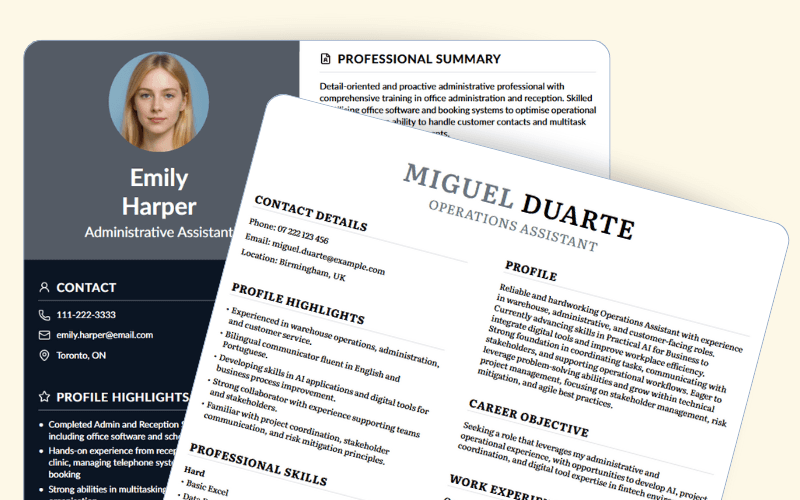
If you’re applying to internships, paid or unpaid, start by making sure your resume clearly shows your skills and potential. A strong resume helps you access better opportunities from the beginning.
About the Author

Team Yotru
Employability Systems
Team Yotru
Employability Systems
We build practical career tools for training providers and workforce programs, combining labor market insights with real employment outcomes. Follow us on LinkedIn.
Frequently Asked Questions
It depends on your country, region, and the nature of the work. In many places, unpaid internships must meet strict criteria, such as being educational and not replacing paid labor.
Audience Context
This article serves college students and recent graduates evaluating unpaid internship offers, including individuals balancing financial constraints with career development needs, students seeking academic credit opportunities, candidates comparing multiple offers, and early-career professionals navigating compensation expectations while building professional experience and networks.
Editorial Standards
Guidance reflects documented legal frameworks and observed career services practices rather than aspirational career advice. Content prioritizes accuracy in representing FLSA compliance requirements, neutrality in presenting decision-making factors without prescribing specific choices, and practical applicability for students navigating financial realities, academic credit considerations, and early-career trade-offs.
Research Methodology
This article draws on U.S. Department of Labor Fair Labor Standards Act guidance and primary beneficiary test criteria, university career services negotiation frameworks, internship compensation research and legal compliance analysis, employer offer evaluation practices, and applied observation of how students and recent graduates assess unpaid versus paid opportunities in competitive entry-level markets.
Disclaimer
This article provides informational guidance only and does not constitute legal advice or guarantee career outcomes. Unpaid internship legality varies by employer type, industry sector, and state law. Individual financial circumstances, academic credit availability, alternative income sources, and career objectives differ significantly. Internship quality, learning value, networking opportunities, and future employment prospects vary by organization and cannot be predicted. Consult university career services or legal counsel for situation-specific guidance.
Yotru Insights
Career Decision-Making and Offer Evaluation
- Salary Negotiation Techniques: How to Get the Offer You Deserve – Strategies for discussing compensation even in entry-level and internship contexts
- How Fresh Graduates Can Land a Good First Job – Balancing experience building with financial realities for early-career candidates
- Feeling Stuck at 25: How to Find Your Career Direction – Making strategic career decisions under uncertainty and time pressure
Resume and Application Strategy
- How to Build a Resume with No Work Experience – Positioning yourself for opportunities when starting your career
- How to Correctly Add Volunteer Positions to Your Resume – Documenting unpaid experience effectively for future applications
- Skills in Resume for Freshers: What to Include and How to Present Them – Translating internship experiences into compelling qualifications
Interview and Professional Communication
- Interview Preparation Tips: How to Prepare and Impress Employers – Communicating value and asking appropriate questions about compensation
- Networking Strategies: How to Build Professional Connections – Leveraging internships to build career-advancing relationships
- Job Search Strategy 2026: Stop Wasting Effort and Start Getting Interviews – Strategic approaches to finding quality opportunities in competitive markets
References
- Fastweb. (2025). Let's Get Legal: Guidelines for Paid or Unpaid Internships. Fastweb Career Planning. https://www.fastweb.com/career-planning/articles/let-s-get-legal-guidelines-for-paid-or-unpaid-internships
- George Mason University. (n.d.). Salary Negotiation. University Career Services. https://careers.gmu.edu/students/find-job-or-internship/salary-negotiation
- Northwestern University. (n.d.). Job & Internship Offer Negotiation. Northwestern Career Advancement. https://www.northwestern.edu/careers/jobs-internships/negotiating-the-offer.html
- Pillsbury Winthrop Shaw Pittman LLP. (n.d.). Department of Labor Changes Rules on Unpaid Internships. Pillsbury Law. https://www.pillsburylaw.com/en/news-and-insights/department-of-labor-changes-rules-on-unpaid-internships.html
- Stimmel Law. (n.d.). Unpaid Internships - The Federal Labor Code Requirements. Stimmel Law. https://www.stimmel-law.com/en/articles/unpaid-internships-federal-labor-code-requirements
- Tilson HR. (2022). Unpaid Internships: Complying with DOL Guidelines. Tilson HR Blog. https://www.tilsonhr.com/unpaid-internships-complying-with-dol-guidelines-2/
- U.S. Department of Labor. (n.d.). Fact Sheet #71: Internship Programs Under the Fair Labor Standards Act. Wage and Hour Division. https://www.dol.gov/agencies/whd/fact-sheets/71-flsa-internships
- University of California, Davis. (2024). Salary Negotiation. Internship and Career Center. https://icc.ucdavis.edu/interview/salary-negotiation
- University of Minnesota. (n.d.). Job Offer Negotiation. College of Liberal Arts Undergraduate Students. https://cla.umn.edu/undergraduate-students/career-services/getting-job-or-internship/job-offer-negotiation
- University of Minnesota. (n.d.). Salary Negotiation. Career & Internship Services. https://careerhelp.umn.edu/negotiation
Maintained by: Employability & Skills Group at Yotru
Review cycle: Regularly reviewed to reflect real-world practice
Last updated: January 11, 2026
Questions or Need Support?
If you are working on employability programs, hiring strategy, career education, or workforce outcomes and want practical guidance, you are in the right place.
Yotru supports individuals and organizations navigating real hiring systems. That includes resumes and ATS screening, career readiness, program design, evidence collection, and alignment with employer expectations. We work across education, training, public sector, and industry to turn guidance into outcomes that actually hold up in practice.