
Market
13 min read
Hiring Trends in Denmark for 2026: Strong Demand, Structural Shortages
Synopsis
Denmark’s 2026 labour market runs near full capacity, with 3%–4% unemployment, ~50,000 vacancies, and acute shortages in green energy, tech, and healthcare.
Denmark's 2026 labour market continues to operate at high employment levels while facing acute skill shortages across critical sectors. Despite record employment figures, unfilled vacancies and demographic pressures create a segmented market where shortage occupations dominate hiring challenges.
Disclaimer: This article provides a qualitative overview of hiring trends based on publicly available labour market statistics, economic forecasts, and institutional analysis. It is intended to support understanding and workforce planning rather than formal forecasting or statistical prediction. This assessment reflects conditions and projections as of late 2025; labour market outcomes may vary by region and evolve with economic or policy changes.
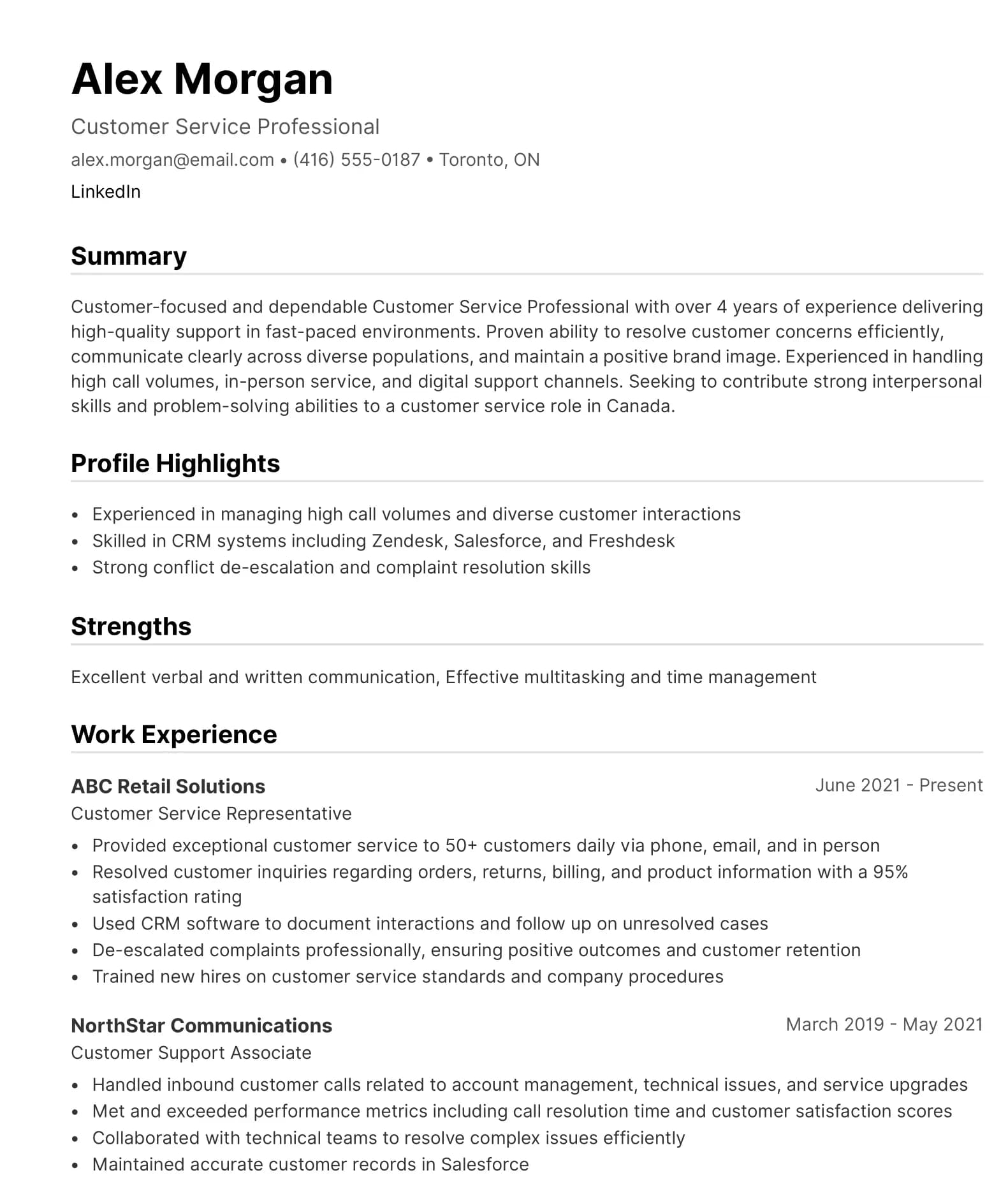
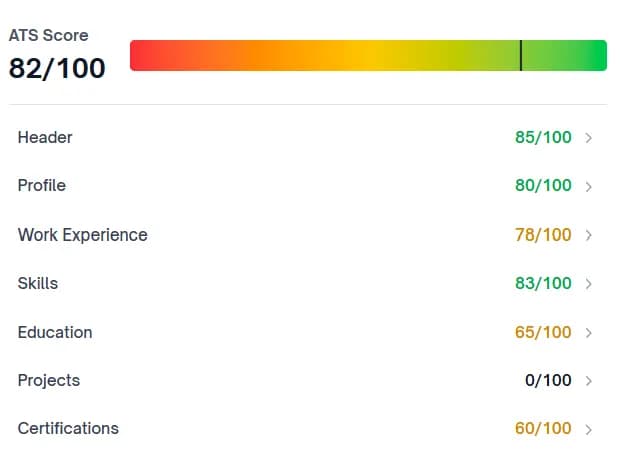
ATS-Optimized resumes That Meet Employer Standards
Our AI-powered scoring system helps organizations assess and standardize resume quality at scale. ATS-compliant templates support consistent formatting, keyword alignment, and interview readiness across cohorts.
A labour market operating at capacity with persistent constraints
Denmark's labour market in 2026 reflects sustained strength combined with structural limitations. Employment has reached record highs of over 3 million workers (approximately 3,069,400 as of late 2025), with the employment rate among working-age adults (20-64) standing at around 75-76%, well above the European Union average.
Unemployment remains remarkably low at approximately 3-4%, creating what labour economists describe as a tight market where employers face significant competition for qualified candidates. Job vacancies numbered around 50,000 in recent quarters according to Statistics Denmark, indicating sustained labour demand that consistently outpaces available supply in key sectors.
However, this apparent strength masks considerable friction. The Danish labour market faces acute skills shortages across multiple sectors, with thousands of positions remaining unfilled not due to lack of demand but due to insufficient numbers of qualified candidates. Recent graduates (particularly those aged 25-29) face elevated unemployment despite overall market tightness, creating a paradox where shortages and surpluses coexist within the same economy.
Average standardised monthly earnings currently stand in the high-40,000s DKK (approximately DKK 48,500-49,000 as of late 2025), with some projections pointing towards just above DKK 50,000 by end-2026. This represents moderate nominal wage growth that reflects both labour market tightness and collective bargaining frameworks that characterise Danish wage-setting.
This analysis is most relevant to employers, HR professionals, job seekers, training providers, policymakers, and institutions supporting workforce development in Denmark's tight but segmented labour market.
1. Critical skill shortages persist in green energy, technology, and healthcare
Despite record employment levels, Denmark faces severe and worsening shortages in specific occupations. These shortages are structural rather than cyclical, driven by insufficient training pipelines, demographic transitions, and accelerated sectoral transformation.
Green energy and engineering: Denmark's commitment to achieving 100% renewable energy by 2050, combined with major infrastructure projects including the North Sea Tyra field reopening and massive offshore wind expansion, has created unprecedented demand for engineering talent. Employers seek mechanical, electrical, and civil engineers with expertise in sustainable systems, smart grid applications, and renewable energy infrastructure. Beyond technical capability, communication skills and leadership qualities increasingly differentiate candidates.
Technology and digital: Software developers, data analysts, cybersecurity specialists, and AI/machine learning engineers remain among the most sought-after professionals. Various analyses suggest Denmark could face a shortfall of many tens of thousands of people with advanced analytical and digital skills by 2030, making technology hiring intensely competitive. Digitisation across traditional sectors (manufacturing, logistics, public services) has expanded tech hiring beyond pure technology companies.
Healthcare: Denmark faces severe shortages of healthcare professionals, particularly nurses. Some estimates suggest shortfalls of several thousand nurses needed to reach adequate hospital staffing levels. An ageing population, increasing prevalence of chronic conditions, and retirement of experienced healthcare workers intensify demand. The shortage is sufficiently acute that Denmark actively recruits international nurses with streamlined credential recognition and integration support.
Skilled trades: Construction workers, electricians, plumbers, welders, and HVAC technicians face persistent recruitment challenges driven by housing projects, infrastructure investment, and green transition requirements.
Education: Teaching professionals, particularly in STEM subjects and vocational training, face shortages as enrolment grows and experienced educators approach retirement.
In these occupations, employers remain fundamentally constrained by labour supply rather than demand, even as overall employment reaches historic highs.
So what
For candidates: Skills aligned with shortage occupations provide exceptional employment security, competitive compensation, and bargaining power in negotiations.
For employers: Recruitment in shortage roles requires proactive international sourcing, competitive total packages, and willingness to invest in training or upskilling adjacent talent.
2. Young graduate surplus coexists with overall tightness
Denmark faces a distinctive labour market paradox: while overall unemployment remains very low and vacancy rates stay elevated, recent graduates aged 25-29 experience disproportionately high unemployment. Some unions and unemployment insurance funds report that new graduates account for a large share of their unemployed members, in some cases around half, particularly in funds with many highly educated members.
This reflects several dynamics:
Skills-experience mismatch: Employers in shortage occupations often seek experienced professionals rather than entry-level candidates, creating friction even in tight labour markets.
Geographic concentration: Graduates cluster in university cities while some shortage occupations concentrate in different regions, requiring mobility that not all new entrants pursue.
Transition period: The Danish labour market's high mobility means graduate unemployment often represents transitional job-search periods rather than long-term exclusion, but it creates temporary oversupply in entry-level segments.
Sector-specific dynamics: Some graduate-heavy fields (humanities, social sciences, certain business specialisations) face more competition than shortage-designated technical fields.
Young graduates demonstrate high mobility and willingness to relocate for opportunities, which eventually facilitates market clearing, but the initial transition remains challenging for many.
So what
For candidates: Recent graduates must differentiate through internships, specialised skills aligned with shortage areas, demonstrated practical capability, and geographic flexibility. Networking and proactive job search become critical.
For employers: A surplus of entry-level candidates in some fields creates opportunities to identify and develop talent at competitive wage points, though competition remains intense for graduates with technical or digital specialisations.
3. Flexicurity model shapes recruitment and retention dynamics
Denmark's distinctive flexicurity model (combining flexibility for employers with security for workers through comprehensive social safety nets) fundamentally shapes labour market behaviour in 2026.
For employers: In some cases very short notice periods provide flexibility to respond to demand changes. However, this same flexibility means employees readily change employers when better opportunities arise, requiring ongoing attention to retention even after successful recruitment.
For workers: Strong unemployment benefits, active labour market policies, and retraining support reduce risk of job transitions, encouraging mobility and career development. This creates a fluid labour market where professionals readily pursue better opportunities.
Collective bargaining: Extensive collective agreements determine wages and working conditions across many sectors, providing predictability but limiting individual negotiation scope. Employers compete through work environment, development opportunities, flexibility, and employer brand as much as through direct compensation.
The flexicurity model means Denmark experiences high job-to-job transitions even during tight labour markets, as workers continuously optimise their employment situations.
So what
For candidates: High labour market mobility is culturally normal and economically supported; strategically pursuing better opportunities is standard rather than stigmatised.
For employers: Recruitment success must be matched by retention focus; competitive markets require ongoing investment in employee satisfaction, development, and engagement beyond initial hiring.
4. Demographic pressures intensify replacement demand
Denmark faces intensifying demographic challenges that exacerbate structural shortages. The working-age population is ageing, with large cohorts approaching retirement across sectors, while birth rates remain below replacement level.
Retirement wave impacts:
- Healthcare sector faces waves of nurse and physician retirements precisely as elderly population demand surges
- Skilled trades lose experienced practitioners faster than training pipelines replace them
- Educational institutions face teacher retirements while enrolment demand continues
- Engineering and technical fields lose institutional knowledge as senior professionals exit
Senior workforce extension: According to labour force data, the number of seniors working beyond state pension age continues rising (exceeding 100,000 as of 2025), partly addressing shortages but creating challenges around knowledge transfer, succession planning, and maintaining multi-generational workforces. The pension age rises to 67 by 2025 and will reach 70 by 2040.
Immigration imperative: With domestic birth rates insufficient to maintain workforce levels, immigration becomes critical to addressing shortages. Denmark has implemented targeted programmes to attract skilled foreign workers, including the Positive List (updated twice yearly identifying shortage occupations) and Fast-Track schemes for certified employers.
So what
For candidates: Replacement demand creates sustained long-term opportunities independent of economic cycles; roles in demographically affected sectors offer exceptional job security.
For employers: Workforce planning must account for retirement timelines; knowledge transfer, succession planning, and proactive recruitment (including international sourcing) become strategic imperatives.
5. International talent attraction increasingly central to labour supply
Facing domestic skill shortages, Denmark has become progressively more active in attracting international talent through several mechanisms:
Positive List: Updated in January and July each year, this list identifies occupations where Denmark lacks qualified workers. Professionals in listed occupations receive priority visa processing, and employers can sponsor work permits without proving inability to find local candidates. Current shortage occupations include software engineers, nurses, mechanical engineers, and data scientists.
Fast-Track Scheme: Certified employers (including major companies like Maersk, Novo Nordisk, and Vestas) can bring international employees to Denmark with target visa processing times as short as 2-3 weeks for eligible Fast-Track cases. This substantially reduces hiring timeline friction for qualifying organisations.
Pay Limit Scheme: Professionals securing positions above specified salary thresholds (updated annually) qualify for residence permits regardless of occupation listing, targeting experienced professionals and executives.
For international candidates, particularly those from countries with strong STEM education systems, Denmark offers competitive salaries, clear pathways to permanent residency, and alignment between shortage occupations and common professional backgrounds.
However, integration challenges persist: Danish language acquisition (though English is widely used in workplaces), cultural adaptation, credential recognition in some fields, and family settlement support all influence retention of international hires.
So what
For candidates: International professionals in shortage fields find Denmark increasingly accessible with streamlined immigration processes, though language learning and cultural engagement improve integration and long-term success.
For employers: International recruitment addresses shortage roles but requires investment in integration support, language training, and cultural onboarding to ensure retention and productivity.
6. Remote work and flexibility now baseline expectations
The pandemic permanently altered Danish work culture, with remote and hybrid arrangements becoming standard rather than exceptional. In 2026, flexibility is a baseline expectation, particularly among skilled professionals in shortage occupations who hold significant bargaining power.
Hybrid as standard: Most office-based roles offer at least 2-3 days of weekly remote work. While flexibility is most common in knowledge-intensive and office-based sectors, organisations resisting flexibility in these contexts struggle to compete for talent, particularly in technology, professional services, and knowledge work.
Geographic expansion: Some Danish employers now recruit remotely across Europe, accessing broader talent pools and competing in international rather than purely domestic labour markets.
Work-life integration: Denmark's cultural emphasis on work-life balance aligns naturally with flexible arrangements; attempting to reverse remote work gains risks talent attrition.
Digital infrastructure: Excellent internet connectivity and advanced digital government services support remote work technically and administratively.
Flexibility influences not only where people work but also talent attraction and retention across all shortage occupations.
So what
For candidates: Remote work options expand geographic possibilities; professionals can access Copenhagen-area opportunities while residing elsewhere in Denmark or (increasingly) other Nordic/EU countries.
For employers: Offering flexibility is now competitive necessity rather than differentiator; organisations emphasising office-centricity face material recruitment and retention headwinds.
7. Wage growth moderate but premiums persist in shortage roles
Denmark's wage dynamics in 2026 reflect the interplay between tight labour markets, collective bargaining frameworks, and shortage occupation premiums.
Average standardised monthly earnings currently stand in the high-40,000s DKK, with some projections pointing towards just above DKK 50,000 by end-2026. This represents moderate nominal wage growth that balances labour market tightness with collective agreement frameworks.
However, significant variation exists:
Shortage occupation premiums: Professionals in high-demand fields (senior technology roles, specialised engineers, healthcare specialists, data scientists) command substantially higher compensation, with experienced individuals in critical roles earning considerable premiums above sector averages.
Collective bargaining influence: Denmark's extensive collective agreement coverage means many sectors experience coordinated rather than individualised wage setting, limiting but not eliminating market-driven adjustments.
Non-wage competition: With direct wage growth partly constrained by collective frameworks, employers increasingly compete through flexibility, professional development, work environment quality, and employer brand.
Regional variation: Copenhagen and growth-hub compensation typically exceeds other regions, though cost-of-living differences partially offset these premiums.
So what
For candidates: Compensation upside concentrates in shortage occupations and senior technical roles; total package evaluation (including flexibility, development, culture) increasingly matters alongside direct wages.
For employers: Wage competition persists in shortage roles despite collective frameworks; non-wage benefits, development opportunities, and cultural factors become differentiators where direct compensation is constrained.
8. Green transition drives sustained engineering and technical demand
Denmark's commitment to climate goals and renewable energy leadership creates sustained demand for engineering and technical talent that will persist throughout the 2026-2030 period.
Renewable energy expansion: Major offshore wind projects, smart grid development, and sustainable energy infrastructure require mechanical, electrical, and civil engineers with green technology expertise.
Building and construction transformation: Meeting energy efficiency standards and sustainable building requirements creates demand for skilled trades with green building knowledge.
Industrial decarbonisation: Manufacturing and industrial sectors transitioning to sustainable processes require engineers and technicians who can implement and maintain green technologies.
Innovation and R&D: Denmark's renewable energy sector attracts research and development investment, creating demand for specialised engineers, researchers, and technical professionals.
This green transition demand operates independently of cyclical economic conditions and represents structural long-term growth in technical labour requirements.
So what
For candidates: Developing expertise in renewable energy, sustainable systems, and green technology provides long-term career security in high-growth sectors with strong compensation.
For employers: Green transition hiring requires competitive packages, international recruitment, and willingness to train traditional engineers in sustainable technologies.
What this means in practice
For job seekers
- Target shortage occupations: Green engineering, technology, healthcare, and skilled trades offer strongest prospects with competitive compensation and job security.
- Develop green and digital skills: Renewable energy expertise and digital literacy represent high-value, future-proof capabilities.
- Emphasise practical experience: Danish employers value demonstrated capability; portfolios, projects, and applied skills differentiate candidates.
- Consider international mobility: For non-Danish candidates, Denmark's Positive List and Fast-Track schemes create accessible pathways; basic Danish language skills improve integration.
- Leverage flexibility: Remote work options expand geographic possibilities; pursue opportunities beyond immediate physical location.
For employers
- Expect sustained shortage competition: Technology, engineering, healthcare, and trades recruitment will remain challenging; proactive, creative sourcing is essential.
- Invest in international pipelines: Fast-Track certification and Positive List utilisation access broader talent pools; support integration through language training and cultural onboarding.
- Compete beyond wages: With collective bargaining frameworks limiting direct compensation differentiation in some sectors, emphasise flexibility, development, culture, and employer brand.
- Plan for demographic transition: Retirement waves require proactive succession planning; knowledge transfer programmes and early pipeline development address replacement demand.
- Embrace flexibility sustainably: Remote and hybrid work are baseline expectations; resisting flexibility materially impairs talent attraction and retention.
- Build training capacity: With shortage occupations unlikely to resolve through external hiring alone, internal development and upskilling provide strategic advantage.
For training providers and educational institutions
- Align programmes with shortage occupations: Green engineering, digital technologies, healthcare, and skilled trades represent clear sustained demand.
- Emphasise job-ready capabilities: Practical experience, internships, and demonstrable skills improve graduate employment outcomes in competitive entry-level markets.
- Develop green specialisations: Renewable energy, sustainable systems, and climate technologies represent growth areas requiring specialised training.
- Support international student retention: International graduates in shortage fields represent valuable talent; support Danish language learning and cultural integration.
For policymakers
- Maintain immigration accessibility: Positive List responsiveness, Fast-Track efficiency, and integration support directly impact shortage resolution.
- Address graduate transition friction: Despite overall tightness, entry-level market difficulties suggest opportunities for improved school-to-work transition support.
- Strengthen green skills pipelines: Climate goals require sustained engineering and technical talent; vocational and higher education capacity in green technologies becomes strategic priority.
- Support retention of seniors: Policies encouraging later retirement and age-friendly workplaces address demographic pressures.
For all stakeholders
Platforms like Yotru can support these strategies by making skills visible, standardising employer-ready CVs at scale, helping institutions measure learner job readiness, and enabling employers to identify candidates with the right applied experience for Denmark's shortage occupations and evolving green economy requirements.
Looking ahead: Structural tightness persisting beyond 2026
Denmark's 2026 labour market operates at the intersection of exceptional employment performance and acute structural constraints. Record employment coexists with persistent unfilled vacancies, high graduate mobility coexists with entry-level friction, and wage moderation coexists with shortage occupation premiums.
Future performance depends less on aggregate demand and more on how effectively Denmark addresses structural challenges:
Demographics: Without sustained immigration and higher senior workforce participation, replacement demand alone will strain labour supply across sectors. Birth rates below replacement level mean workforce growth depends entirely on immigration.
Green transition acceleration: Meeting 2050 climate neutrality requires massive engineering and technical workforce expansion. Current shortages will intensify unless training pipelines scale substantially.
Skills evolution: Technology transformation, green transition, and digitisation require continuous workforce adaptation. Static skills become obsolete; learning capacity becomes the critical capability.
Integration capacity: Denmark's ability to successfully integrate international workers determines whether immigration addresses shortages or merely transfers them.
Retention challenges: Flexicurity's high mobility benefits workers but requires employers to continuously earn employee commitment. In tight shortage markets, retention becomes as strategic as recruitment.
Organisations and individuals who recognise Denmark's tight but segmented reality (investing in shortage skills, embracing international talent, prioritising retention, and building continuous learning capacity) will navigate the market most successfully. The combination of strong worker protections, high compensation, exceptional work-life balance, and critical skill shortages creates opportunities for those positioned in high-demand fields, while requiring sophisticated strategies from employers competing for limited talent.
References
Danmarks Statistik. (2025). Labour market statistics [Statistical database]. Statistics Denmark. https://www.dst.dk/en/Statistik/emner/arbejde-indkomst-og-formue/beskaeftigelse
Ministry of Employment, Denmark. (2025). Labour market trends and projections. Danish Ministry of Employment.
EURES - European Labour Authority. (2024). Labour Market Information: Denmark [Country profile]. European Labour Authority. https://eures.europa.eu/living-and-working/labour-market-information/labour-market-information-denmark_en
Work in Denmark. (2025). Sectors with high demand [Information portal]. Danish Agency for International Recruitment and Integration. https://www.workindenmark.dk/working-in-denmark/sectors-with-high-demand
The Copenhagen Post. (2025). Danish labour market continues to grow [Labour market coverage]. https://cphpost.dk
Statista. (2024). Employment in Denmark - statistics & facts [Statistical overview]. https://www.statista.com/topics/6917/employment-in-denmark/
Edstellar. (2025). Top 11 in-demand skills in Denmark for 2025 [Skills analysis]. https://www.edstellar.com/blog/skills-in-demand-in-denmark
Y-Axis. (2025). Denmark job market in 2025-2026 [Career guide]. https://www.y-axis.com/job-outlook/denmark/
European Commission. (2025). European Economic Forecast [Seasonal publication]. Directorate-General for Economic and Financial Affairs.
9cv9. (2025). The state of hiring and recruitment in Denmark for 2025 [Market analysis]. https://blog.9cv9.com/the-state-of-hiring-and-recruitment-in-denmark-for-2025/
Supporting and contextual sources:
UpGrad. (2025). Jobs in Denmark 2026: Salary insights and in-demand careers [Employment guide]. https://www.upgrad.com/study-abroad/articles/job-opportunities-in-denmark/
Trading Economics. (2025). Denmark - Overall employment growth [Economic indicators]. https://tradingeconomics.com/denmark/overall-employment-growth-eurostat-data.html
Note: Quantitative claims in this article are drawn from official statistical agencies (Danmarks Statistik, EURES) and institutional analyses. Where specific figures are cited, they reflect published statistics and projections available as of late 2025. Secondary sources provide supporting context on skills demand and employer sentiment. Labour market outcomes remain subject to economic developments and policy changes.
About the Author

Team Yotru
Employability Systems
Team Yotru
Employability Systems
We build practical career tools for training providers and workforce programs, combining labor market insights with real employment outcomes. Follow us on LinkedIn.

ATS optimized resumes with Yotru
Yotru helps individuals and teams create standout, job-ready resumes at scale
Continue Reading
More insights from our research team
KPU Layoffs March 2026: Next Steps Guide
Kwantlen Polytechnic University is laying off staff in March 2026 due to a sharp drop in international enrollment. Here's what affected employees should know.
5 min read

Ontario 2026 Job Posting Checklist for HR and Recruiters
Print-ready compliance checklist and copy-paste templates for Ontario's 2026 job posting rules. Salary disclosure, AI statements, and candidate notification wording included.
5 min read

Bell Media Layoffs: 20 Staff Cut, Including 11 Journalists
Unifor reports that Bell Media has cut 20 union members, including 11 journalists across Toronto, North Bay, Halifax, and Calgary.
2 min read

Bruyère Health Layoffs March 2026: What Affected Staff Should Know
Bruyère Health is cutting 55 frontline positions in Ottawa, including nurses and PSWs. Here's what affected staff need to know about next steps and job search support.
4 min read