

Campaign Inspiration
How Top Brands Pair Email and Mail to Win Back Customers
Seven brands, from a 170-year-old jeweler to a luxury closet designer, share how they bring past customers back at the holidays. Their email playbooks work, and here is how direct mail makes them work harder.
Kristine Dela Cruz · Content Specialist
· 5 min read
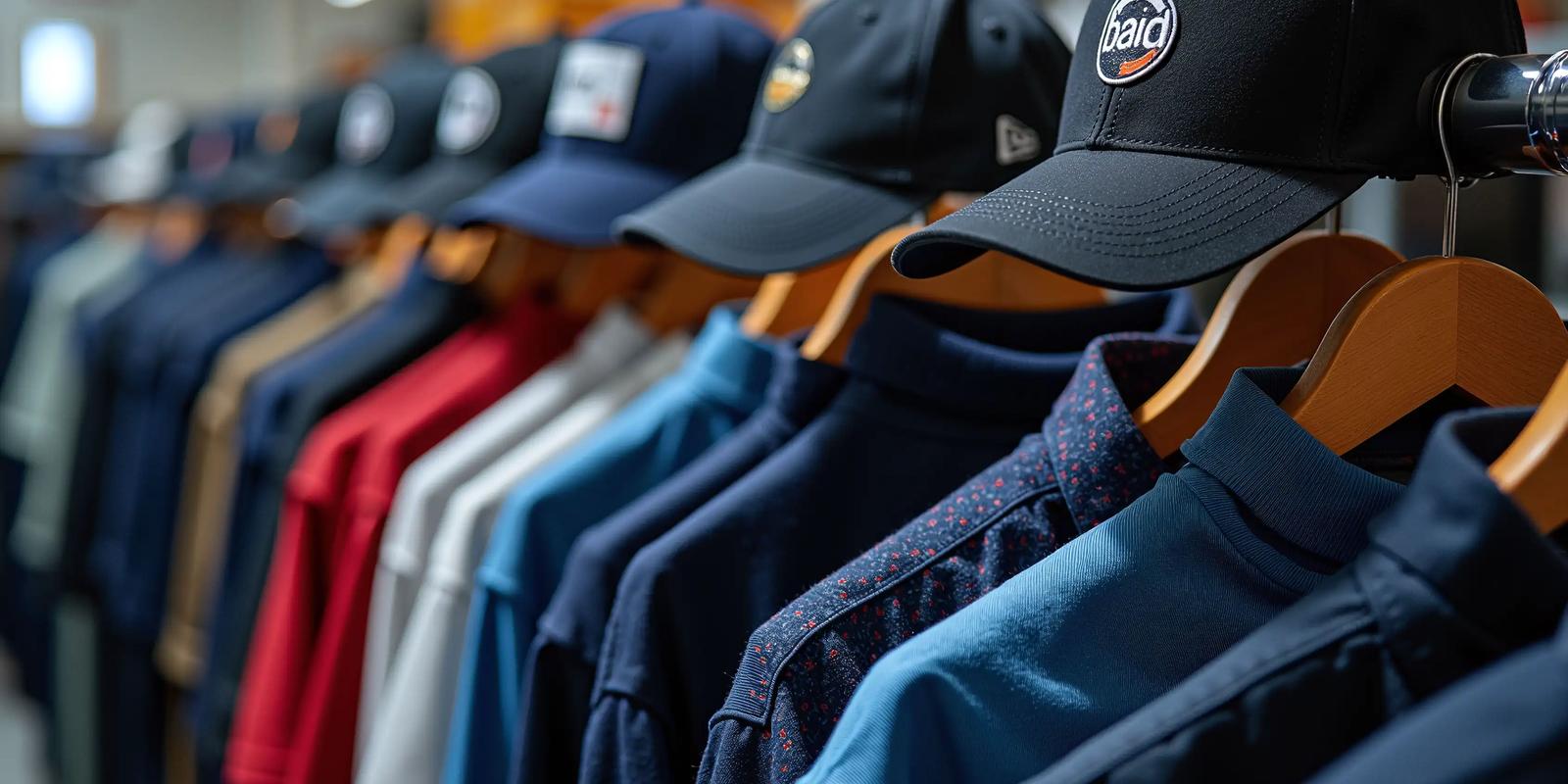
Email is the backbone of most holiday retention programs, and for good reason. It is fast, inexpensive and easy to personalize. But November and December are also when inboxes are at their most crowded, and even a great email has to compete with every Black Friday blast your customer receives.
The stakes are high. The National Retail Federation forecasts November and December retail sales to grow 4.2% over 2025. So we asked business owners how they are bringing past customers back this season. The best answers came from established brands, several of them family-owned for generations. None of them had given up on email. They made it specific, timed it to the customer and gave people a reason to return. Here is what they told us, and how we think direct mail fits alongside it.
Email works when it is specific
"Segmented, behavior-based emails are outperforming our generic blasts by three times."
Moshe Oestreicher, CEO, Perroquet Shoes
Perroquet learned an expensive lesson last year. A sitewide 25% off Black Friday promotion brought in new customers, but it also trained repeat buyers to wait for a discount. This year the footwear brand is trading discounts for access. Returning customers get the holiday drop 48 hours early, with first pick of limited colorways and no discount attached. Every send now goes to a specific group, and the brand's private customer community drives about 18% of repeat purchases.
"Email by vehicle, not by list. It converts far better than blasting everyone."
Carl Martens, Co-owner, No Visible Means of Support (NVMOS)
November and December are the biggest months for this overland and off-road truck parts store. Every past buyer is tagged by the truck they bought for, so someone who bought for a Super Duty hears about Super Duty lighting and accessories, not generic holiday deals. Weekly campaigns go only to recently engaged customers and repeat buyers, and full-list sends are saved for big moments like the Black Friday launch.
"Broad, untargeted offers have been less effective than messages that reference prior purchases."
Josh Pribyl, Founder and CEO, Bare Home
Bare Home has sold bedding direct to consumers since 2008. Its holiday email and SMS campaigns pair what a customer already owns with what naturally comes next, such as a duvet cover for someone who bought sheets. The message leans on quality and certifications rather than price alone.
Time it to the customer, not the calendar
"Don't treat past customers like you're trying to sell them for the first time."
Vaughn Smith, Marketing Director, Smith Automotive Group
Vaughn oversees marketing for three Nissan dealerships in metro Atlanta. His holiday outreach starts with the customer's ownership cycle. The dealership targets drivers close to the end of a lease, drivers with high mileage, and buyers who purchased three to four years ago, when inventory was tight and many paid more than they would today. Around Christmas, the message shifts to service: a check-up before a holiday road trip. His point is that a past customer already knows the dealership, so a generic year-end sale email wastes that relationship.
"My next sale typically will be another pain point in their home."
David Alan, President, Closets by David Alan
David runs a Pittsburgh luxury custom storage firm. When his team builds a client's walk-in closet, they already know what that client is likely to need next: the pantry, mudroom, laundry room or entertainment center. Before Black Friday, past clients get picture-based messages showing their own finished closet, with an invitation to bring the same boutique feel to another room. Around Christmas, the angle shifts to hosting: guests are coming, and the coat closet and guest room need to work.
Give past customers a reason to walk back in
"Get previous customers to return once, and it's much easier to keep them returning."
Nelson Coleman Jewelers, Baltimore and Frederick, Maryland
Nelson Coleman has been in business since 1856 and is in its sixth generation of family ownership. Its holiday outreach leads with what customers are giving, not what they are getting. Through its enrichment program, the store donates up to 10% of any full-price sale to a charity the customer chooses. It also hosts a signature event it has run for 17 years, which gives past customers a familiar reason to come back each season. In their experience, the hardest part is the first return visit. After that, customers keep coming back.
"Tell them to give her a facial, not another candle."
Max Thakkar, Chief Marketing Officer, J Sterling's Wellness Spa
J Sterling's runs six day spas in Orlando and calls the holidays its Super Bowl. Much of its holiday revenue comes from re-engaging past guests, and the core product is the gift card. Max's insight is to market to the person doing the giving. Someone shopping for a mother or partner does not want to overthink it, so the spa makes the decision easy, and its six locations mean the gift works for friends and family across the region.
How to combine email and direct mail this season
- Keep email for your full list, and reserve mail for your best segment, such as repeat or high-value customers.
- Mail first in early November, before the inbox rush, then follow with email a few days after the card lands.
- Use the same message and offer in both channels so each reinforces the other.
- Personalize both with what the customer bought, when they bought it, or what they are likely to need next.
- Give every card its own QR code or link so mail is as measurable as email.
- Lead with access, events or service rather than a bigger discount.
Keeping customers has always been the better economics. As Harvard Business Review has noted, acquiring a new customer can cost five to 25 times more than retaining an existing one. The brands above protect that advantage by reaching past customers personally, in more than one place.
Responses were submitted through HARO in October 2026. Quotes have been lightly edited for length and clarity.
Kristine Dela Cruz
Content Specialist
Kristine Dela Cruz works in Marketing Development at Yotru, helping businesses discover personalized direct mail. She focuses on market research, outreach strategies and connecting companies with new growth opportunities.
Keep reading

Campaign Inspiration
Personalized Direct Mail Examples: What to Change Beyond the First Name
A first name on a postcard isn't personalization. Here are before-and-after examples of what to change instead: the problem, the proof, the image, the offer and the timing.
Erol Branovic
3 min read

Campaign Inspiration
B2B Direct Mail Lead Generation: From Target Account List to Booked Meeting
How to use direct mail for B2B lead generation, step by step: build the list, pick the offer, design the card, set the response path and follow up until a meeting is booked.
Jenna Gallo
3 min read

Campaign Inspiration
B2B Postcard Examples: Copy and Offers for High-Value Accounts
Eight B2B postcard examples organized by the buyer's problem, each with a headline, a supporting line and an offer you can adapt for your own high-value accounts.
Chinedu Okafor
3 min read
Work with Yotru
Add a postcard to your holiday email plan
Mail your best customers a personal card before the inbox rush, then let your email do the follow-up. Every card gets its own QR code, so you can see exactly who came back.